
The Teenage Mutant Ninja Turtles (TMNT) represent one of the most successful examples of brand durability in pop culture history. Since their inception as a gritty, underground comic book parody in 1984, the franchise has morphed into a multi-billion-dollar global juggernaut. At the core of this longevity is a masterclass in brand identity: the naming convention of the four brothers. Leonardo, Michelangelo, Donatello, and Raphael are more than just character names; they are carefully crafted brand signifiers that have allowed the franchise to maintain internal consistency while pivoting across four decades of shifting market trends.
The Power of Semantic Branding and Historical Association
From a marketing perspective, the choice of names for the TMNT characters was a stroke of genius. By borrowing the names of Italian Renaissance masters, creators Kevin Eastman and Peter Laird achieved an immediate layer of cultural legitimacy and intellectual depth that separated their creation from the generic superhero tropes of the 1980s. This is a foundational lesson in brand strategy: utilizing existing, high-equity associations to provide instant consumer context.
Establishing the Brand Hierarchy through Nomenclature
The naming convention creates a subconscious organizational chart that allows audiences to identify with specific “personas” within the brand ecosystem. Each name is anchored to a specific archetype:
- Leonardo (The Leader): Named after the polymath Leonardo da Vinci, the name implies a sense of structure, discipline, and multifaceted capability. In any brand strategy, “Leonardo” represents the core mission and the operational leader.
- Donatello (The Architect): Associating the “tech-focused” turtle with Donatello, the sculptor and engineer, reinforces the brand’s commitment to innovation and problem-solving. This aligns with the “tools and software” pillar of product development.
- Raphael (The Independent): Named after the prolific painter known for his clarity of form and ease of composition, the name ironically masks the character’s volatile, rebellious nature. This provides the “edge” that keeps a brand from appearing overly sanitized.
- Michelangelo (The Innovator): By assigning the name of the creator of the Sistine Chapel to the “party turtle,” the brand leverages the concept of creative spontaneity, keeping the product line fresh and audience-facing.
Strategic Identity and Brand Scaling
A brand is not merely a name; it is the sum of its touchpoints. The TMNT franchise manages a rare feat: maintaining a unified corporate identity while allowing for stylistic variance. Every iteration—from the 1987 animated series to the 2023 feature film—has kept the names constant. This consistency acts as an anchor for brand equity, allowing the target demographic to age out and new generations to buy in without the “rebranding friction” that destroys many legacy properties.
The Role of Color-Coding in Corporate Design
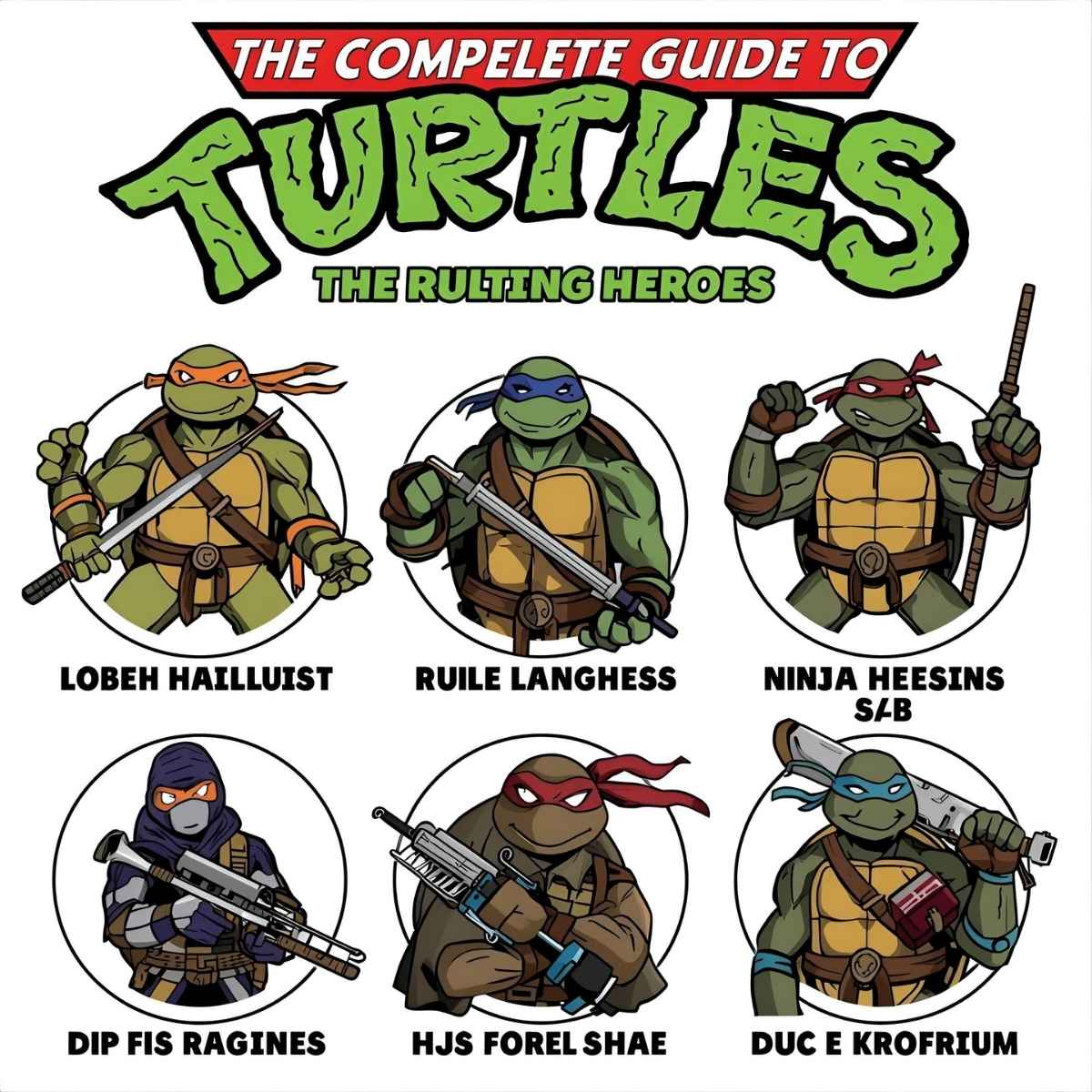
The synergy between the names and the design language (the color-coded masks) is a foundational element of effective product packaging and brand identification. In marketing terms, this is referred to as “mnemonic labeling.” When a consumer sees blue, orange, purple, or red, they do not just see colors; they see the name of the character.
This design choice solved a significant problem for early retailers: shelf-recognition. By assigning a distinct visual identity to each name, the brand ensured that even a toddler could distinguish between four structurally identical products. In modern branding, this mirrors the strategy used by companies that utilize distinct color palettes or sub-brand icons to segment their product lines while maintaining a unified parent brand.
Longevity and The Pivot Strategy

One of the greatest challenges for any brand is avoiding stagnation. Many legacy brands fail because they are unable to adapt their identity to the medium of the time. The TMNT franchise, however, has treated their character names as a permanent intellectual property (IP) framework, while allowing the expression of those names to evolve.
Evolution vs. Revolution in Brand Identity
When a brand pivots—such as moving from traditional 2D animation to CGI, or from gritty comics to mass-market toy lines—it risks alienating the core audience. The TMNT brand mitigates this risk by ensuring that the “Name + Archetype” relationship never changes. Whether the turtles are depicted as photorealistic monsters or stylized, ink-washed sketches, the audience’s relationship with “Donatello” as the brainy, tech-savvy character remains constant.
This is an essential lesson for marketing managers: you can refresh your visual assets, update your tone of voice, and even pivot your target market, but your core character architecture must remain stable. The TMNT brand proves that if your foundational identity is strong, your market presence becomes nearly indestructible.
The Intersection of IP and Consumer Loyalty
The enduring nature of these four names has created a “generational legacy” effect. Parents who grew up watching the original series now purchase the same characters for their own children. This creates a closed-loop economy where the brand equity is constantly reinforced by legacy users, effectively lowering the cost of customer acquisition (CAC) for new product launches.
Building Brand Advocacy Through Archetypes
In business terms, the names serve as a psychological touchstone. When customers identify themselves as a “Donatello” (analytical, product-focused) or a “Michelangelo” (creative, social), they are participating in a form of brand advocacy. This identity-based marketing—where the consumer adopts the brand’s character traits as their own—is the pinnacle of customer engagement.
By grounding their brand in archetypes that are easily recognizable yet broad enough to allow for subjective interpretation, the creators of the Ninja Turtles ensured that their characters would remain culturally relevant for decades. The names are no longer just identifiers; they are shorthand for a set of values that the consumer recognizes, values, and purchases.

Final Synthesis: The Lesson for Brand Managers
What’s in a name? In the case of the Teenage Mutant Ninja Turtles, the names provided the architecture for a global enterprise. By selecting monikers that evoke history, craftsmanship, and intellectual rigor, and by pairing them with a rigid, color-coded design system, the franchise achieved a level of brand stickiness that most modern startups can only hope to emulate.
For those looking to build a sustainable brand, the TMNT strategy offers three takeaways:
- Anchor your brand in established tropes: Use names or concepts that provide immediate, subconscious associations to your target market.
- Prioritize visual consistency: Ensure that your naming conventions are backed by a robust, unmistakable design language that functions at the retail level.
- Allow for stylistic evolution without breaking the core identity: Your brand’s “characters”—whether they are employees, product lines, or spokespeople—must remain consistent in their archetypal role even as your marketing strategies shift.
The Ninja Turtles are a testament to the fact that when brand identity is built on a foundation of archetypal clarity, it does not just survive the changing tides of the marketplace—it defines them. By staying true to the names they were given in 1984, the turtles have ensured their place as an evergreen icon in the history of global brand management.
aViewFromTheCave is a participant in the Amazon Services LLC Associates Program, an affiliate advertising program designed to provide a means for sites to earn advertising fees by advertising and linking to Amazon.com. Amazon, the Amazon logo, AmazonSupply, and the AmazonSupply logo are trademarks of Amazon.com, Inc. or its affiliates. As an Amazon Associate we earn affiliate commissions from qualifying purchases.