
The annual unveiling of a new iPhone generation from Apple is more than just a product launch; it’s a global technological event. Each iteration brings with it a wave of speculation, excitement, and, ultimately, innovation that sets new benchmarks for the smartphone industry. As the tech world turns its gaze towards the inevitable “iPhone 16,” the question isn’t if Apple will introduce groundbreaking features, but what those features will be and how they will redefine our mobile experience. Moving beyond mere iterative updates, the iPhone 16 is expected to leverage advancements in silicon, camera technology, display engineering, and intelligent software to deliver a device that is not just faster or prettier, but fundamentally more capable and integrated into our digital lives.
From the relentless pursuit of performance to the nuanced refinements in user interaction, every component of the iPhone 16 is under scrutiny, poised for an upgrade. This deep dive into the anticipated enhancements aims to explore the potential technological leaps that Apple might introduce, forecasting how the iPhone 16 could once again push the boundaries of what a smartphone can achieve. We’ll dissect the likely evolution of its core hardware, the revolutionary potential of its imaging systems, the subtle yet impactful changes in its display and design, and the deeper integration of artificial intelligence that promises a more intuitive and powerful user experience. The iPhone 16 isn’t just a phone; it’s a testament to Apple’s enduring commitment to innovation, poised to usher in a new era of mobile technology.
Elevating Performance: The Core of the iPhone 16
At the heart of every iPhone upgrade lies a significant leap in processing power, and the iPhone 16 is expected to continue this tradition with a formidable new A-series Bionic chip. This enhancement is not merely about faster app loading times; it’s about enabling a new generation of computational capabilities, from advanced AI tasks to console-quality gaming, all within the palm of your hand.
Next-Generation Silicon: A-Series Bionic Chip
The iPhone 16 will undoubtedly feature a new A-series Bionic chip, likely dubbed the A18 Bionic or A18 Pro Bionic for the higher-end models. This chip is rumored to be built on an even more advanced manufacturing process, potentially 2nm or a refined 3nm node, allowing for an increased transistor count within the same or even smaller physical footprint. The benefits are multifold: a substantial boost in raw CPU and GPU performance, leading to smoother multitasking, more demanding gaming experiences, and faster execution of complex applications. Crucially, this new silicon will feature an upgraded Neural Engine with significantly more cores and improved efficiency, designed to handle the growing demands of on-device machine learning and artificial intelligence tasks. This means real-time language translation, advanced image and video processing, and sophisticated predictive capabilities will all become faster, more accurate, and more energy-efficient, fundamentally enhancing the device’s “intelligence.”
Enhanced RAM and Storage Solutions
To complement the raw power of the new A-series chip, the iPhone 16 is expected to see an increase in its base RAM configuration, particularly for the Pro models. Moving beyond the current 8GB found in iPhone 15 Pro, we could anticipate 12GB or even 16GB of RAM in the iPhone 16 Pro and Pro Max. This additional memory will be critical for maintaining numerous applications in the background, handling larger datasets for AI processing, and supporting more resource-intensive features like advanced video editing or augmented reality applications without a hit to performance. Furthermore, Apple may introduce faster LPDDR5X RAM, which offers both improved bandwidth and greater power efficiency. On the storage front, while the base storage might remain at 128GB for standard models, there’s a possibility of increased maximum storage options, or perhaps even the adoption of newer, faster NVMe storage technologies to improve read/write speeds, making app launches and file transfers almost instantaneous. The emphasis here is on providing a seamless, uncompromised user experience, regardless of the task at hand.
A Leap in Imaging: Camera System Overhaul
Apple’s commitment to photographic excellence is unwavering, and the iPhone 16 is poised to deliver its most significant camera upgrades yet. Beyond megapixel counts, the focus will be on sensor technology, optical capabilities, and computational photography that redefines what a smartphone camera can achieve.
Advanced Sensor Technology and Computational Photography
The iPhone 16 is expected to incorporate larger camera sensors, particularly for the main wide-angle lens, allowing it to capture significantly more light. This directly translates to superior low-light performance, reduced noise, and greater dynamic range in challenging conditions. The Pro models might benefit from a new generation of Sony’s “stacked” sensor technology, which can capture light more efficiently and process data faster, enabling features like improved burst photography or more sophisticated HDR video recording. The ultrawide camera is also a strong candidate for a megapixel boost and a larger sensor, improving detail and low-light performance across all focal lengths. Furthermore, the iPhone 16 Pro Max could finally introduce a periscope telephoto lens, offering substantially increased optical zoom capabilities (e.g., 5x or 6x optical zoom) without compromising the phone’s thin profile. This would be a game-changer for capturing distant subjects with clarity. Computational photography, powered by the new A-series Bionic chip’s enhanced Neural Engine, will play an even larger role. Expect more intelligent scene recognition, advanced semantic segmentation to apply localized adjustments to photos (e.g., enhancing sky, skin, or foliage independently), and next-generation Photonic Engine processing that delivers unparalleled detail and color accuracy in every shot. New photographic styles or portrait modes, leveraging advanced depth mapping and AI-driven enhancements, are also highly anticipated.
Pro-Grade Video Capabilities and Spatial Video 2.0
Video recording on the iPhone 16 is set to reach new heights, rivaling professional cinema cameras in certain aspects. We can anticipate support for higher frame rates in 4K resolution (e.g., 4K 120fps across all lenses) and potentially even 8K video recording, though the latter might be reserved for Pro models with higher storage configurations. Improved cinematic mode, with more sophisticated depth control and rack focus capabilities, is a strong possibility, along with enhanced ProRes video capture, offering even greater color grading flexibility in post-production. Dynamic range in video will see significant improvement, allowing for more detail in both highlights and shadows, even in high-contrast scenes. For users of Apple Vision Pro, “Spatial Video 2.0” is a likely enhancement. This could involve higher resolution spatial video capture, improved depth accuracy for a more immersive 3D experience, and perhaps even wider field-of-view capture, making memories captured on the iPhone 16 truly come alive when viewed through a spatial computing device. Advanced video stabilization technologies, potentially leveraging sensor-shift OIS with even greater range or predictive algorithms powered by AI, will ensure footage remains buttery smooth, even in action-packed scenarios.
Display Evolution and User Interface Refinements
The iPhone’s display has always been a cornerstone of its user experience, and the iPhone 16 is expected to push boundaries further, offering more vibrant, efficient, and interactive screens. Coupled with refined user interface elements, these enhancements promise a more immersive and intuitive interaction.
ProMotion XDR Display Enhancements

The iPhone 16 Pro models will undoubtedly continue to feature ProMotion XDR displays, but with several key enhancements. We anticipate even brighter panels, offering superior visibility in direct sunlight and more impactful HDR content playback. Color accuracy, already best-in-class, could see further improvements, achieving even closer fidelity to professional reference monitors. One of the most significant advancements could be the adoption of more power-efficient OLED materials (e.g., LTPO 4.0 or a new generation of micro-lens array technology), allowing the ProMotion technology to extend its lower refresh rate limit down to 1Hz more consistently, further improving the always-on display functionality and overall battery life. Bezels are expected to become even thinner across all models, maximizing screen real estate without increasing the overall phone size. While an under-display front camera might be too ambitious for the iPhone 16, Apple could be laying the groundwork, or at least refining the sensor housing within the Dynamic Island for a less intrusive appearance.
Dynamic Island and Action Button: Expanding Functionality
The Dynamic Island, introduced with the iPhone 14 Pro, is likely to evolve into an even more integral part of the user experience on the iPhone 16. For the standard iPhone 16 models, the Dynamic Island will likely replace the traditional notch, bringing this interactive element to the entire lineup. Its functionality could expand, offering more integrated live activities, richer information displays for background tasks, and perhaps even third-party API access for developers to create unique interactive widgets. The Action Button, currently exclusive to the iPhone 15 Pro models, is also expected to make its way to the standard iPhone 16, offering a customizable physical button for quick access to various functions like the camera, flashlight, voice memos, or accessibility features. For the Pro models, the Action Button might gain additional capabilities, such as more sophisticated haptic feedback with varying presses, or even context-aware actions depending on the app or mode the phone is in, further enhancing its utility beyond a simple shortcut.
Connectivity, Battery Life, and Design Considerations
Beyond the flashy new features, significant improvements in fundamental aspects like connectivity, battery endurance, and subtle design refinements will underpin the iPhone 16’s appeal, ensuring a robust and reliable user experience.
Future-Proofing with Wi-Fi 7 and 5G Advancements
The iPhone 16 is expected to future-proof its connectivity suite by adopting the latest wireless standards. Wi-Fi 7 (802.11be) is a strong candidate, offering significantly faster throughput, lower latency, and improved capacity compared to Wi-Fi 6E. This will translate to quicker downloads, smoother streaming of high-resolution content, and more reliable connections in crowded network environments. On the cellular front, Apple will likely incorporate an updated 5G modem, potentially an in-house design or an upgraded Qualcomm chip. This new modem will offer enhanced 5G performance, including better millimeter-wave (mmWave) capabilities for blazing-fast speeds in dense urban areas, improved sub-6GHz coverage, and greater energy efficiency, contributing to better battery life when using cellular data. Further advancements in dual SIM technology and perhaps satellite connectivity for emergency services could also be refined or expanded to more regions.
Optimized Power Management and Battery Endurance
Battery life remains a critical factor for smartphone users, and the iPhone 16 will likely address this through a combination of hardware and software optimizations. The new A-series Bionic chip, built on a more efficient manufacturing process, will inherently consume less power while delivering greater performance. Coupled with the more power-efficient OLED display panels and sophisticated power management algorithms in iOS, the iPhone 16 is anticipated to offer noticeable improvements in overall battery endurance, allowing users to go longer between charges. While a significant physical increase in battery capacity might be limited by design constraints, incremental gains are expected. Furthermore, Apple might introduce faster wired charging capabilities, potentially moving beyond 27W to 35W or even higher, allowing for quicker top-ups. Reverse wireless charging, enabling the iPhone to charge accessories like AirPods or an Apple Watch, is a long-rumored feature that could finally materialize with the iPhone 16, adding another layer of convenience.
Subtle Design Tweaks and Material Innovations
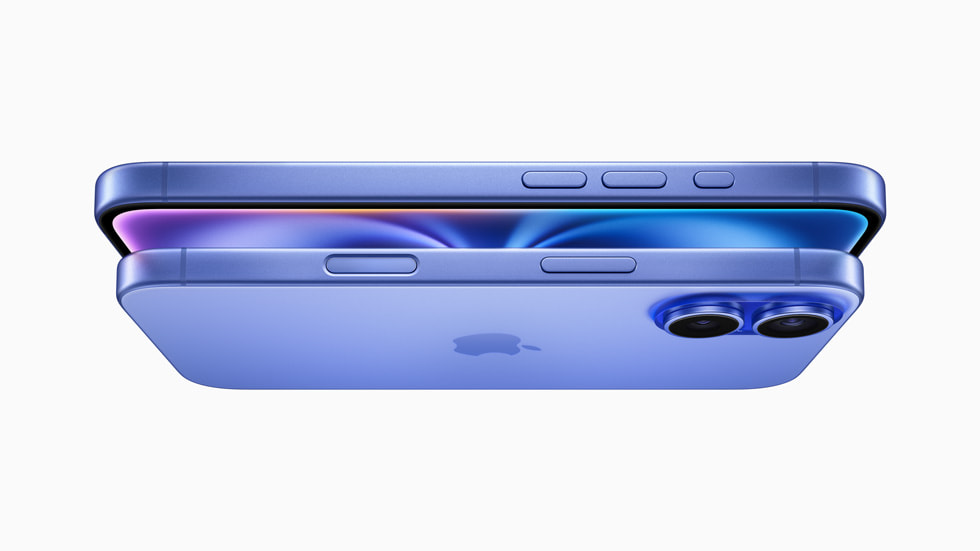
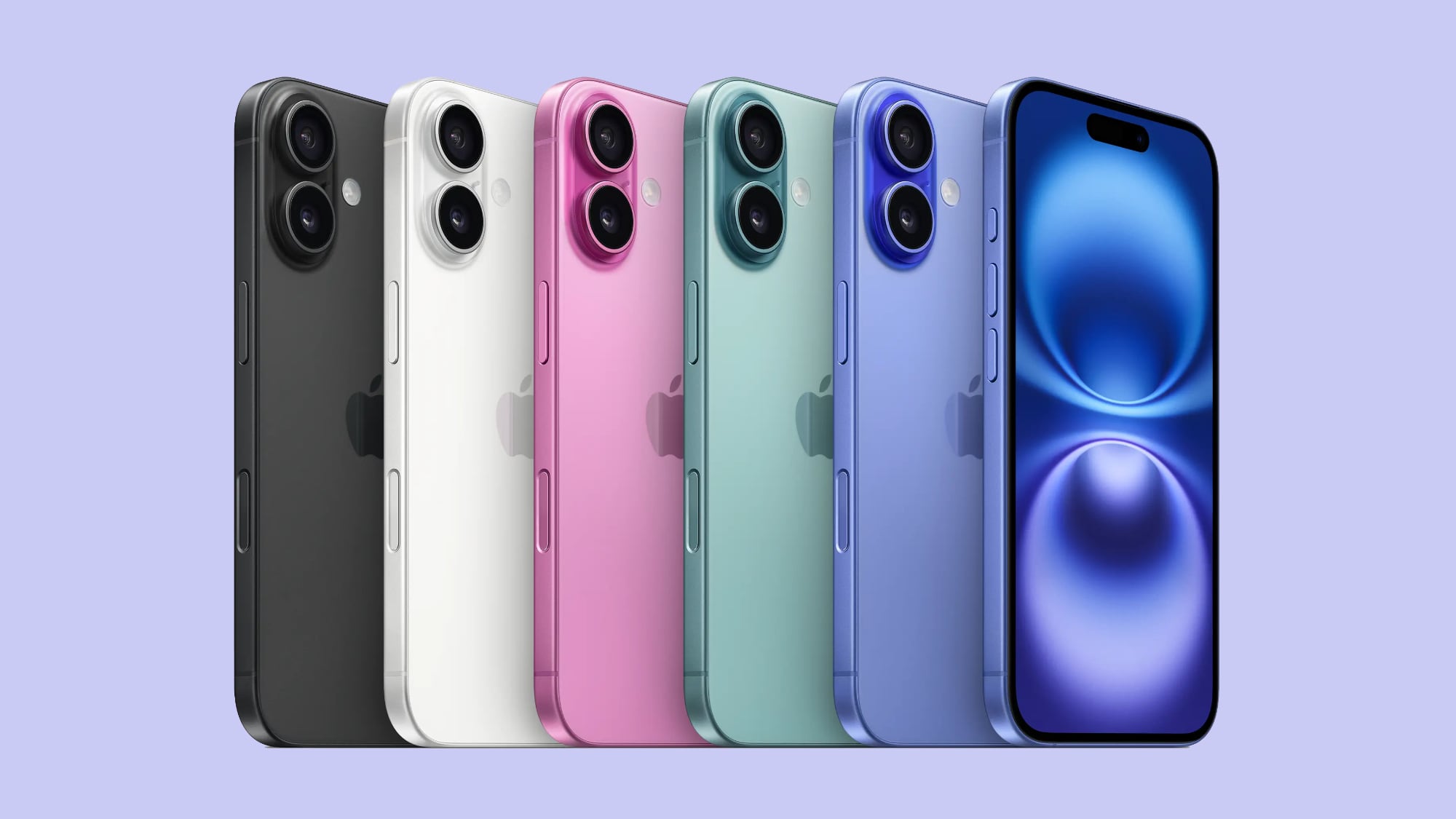
While a radical design overhaul is unlikely, the iPhone 16 is expected to feature subtle yet impactful design tweaks. The camera bump could see a revised layout, perhaps a more unified module or a slight repositioning of lenses to accommodate larger sensors or the periscope lens. The edges might be slightly more rounded for a more comfortable grip, building upon the refined design introduced with the iPhone 15 Pro. Apple’s commitment to sustainability means we can expect the continued use of recycled materials in the phone’s construction, possibly expanding to new components or higher percentages. The Pro models will likely stick with a lightweight and durable titanium frame, potentially with new finishing processes or color options. New color palettes, always a highlight, will likely be introduced, with a mix of classic and bold new hues to entice consumers. The goal is to refine the existing iconic design, making it more ergonomic, durable, and visually appealing, while integrating the latest technological advancements seamlessly.
Software Synergies: iOS and AI Innovations
The hardware prowess of the iPhone 16 will be fully unlocked and amplified by its tight integration with the next iteration of iOS and a suite of sophisticated on-device AI capabilities. This synergy promises a more intuitive, powerful, and personalized user experience than ever before.
iOS Integration and New Productivity Features
The iPhone 16 will launch with the latest version of Apple’s mobile operating system, likely iOS 18, which is expected to be deeply optimized to leverage the new hardware. This means faster animations, more fluid transitions, and a generally snappier user interface. iOS 18 is rumored to bring significant advancements in customization, potentially offering greater flexibility for homescreen layouts, redesigned widgets, and more granular control over system aesthetics. Productivity features are also set for an overhaul, with potential improvements to multitasking capabilities, perhaps introducing a more robust “Split View” or “Stage Manager” experience tailored for the iPhone’s smaller form factor. Enhancements to native apps like Mail, Calendar, and Safari, focusing on AI-driven smart suggestions, improved organization, and advanced privacy controls, are also highly anticipated. The integration with Apple’s broader ecosystem, including macOS, iPadOS, and watchOS, will also be strengthened, offering more seamless continuity features and cross-device functionality that makes the iPhone 16 the central hub of a user’s digital life.
On-Device AI: Intelligence at Your Fingertips
The true game-changer for the iPhone 16 will be its heavily enhanced on-device AI capabilities, powered by the A-series Bionic chip’s upgraded Neural Engine. Unlike cloud-based AI, processing AI tasks directly on the device offers significant advantages in terms of speed, privacy, and reliability. We can expect a new generation of intelligent features that learn from user behavior and adapt to individual preferences. This could manifest as vastly improved Siri, capable of understanding complex, multi-layered commands and engaging in more natural, context-aware conversations. Photos and Videos apps could gain advanced generative AI features, allowing for sophisticated photo editing, content removal, or even stylistic transformations, all done locally and instantly. Predictive text will become hyper-personalized, anticipating not just words but entire phrases and even offering smart replies based on conversational context. Accessibility features will benefit greatly from on-device AI, providing more accurate real-time transcription, enhanced voice control, and intelligent assistance for users with disabilities. Furthermore, personal security and privacy will be bolstered, as sensitive data processing for features like biometric authentication, health monitoring, and personalized suggestions will primarily occur on the device, minimizing data exposure to the cloud. The iPhone 16’s on-device AI will transform it from a smart device into a truly intelligent personal assistant that anticipates needs and proactively enhances the user experience.
In conclusion, the iPhone 16 is shaping up to be more than just an incremental upgrade. With a formidable new A-series Bionic chip providing unprecedented processing power for both general tasks and on-device AI, a revolutionary camera system poised to redefine mobile photography and videography, and a display that promises greater immersion and efficiency, Apple is once again setting a new standard. The refined design, robust connectivity, and optimized battery life will provide a solid foundation for these advancements, while deep integration with an intelligent iOS and sophisticated on-device AI will unlock an intuitive and highly personalized user experience. The iPhone 16 isn’t just about what’s new; it’s about how these innovations collectively create a more capable, intelligent, and indispensable device for the future. As always, Apple’s ability to seamlessly blend cutting-edge hardware with intuitive software will be the true hallmark of its next-generation innovation.
aViewFromTheCave is a participant in the Amazon Services LLC Associates Program, an affiliate advertising program designed to provide a means for sites to earn advertising fees by advertising and linking to Amazon.com. Amazon, the Amazon logo, AmazonSupply, and the AmazonSupply logo are trademarks of Amazon.com, Inc. or its affiliates. As an Amazon Associate we earn affiliate commissions from qualifying purchases.