
In the hyper-competitive landscape of modern marketing, few assets are as valuable—or as fragile—as a legacy brand. The phrase “What’s New, Scooby?” is more than just a nostalgic theme song lyric; it represents a fundamental question that every brand strategist must answer: How does a brand remain relevant to a new generation without alienating the core audience that built its foundation?
Intellectual property (IP) like the Scooby-Doo franchise offers a masterclass in brand evolution. Since its debut in 1969, the “Scooby-Doo” identity has survived economic shifts, technological revolutions, and changing cultural sensibilities. For corporate entities and personal brands alike, the “What’s New” factor is the engine of growth. It is the delicate balance of maintaining a recognizable “brand DNA” while iterating on the delivery, aesthetics, and engagement strategies to meet current market demands.

The Anatomy of a Legacy Brand: Staying Power in a Fickle Market
To understand how a brand survives for over five decades, one must look beneath the surface of the “mystery” and examine the structural integrity of the brand’s core identity. A legacy brand is not merely an old brand; it is an institution that has successfully established a psychological contract with its consumers.
Defining the Core Value Proposition
Every successful brand has a “north star”—a singular, unchanging value proposition. In the world of Scooby-Doo, that value is the triumph of rationalism and teamwork over the “unknown.” No matter how much the animation style changes or which celebrity guest stars appear, the core loop remains: a mystery is presented, a team collaborates, and a logical explanation is revealed.
In a corporate context, identifying this core is essential. For a brand like Apple, it is “simplicity and design.” For Nike, it is “the athlete in everyone.” When a brand understands its core value, it can pivot its marketing and product lines (“What’s New”) without losing its soul. The danger arises when a brand confuses its products with its purpose. By focusing on the purpose, a brand gains the flexibility to inhabit different mediums and eras.
The Power of Visual Identity and Archetypes
Strong brands lean heavily on archetypes. The “Mystery Inc.” gang represents a balanced ecosystem of personalities: the leader, the brain, the heart, and the comic relief. In brand strategy, these archetypes allow consumers to find a point of entry into the brand’s world.
Consistency in visual cues—the “Mystery Machine” color palette, the specific shorthand of a logo—serves as an anchor. Even when a brand undergoes a radical redesign, these anchors provide a sense of continuity. For a legacy brand to succeed in the modern era, its visual identity must be modular; it needs to look as good on a smartphone screen as it did on a billboard or a cathode-ray tube television.
Reimagining for New Generations: The “What’s New” Factor
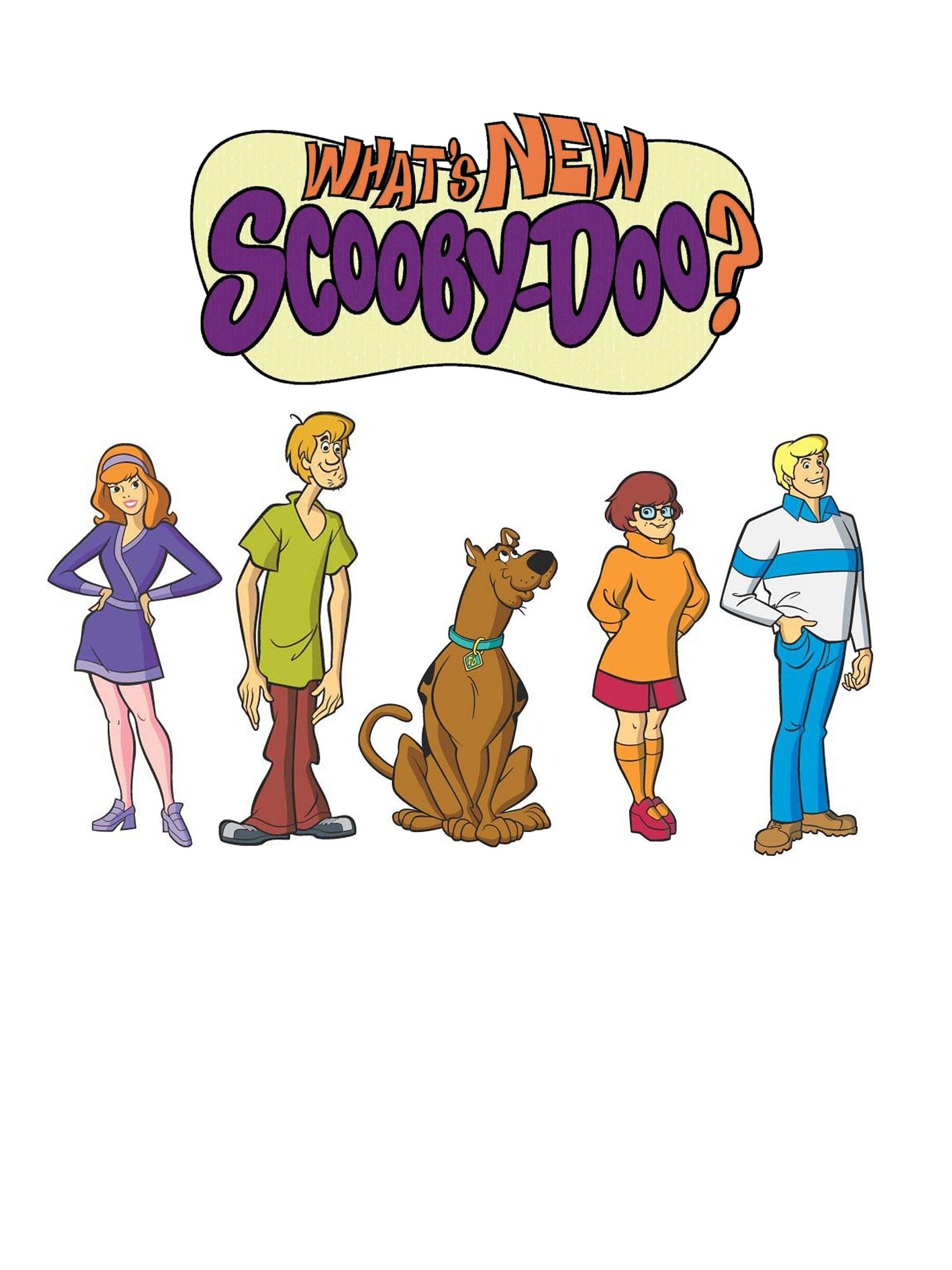
The early 2000s iteration of the franchise, What’s New, Scooby-Doo?, was a pivotal moment in brand management. It moved the characters out of the psychedelic 60s and into a world of GPS, internet culture, and contemporary music. This shift illustrates the necessity of “contextual modernization.”
Adapting Aesthetics Without Losing Essence
Brand refreshes are often met with resistance. The key to a successful refresh is to update the context while preserving the character. For a brand, this might mean moving from traditional advertising to short-form video content on TikTok or Instagram.
In the 2000s, Scooby-Doo replaced the 1960s bubblegum pop with pop-punk influences, reflecting the sonic landscape of the time. Similarly, a corporate brand might update its typography or color saturation to reflect modern digital standards (such as accessibility and high-contrast UI). This signals to the market that the brand is active and contemporary, rather than a relic of the past.
Multi-Generational Marketing Strategies
The “Scooby” model is effective because it targets two demographics simultaneously: the children (new users) and the parents (the decision-makers with nostalgic ties). This is known as “bridge branding.”
Brands that master this strategy create a feedback loop of loyalty. When a brand can leverage nostalgia to gain trust from an older demographic while using fresh, innovative features to capture a younger audience, it creates a sustainable ecosystem. This requires a tiered messaging strategy where the “legacy” aspects of the brand provide a sense of security, while the “new” aspects provide excitement and utility.
Brand Architecture and the Mystery Machine of Merchandising
A brand is only as strong as its reach. For legacy IP, brand architecture involves expanding the “universe” of the brand through strategic partnerships and diverse product lines. This expansion must be handled with precision to ensure that every touchpoint feels authentic to the parent brand.
Expanding through Strategic Partnerships
The “What’s New” era of Scooby-Doo saw an explosion of crossovers and collaborations. In branding, strategic partnerships (co-branding) allow a company to borrow the “cool factor” or the credibility of another entity.
Whether it’s a luxury fashion brand collaborating with a streetwear label or a software giant integrating with a niche productivity app, the goal is to expand the brand’s territory. These partnerships act as a “proof of concept” for the brand’s versatility. If a brand can exist comfortably in an unexpected space, it proves that its core identity is robust enough to survive diversification.
Leveraging Nostalgia in Modern Digital Spaces
Nostalgia is a powerful economic driver, but it is a finite resource if not replenished with new content. Modern brands use “retro-innovation”—taking old formats and delivering them through new technology.
Digital transformation has allowed brands to engage in ways previously impossible. From AR (Augmented Reality) filters that let users interact with brand mascots to limited-edition NFT drops or metaverse presence, the “Mystery Machine” of the 21st century is digital. The challenge for brand managers is ensuring that these high-tech forays don’t feel like “gimmicks” but rather like a natural evolution of the brand’s story.
Navigating the Risks of Brand Dilution
Every time a brand asks “What’s New?”, it takes a risk. Innovation can lead to brand dilution if the brand moves too far from its center or if it tries to be everything to everyone.
Managing Consistency Across Different Eras
The biggest threat to a long-running brand is inconsistency. If the “voice” of the brand changes too radically between iterations, the audience loses its sense of connection. This is often seen when companies undergo a leadership change or an agency swap.
To prevent this, brands must maintain a “Brand Bible”—a living document that outlines the non-negotiables of the brand’s personality. This includes tone of voice, ethical stances, and visual guidelines. For Scooby-Doo, the “mystery” must always be solvable; for a financial brand, the “trust” must always be paramount. When these pillars are compromised for the sake of a trend, the brand loses its authority.
Case Study: When Bold Risks Don’t Pay Off
Not every “new” direction is a success. In the history of the Scooby-Doo franchise, certain iterations have been criticized for being too dark or for breaking the team dynamic (such as the controversial Velma series).
In corporate branding, this is equivalent to a “New Coke” moment. It occurs when a brand ignores its core demographic in an attempt to capture a trend that doesn’t fit its DNA. The lesson for brand strategists is that “new” should not mean “opposite.” Innovation should be an additive process, not a subtractive one. Authenticity is the filter through which all new ideas must pass.
The Future of Iterative Branding: A Roadmap for Enduring IP
The question of “What’s New” is never truly answered; it is a cycle of continuous improvement and adaptation. As we move into an era dominated by AI and hyper-personalization, brands must find even more sophisticated ways to stay relevant.
Building Community Through Shared Narrative
The brands of the future are not just providers of products; they are creators of communities. A brand like Scooby-Doo survives because it creates a shared language among its fans.
For modern businesses, this means moving beyond transactional relationships and toward “narrative branding.” By inviting the consumer to be part of the “mystery”—whether through user-generated content, community forums, or transparent business practices—the brand becomes a part of the consumer’s identity. When a consumer feels “ownership” over a brand, they become its most effective ambassadors.

The Roadmap for Enduring Intellectual Property
To ensure a brand’s longevity, strategists must look at a ten-year horizon while executing on a six-month cycle. The roadmap involves:
-
Continuous Auditing: Regularly assessing which parts of the brand are “vintage” (valuable) and which are “dated” (disposable).
-
Agile Innovation: Implementing small, iterative changes (“What’s New”) rather than infrequent, jarring overhauls.
-
Emotional Resonance: Prioritizing the emotional connection with the audience over mere functional utility.
In conclusion, “What’s New Scooby” is a reminder that even the most established icons must evolve to survive. By honoring the past, embracing the technology of the present, and anticipating the cultural shifts of the future, a brand can transform from a fleeting trend into a timeless institution. The mystery of brand longevity is not solved by finding a single answer, but by never stop asking the question: “What’s New?”
aViewFromTheCave is a participant in the Amazon Services LLC Associates Program, an affiliate advertising program designed to provide a means for sites to earn advertising fees by advertising and linking to Amazon.com. Amazon, the Amazon logo, AmazonSupply, and the AmazonSupply logo are trademarks of Amazon.com, Inc. or its affiliates. As an Amazon Associate we earn affiliate commissions from qualifying purchases.