
In the modern media landscape, few entities command the power of “The Brand” quite like Disney. However, within its vast ecosystem of princesses and superheroes, the Descendants franchise emerged as a unique case study in brand positioning and character-driven marketing. The central anthem of the second installment, “What’s My Name,” is more than just a catchy musical number; it is a masterclass in brand identity, establishing the persona of the character Uma and solidifying the franchise’s market presence. To understand the success of Descendants, one must look past the neon costumes and catchy hooks to analyze the strategic brand architecture that allowed a Disney Channel Original Movie to become a multi-billion dollar cultural phenomenon.
The Anatomy of a Character Brand: Why “Uma” Resonates
At its core, branding is about the promise of a specific experience. In the context of “What’s My Name,” the character of Uma (played by China Anne McClain) represents a deliberate brand pivot for the Descendants series. While the first film focused on the “core four” protagonists, the introduction of Uma served to expand the “Villain Kid” (VK) brand into a more competitive and nuanced market.
Defining the Brand Persona
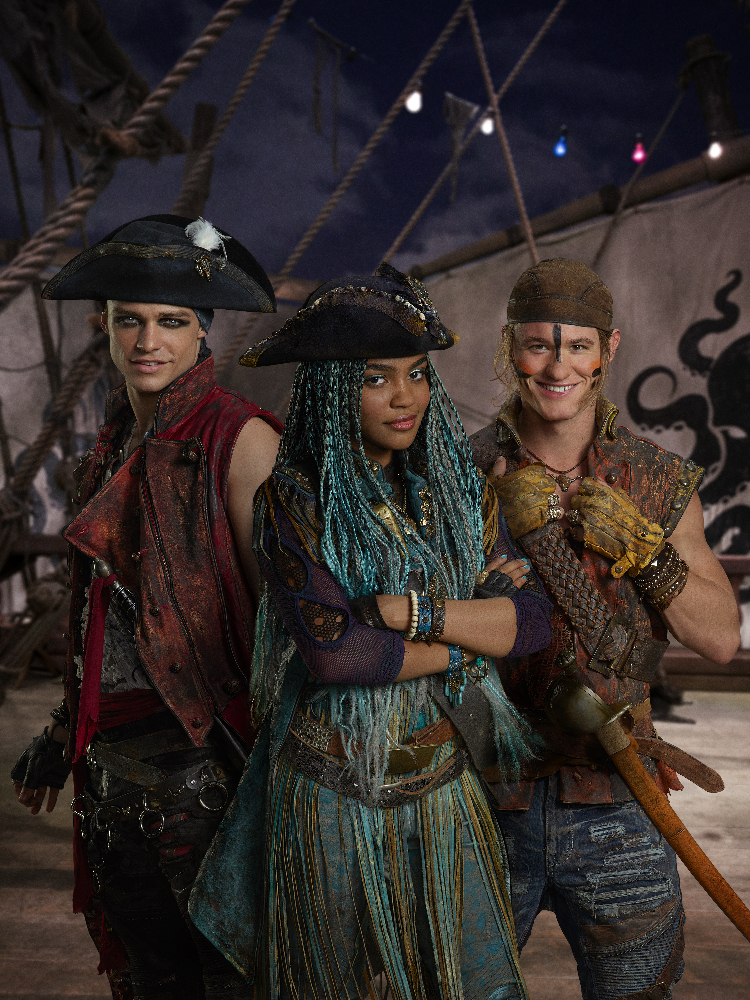
The success of Uma’s brand lies in its clarity. In branding terms, she occupies the archetype of the “Revolutionary” or the “Outlaw.” While the original protagonist, Mal, transitioned from a villain to a hero—essentially “diluting” her rebellious brand to fit a traditional protagonist mold—Uma was introduced to fill the void of high-stakes, unapologetic ambition. Her brand persona is built on the friction between her heritage (as the daughter of Ursula) and her current status (a forgotten resident of the Isle of the Lost). This creates a relatable brand narrative of the “underdog seeking recognition,” a theme that resonates deeply with the franchise’s target demographic.
Visual Identity and Costume Design
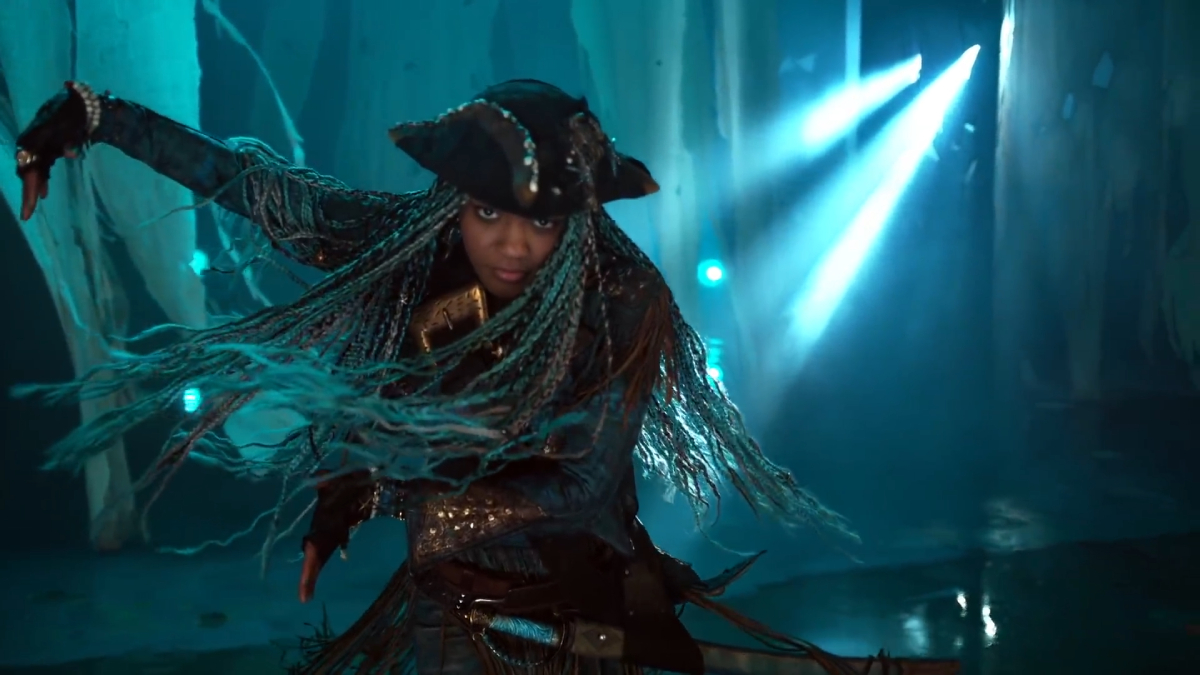
A brand’s visual identity is its first point of contact with the consumer. Uma’s aesthetic—dominated by turquoise, leather, and sea-inspired textures—was a strategic departure from the purple and green color palette associated with Mal. This visual differentiation is crucial in brand strategy to avoid internal competition. By giving Uma a distinct “logo” in the form of her pirate-inspired aesthetic and her signature braided hair, Disney ensured that her character was instantly recognizable on store shelves and in digital thumbnails. This visual cohesion is what allows a character to transition seamlessly from a screen performance to a licensed action figure.
Musical Branding as a Strategic Asset
Music is one of the most powerful tools in a brand’s arsenal. It bypasses logical filters and creates an emotional anchor. “What’s My Name” serves as a “sonic logo” for the Uma character, utilizing repetitive hooks and high-energy production to cement her identity in the minds of the audience.
The Sonic Logo: “What’s My Name” as a Hook
In marketing, a “hook” is a short, catchy element designed to grab attention and increase recall. The chorus of “What’s My Name” is effectively a brand audit in song form. By demanding that the audience—and the characters within the story—repeatedly state her name, Uma is performing a literal act of brand recognition. From a psychological perspective, this repetition reinforces brand equity. The song doesn’t just ask a question; it commands an answer, forcing the listener to participate in the affirmation of the brand’s power.
Leveraging Viral Content for Brand Awareness
The digital age has changed how brands are consumed. Disney’s strategy with “What’s My Name” leveraged the burgeoning power of YouTube and social media algorithms. By creating a high-budget, cinematic music video that could live independently of the movie, Disney created a “micro-brand” asset. This asset was shared, parodied, and covered by fans, leading to millions of organic impressions. This is the ultimate goal of “Earned Media” in brand strategy: creating a product so compelling that the consumers themselves become the marketing department.
Disney’s Multi-Generational Brand Strategy

The Descendants franchise is a prime example of “Legacy IP (Intellectual Property) Rejuvenation.” This strategy involves taking established brand assets—in this case, Disney Villains like Maleficent, Ursula, and Jafar—and reimagining them to appeal to a new generation of consumers who may find the original iterations dated.
Reimagining Legacy IP for Modern Audiences
The brilliance of the “What’s My Name” era of Descendants is how it leverages the brand equity of The Little Mermaid. By associating Uma with Ursula, Disney taps into decades of established emotional connection. However, they subvert the brand to fit modern sensibilities, moving away from the “pure evil” trope toward a more nuanced, “misunderstood rebel” narrative. This allowed the brand to capture two demographics: the children who enjoy the new content and the parents who have a nostalgic connection to the original characters.
Building the “Villain Kid” Sub-Brand
One of the most difficult feats in brand management is creating a successful sub-brand that doesn’t cannibalize the parent brand. The “VK” (Villain Kid) label became a lifestyle brand for Disney. It wasn’t just about the movies; it was about the ethos of being “rotten to the core” but with a heart of gold. This sub-brand allowed Disney to explore edgier themes, darker color palettes, and more complex musical styles (like hip-hop and rock) while still operating under the safe, corporate umbrella of Disney Channel. Uma’s introduction via “What’s My Name” was the catalyst for the brand’s evolution from a simple “hero-villain” story into a complex ensemble-driven universe.
From Screen to Market: Monetizing the Descendants Brand
A brand is only as strong as its ability to convert engagement into revenue. The “What’s My Name” campaign was the spearhead for a massive merchandising and licensing rollout that showcased the power of integrated marketing.
Licensing and Merchandising Integration
The moment “What’s My Name” became a hit, the Uma brand was everywhere. Disney’s licensing department ensured that the turquoise pirate aesthetic was translated into apparel, dolls, school supplies, and Halloween costumes. This is known as “Brand Extension.” By making the brand tangible, Disney ensured that the emotional connection established during the song could be brought into the daily lives of their consumers. The “Uma” doll became a top-seller, not just because of the movie’s plot, but because the song had successfully established the character as an aspirational figure of power and self-assurance.
Experience-Based Branding: Live Events and Social Media
In the modern economy, consumers value experiences over mere products. Disney bolstered the Descendants brand through “Experience-Based Branding.” This included live performances, “fan fests,” and interactive social media campaigns where actors stayed in character. When China Anne McClain performed “What’s My Name” at various Disney events, it wasn’t just a singer performing a song; it was a brand activation. These touchpoints create “brand loyalty” that lasts far longer than the runtime of a 90-minute television movie.
The Longevity of the “What’s My Name” Brand
The enduring popularity of “What’s My Name” years after its release speaks to the strength of its initial brand positioning. Even as the Descendants franchise moves into new iterations (such as The Rise of Red), the blueprint established by Uma remains the gold standard for how to introduce a “disruptor brand” into an existing ecosystem.
The song’s core message—asserting one’s identity and demanding recognition—is the ultimate goal of any brand. In a world crowded with noise, the ability to make the market stop and ask, “What’s my name?” is the difference between a fleeting trend and a lasting legacy. Through meticulous character development, strategic musical hooks, and a deep understanding of legacy IP, the Descendants franchise proved that branding isn’t just about selling a product; it’s about telling a story that the audience wants to see themselves in.
As we look at the future of entertainment branding, “What’s My Name” stands as a reminder that the most successful brands are those that are bold, consistent, and unafraid to challenge the status quo. Uma didn’t just join the Descendants universe; she rebranded it, proving that with the right strategy, a villain’s daughter can become a global icon.
aViewFromTheCave is a participant in the Amazon Services LLC Associates Program, an affiliate advertising program designed to provide a means for sites to earn advertising fees by advertising and linking to Amazon.com. Amazon, the Amazon logo, AmazonSupply, and the AmazonSupply logo are trademarks of Amazon.com, Inc. or its affiliates. As an Amazon Associate we earn affiliate commissions from qualifying purchases.