
Determining your interest rate is rarely as simple as looking at a single number on a screen. Whether you are applying for a mortgage, financing a vehicle, or opening a high-yield savings account, the interest rate represents the price of money. For borrowers, it is the cost of using someone else’s capital; for savers, it is the compensation for delaying consumption and lending money to a financial institution. Understanding how this rate is calculated, why it fluctuates, and how you can influence it is fundamental to achieving long-term financial health.
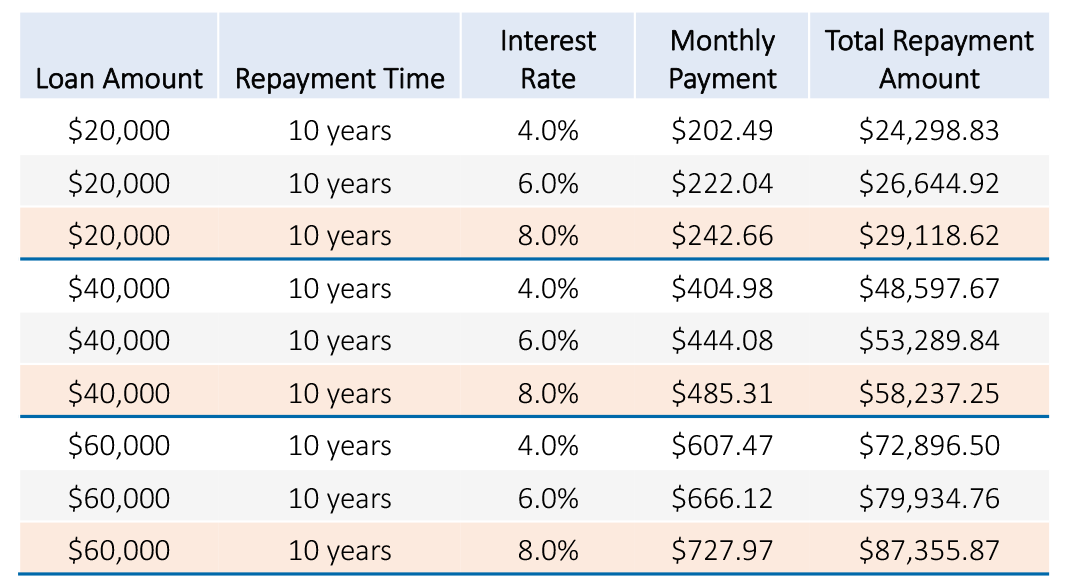
The Architecture of Interest Rates: Why Rates Differ for Everyone
When you ask, “What is my interest rate?” the answer depends on a complex interplay between macroeconomic forces and your personal financial profile. Financial institutions do not pull numbers out of thin air; they use sophisticated risk-based pricing models to determine the specific rate offered to a specific individual.
The Role of Central Banks and the Prime Rate
At the highest level, interest rates are influenced by the monetary policy of a country’s central bank, such as the Federal Reserve in the United States. When the central bank raises the federal funds rate, it becomes more expensive for banks to borrow money from one another. To maintain their profit margins, banks pass these costs on to consumers by raising the “Prime Rate”—the base interest rate that commercial banks charge their most creditworthy corporate customers. Most consumer loans, such as credit cards and home equity lines of credit (HELOCs), are pegged to the Prime Rate.
Credit Scores and Risk Assessment
While the central bank sets the floor, your personal creditworthiness determines how far above that floor your specific rate will sit. Lenders view interest as a premium for risk. If you have a high FICO score—typically 740 or above—you are perceived as a low-risk borrower, and you will be rewarded with lower interest rates. Conversely, a lower credit score signals a higher probability of default, prompting the lender to charge a higher interest rate to compensate for that risk. This “risk premium” is the primary reason why two people applying for the exact same loan at the exact same bank can walk away with vastly different interest rates.
Debt-to-Income (DTI) Ratio and Loan-to-Value (LTV)
Beyond your credit score, lenders examine your Debt-to-Income ratio. This figure represents the percentage of your gross monthly income that goes toward paying debts. A high DTI suggests you may be overextended, which can lead to a higher interest rate or an outright denial. Similarly, in the case of secured loans like mortgages or auto loans, the Loan-to-Value ratio—the amount of the loan compared to the value of the asset—plays a critical role. If you provide a larger down payment, the LTV decreases, the lender’s risk is reduced, and your interest rate usually drops.
Decoding the Different Types of Interest Rates
Not all interest rates are created equal. Depending on the financial product, the way interest is calculated and applied can vary significantly, drastically affecting the total amount you pay over the life of a loan or earn on an investment.
Fixed vs. Variable Interest Rates
A fixed interest rate remains constant throughout the entire term of the loan. This provides predictability and protects the borrower from future rate hikes. Fixed rates are the standard for 30-year mortgages and most personal loans.
Variable (or floating) interest rates, on the other hand, are tied to an index like the Prime Rate or the Secured Overnight Financing Rate (SOFR). These rates can change periodically. While variable rates often start lower than fixed rates, they carry the risk of increasing over time. This makes them common in products like credit cards, adjustable-rate mortgages (ARMs), and certain student loans.
APR vs. APY: Knowing the Difference
One of the most common points of confusion is the difference between the Annual Percentage Rate (APR) and the Annual Percentage Yield (APY).
-
APR (Annual Percentage Rate): This is the standard way to express the cost of borrowing. It includes the interest rate plus any additional fees or costs associated with the loan (such as origination fees or points). When comparing loan offers, the APR is the most accurate metric because it reflects the true “all-in” cost.
-
APY (Annual Percentage Yield): This is used for savings accounts and certificates of deposit (CDs). Unlike APR, APY accounts for the effect of compounding—the process where you earn interest on your interest. Because of compounding, the APY will always be slightly higher than the nominal interest rate.
Simple Interest vs. Compound Interest
Simple interest is calculated only on the principal amount of the loan. Compound interest, however, is calculated on the principal plus any accumulated interest from previous periods. Most modern consumer debt, especially credit cards, utilizes compound interest, which can lead to debt spiraling out of control if only minimum payments are made. Understanding the frequency of compounding—whether it is daily, monthly, or annually—is essential to calculating your true cost of capital.
How Interest Rates Manifest Across Financial Products

The answer to “What’s my interest rate?” varies depending on the purpose of the money. Different markets operate under different rules and competitive pressures.
Mortgages and the Housing Market
In the mortgage industry, interest rates are heavily influenced by the yield on the 10-Year Treasury Note. Because mortgages are long-term commitments, lenders look to the bond market to determine the appropriate pricing. In addition to your credit score, mortgage rates are influenced by the type of property (primary residence vs. investment property) and the term length (15-year vs. 30-year). Generally, shorter-term loans carry lower interest rates but higher monthly payments.
Credit Cards and Revolving Debt
Credit cards typically carry some of the highest interest rates in the consumer market because they are “unsecured” debt—there is no collateral for the bank to seize if you stop paying. These rates are almost always variable. For many consumers, the interest rate on a credit card is irrelevant if they pay their balance in full every month. However, for those carrying a balance, a rate of 20% or 24% can make it nearly impossible to reduce the principal balance.
Auto Loans and Personal Loans
Auto loan rates are often lower than personal loan rates because the vehicle serves as collateral. Manufacturers also frequently offer “subsidized” interest rates (such as 0% or 1.9% APR) as an incentive to move inventory. Personal loans are more flexible but, because they are usually unsecured, rely heavily on your personal credit history and income stability.
Strategic Moves to Lower Your Borrowing Costs
You are not necessarily stuck with the interest rate you are initially offered. There are several proactive steps you can take to move the needle in your favor.
Improving Your Credit Profile
Since the risk premium is the largest variable you can control, improving your credit score is the most effective way to lower your interest rate. This involves paying all bills on time, keeping your credit utilization ratio below 30%, and avoiding new credit inquiries in the months leading up to a major loan application. Even a 50-point increase in a credit score can save a homeowner tens of thousands of dollars in interest over the life of a mortgage.
Shopping Around and Negotiation
Interest rates are competitive products. Different banks have different “appetites” for risk at different times. Online lenders, credit unions, and traditional banks all use different internal metrics. By obtaining multiple quotes (Pre-Approvals) within a short window—usually 14 to 45 days—you can compare offers without hurting your credit score. Use these offers as leverage to negotiate a better rate with your preferred institution.
Refinancing and Consolidation
If market interest rates have dropped since you took out a loan, or if your credit score has improved significantly, refinancing may be an option. This involves taking out a new loan at a lower interest rate to pay off the old one. Similarly, debt consolidation allows you to move high-interest debt (like credit card balances) into a single, lower-interest personal loan, reducing the total interest paid and simplifying your monthly obligations.
The Upside: Interest Rates as a Tool for Wealth Building
While high interest rates are a burden for borrowers, they are a boon for savers and investors. When interest rates rise, the landscape for passive income changes.
High-Yield Savings and Certificates of Deposit
In a low-rate environment, traditional savings accounts often offer negligible returns. However, as the central bank raises rates, “High-Yield” savings accounts and CDs become much more attractive. These vehicles allow you to earn a guaranteed return on your cash with zero risk of principal loss, provided the bank is FDIC-insured. Savvy investors often use “CD Ladders” to take advantage of rising rates while maintaining liquidity.
The Relationship Between Rates and Bonds
The bond market has an inverse relationship with interest rates. When interest rates rise, the price of existing bonds falls because new bonds are being issued at higher, more attractive rates. Understanding this dynamic is crucial for portfolio rebalancing. If you anticipate that interest rates will rise, you might shift toward shorter-duration bonds to minimize price volatility.

Impact on the Broader Economy and Investments
Interest rates influence the entire economic cycle. High rates tend to cool inflation and slow down corporate borrowing, which can lead to lower stock market valuations in the short term. Low rates encourage expansion, borrowing, and spending, often driving up the prices of assets like real estate and equities. By keeping an eye on interest rate trends, you can better position your investment portfolio to weather different phases of the economic cycle.
Ultimately, your interest rate is a reflection of the current economic climate paired with your personal financial reputation. By monitoring your credit, understanding the difference between various rate types, and shopping strategically, you can ensure that you are always paying the least amount possible to borrow and earning the most amount possible on your hard-earned savings. In the world of personal finance, the interest rate is the lever that can either accelerate your path to wealth or act as a persistent drag on your progress. Knowing how to pull that lever is the key to financial mastery.
aViewFromTheCave is a participant in the Amazon Services LLC Associates Program, an affiliate advertising program designed to provide a means for sites to earn advertising fees by advertising and linking to Amazon.com. Amazon, the Amazon logo, AmazonSupply, and the AmazonSupply logo are trademarks of Amazon.com, Inc. or its affiliates. As an Amazon Associate we earn affiliate commissions from qualifying purchases.