
Understanding the true market value of your existing vehicle, particularly when considering a trade-in, is a cornerstone of responsible personal finance. For many, a car represents one of the largest depreciating assets they own, and making an informed decision about its trade-in value can significantly impact the overall cost of their next vehicle purchase. It’s not just about a number; it’s about optimizing a substantial financial transaction, ensuring you don’t leave money on the table, and setting a robust foundation for your next automotive investment. This article delves into the financial intricacies of car valuation, providing insights and strategies to help you accurately assess your car’s worth and negotiate from a position of strength.
Understanding the Core Determinants of Trade-In Value
The value a dealership places on your car isn’t arbitrary; it’s a complex calculation influenced by a multitude of factors, all rooted in the principles of supply, demand, depreciation, and potential re-sale profitability. To truly understand “what’s my car worth trade in,” you must first grasp these foundational elements.
Age and Mileage: The Time and Travel Equation
The most obvious financial indicators impacting a vehicle’s value are its age and accumulated mileage. As soon as a new car is driven off the lot, it begins a steep depreciation curve. This initial drop typically accounts for 10-20% in the first year alone, followed by further declines of 15-20% annually for the next few years. Mileage is closely intertwined with age; higher mileage for a given age often signals more wear and tear and potentially higher future maintenance costs, both of which erode value. Dealerships view older, higher-mileage vehicles as having a shorter lifespan on their lot and higher reconditioning costs, directly translating to a lower trade-in offer. It’s a classic example of an asset’s utility and perceived remaining life directly influencing its market price.
Condition: Interior, Exterior, and Mechanical Health
Beyond age and mileage, the physical and mechanical condition of your car plays a pivotal role in its trade-in appraisal. A vehicle in excellent condition, both cosmetically and mechanically, will naturally command a higher price. This includes an immaculate interior free from excessive wear, tears, or stains; a pristine exterior devoid of major dents, scratches, or rust; and a robust mechanical state, evidenced by a smooth-running engine, responsive brakes, and no dashboard warning lights. Dealerships assess the cost of reconditioning (cleaning, minor repairs, detailing, basic maintenance) that would be necessary before they can resell the car. Every dollar they have to spend on reconditioning comes directly out of your trade-in offer. Therefore, even minor dings or overdue maintenance can significantly depress your car’s financial worth in their eyes.
Make, Model, and Trim: Market Demand and Reliability Factors
Not all cars depreciate equally, nor are all equally desirable in the used car market. The specific make and model of your vehicle, along with its trim level and optional features, heavily influence its trade-in value. Brands known for reliability (e.g., Toyota, Honda) or strong resale value often hold their worth better. Popular models that are in high demand, particularly in specific local markets, will also fetch a better price. Conversely, niche vehicles, those with poor reliability reputations, or models that have undergone significant redesigns (making older generations seem dated) may see their values diminish more quickly. Trim levels also matter; a top-tier trim with desirable features will typically retain a higher percentage of its original value than a base model, reflecting the continued demand for premium specifications.
Features and Upgrades: The Value of Extras
While aftermarket modifications can sometimes detract from value if they are highly personalized or poorly installed, factory-installed features and desirable upgrades can bolster your trade-in offer. Think about popular technology packages (navigation, advanced infotainment), advanced safety features (blind-spot monitoring, adaptive cruise control), premium sound systems, or luxury seating materials. These features often make a car more attractive to potential buyers, and dealers are willing to pay a bit more for them, as they can translate into a quicker sale and a higher retail price on their lot. However, it’s crucial to understand that features rarely add their full original cost back to the car’s value; their worth depreciates just like the rest of the vehicle.
Vehicle History: Accidents, Maintenance, and Ownership
A clean vehicle history report (e.g., CARFAX, AutoCheck) is a significant financial asset. Records indicating accidents, flood damage, salvage titles, or inconsistent maintenance can severely devalue a car. Even minor accidents, if reported, can signal potential hidden issues and raise red flags for dealers. Conversely, a detailed history showing consistent maintenance, regular oil changes, and service performed at authorized dealerships can instill confidence and positively impact your trade-in value. A car with a single owner is also often perceived as more valuable, as it suggests a consistent care routine compared to multiple owners whose maintenance habits might be less predictable.
Leveraging Financial Tools and Data for Accurate Valuation
In today’s digital age, obtaining an estimate for your car’s value is easier than ever, thanks to a proliferation of online tools and valuation services. However, understanding the nuances and limitations of each is crucial for an accurate financial assessment.
Online Valuation Tools: Kelley Blue Book, Edmunds, NADAguides
These platforms are the gold standard for preliminary car valuations. Kelley Blue Book (KBB), Edmunds, and NADAguides (now J.D. Power Valuation Services) gather vast amounts of transactional data, adjust for market conditions, and apply algorithms to estimate your car’s worth. They typically offer ranges for trade-in, private party, and retail values.
- Kelley Blue Book (KBB): Widely recognized, KBB provides multiple values based on condition and sales type (trade-in, private party, retail). It’s an excellent starting point for understanding a broad range.
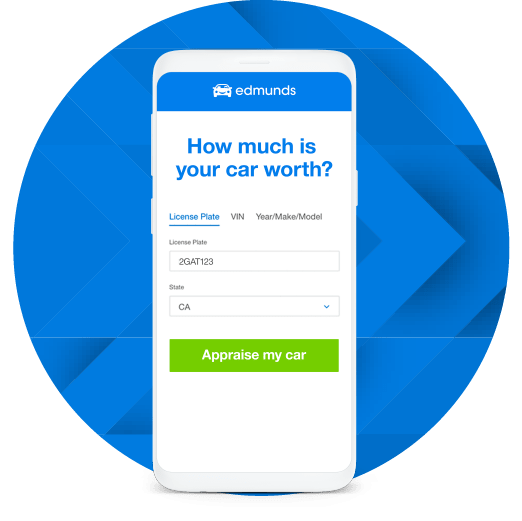
- Edmunds: Known for its “True Market Value” (TMV) pricing, Edmunds aims to show what consumers are actually paying or receiving for vehicles in their local market, offering a real-world perspective.
- NADAguides (J.D. Power Valuation Services): Often used by financial institutions and dealerships, NADAguides provides values that can sometimes be slightly higher than KBB or Edmunds, particularly for luxury vehicles, as it historically focused on what dealers pay for cars rather than private party sales.
While these tools are invaluable, remember they are estimates. Inputting accurate information about your car’s condition, features, and mileage is paramount for generating a realistic financial projection. Use multiple sources to cross-reference and get a more robust picture of your car’s potential value.
Dealership Appraisals: Professional Opinions with a Catch
Visiting several dealerships for trade-in appraisals is a critical step in understanding the dealer’s financial perspective. While online tools provide general benchmarks, a physical appraisal takes into account the specific vehicle’s condition, the dealer’s current inventory needs, their local market demand, and their reconditioning costs. However, be aware that a dealership’s trade-in offer will almost always be lower than the private party sale value. This is because they need to factor in their overhead, reconditioning expenses, marketing costs, and a profit margin when they resell the vehicle. Their offer is a “wholesale” price that allows them to make a “retail” profit. It’s essential to understand this financial model to avoid feeling shortchanged.
Private Sale vs. Trade-In Value: A Financial Comparison
This is a fundamental financial decision. Selling your car privately almost invariably yields a higher monetary return than trading it in. Why? Because you cut out the middleman (the dealership) and capture the “retail” profit yourself. You can typically expect to get 10-20% more for your car through a private sale. However, this higher financial return comes at the cost of convenience. A private sale requires time, effort, advertising, negotiating with strangers, and handling paperwork. A trade-in, while offering less money, provides unparalleled convenience: a quick transaction, no haggling with individual buyers, and the potential for a sales tax credit (where applicable), which effectively boosts your trade-in’s financial worth. Weighing the potential profit against the time and hassle is a crucial personal finance calculation.
Strategies to Maximize Your Trade-In Value
Once you understand the factors influencing your car’s financial worth, proactive steps can significantly enhance your trade-in offer. These strategies focus on presenting your vehicle in the best possible light and negotiating effectively.

Pre-Sale Preparation: Cleaning, Minor Repairs, and Maintenance
Before a dealership appraisal, invest a little time and money into preparing your car. A thorough cleaning and detailing, both interior and exterior, can make a significant difference. A clean car signals to the appraiser that you’ve cared for it, potentially leading to a better offer. Address minor cosmetic issues like small scratches, paint chips, or headlight hazing. Consider replacing worn-out floor mats, air fresheners, or burnt-out bulbs. Crucially, ensure all routine maintenance is up to date. While major repairs like engine overhauls are rarely worth the investment for a trade-in, addressing smaller, obvious issues (e.g., replacing worn wiper blades, ensuring all fluids are topped off, fixing a dashboard warning light for a minor issue) can prevent the dealer from deducting more from your offer than the actual repair cost. It’s a cost-benefit analysis: fix what’s cheap and obvious, but don’t overspend on significant repairs unless they make the car undriveable.
Organizing Documentation: Service Records and Title
Proof of consistent maintenance and clear ownership can add tangible value. Gather all your service records, maintenance receipts, and vehicle history reports. A well-organized binder showing diligent care can instill confidence in the dealer, suggesting fewer potential hidden problems. Ensure your vehicle’s title is clear and readily available. If you still owe money on the car, know your payoff amount. Having all documentation prepared streamlines the appraisal process and positions you as a responsible owner, which can translate into a slightly better financial offer.
Understanding Market Timing: When to Sell
The time of year can subtly impact your car’s trade-in value due to market demand. For instance, convertibles and sports cars might fetch a higher price in spring, while SUVs and AWD vehicles could see increased demand in fall and winter. Additionally, consider the release cycle of new models. When a new model year is released, the value of the previous year’s models typically takes a hit. If you’re trading in a car that’s about to be significantly updated, doing so before the new model hits showrooms might secure a slightly better financial return. Staying informed about industry trends can be a small but effective financial strategy.
Negotiation Tactics: Securing the Best Financial Outcome
Never accept the first trade-in offer. Negotiation is key. A common dealer tactic is to roll the trade-in value into the new car’s price negotiation, making it difficult to discern a fair deal for either. Insist on negotiating the price of the new vehicle separately from your trade-in value. Once you’ve agreed on a fair price for the new car, then discuss your trade-in. This financial separation allows you to leverage your research and comparison quotes effectively. Get appraisals from multiple dealerships, even if you don’t intend to buy from them. Use these competing offers as leverage during negotiations. Be firm but polite, and be prepared to walk away if the offer is not financially satisfactory.
The Financial Implications of Trading In vs. Selling Privately
The choice between trading in your car and selling it privately extends beyond mere convenience versus profit; it carries distinct financial implications that warrant careful consideration.
Tax Benefits of Trading In
One significant, often overlooked financial advantage of trading in your vehicle, depending on your state’s laws, is the sales tax credit. In many states, when you trade in a car, the value of your trade-in is deducted from the sales price of the new vehicle before sales tax is calculated. For example, if you buy a $30,000 car and trade in your old car for $10,000, you only pay sales tax on the $20,000 difference. If your state has a 7% sales tax, this translates to a savings of $700 ($10,000 * 0.07). This tax saving effectively increases the financial value of your trade-in, narrowing the gap between a private sale and a trade-in offer. Always research your local tax laws to understand this potential financial boost.
Convenience vs. Profitability: A Cost-Benefit Analysis
As mentioned, selling privately typically yields a higher cash sum. However, this financial gain must be weighed against the “costs” of a private sale: the time spent advertising, screening buyers, scheduling test drives, negotiating, and handling the transfer of title and funds. These hidden costs – your time, potential stress, and the risk of dealing with unscrupulous buyers – are real factors in a comprehensive financial analysis. For many, the convenience of a trade-in, despite the lower offer, is worth the sacrifice in potential profit. It’s a personal financial decision that balances monetary gain with peace of mind and time efficiency.
Managing Outstanding Loans: Financial Considerations
If you have an outstanding loan on your current vehicle, trading it in can simplify the process of settling that debt. The dealership handles the payoff directly. However, if your car is “underwater” (you owe more than its trade-in value, also known as negative equity), this becomes a critical financial consideration. The negative equity will typically be rolled into your new car loan, increasing its principal and extending its repayment period, which costs you more in interest over time. This is a financially risky move and should be carefully considered. It’s almost always financially smarter to pay down the negative equity yourself before trading in, or sell the car privately if you can cover the difference, rather than compounding your debt.
Beyond the Numbers: Long-Term Financial Planning
Understanding your car’s trade-in value is not just about the immediate transaction; it’s an integral part of broader personal finance and asset management.
Future Depreciation: A Continual Financial Factor
Every vehicle you own will continue to depreciate. Recognizing this ongoing financial reality helps in future planning. When you purchase your next vehicle, consider models with a strong track record of resale value if minimizing future depreciation is a priority. Factor in the long-term cost of ownership, including insurance, maintenance, and fuel, in addition to the purchase price. Viewing a car not just as transportation but as a depreciating asset within your financial portfolio can guide smarter purchasing and selling decisions.
Budgeting for Your Next Vehicle: A Holistic Financial Approach
The trade-in value you receive directly impacts the down payment you have for your next car, thereby influencing the size of your new loan and monthly payments. A higher trade-in value means less money borrowed, lower interest paid over the life of the loan, and potentially a more affordable car overall. Therefore, maximizing your current car’s trade-in value is a crucial step in budgeting for your next vehicle. Always assess your total cost of ownership for any prospective purchase, ensuring it aligns with your overall financial goals and capabilities.
The Role of Trade-In in Your Overall Financial Portfolio
While a car is not typically considered an investment that appreciates, it is a significant asset. How you manage its acquisition and disposition, including trade-ins, reflects your broader financial acumen. Making informed decisions about your car’s value, negotiating effectively, and understanding the financial implications of your choices contribute to sound financial health. It demonstrates an ability to manage assets, mitigate debt, and make cost-effective consumer choices, all of which are hallmarks of a well-managed personal financial portfolio.

Conclusion
Determining “what’s my car worth trade in” is more than a simple query; it’s a multi-faceted financial investigation. By understanding the key determinants of value, leveraging available financial tools, strategically preparing your vehicle, and employing smart negotiation tactics, you can significantly influence the monetary outcome. Whether you ultimately choose the convenience of a trade-in or the higher financial return of a private sale, making an informed decision rooted in a thorough understanding of your vehicle’s value is paramount. This diligence not only maximizes your current transaction but also lays a stronger financial foundation for your future automotive endeavors, ensuring you get the most financial benefit from one of your most significant personal assets.
aViewFromTheCave is a participant in the Amazon Services LLC Associates Program, an affiliate advertising program designed to provide a means for sites to earn advertising fees by advertising and linking to Amazon.com. Amazon, the Amazon logo, AmazonSupply, and the AmazonSupply logo are trademarks of Amazon.com, Inc. or its affiliates. As an Amazon Associate we earn affiliate commissions from qualifying purchases.