
In an increasingly health-conscious world, the question “what’s my calorie intake?” has evolved from a simple curiosity into a foundational element of personal wellness and fitness strategies. For decades, determining one’s caloric needs and tracking consumption was a tedious, often inaccurate, manual process. Today, however, the digital age has ushered in a revolution, transforming how we understand, measure, and manage our dietary energy. Technology has become an indispensable partner in demystifying nutrition, offering unprecedented precision, personalization, and convenience in our quest for optimal health. From sophisticated mobile applications to advanced wearable devices and AI-driven insights, the tools at our disposal are not just calculators but comprehensive ecosystems designed to empower individuals with actionable data about their bodies and the fuel they consume. This article delves into the technological landscape that helps us answer that critical question, exploring the innovations making precision nutrition accessible to everyone.
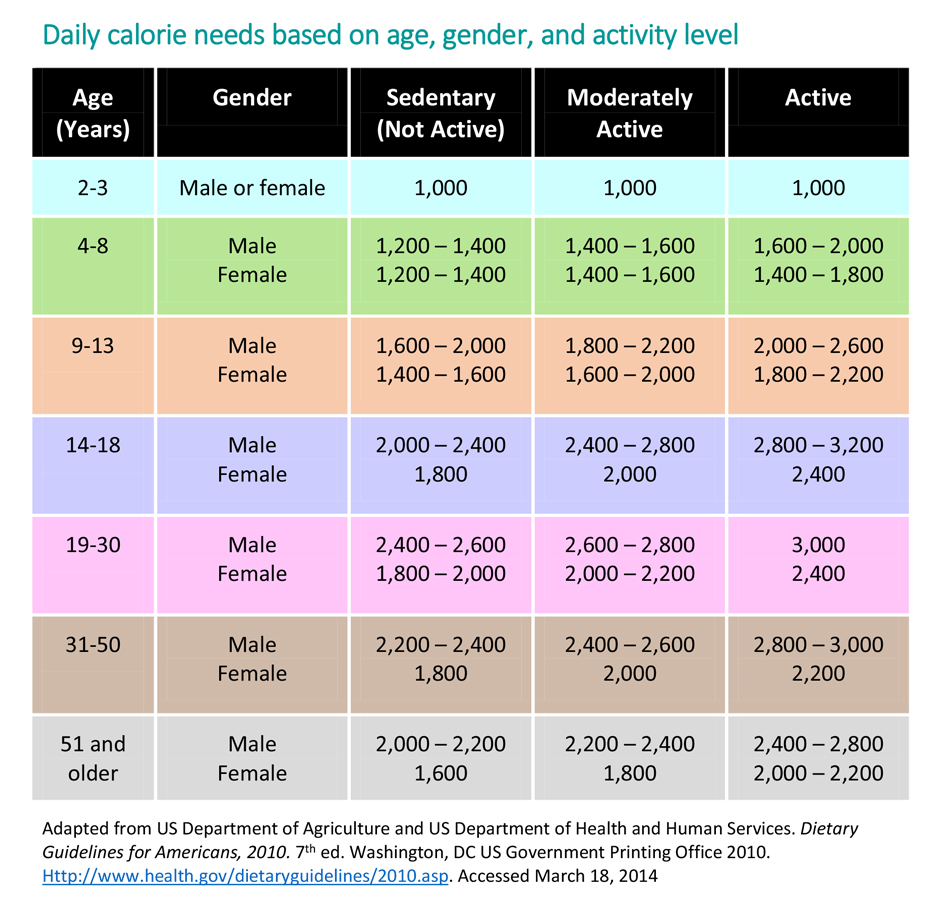
The Digital Revolution in Nutritional Tracking
The journey from rudimentary food diaries to sophisticated digital platforms marks a profound shift in how we approach nutritional accountability. Understanding one’s calorie intake is no longer a guessing game; it’s a data-driven science, accessible at our fingertips.
From Manual Logs to Smart Algorithms
Historically, tracking calorie intake involved meticulously weighing food portions, consulting dense nutritional tables, and manually recording every bite. This method was not only time-consuming but also highly susceptible to human error and inconsistency. The advent of digital technology began to streamline this process, first with basic online databases and then rapidly progressing to intelligent applications. Modern calorie tracking apps now leverage vast, crowdsourced, and verified food databases, often containing millions of entries, complete with macronutrient breakdowns, micronutrient information, and even preparation methods. These platforms employ sophisticated algorithms that can extrapolate nutritional data from barcode scans, photo recognition, and even natural language processing of food descriptions. This automation dramatically reduces the friction associated with tracking, making it a sustainable habit rather than an arduous chore. The transition has made nutritional science far more democratic, putting powerful analytical tools into the hands of everyday users.
The Fundamental Role of Basal Metabolic Rate (BMR) & Total Daily Energy Expenditure (TDEE) in Tech
At the core of any personalized calorie recommendation lies the understanding of an individual’s Basal Metabolic Rate (BMR) and Total Daily Energy Expenditure (TDEE). BMR represents the number of calories your body burns at rest to maintain basic physiological functions—breathing, circulation, cell production. TDEE, on the other hand, accounts for BMR plus the calories expended through physical activity and the thermic effect of food (the energy required to digest food). Technology plays a crucial role in estimating these vital metrics. Most digital calorie calculators and apps ask for basic demographic information (age, sex, height, weight) and activity levels to compute BMR using established formulas like the Mifflin-St Jeor or Harris-Benedict equations. They then multiply the BMR by an activity factor to estimate TDEE, providing a target calorie intake for weight maintenance, loss, or gain. Advanced wearables and apps can further refine TDEE estimations by continuously monitoring heart rate, movement patterns, and other physiological signals throughout the day, offering a dynamic and more accurate picture of energy expenditure than static questionnaires alone. This foundational integration of BMR and TDEE calculation is what transforms a simple food log into a powerful, goal-oriented nutritional tool.
Accuracy vs. Accessibility: The Trade-Offs of Digital Tools
While digital tools have made calorie tracking incredibly accessible, it’s crucial to acknowledge the inherent trade-offs between ease of use and absolute precision. The accuracy of calorie intake estimations in apps relies heavily on two primary factors: the quality of the food database and the accuracy of user input. Food databases, while extensive, can sometimes contain inaccuracies or lack specific brand-name items. Generic entries might not perfectly reflect the nutritional content of a particular dish or ingredient. More significantly, user input remains the weakest link. Estimating portion sizes visually is notoriously difficult, and under-reporting or mis-logging foods is common. Furthermore, the algorithms for estimating TDEE, especially those based solely on reported activity levels, can sometimes over or underestimate actual energy expenditure. Wearable devices, while more dynamic, also have varying degrees of accuracy in calorie burn estimation, particularly for non-step-based activities or individuals with unique physiologies. The accessibility of these tools means that a broad audience can engage with nutrition, but users must cultivate a critical eye and strive for diligent logging to maximize the accuracy of the insights they receive. The ideal scenario involves a balanced approach, where technology provides the framework, and conscious user effort fills in the details.
Essential Tech Tools for Calorie Calculation and Management
The market is flooded with innovative technological solutions designed to assist individuals in answering “what’s my calorie intake?” and subsequently managing it. These tools range from ubiquitous mobile apps to sophisticated smart devices, each contributing a unique dimension to precision nutrition.
Mobile Applications: Your Pocket Nutritionist
Mobile applications stand at the forefront of personal calorie management. Apps like MyFitnessPal, Cronometer, Lose It!, and Fooducate have become household names, transforming smartphones into personal nutritionists. Their core functionality revolves around extensive food databases, allowing users to log meals by searching for items, scanning barcodes, or even using AI-powered photo recognition. These apps automatically calculate and display total calories consumed, along with macronutrient breakdowns (proteins, fats, carbs) and often micronutrients. Beyond simple tracking, they offer features such as goal setting (weight loss, gain, maintenance), progress tracking with visual charts, recipe builders, and community support forums. Some even integrate with popular restaurant menus, simplifying tracking when dining out. Their strength lies in their convenience and the sheer volume of data they can process and present in an understandable format, making daily dietary management a significantly less daunting task.
Wearable Devices: Integrating Activity with Intake
Wearable technology has seamlessly integrated into our daily lives, and its role in calorie management is increasingly significant. Smartwatches (e.g., Apple Watch, Garmin) and fitness trackers (e.g., Fitbit, Whoop) continuously monitor various physiological parameters, including heart rate, steps taken, sleep patterns, and estimated calorie expenditure during activities. When synced with calorie-tracking apps, these devices provide a more comprehensive picture of an individual’s energy balance. By dynamically adjusting estimated TDEE based on real-time activity data, wearables help to refine calorie goals, offering a more personalized and responsive approach to nutrition. For instance, a particularly active day might see an upward adjustment in recommended intake, while a sedentary day might prompt a downward revision, helping users maintain their goals more effectively. The synergy between what you eat (tracked by apps) and how much you move (tracked by wearables) is critical for holistic energy management.
Smart Kitchen Gadgets: Elevating Home Cooking Accuracy
The kitchen, the very source of our calorie intake, is also becoming increasingly smart. Connected kitchen gadgets are emerging to enhance the accuracy of home cooking and portion control. Smart food scales, for example, can not only weigh ingredients but also integrate with apps to instantly log the nutritional data of those ingredients into your daily tracker. Some scales can even identify specific foods and provide their nutritional values. Other innovations include smart blenders with built-in scales and pre-programmed recipes that guide users to precise ingredient measurements. Food scanners, still nascent but rapidly developing, promise to identify foods and estimate their nutritional content by simply pointing a device at them. While not yet mainstream, these tools represent the next frontier in minimizing measurement errors and automating the most foundational aspect of calorie tracking: the precise quantification of what goes into our meals.
AI and Machine Learning: The Future of Personalized Dietary Insights
Artificial Intelligence (AI) and Machine Learning (ML) are rapidly transforming calorie management from reactive tracking to proactive guidance. Beyond simply calculating intake, AI algorithms can analyze vast amounts of user data—logging history, activity levels, weight fluctuations, and even reported mood or energy levels—to identify patterns, predict outcomes, and offer highly personalized recommendations. For instance, AI can learn an individual’s food preferences and dietary restrictions to generate dynamic meal plans that fit their calorie and macronutrient goals. It can pinpoint specific dietary trends that might be hindering progress or contributing to nutrient deficiencies. The future holds the promise of AI agents that can adapt meal suggestions in real-time based on upcoming activity levels, current hunger cues, or even fluctuations in blood sugar if integrated with continuous glucose monitors. This shift towards predictive analytics and truly individualized dietary advice represents the pinnacle of technological application in nutrition.
Beyond Raw Numbers: The Power of Data Analytics and Personalization
While “what’s my calorie intake?” is a quantitative question, the true power of technology lies in its ability to transform raw data into actionable insights, moving beyond simple numbers to foster deeper understanding and personalization.
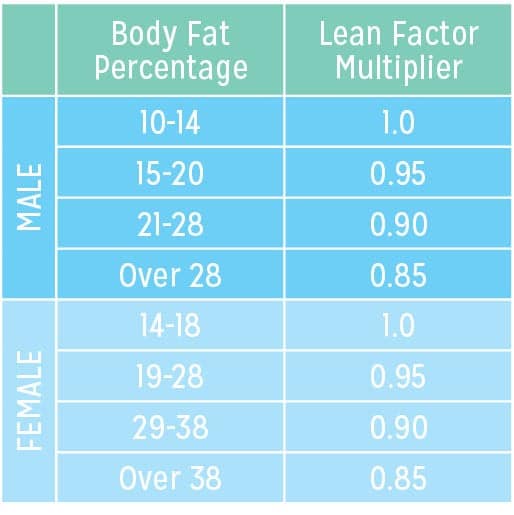
Trend Analysis and Goal Setting
One of the most valuable aspects of digital calorie tracking is the ability to visualize long-term trends. Instead of isolated daily numbers, apps compile weeks and months of data, presenting them in intuitive graphs and charts. Users can observe average daily intake, macronutrient ratios over time, and correlate these with weight changes or activity levels. This trend analysis helps identify sustainable habits and areas for improvement far more effectively than single-day snapshots. Furthermore, these platforms facilitate dynamic goal setting. Whether it’s a target weight, a specific macronutrient split for muscle gain, or reducing sugar intake, technology allows users to set these goals and then visually track their progress against them. The immediate feedback and graphical representation of success (or areas needing adjustment) serve as powerful motivators and educational tools.
Identifying Dietary Patterns and Nutritional Gaps
Beyond simply counting calories, digital trackers excel at revealing deeper dietary patterns. By consistently logging food, users can begin to identify common habits—both good and bad. Are certain times of the day associated with higher calorie consumption? Are there specific food groups consistently under-represented? Do weekend eating habits derail weekly progress? The analytical capabilities of these apps can highlight these patterns, often revealing unconscious behaviors that impact overall health. More advanced features can also analyze micronutrient intake, flagging potential deficiencies in vitamins or minerals. This goes beyond the surface-level calorie count, offering a holistic view of nutritional adequacy and empowering users to make more informed choices about the quality, not just the quantity, of their food.
Integration Ecosystems: Connecting Health Data Sources
The true power of modern health technology emerges when various data sources can communicate and integrate. Many calorie-tracking apps are designed to be part of a larger health ecosystem. They seamlessly sync with wearable devices to import activity data, allowing for a more accurate TDEE calculation. They can often connect with smart scales, automatically logging weight and body composition changes. Some even integrate with electronic health records or glucose monitors, painting an even more comprehensive picture of an individual’s health status. This interconnectedness means that a single platform can become a central hub for all personal health data, offering insights derived from the interplay of diet, exercise, sleep, and physiological markers. This holistic data integration is crucial for truly personalized and effective health management, enabling a level of self-awareness previously unattainable.
Navigating Challenges and Ensuring Data Security
While technology offers immense advantages in calorie management, its implementation is not without challenges. Addressing these ensures that the benefits outweigh potential drawbacks, particularly concerning data integrity and user privacy.
Data Entry Overload and User Compliance
One of the persistent challenges with tech-driven calorie tracking is the burden of consistent data entry. While apps have made logging easier, it still requires diligent effort from the user. Fatigue from logging every meal, snack, and drink can lead to user burnout and eventual abandonment of the tool. The accuracy of the data is directly proportional to user compliance. If logging becomes sporadic or incomplete, the insights generated by the technology lose their reliability. Developers are constantly working on solutions to minimize this friction, such as improved AI for food recognition, voice logging, and even passive monitoring (though this raises other concerns). However, a fundamental level of user commitment remains essential for the technology to be effective.
The Peril of Inaccurate Data: Garbage In, Garbage Out
The principle of “garbage in, garbage out” is acutely relevant to calorie tracking technology. If users input incorrect portion sizes, select the wrong food items from a database, or fail to account for cooking oils and condiments, the resulting calorie and macronutrient calculations will be flawed. This can lead to frustration when expected results (e.g., weight loss) don’t materialize, or worse, promote unhealthy dietary habits based on erroneous data. The technology itself can only process the information it receives. Therefore, user education on accurate food measurement, label reading, and diligent logging practices is paramount. While AI is improving, human vigilance is still the ultimate arbiter of data quality in personal nutrition tracking.
Privacy Concerns and Data Protection
As with any platform that collects sensitive personal health information, privacy and data security are critical concerns. Calorie tracking apps and integrated health ecosystems collect highly personal data—not just what you eat, but also your weight, activity levels, medical conditions, and potentially location data. Users must be aware of how their data is stored, shared, and utilized by these platforms. Reputable companies adhere to strict data protection regulations (like GDPR or HIPAA where applicable) and provide transparent privacy policies. However, the sheer volume and sensitivity of the data make it an attractive target for breaches or misuse. Users should proactively review privacy settings, understand terms of service, and choose platforms with a strong track record of data security. The balance between leveraging data for personalized insights and safeguarding individual privacy is an ongoing challenge that technology providers must continually address.
The Future Landscape: Hyper-Personalized Nutrition and Predictive Health
The evolution of technology in answering “what’s my calorie intake?” is far from complete. The horizon promises even more sophisticated, individualized, and proactive solutions that will further revolutionize personal nutrition.
Genetic and Microbiome-Based Dietary Recommendations
The next frontier in personalized nutrition lies in understanding our unique biological make-up. Advances in genomics and microbiome research are paving the way for dietary recommendations tailored to an individual’s DNA and gut bacteria. Technology will enable analysis of genetic predispositions (e.g., for certain nutrient deficiencies or sensitivities) and the composition of the gut microbiome, which plays a crucial role in nutrient absorption, metabolism, and even mood. Future apps might integrate data from personal genetic tests and stool samples to provide hyper-personalized calorie and macronutrient targets, recommending specific foods or supplements that align with an individual’s unique biological blueprint. This move from population-level dietary advice to individual-level precision represents a profound leap in nutritional science, powered by advanced biological data analysis and AI.
Augmented Reality for Food Recognition and Calorie Estimation
Imagine simply pointing your smartphone camera at a plate of food, and an augmented reality (AR) overlay instantly identifies the items, estimates portion sizes, and calculates calories and macronutrients. This technology, currently in development, could drastically reduce the data entry burden, making calorie tracking almost effortless. By combining advanced image recognition with sophisticated AI models trained on vast food datasets, AR could provide real-time nutritional feedback, transforming the way we interact with our meals. This would not only enhance accuracy by eliminating subjective portion estimation but also make the process incredibly engaging and intuitive, further lowering the barrier to consistent tracking.
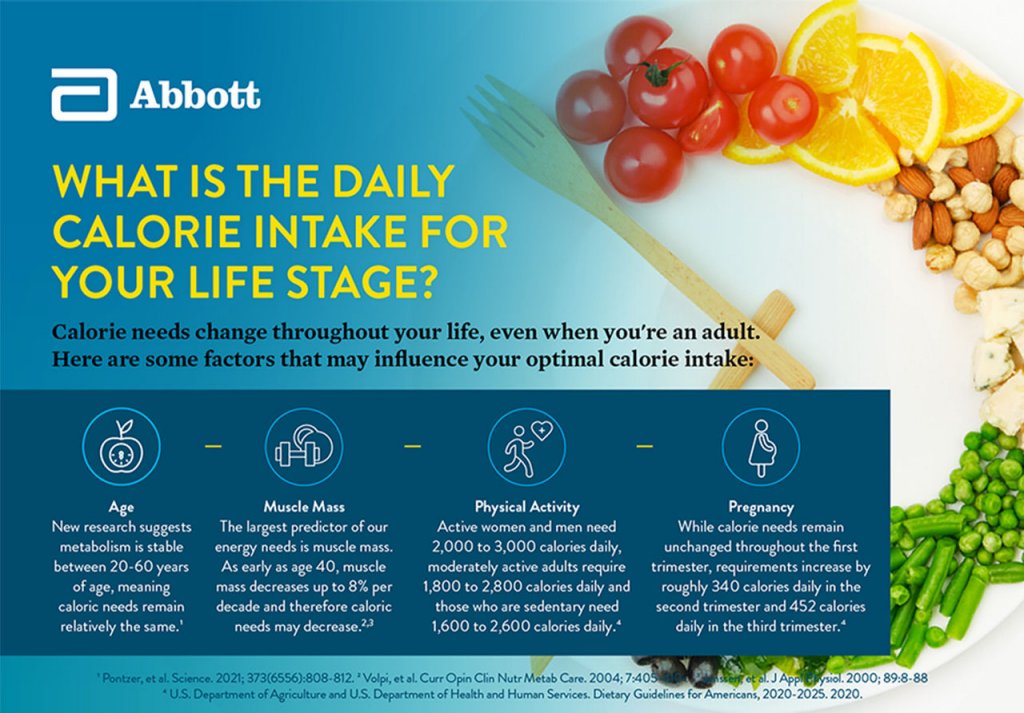
The Role of Professional Guidance in a Tech-Saturated World
Even with the most advanced technology, the role of human expertise will remain vital. While AI can process data and offer recommendations, the nuanced understanding of individual psychology, lifestyle factors, and specific health conditions often requires professional insight. Technology will increasingly serve as a powerful assistant to dietitians, nutritionists, and coaches, providing them with rich data sets to inform their guidance. Instead of replacing human experts, technology will empower them to deliver even more personalized, data-driven, and effective interventions. The synergy between intelligent algorithms providing granular insights and human professionals offering empathetic, contextualized advice will define the future of precision nutrition, ensuring that individuals not only know “what’s my calorie intake?” but also how to optimally leverage that knowledge for enduring health and well-being.
The journey to understand and manage our calorie intake has been transformed by technology. From basic online calculators to sophisticated AI-driven platforms, these tools empower us with data, insights, and personalization that were once unimaginable. As technology continues to evolve, the future promises an even more integrated, intuitive, and biologically tailored approach to nutrition, moving us closer to a world where optimal health is an achievable reality for everyone.
aViewFromTheCave is a participant in the Amazon Services LLC Associates Program, an affiliate advertising program designed to provide a means for sites to earn advertising fees by advertising and linking to Amazon.com. Amazon, the Amazon logo, AmazonSupply, and the AmazonSupply logo are trademarks of Amazon.com, Inc. or its affiliates. As an Amazon Associate we earn affiliate commissions from qualifying purchases.