
In the intricate world of personal finance, certain pieces of information act as critical keys to your economic well-being. Among these, your bank account number stands out as a fundamental identifier, facilitating everything from direct deposits to bill payments and international transfers. Yet, despite its pervasive importance, many individuals find themselves pausing, racking their brains, or scrambling through old documents when asked, “What’s my bank account number?” This seemingly simple query unlocks a deeper understanding of financial literacy, security, and the practicalities of managing your money effectively.
This comprehensive guide aims to demystify your bank account number, exploring its significance, practical methods for locating it, common scenarios where it’s indispensable, and crucial security measures to protect this vital piece of your financial identity. By the end, you’ll not only know how to quickly retrieve your account number but also possess a more robust understanding of its role in your financial ecosystem.
The Cornerstone of Your Financial Identity
At its core, a bank account number is a unique sequence of digits assigned by your financial institution to identify your specific account. It acts as a digital fingerprint, distinguishing your checking, savings, or other specialized accounts from the millions of others managed by your bank. Understanding what this number represents and its distinction from other banking identifiers is the first step toward confident financial management.
Demystifying Your Account Number: What It Is and Isn’t
Your bank account number is a unique identifier for a specific account you hold with a financial institution. Typically ranging from 8 to 12 digits, its exact length and format can vary depending on the bank and country. It is crucial to differentiate your account number from other common banking identifiers, as confusing them can lead to significant errors or security risks.
-
Routing Number (ABA Transit Number): This is a 9-digit code primarily used in the U.S. to identify the financial institution itself during transactions. While your account number identifies your specific account, the routing number identifies your bank. Both are required for most electronic transfers, such as direct deposits and wire transfers, to ensure funds reach the correct account at the correct bank.
-
Debit Card Number: The 16-digit number found on the front of your debit card is tied to your card, not directly to your account. While your debit card accesses your checking account, the card number is used for point-of-sale transactions and online purchases, not for direct deposits or ACH transfers into your account.
-
IBAN (International Bank Account Number): For international transactions, especially within Europe and other participating regions, an IBAN is used. This alphanumeric code incorporates your country code, bank identifier, and your specific account number, standardizing international transfers. If you’re dealing with global money movements, you’ll encounter an IBAN rather than just a domestic account number.
Grasping these distinctions is vital. Providing the wrong number can result in delayed transactions, funds being sent to the wrong recipient, or even exposing you to fraud if you misinterpret a request for information.
The Importance of Knowing Your Account Number: Why It’s More Than Just a Sequence of Digits
While you might go weeks or months without needing your bank account number, its importance becomes acutely clear when specific financial tasks arise. It’s not merely a string of digits; it’s a gateway to your financial functionality and security.
-
Setting Up Direct Deposits: The most common scenario where your account number is indispensable is for setting up direct deposit for your salary, government benefits, or tax refunds. Employers and agencies require this number, along with your bank’s routing number, to electronically transfer funds directly into your account.
-
Automating Bill Payments: Many recurring bills, from utilities to rent and loan payments, can be set up for automatic debit directly from your bank account. This often requires providing your account number to the biller for secure, timely payments, helping you avoid late fees and manage your budget more effectively.
-
Facilitating Wire and ACH Transfers: Whether you’re sending money to a friend, paying a contractor, or receiving a large sum, your account number is crucial for initiating and receiving electronic funds transfers (EFTs), including Automated Clearing House (ACH) transfers (common for payroll, direct debits) and wire transfers (often for larger, time-sensitive, or international transactions).
-
Applying for Financial Products: When applying for a loan, mortgage, credit card, or investment account, financial institutions often require your bank account number for verification purposes or to set up automatic payments for your new product.
-
Business Transactions: For freelancers, small business owners, or anyone receiving payments for services, providing your bank account number (often with a routing number) is essential for clients to pay you directly. This streamlines income reception and improves cash flow management.
Without readily knowing your account number, you could face delays in receiving critical payments, miss bill deadlines, or encounter hurdles in managing significant financial transactions.
Practical Pathways to Locate Your Account Number
Fortunately, your bank account number isn’t hidden away in some obscure vault. Financial institutions make it accessible through several common channels, both physical and digital. Knowing where to look can save you time and frustration, especially when an urgent need arises.
Your Physical Documents: Checks, Statements, and Debit Cards
Before the digital age fully took hold, physical documents were the primary source for this information. They remain reliable methods today:
-
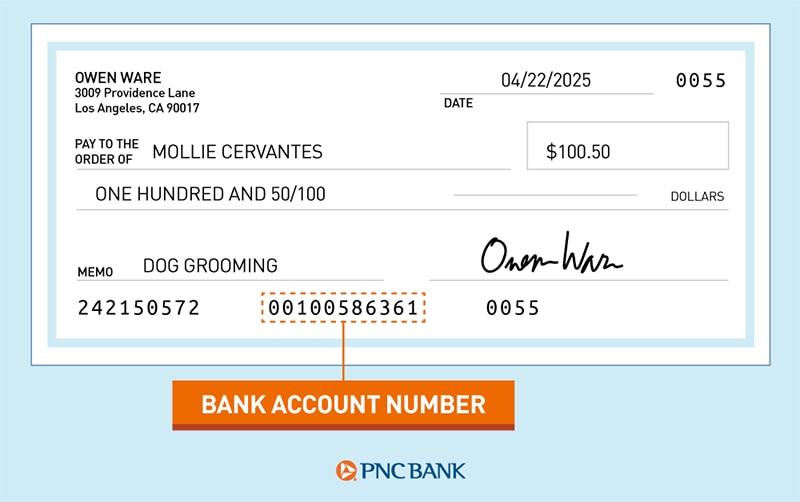
Personal Checks: If you have a checkbook, your account number is prominently printed on the bottom of your checks. It’s typically the middle set of numbers, nestled between your bank’s routing number (on the left) and the check number (on the right). This is often the quickest and most straightforward way to find it.
-
Bank Statements: Both paper and electronic bank statements include your full account number. Look for it usually near the top of the statement, alongside your name and address. Some banks might partially mask the number for security reasons on the physical statement, but it should be fully visible on the official PDF version accessed through online banking.
-
Deposit Slips: Similar to checks, deposit slips will also display your account number, as they are designed for direct interaction with your specific account.
-
Debit Card: While your debit card has a 16-digit card number, some banks might print a truncated version of your account number on the back, usually near your signature strip or within the fine print. However, this is less common and often masked, so checks and statements are more reliable. Never confuse the card number with your actual bank account number.
Digital Access: Online Banking and Mobile Apps
In today’s interconnected financial world, your bank’s digital platforms offer the most convenient and immediate access to your account information.
-
Online Banking Portal: Log into your bank’s official website. Once logged in, navigate to the specific account (e.g., “Checking Account”). Most banks display the account number directly on the account summary page or under an “Account Details,” “Statements,” or “Information” tab. Some might require an extra step, like clicking to “Show Full Account Number” or generating a mini-statement/direct deposit form. For security, you might need to re-enter your password or respond to a two-factor authentication prompt.
-
Mobile Banking App: Similar to online banking, your bank’s mobile app typically provides quick access. Open the app, log in, and select the desired account. Look for an “Account Details,” “Show Account Number,” or “Statements” option. Be aware that for security reasons, some apps may only show a masked version (e.g., ***1234) and require additional verification to reveal the full number.
Always ensure you are using your bank’s official website or app to avoid phishing scams. Look for “https://” in the website address and the padlock icon.
The Human Touch: Contacting Your Bank Directly
If you’re unable to find your account number through digital or physical means, or if you prefer direct assistance, your bank’s customer service channels are readily available.
-
Customer Service Hotline: Call your bank’s official customer service number (usually found on their website, the back of your debit card, or a recent statement). Be prepared to verify your identity through various security questions, such as your full name, address, date of birth, Social Security Number (or equivalent), and possibly recent transaction details.
-
Visit a Branch: For those who prefer face-to-face interaction, visiting a local branch of your bank is an option. Bring a valid government-issued ID (driver’s license, passport, etc.). A teller or customer service representative can look up your account details and provide you with the number after verifying your identity.
While contacting the bank directly is a reliable method, it typically takes more time than using digital tools or checking physical documents.
Everyday Scenarios: When Your Account Number Comes into Play
Knowing where to find your bank account number is only half the battle; understanding when and why you’ll need it empowers you to navigate your financial life with greater confidence and efficiency. From routine salary deposits to critical business transactions, this number serves as a linchpin.
Setting Up Direct Deposits and Automatic Payments
This is arguably the most frequent and impactful use of your bank account number for the average individual.
-
Receiving Your Salary or Benefits: When starting a new job, updating payment information, or enrolling in government benefits (like Social Security or unemployment), you will be asked for your bank account number and routing number. This allows your income to be deposited directly and swiftly into your account, bypassing paper checks and ensuring timely access to your funds.
-
Automating Bill Payments: Many services, from utility companies and internet providers to gym memberships and streaming services, offer the convenience of automatic payments. By providing your account number, you authorize these companies to pull funds directly from your account on specified dates. This prevents missed payments, avoids late fees, and simplifies budgeting. For recurring debt payments, like mortgages, car loans, or student loans, setting up direct debits from your account is a common and efficient practice.
Sending and Receiving Funds: Wires, ACH Transfers, and Zelle
Beyond regular income and bill payments, your account number is critical for various forms of electronic money transfers.

-
ACH Transfers (Automated Clearing House): This network handles a vast volume of electronic financial transactions in the U.S., including direct deposits, direct debits, and Person-to-Person (P2P) payments. When you use services like Venmo, PayPal, or Zelle to link directly to your bank account, your bank account number (often with routing number) is used to establish this connection. When someone sends you money directly via ACH, they’ll need your account details.
-
Wire Transfers: For larger sums, time-sensitive transfers, or international remittances, wire transfers are often employed. These typically require your full bank account number, the bank’s routing number (or SWIFT/BIC code for international wires), and the recipient’s name and address. Wire transfers are generally irreversible, so accuracy is paramount.
-
Peer-to-Peer (P2P) Payments: While many modern P2P apps like Zelle can link directly to your email or phone number, some might still require linking to your bank account number for initial setup or specific transaction types.
Business Finance and Vendor Payments
For entrepreneurs, freelancers, and small business owners, managing finances involves frequent interaction with bank account numbers.
-
Receiving Client Payments: If you run a business, clients may need your bank account and routing number to pay you directly via ACH. This is often preferred over checks for speed and efficiency.
-
Paying Vendors and Suppliers: Similarly, when paying your own business’s vendors or suppliers, you might use their bank account numbers to initiate direct payments, streamlining your accounts payable process.
-
Tax Payments and Refunds: Both federal and state tax agencies often use bank account numbers for direct debit of tax payments or for direct deposit of tax refunds, offering a quicker and more secure alternative to paper checks.
Applying for Loans, Mortgages, or Other Financial Products
When you seek new financial products, your bank account details are frequently requested for verification and administrative purposes.
-
Credit Applications: When applying for a credit card, personal loan, or line of credit, lenders may ask for your bank account information to verify your financial stability, assess your ability to repay, or set up automatic payments for the new debt.
-
Mortgage Applications: For a significant financial commitment like a mortgage, detailed bank statements and your account number are standard requirements for underwriting and establishing the payment method.
-
Investment Accounts: Opening a brokerage account, IRA, or other investment vehicle often involves linking a primary bank account for funding and withdrawing money, necessitating your account number.
In all these scenarios, providing accurate account information is critical for smooth, error-free financial transactions and access to necessary services.
Protecting Your Account Number: Security Best Practices
While your bank account number is vital for managing your finances, it’s also a sensitive piece of information that, in the wrong hands, could lead to financial fraud or identity theft. Understanding the risks and implementing robust security measures is paramount. Just as you wouldn’t leave your house keys under the doormat, you shouldn’t be careless with your banking details.
The Risks of Exposure: Understanding Potential Fraud
The primary risk associated with the exposure of your bank account number is unauthorized access to your funds or identity theft.
-
Unauthorized Withdrawals (ACH Fraud): With your account number and routing number, a scammer could potentially set up unauthorized ACH withdrawals from your account. While banks have systems to dispute fraudulent transactions, the process can be lengthy and stressful, temporarily tying up your funds.
-
Phishing and Social Engineering: Scammers often attempt to trick individuals into revealing their bank account numbers (and other sensitive data) through deceptive emails, texts, or phone calls that impersonate legitimate organizations (e.g., your bank, a government agency, a utility company). Once they have this information, they can attempt to gain further access or directly initiate fraudulent activities.
-
Identity Theft: While an account number alone might not allow a full takeover of your identity, combined with other pieces of personal information (like your name, address, or date of birth), it significantly aids identity thieves in opening new accounts in your name or compromising existing ones.
-
Check Fraud: If your checkbook is stolen, the account number printed on the checks can be used to forge new checks or initiate fraudulent withdrawals.
Secure Storage and Sharing Guidelines
Minimizing risk involves a proactive approach to how you store and share your bank account number.
-
Be Discerning About Sharing: Only provide your bank account number to trusted entities and for legitimate financial purposes (e.g., your employer for direct deposit, a reputable biller for automatic payments, or your bank’s customer service).
-
Verify Requests: If you receive an unsolicited request for your account number, always independently verify the legitimacy of the requestor through official channels (e.g., calling the company’s published customer service number, not a number provided in an email). Never click on suspicious links or respond to emails that seem off.
-
Secure Digital Storage: If you store your account number digitally (e.g., in a password manager or a spreadsheet), ensure it’s encrypted and protected with strong, unique passwords. Avoid saving it in easily accessible, unencrypted files on your computer or phone.
-
Physical Document Security: Keep physical bank statements, checkbooks, and deposit slips in a secure location, out of sight from unauthorized individuals. Shred old statements and canceled checks before discarding them.
-
Monitor Your Accounts: Regularly review your bank statements and online transaction history for any unfamiliar or suspicious activity. Promptly report any discrepancies to your bank.
Recognizing Red Flags: When to Be Suspicious
Vigilance is your strongest defense against financial fraud. Be attuned to common warning signs.
-
Unsolicited Requests: Be highly skeptical of anyone who unexpectedly asks for your bank account number via email, text, or phone call, especially if they threaten consequences if you don’t comply immediately.
-
Demands for Immediate Action: Scammers often create a sense of urgency to bypass critical thinking. Any demand for immediate action or payment using your account number should raise a red flag.
-
Requests for Full Credentials: Your bank will never ask for your full online banking username and password, or your full Social Security Number, in an email or over the phone.
-
Generic or Poorly Worded Communications: Phishing attempts often feature generic greetings, grammatical errors, or unusual formatting.
-
Offers That Seem Too Good to Be True: Be wary of emails or calls promising large sums of money, lottery winnings, or unexpected inheritances that require you to provide your banking details to “receive” funds.
By adopting these security practices and maintaining a healthy skepticism, you significantly reduce the risk of your bank account number falling into the wrong hands and safeguard your financial well-being.
Managing Multiple Accounts and Advanced Tips
For many, financial life isn’t confined to a single bank account. Managing multiple checking, savings, or investment accounts across different institutions requires a more organized approach to keep track of various account numbers and related details. Furthermore, knowing what to do when you genuinely can’t locate your information can save considerable stress.
Organizing Your Financial Information
As your financial portfolio grows, so does the complexity of managing essential details. Proactive organization is key.
-
Centralized Record-Keeping: Create a secure, centralized system for all your financial account numbers, routing numbers, and relevant login credentials. This could be a secure password manager (e.g., LastPass, 1Password, Dashlane), an encrypted spreadsheet, or a physical, locked file box. The goal is to have all necessary information easily accessible to you, but completely inaccessible to others.
-
Digital Files and Backups: If using digital records, ensure they are backed up securely. Cloud storage options, when properly encrypted, can provide convenient access and redundancy. However, always prioritize security and choose reputable services.
-
Regular Review: Periodically review your organized financial information to ensure it’s up-to-date and accurate. This also serves as an opportunity to reconcile accounts and spot any discrepancies.
-
Nickname Accounts: Within your online banking portal, consider giving distinct nicknames to different accounts (e.g., “Emergency Fund Savings,” “Household Bills Checking”) to easily differentiate them if you have multiple accounts of the same type.
When You Can’t Find It: Steps to Take
Despite the various avenues available, there might be times when you simply can’t locate your bank account number. Don’t panic; there are clear steps to follow.
-
Re-trace Your Steps: Before contacting the bank, double-check all likely places: your online banking portal, mobile app, recent physical statements, and any existing checkbooks or deposit slips. Sometimes, it’s simply an oversight.
-
Utilize Official Bank Channels: If unsuccessful, your bank’s customer service line or a visit to a branch remains the most reliable recourse. As previously mentioned, be prepared for rigorous identity verification. This is for your protection and ensures that sensitive information is only disclosed to the rightful account holder.
-
Generate a Direct Deposit Form: Many banks, within their online banking platforms, offer the option to download or print a pre-filled direct deposit form. This form explicitly lists your account number and routing number, making it a convenient and secure way to retrieve the information for employers or benefit providers.
-
Consider a New Checkbook/Deposit Slips: If you frequently rely on checks and have run out or lost your last checkbook, ordering new ones will, of course, provide you with physical copies displaying your account number.

Bank-Specific Nuances: Variations Across Institutions
It’s important to remember that while the general principles for finding and managing your bank account number are consistent, the exact steps and nomenclature can vary slightly from one financial institution to another.
-
Online Portal Layouts: The “Account Details” section might be called “Account Info,” “Statements,” or “Services” depending on your bank’s website or app design. A quick search within the bank’s help section or FAQ can often guide you to the specific path.
-
Security Protocols: Some banks employ stricter multi-factor authentication or require specific security questions before revealing your full account number online, especially if it’s not a number you access frequently.
-
Account Types: While most checking and savings accounts have standard account numbers, specialized accounts (e.g., trust accounts, business lines of credit) might have unique identification structures or require different access methods.
Understanding these minor variations will prevent frustration and streamline your efforts to find the information you need. By being organized, knowing your options, and understanding bank-specific nuances, you transform the occasional challenge of “what’s my bank account number?” into a manageable and routine task.
In conclusion, your bank account number is more than just a random string of digits; it is a fundamental component of your financial identity and a gateway to a myriad of essential transactions. By familiarizing yourself with where to find it, understanding its critical applications, and diligently protecting it, you empower yourself with greater financial control and security. This knowledge isn’t just about retrieval; it’s about fostering a deeper, more secure relationship with your money.
aViewFromTheCave is a participant in the Amazon Services LLC Associates Program, an affiliate advertising program designed to provide a means for sites to earn advertising fees by advertising and linking to Amazon.com. Amazon, the Amazon logo, AmazonSupply, and the AmazonSupply logo are trademarks of Amazon.com, Inc. or its affiliates. As an Amazon Associate we earn affiliate commissions from qualifying purchases.