
In the intricate world of personal finance, a bank account number serves as your unique digital fingerprint, an essential string of digits that unlocks and defines your financial identity. Far more than a mere numerical sequence, it is the cornerstone for nearly every financial transaction you undertake, from receiving your salary to paying bills, and even making significant investments. Yet, despite its critical importance, many individuals find themselves pausing, often in a moment of need, to ask the fundamental question: “What’s my account number?”
This article delves into the significance of your bank account number, guiding you through its various facets within the realm of personal finance. We’ll explore why it’s so crucial, where to reliably locate it, the myriad situations in which you’ll need it, and perhaps most importantly, how to safeguard this vital piece of information in an increasingly digital and interconnected financial landscape. Understanding and effectively managing your account numbers is a foundational step towards robust financial health and security, empowering you to navigate your financial life with confidence and precision.
The Core Identifier: Understanding Your Bank Account Number
At its heart, your bank account number is a unique identification code assigned by your financial institution to a specific account you hold. It differentiates your particular checking, savings, or other deposit account from every other account within that bank. While seemingly straightforward, its role is multifaceted and central to the operational mechanics of the modern financial system.
More Than Just a String of Digits: Its Purpose
Your account number acts as the primary address for funds entering or leaving your specific account. When you initiate a transaction—whether it’s depositing a check, paying a utility bill online, or setting up a direct debit for a mortgage payment—this number tells the financial system precisely where the money should go or come from. Without it, transactions would be impossible to process accurately, leading to chaos in an ecosystem built on precision and verification.
Beyond simple transactions, your account number is integral to account reconciliation, fraud prevention, and customer service. It allows your bank to track your financial activity, produce accurate statements, and verify your identity when you interact with them. In essence, it’s the personal key to your financial ledger within your chosen institution.
Differentiating from Routing Numbers and Other IDs
It’s common to confuse an account number with a routing number, but they serve distinct yet complementary purposes.
- Account Number: Identifies your specific account at a financial institution.
- Routing Number (ABA Transit Number): Identifies your specific financial institution within the U.S. banking system. This 9-digit number is crucial for electronic transfers (like ACH and wire transfers) to ensure funds reach the correct bank before the account number directs them to the correct account within that bank.
Think of it like this: the routing number is the street address of the bank, and the account number is the specific apartment number within that building. Both are necessary for mail (or money) to reach its intended recipient.
Other identifiers include debit card numbers, credit card numbers, and sometimes customer ID numbers. While these are also crucial for different financial operations, they typically do not replace the primary function of the bank account number for direct fund transfers to and from your deposit accounts.
Why Your Account Number is Crucial for Financial Operations
The importance of your account number cannot be overstated. It is the linchpin for:
- Receiving Funds: Direct deposit of paychecks, government benefits, or tax refunds.
- Sending Funds: Setting up recurring bill payments, transferring money to another person, or making online purchases directly from your bank account.
- Account Linking: Connecting your bank account to third-party financial apps, investment platforms, or payment services (e.g., PayPal, Venmo).
- Customer Service: Verifying your identity when speaking with bank representatives about your account details, transactions, or issues.
Without an accurate account number, these essential financial activities would grind to a halt, highlighting its indispensable role in managing your personal finances effectively.
Where to Find Your Account Number: A Comprehensive Guide
Knowing your account number is one thing; knowing where to find it when you need it is another. Fortunately, financial institutions provide multiple accessible avenues to retrieve this information, catering to both digital natives and those who prefer traditional methods.
Digital Pathways: Online Banking and Mobile Apps
In today’s digital age, the quickest and most common way to find your account number is through your bank’s online portal or mobile application.
- Online Banking: After logging into your secure online banking account, navigate to the “Account Summary,” “Account Details,” or similar section for the specific account (checking, savings) you need. Your account number, often alongside your routing number, will typically be displayed prominently. Some banks might require an additional verification step (like a security question or a one-time passcode) before revealing the full number for security reasons.
- Mobile Apps: Most bank mobile apps offer similar functionality. Once logged in, select the relevant account from your dashboard. Look for options like “Account Details,” “Show Account Number,” or an “i” (information) icon next to the account name. Be aware that some apps may only show the last few digits for security, and you might need to tap a specific button or enter a PIN to reveal the complete number.
Traditional Sources: Physical Checks and Bank Statements
For those who prefer physical documentation or when digital access isn’t immediately available, traditional sources remain reliable.
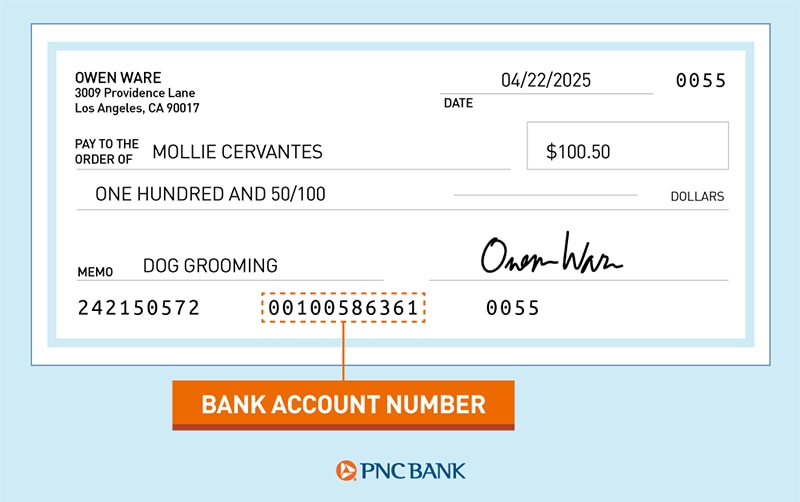
- Personal Checks: If you have a physical checkbook, your account number is printed at the bottom of each check. It’s usually the middle set of numbers, positioned between the routing number (first set) and the check number (last set).
- Example (from left to right): [Routing Number] [Account Number] [Check Number]
- Bank Statements: Your monthly or quarterly bank statements (whether mailed to you or accessible as e-statements within your online banking portal) will clearly display your full account number. Look towards the top of the statement, usually near your name and address, or in a dedicated “Account Summary” section.
- Deposit Slips: If you use deposit slips, your account number will also be pre-printed on them, often in the same format as on your checks.
Direct Assistance: Contacting Your Financial Institution
If digital access is unavailable, or you’re having trouble locating the information through other means, contacting your bank directly is always an option.
- Customer Service Hotline: Call your bank’s customer service number (found on their official website, the back of your debit card, or a bank statement). Be prepared to go through a rigorous identity verification process, which may include providing your full name, address, date of birth, Social Security Number (last four digits), and answering security questions.
- In-Branch Visit: Visiting a local branch of your bank is a secure way to obtain your account number. A teller or customer service representative can provide you with the information after verifying your identity with a government-issued ID (e.g., driver’s license, passport).
Other Scenarios: Loan and Credit Card Account Numbers
While the primary focus is on deposit accounts, it’s worth noting that loan accounts (mortgage, auto loan, personal loan) and credit card accounts also have unique numbers. These are typically found on your monthly statements, online portals for those specific accounts, or by contacting the lender directly. While their function is different (identifying a debt instrument rather than a deposit account), the principle of a unique identifier remains consistent across all financial products.
Practical Applications: When and Why You’ll Need It
Your bank account number is not merely a static piece of information; it’s a dynamic tool required for a multitude of everyday financial interactions. Understanding these practical applications can help you anticipate when you’ll need to retrieve it.
Setting Up Direct Deposit and Bill Payments
One of the most common uses for your account number is automating your income and expenses, streamlining your financial flow.
- Direct Deposit: To have your employer deposit your salary directly into your bank account, you will typically need to provide your account number and your bank’s routing number on an authorization form. The same applies to government benefits like Social Security or tax refunds. This ensures your funds arrive securely and promptly without the need for physical checks.
- Automated Bill Payments (ACH Debits): Many utility companies, landlords, loan servicers, and subscription services offer the convenience of setting up recurring payments directly from your bank account. To authorize these “ACH debits,” you’ll provide your account and routing numbers, allowing the vendor to automatically withdraw funds on specified dates.
Initiating Wire Transfers and ACH Transactions

For transferring larger sums of money or executing specific types of electronic payments, your account number is indispensable.
- Wire Transfers: These are typically used for large, time-sensitive, or international money transfers. When sending or receiving a wire transfer, both the sender and recipient will need the full account number and routing number (and often the bank’s SWIFT/BIC code for international wires) to ensure the funds reach the correct destination.
- ACH (Automated Clearing House) Transactions: Beyond direct deposit and bill pay, ACH transfers are used for many other electronic payments, such as sending money to friends and family through peer-to-peer payment services (though some modern apps abstract this away), or transferring funds between your own accounts at different banks. Your account number is the fundamental identifier for these movements.
International Transfers and Currency Exchange
When engaging in cross-border financial activity, your account number, often alongside additional international banking codes, is paramount.
- Receiving International Payments: If you’re receiving money from abroad, the sender will require your full bank account number, your bank’s routing number, and typically your bank’s SWIFT/BIC (Society for Worldwide Interbank Financial Telecommunication / Bank Identifier Code). The SWIFT code identifies your bank globally, much like a routing number does domestically.
- Sending Money Abroad: Similarly, when sending money internationally, you’ll need the recipient’s bank account number and their bank’s SWIFT/BIC code to ensure the funds are routed correctly.
- Currency Exchange Services: Some services that facilitate currency exchange may also require your bank account number to link your accounts for funding or payout.
Account Verification and Customer Service Inquiries
Beyond moving money, your account number plays a crucial role in verifying your identity and managing your account details.
- Linking to Third-Party Apps: When connecting your bank account to budgeting apps, investment platforms, or other financial tools, you’ll often be asked to provide your account number (and routing number) for verification.
- Identity Verification: When contacting your bank’s customer service with inquiries about specific transactions, account balances, or to report issues, representatives will ask for your account number (among other personal details) to verify your identity and access your account information securely.
- Updating Account Information: Whether changing your address, phone number, or other personal details, providing your account number helps the bank quickly identify your profile.
In essence, any action that directly impacts the flow of funds to or from your specific bank account, or requires explicit access to its details, will necessitate the use of your account number.
Safeguarding Your Financial Identity: Security Best Practices
Given the critical role your bank account number plays in your financial life, protecting it is paramount. While it’s not as sensitive as, say, your Social Security Number, its compromise can still lead to significant financial distress. Adopting robust security practices is essential.
The Risks of Unsecured Account Numbers
If your account number falls into the wrong hands, several risks emerge:
- Unauthorized Withdrawals: A malicious actor could attempt to set up unauthorized ACH debits from your account, especially if they also obtain your routing number.
- Fraudulent Checks: With your account number, someone could potentially print fraudulent checks (though this also requires your routing number and usually a fake check number and signature).
- Identity Theft Attempts: While an account number alone isn’t enough for full identity theft, it can be a piece of a larger puzzle that criminals collect to impersonate you for other financial frauds.
- Phishing Scams: Knowledge of your account number might make phishing attempts more convincing, as scammers could use it to feign legitimacy.
Secure Storage and Transmission Methods
Treat your account number with the same care you would your debit card PIN or Social Security Number.
- Limit Sharing: Only provide your account number to trusted entities and individuals who genuinely need it (e.g., your employer for direct deposit, legitimate billers). Be wary of unsolicited requests via email, text, or phone.
- Shred Documents: Before discarding old bank statements, voided checks, or other documents containing your account number, always shred them thoroughly.
- Secure Digital Access: Ensure your online banking account has a strong, unique password and, if available, enable two-factor authentication (2FA). Only access your bank account from secure, trusted devices and networks. Avoid public Wi-Fi for sensitive transactions.
- Avoid Public Display: Never write your account number down on easily accessible notes or share it on social media.
- Password Managers: Consider using a reputable password manager to securely store sensitive financial information, encrypted and protected by a master password.
Recognizing and Preventing Account Number Fraud
Vigilance is your first line of defense against fraud.
- Be Skeptical of Unsolicited Requests: Banks will rarely ask for your full account number via email or text. If you receive such a request, contact your bank directly using a verified number (from their official website or the back of your card), not the number provided in the suspicious message.
- Monitor Your Statements: Regularly review your bank statements and online transaction history for any unfamiliar or unauthorized activity. Report discrepancies immediately.
- Check for Physical Tampering: If you receive new checks or bank cards, inspect them for any signs of tampering or irregularities.
- Secure Your Mail: If you receive physical statements, consider a locked mailbox, or better yet, opt for paperless statements to reduce the risk of mail theft.
What to Do If Your Account Number is Compromised
If you suspect your account number has been compromised:
- Contact Your Bank Immediately: Inform them of the potential breach. They can monitor your account for suspicious activity, place alerts, or even close the compromised account and open a new one with a new number.
- Review Transactions: Scrutinize your recent transactions for any unauthorized debits or credits.
- Change Passwords: Update passwords for your online banking and any linked financial accounts.
- File a Police Report (if necessary): For significant fraud, a police report can be helpful for documenting the incident and for disputing charges.
Prompt action can significantly limit potential damage and protect your financial well-being.
Streamlining Financial Management: Tools and Habits
Beyond knowing where your account number is and how to protect it, incorporating good financial habits and leveraging available tools can further streamline your financial management and reduce the stress associated with finding or securing your identifiers.
Leveraging Financial Management Software
Modern financial management tools can play a crucial role in organizing your financial life and securely accessing necessary information.
- Budgeting Apps: Many apps like Mint, YNAB, or Personal Capital securely connect to your bank accounts to track spending and categorize transactions. While they abstract away the need to manually input account numbers for daily use, they can provide a centralized view of your financial landscape, making it easier to spot inconsistencies.
- Digital Wallets and Payment Apps: Services like Apple Pay, Google Pay, PayPal, or Venmo act as intermediaries, allowing you to make payments without directly exposing your bank account number to every merchant or individual. They enhance security by tokenizing your financial data.
- Bank-Specific Tools: Most banks offer advanced features within their online portals, such as custom alerts for transactions, easy access to e-statements, and tools for linking external accounts, simplifying the management of your account numbers.
Regular Review of Statements and Transactions
This foundational habit is key to proactive financial security. Make it a routine to:
- Check Daily Transactions: Briefly review your online banking or mobile app daily for any unusual activity.
- Reconcile Monthly Statements: Thoroughly compare your records with your bank statements each month, looking for unauthorized charges, incorrect amounts, or missing deposits. This is where an account number comes into play for identifying the source or destination of funds.
- Set Up Alerts: Utilize your bank’s alert features to notify you of large transactions, international activity, or low balances, which can be early indicators of a compromised account.

Building a Secure Financial Information Hub
Create a system for managing all your important financial information, including account numbers, routing numbers, and login credentials.
- Secure Digital Storage: Use encrypted documents, secure cloud storage with strong passwords, or a reputable password manager to keep a record of your financial identifiers.
- Organized Physical Records: For physical documents like checkbooks or statements, store them in a secure, fireproof safe or filing cabinet.
- Emergency Contact List: Keep an easily accessible, but secure, list of your bank’s customer service numbers and relevant emergency contacts in case of theft or fraud.
By consistently integrating these practices, you transform the seemingly simple question of “what’s my account number?” into an integral part of a comprehensive strategy for financial security and efficient money management. Understanding and respecting the power of this identifier is a critical step in taking full control of your financial destiny.
aViewFromTheCave is a participant in the Amazon Services LLC Associates Program, an affiliate advertising program designed to provide a means for sites to earn advertising fees by advertising and linking to Amazon.com. Amazon, the Amazon logo, AmazonSupply, and the AmazonSupply logo are trademarks of Amazon.com, Inc. or its affiliates. As an Amazon Associate we earn affiliate commissions from qualifying purchases.