
Monosodium glutamate (MSG) is an ingredient that has lived many lives: a culinary secret weapon, a public health concern, and a modern nutritional enigma. For food brands, however, MSG represents more than just a flavor enhancer; it embodies a complex challenge in brand strategy, product development, marketing, and corporate identity. Understanding “what’s MSG in food” is therefore not merely an exercise in food science, but a critical interrogation into how brands build trust, manage perception, and communicate value in an increasingly ingredient-conscious market. This article will delve into MSG’s nature and, crucially, its multifaceted impact on the branding decisions and strategies of food companies worldwide.
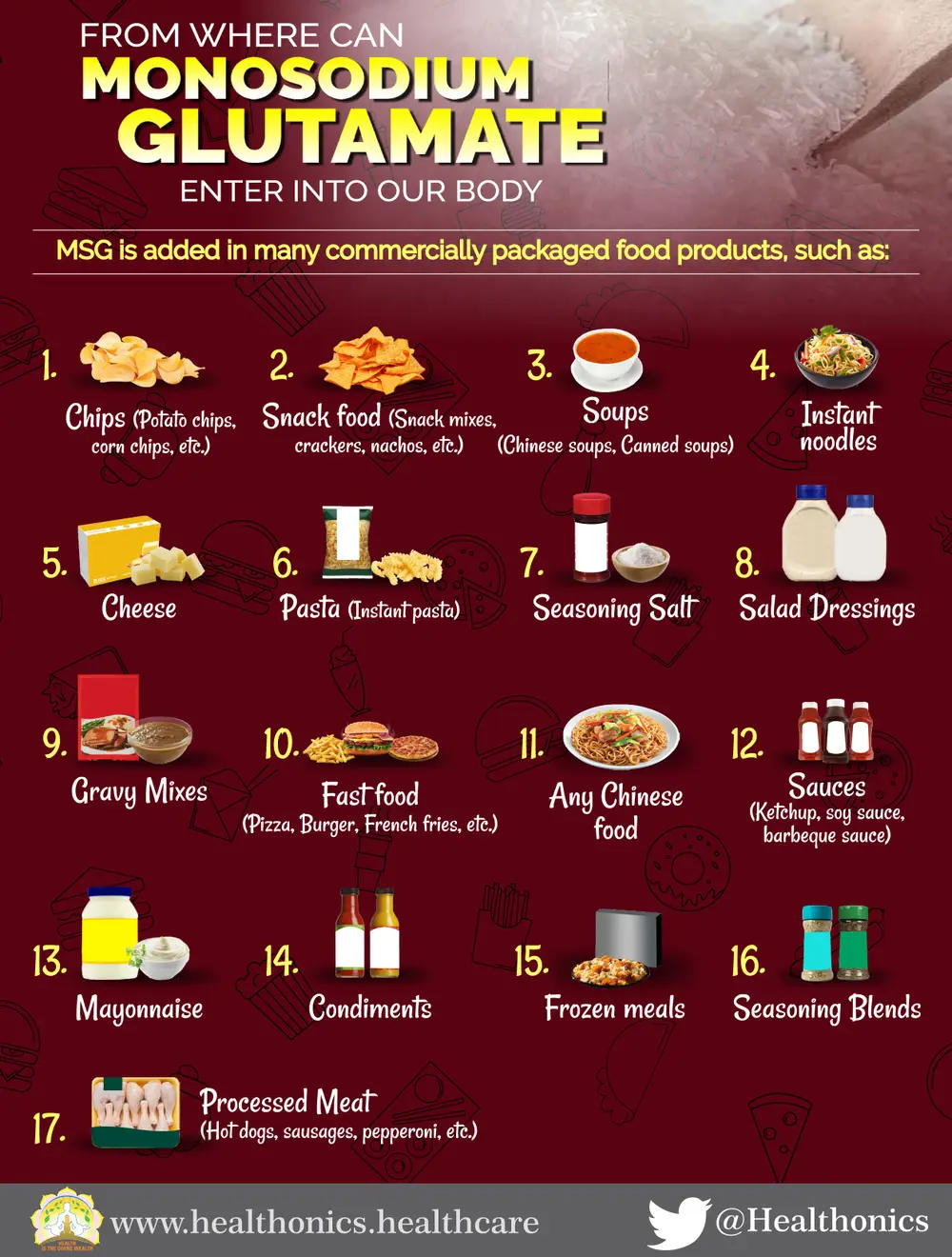
Understanding MSG: The Flavor Enhancer’s Identity and Its Brand Implications
Before a brand can strategically address MSG, it must first comprehend the substance itself. This foundational understanding is key to crafting authentic messaging and making informed product development choices.
The Science Behind Umami: What is MSG?
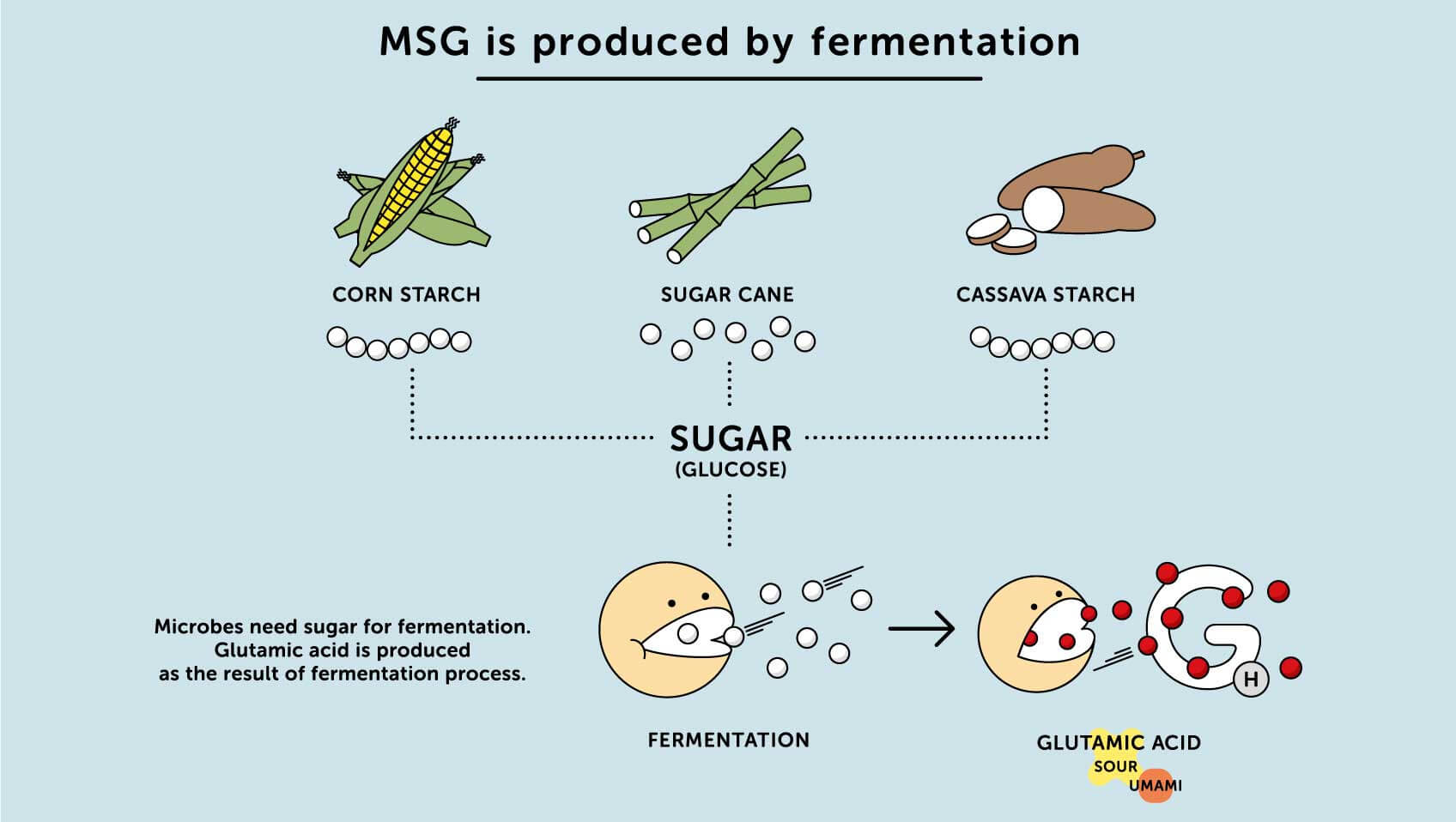
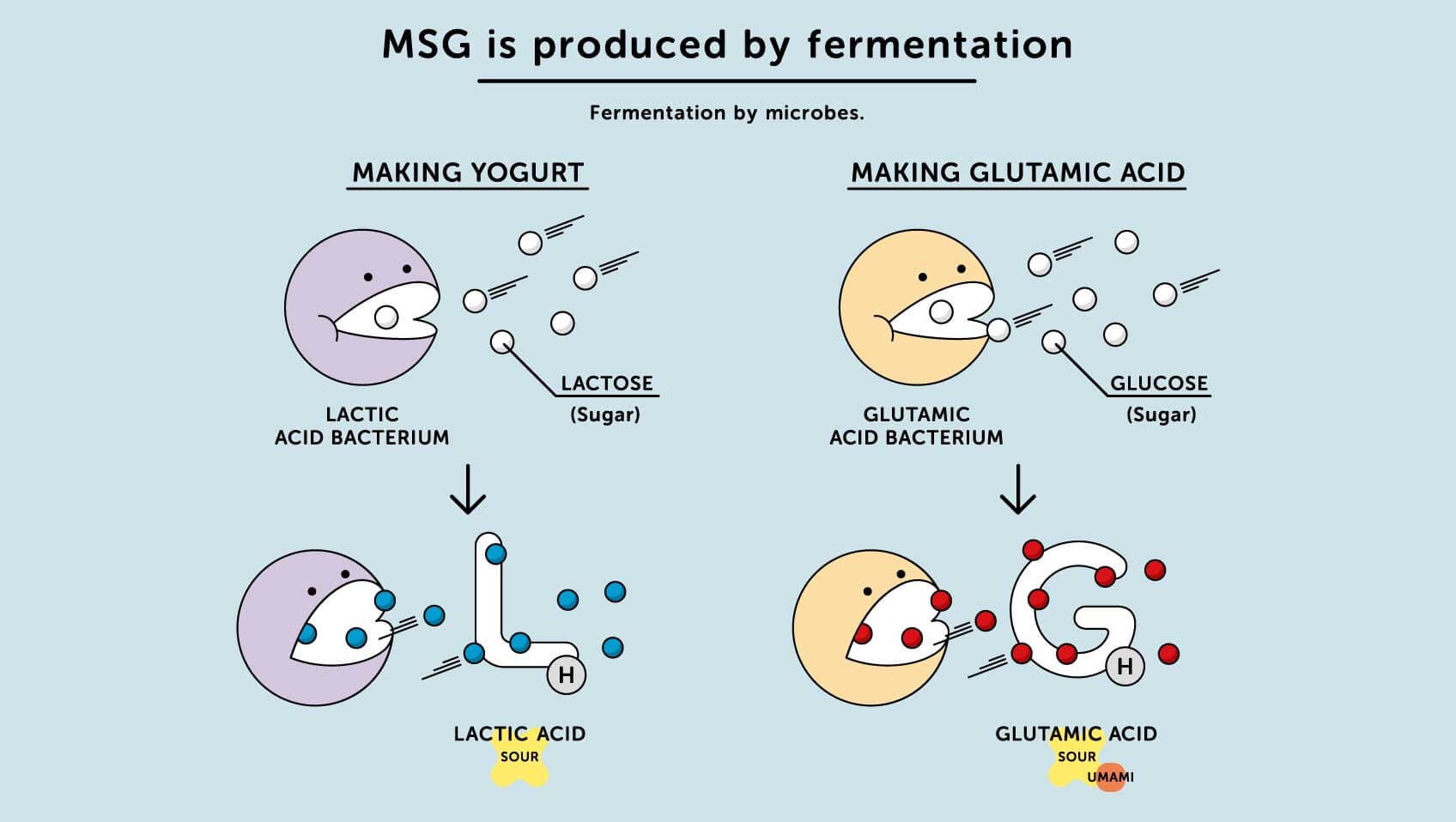
At its core, MSG is the sodium salt of glutamic acid, one of the most abundant naturally occurring non-essential amino acids. Glutamic acid is found in virtually all foods, including meat, fish, poultry, vegetables, and dairy products. When glutamic acid is unbound (free) – for instance, through fermentation or processing – it contributes to the savory “umami” taste. MSG is simply a concentrated form of this umami-inducing compound. It was first isolated in 1908 by Japanese chemist Kikunae Ikeda, who identified it as the substance responsible for the distinctive savory taste of kombu seaweed broth. Commercially, MSG is typically produced through the fermentation of starch, sugar beets, sugarcane, or molasses.
From a brand perspective, MSG’s fundamental role is to enhance and balance the overall taste of food. It amplifies existing flavors, making dishes more complex, savory, and satisfying. For food scientists and product developers, it’s a powerful tool for creating palatable and consistent flavor profiles, particularly in processed foods where natural flavors might be muted or inconsistent. However, the scientific facts often get overshadowed by public perception, creating a significant branding hurdle.
Historical Context and Consumer Perception: From Flavor Miracle to Scapegoat
MSG’s journey in public opinion is a stark lesson in how powerful narratives, even those based on anecdotal evidence, can shape consumer sentiment and brand challenges. Initially embraced as a revolutionary flavor enhancer, its reputation took a dramatic turn in the late 1960s with reports of “Chinese Restaurant Syndrome” – a collection of symptoms like headaches, nausea, and palpitations allegedly experienced after consuming Chinese food, often attributed to MSG. Despite numerous scientific studies by regulatory bodies worldwide, including the U.S. Food and Drug Administration (FDA) and the World Health Organization (WHO), consistently finding MSG to be safe for consumption in typical amounts, the negative perception persisted.
This historical baggage has created a lasting stigma. Many consumers still view MSG as an “unnatural” or “unhealthy” additive, leading to a widespread demand for “MSG-free” products. For brands, this means that regardless of scientific consensus, consumer perception dictates strategy. A brand’s stance on MSG can profoundly impact its perceived healthiness, naturalness, and trustworthiness. Navigating this gap between scientific fact and deeply entrenched public opinion is one of the most delicate aspects of brand management in the food industry.
Brand Strategy and the MSG Dilemma
The complexities surrounding MSG necessitate a nuanced approach to brand strategy, touching upon everything from ingredient sourcing to marketing campaigns. Brands must decide how to address this ingredient directly or indirectly to align with their core values and target audience expectations.
Labeling and Transparency: Building Consumer Trust
One of the primary battlegrounds for brands regarding MSG is product labeling. Regulatory bodies require food manufacturers to list MSG when it’s added directly. However, glutamates also occur naturally in ingredients like yeast extract, hydrolyzed vegetable protein, and soy sauce, which may or may not be labeled as “MSG” but contribute free glutamates to the food. This distinction creates a transparency challenge for brands.
Brands that explicitly state “No Added MSG” often do so to appeal to health-conscious consumers wary of the additive. This becomes a core part of their brand promise, signaling a commitment to “cleaner” ingredients. However, even these brands must contend with naturally occurring glutamates, which can complicate their messaging. For brands aiming for radical transparency, the challenge is to educate consumers about the difference without appearing to mislead or confuse them. A brand’s approach to MSG labeling, therefore, becomes a direct reflection of its commitment to consumer trust and clarity, impacting its corporate identity. Whether a brand is perceived as honest or evasive can hinge on how it manages this delicate labeling act.
Product Development and Innovation: Crafting Clean Labels
The push for “clean labels” – products with easily recognizable, minimal ingredients – has significantly influenced product development strategies concerning MSG. Many brands are actively reformulating their products to reduce or eliminate added MSG, not due to scientific concerns about safety, but to meet consumer demand for simpler ingredient lists.
This involves exploring natural alternatives that provide umami without being perceived as “additives.” Ingredients like mushroom extract, tomato paste, nutritional yeast, and specific spice blends are increasingly used to achieve the desired savory depth. This innovation presents both an opportunity and a challenge. On one hand, it allows brands to differentiate themselves and appeal to a broader market segment. On the other hand, reformulating can be costly, time-consuming, and risk altering the beloved taste profile of established products. A brand’s ability to innovate in this space while maintaining taste integrity directly impacts its market competitiveness and consumer loyalty. Brands seen as leaders in “clean label” innovation often garner a stronger, more positive brand image.
Marketing and Messaging: Communicating Value and Health
How a brand communicates its stance on MSG is pivotal. Some brands choose to overtly market their “No MSG Added” status, making it a cornerstone of their health and wellness messaging. This strategy is common among natural food brands, organic product lines, and brands targeting families or health-conscious individuals. By doing so, they align their brand with perceived values of purity and naturalness, potentially commanding a premium price point.
Conversely, other brands, particularly those in ethnic food categories or traditional comfort foods where MSG has a long history of use, may choose a different approach. They might either quietly use MSG if allowed by regulations without making a fuss, or actively educate their consumers on MSG’s scientific safety and its role in authentic flavor profiles. This requires a bold and confident brand voice, willing to challenge misconceptions directly. Ultimately, a brand’s marketing and messaging strategy around MSG must be meticulously crafted to resonate with its target demographic, reinforce its corporate identity, and navigate the volatile landscape of consumer health perceptions. Missteps can lead to backlash, while clear, consistent communication can build a loyal following.
Corporate Identity and Consumer Loyalty in an MSG-Sensitive Market
A brand’s identity is shaped by every decision, especially those concerning ingredients that touch on health and perceived quality. MSG, despite its scientific safety, remains a potent symbol in the minds of many consumers, making its management central to building and maintaining corporate identity and consumer loyalty.
The Impact on Brand Reputation: Navigating Public Perception
The presence or absence of MSG in a product can significantly sway a brand’s reputation. Brands associated with “clean” eating, natural ingredients, or premium health products risk reputational damage if they are perceived to be using undisclosed or excessive MSG. Conversely, brands that successfully navigate the MSG issue – either by eliminating it and communicating effectively, or by transparently using it and educating their audience – can bolster their reputation as trustworthy and responsive to consumer needs.
This is particularly true for global brands. Public perception and regulatory standards regarding MSG vary across different countries and cultures. A strategy that works in one market might alienate consumers in another. Therefore, a global brand’s corporate identity must be flexible enough to adapt its MSG messaging and product formulation to local sensitivities while maintaining a consistent core brand message of quality and trust. The ability to manage this complexity is a hallmark of strong corporate identity.
Building a “Clean” Brand Image: Beyond “No Added MSG”
For many modern brands, simply stating “No Added MSG” is no longer enough to establish a truly “clean” brand image. Consumers are increasingly sophisticated, looking beyond single ingredients to the overall composition and sourcing of products. A brand aiming for a comprehensive “clean” image must consider its entire ingredient philosophy. This includes avoiding artificial colors, flavors, and preservatives, sourcing sustainable ingredients, and providing transparent information about manufacturing processes.
In this broader context, the decision regarding MSG becomes part of a larger narrative about brand values. Brands that commit to a holistic approach of naturalness and transparency build a more robust and resilient corporate identity. This extended commitment fosters deeper consumer loyalty because it aligns with a broader lifestyle choice rather than just avoiding a single additive. It positions the brand as a partner in healthy living, transcending mere product attributes.
Case Studies in Adaptation: Brands That Got It Right (or Wrong)
While specific company names can be sensitive, numerous examples illustrate the impact of MSG strategies. Brands that have successfully navigated the landscape often include those in the organic and natural food sectors that made “no artificial ingredients” a core tenet from day one, inherently avoiding added MSG and other controversial additives. Their success lies in aligning their product with their brand promise consistently.
On the other hand, legacy brands that were slow to respond to changing consumer sentiment regarding MSG and other additives often faced declines in market share or had to undertake costly and extensive reformulations and rebranding efforts. For instance, some fast-food chains or ready-meal manufacturers that were once heavy users of flavor enhancers have invested significantly in promoting their “cleaner” menus, demonstrating the reactive need to adapt their corporate identity to retain customers. These examples underscore that a proactive and strategic approach to ingredient management, especially for ingredients like MSG, is crucial for long-term brand health and consumer loyalty.
The Future of Flavor and Brand Responsibility
As consumer awareness grows and culinary trends evolve, the discussion around MSG and similar ingredients will continue to shape brand strategies. Brands face an ongoing responsibility to balance flavor innovation, consumer expectations, and ethical considerations.
Evolving Consumer Demands: The Push for Natural and Transparent Ingredients
The trajectory of consumer demand is clear: a growing preference for natural, minimally processed ingredients and full transparency from food brands. This trend is driven by increased access to information, a greater focus on health and wellness, and a desire to understand what goes into one’s food. Brands that can genuinely meet these demands—not just through marketing but through authentic product development and sourcing—will secure a competitive edge.
For MSG, this means that while scientific consensus may affirm its safety, the perception of it as an “artificial” or “processed” additive will likely persist for a significant segment of consumers. Therefore, brands that strategically choose to remove added MSG and find natural alternatives, while clearly communicating these efforts, are positioning themselves for future success. This forward-looking approach is a testament to adaptive brand strategy.
Regulatory Landscape and International Markets: Global Brand Challenges
The regulatory environment for MSG varies significantly across different countries. While the FDA in the U.S. and EFSA in Europe classify MSG as “generally recognized as safe” (GRAS), other regions might have different labeling requirements or cultural sensitivities. For global brands, this presents a complex challenge. A single product formula might not suffice across all markets. Brands must invest in understanding and complying with local regulations and, more importantly, adapting to local consumer perceptions.
This global mosaic impacts corporate identity. A brand needs to project a consistent image of quality and trust, even as its specific ingredient statements or formulations might subtly change from one country to another. Managing these international nuances effectively, without compromising brand integrity, requires sophisticated brand management and a deep understanding of diverse consumer bases.
The Ethical Imperative: Balancing Flavor, Cost, and Health
Ultimately, a brand’s approach to MSG encapsulates a broader ethical imperative: how it balances creating delicious, affordable food with ensuring consumer health and trust. While MSG can efficiently enhance flavor and potentially reduce costs compared to more complex natural flavor systems, brands must weigh these benefits against the potential for consumer distrust or perceived health risks.
Responsible brands will prioritize transparency, invest in ingredient innovation, and engage in continuous dialogue with their consumers. Their corporate identity will be built on a foundation of integrity, where taste, health, and clear communication are not mutually exclusive but rather interwoven aspects of their brand promise. In the evolving landscape of food, understanding “what’s MSG in food” isn’t just about chemistry; it’s about culinary artistry meeting ethical brand stewardship.
In conclusion, for food brands, MSG is far more than a simple food additive. It is a potent symbol that can define a brand’s image, influence consumer perception, drive product innovation, and shape market success. Navigating the complex interplay of science, history, and consumer sentiment surrounding MSG requires a meticulous and forward-thinking brand strategy, one that prioritizes transparency, adapts to evolving demands, and ultimately strengthens the bond of trust with its audience.
aViewFromTheCave is a participant in the Amazon Services LLC Associates Program, an affiliate advertising program designed to provide a means for sites to earn advertising fees by advertising and linking to Amazon.com. Amazon, the Amazon logo, AmazonSupply, and the AmazonSupply logo are trademarks of Amazon.com, Inc. or its affiliates. As an Amazon Associate we earn affiliate commissions from qualifying purchases.