
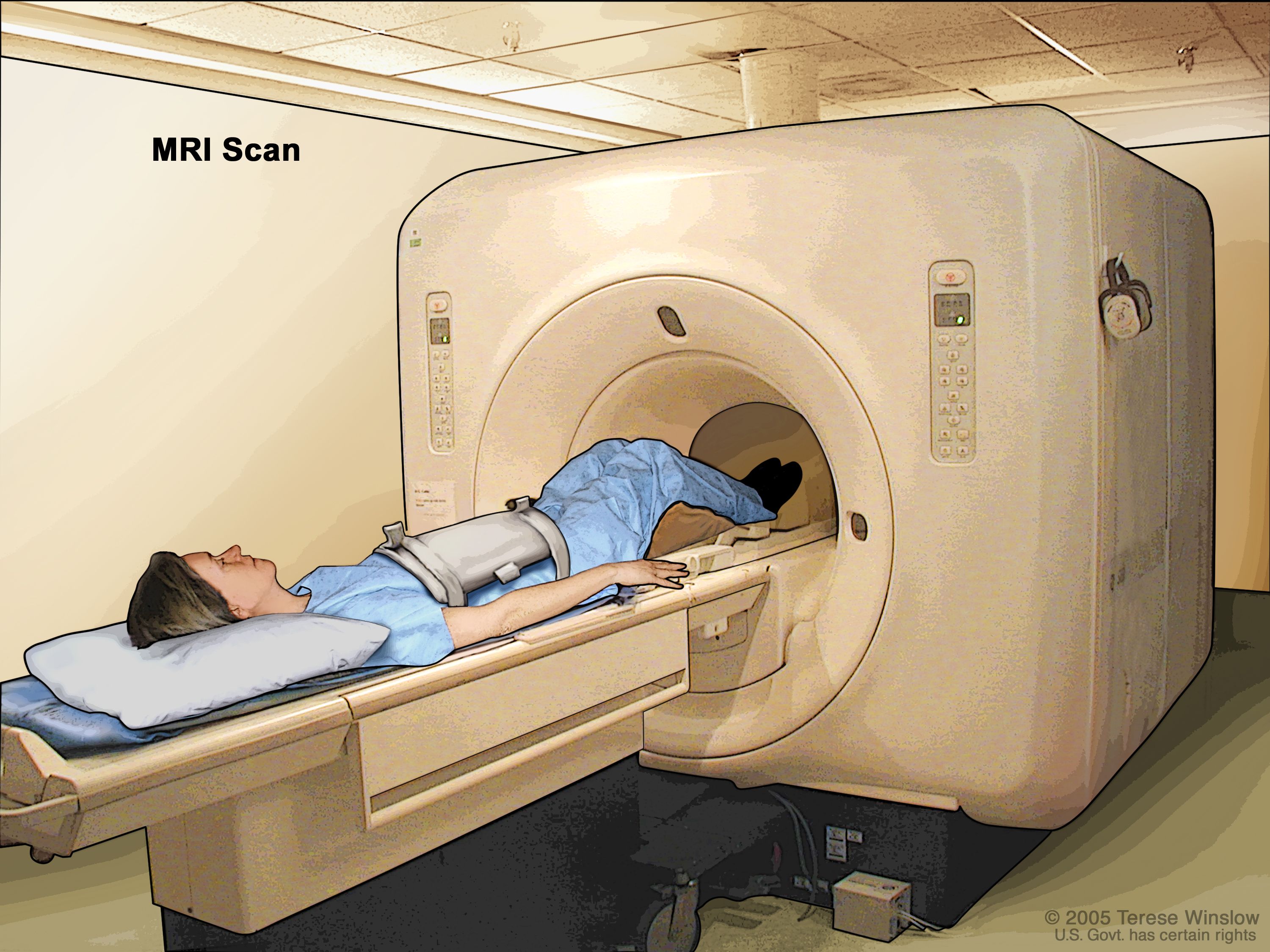
Magnetic Resonance Imaging (MRI) stands as a cornerstone of modern medical diagnostics, a powerful non-invasive imaging technique that offers unparalleled views into the intricate workings of the human body. Far beyond a simple photographic representation, MRI utilizes the principles of nuclear magnetic resonance and radio waves to generate detailed cross-sectional images of soft tissues, bones, and virtually all other internal body structures. Its diagnostic capabilities have revolutionized medicine, enabling earlier detection, more accurate diagnoses, and more effective treatment planning across a vast spectrum of medical conditions. This article delves into the multifaceted applications of MRI, highlighting its significance in various medical specialties and exploring the underlying technological advancements that continue to push its boundaries.
Unveiling the Inner Workings: How MRI Delivers Unprecedented Detail
At its core, MRI is a technological marvel that leverages sophisticated physics to paint an incredibly detailed picture of internal anatomy. Unlike X-rays or CT scans, which rely on ionizing radiation, MRI employs powerful magnetic fields and radiofrequency pulses to excite the protons within the water molecules of the body’s tissues.
The Science Behind the Scan: Magnetic Fields and Radio Waves
The fundamental principle of MRI lies in the behavior of atomic nuclei, specifically hydrogen nuclei (protons), which are abundant in the water within our bodies. When placed in a strong magnetic field, these protons align themselves in a particular orientation. Subsequently, radiofrequency pulses are emitted, which temporarily knock these aligned protons out of their equilibrium state. As the protons relax back to their aligned state, they emit radio signals that are detected by the MRI scanner.
Signal Detection and Image Reconstruction: From Data to Diagnosis
The emitted radio signals vary in strength and duration depending on the type of tissue they originate from. These subtle differences in signal are meticulously detected by sensitive receiver coils within the MRI machine. Sophisticated computer algorithms then process this raw data, translating the variations in signal into highly detailed, two-dimensional or three-dimensional images. This intricate process allows radiologists to differentiate between various tissue types, identify abnormalities, and visualize structures with remarkable clarity. The ability to adjust the parameters of the magnetic field and radiofrequency pulses allows for the generation of different image contrasts, highlighting specific tissues or pathologies with greater emphasis.
Advanced MRI Techniques: Enhancing Diagnostic Power
Beyond standard MRI scans, a suite of advanced techniques further enhances the diagnostic capabilities of this technology.
Functional MRI (fMRI): Mapping Brain Activity
Functional MRI (fMRI) is a groundbreaking application that goes beyond anatomical imaging to map brain activity in real-time. By detecting changes in blood oxygen levels – a phenomenon known as the BOLD (Blood-Oxygen-Level Dependent) contrast – fMRI can identify which areas of the brain are most active during specific tasks or cognitive processes. This has been instrumental in understanding brain function, localizing critical brain areas before surgery, and diagnosing neurological and psychiatric disorders.
Diffusion Tensor Imaging (DTI): Visualizing Neural Pathways
Diffusion Tensor Imaging (DTI) is another specialized MRI technique that focuses on the diffusion of water molecules within the brain’s white matter. This diffusion pattern is anisotropic, meaning it’s directional, and DTI can map these directional movements to visualize the complex network of neural pathways. This is invaluable for understanding conditions that affect the white matter, such as stroke, traumatic brain injury, and neurodegenerative diseases.
Contrast-Enhanced MRI: Illuminating Subtle Abnormalities
The administration of intravenous contrast agents, typically gadolinium-based, significantly enhances the visibility of certain tissues and pathologies. Contrast agents accumulate in areas with increased blood flow or compromised blood-brain barriers, making it easier to detect tumors, inflammation, and vascular abnormalities that might otherwise be subtle or undetectable on non-contrast scans.
Diagnosing Disease: MRI’s Indispensable Role Across Medical Specialties
The versatility and detail offered by MRI have made it an indispensable tool in the diagnostic arsenal of nearly every medical specialty. Its ability to provide high-resolution images of soft tissues, which are often poorly visualized by other imaging modalities, is particularly crucial.
Neurology and Neurosurgery: Exploring the Brain and Spinal Cord
The brain and spinal cord are primary beneficiaries of MRI technology. It is the gold standard for diagnosing a wide range of neurological conditions, including:
- Brain Tumors: MRI excels at differentiating between benign and malignant tumors, determining their size, location, and extent of invasion, which is critical for treatment planning.
- Stroke: Early detection and characterization of ischemic and hemorrhagic strokes are vital for timely intervention. MRI can identify areas of brain tissue affected by reduced blood flow or bleeding.
- Multiple Sclerosis (MS): MRI is crucial for identifying the characteristic lesions (plaques) in the white matter of the brain and spinal cord that are indicative of MS.
- Epilepsy: MRI can help identify structural abnormalities in the brain that may be causing seizures, guiding surgical interventions.
- Degenerative Diseases: Conditions like Alzheimer’s disease and Parkinson’s disease can be assessed through changes in brain volume and structure visualized by MRI.
Orthopedics and Sports Medicine: Illuminating Musculoskeletal Injuries
For injuries and conditions affecting the musculoskeletal system, MRI provides unparalleled detail of soft tissues, including muscles, ligaments, tendons, and cartilage. This makes it the preferred imaging modality for:

- Torn Ligaments and Tendons: MRI can precisely identify the location and severity of tears in structures like the anterior cruciate ligament (ACL) in the knee or rotator cuff tendons in the shoulder.
- Cartilage Damage: It is essential for visualizing cartilage defects, such as those caused by osteoarthritis or meniscal tears in the knee.
- Muscle Tears and Strains: MRI can accurately diagnose and grade muscle injuries, guiding rehabilitation strategies.
- Spinal Disc Herniation: The detailed visualization of intervertebral discs allows for precise identification of herniations that may be compressing nerves.
- Bone Marrow Abnormalities: MRI can detect subtle changes in bone marrow, such as stress fractures, bone bruises, and early signs of infection or tumor involvement.
Oncology: Detecting and Monitoring Cancer
MRI plays a pivotal role in the detection, staging, and monitoring of various cancers. Its ability to visualize soft tissues and highlight abnormal tissue enhancement with contrast agents is particularly valuable.
- Breast Cancer: MRI is often used in conjunction with mammography for high-risk patients or to further investigate suspicious findings.
- Prostate Cancer: MRI is increasingly used for the detection and staging of prostate cancer, helping to guide biopsies and treatment decisions.
- Liver and Pancreatic Cancers: MRI provides excellent visualization of these organs, aiding in the detection of tumors and assessment of their spread.
- Soft Tissue Sarcomas: MRI is the imaging modality of choice for evaluating these tumors, helping to determine their extent and guide surgical planning.
- Monitoring Treatment Response: MRI can be used to assess the effectiveness of chemotherapy or radiation therapy by monitoring changes in tumor size and characteristics.
Cardiology and Vascular Imaging: Assessing the Heart and Blood Vessels
While CT angiography is also prevalent, MRI offers unique advantages in cardiac and vascular imaging, particularly for assessing heart function and structure without the use of ionizing radiation.
- Congenital Heart Disease: MRI can provide detailed anatomical and functional information about complex congenital heart defects.
- Heart Muscle Damage (Myocardial Infarction): MRI can accurately assess the extent of damage to the heart muscle following a heart attack.
- Cardiomyopathies: It is used to diagnose and characterize various forms of heart muscle disease.
- Aortic Aneurysms and Dissections: MRI can visualize the aorta and detect abnormalities like aneurysms and dissections.
- Vascular Malformations: MRI can help identify and characterize abnormal blood vessel formations.
Other Key Applications: Expanding the Reach of MRI
The diagnostic utility of MRI extends to numerous other specialties, including:
- Gastroenterology: Diagnosing conditions of the liver, pancreas, bile ducts, and intestines.
- Urology: Evaluating kidneys, bladder, and prostate.
- Gynecology: Assessing the uterus, ovaries, and pelvic floor.
- Infectious Disease: Identifying and characterizing infections in various organs.
- Rheumatology: Evaluating joint inflammation and damage.
The Future of MRI: Innovations and Evolving Applications
The field of MRI is not static; it is a dynamic area of technological advancement, with ongoing research and development continuously pushing its capabilities further. These innovations promise to enhance diagnostic accuracy, improve patient comfort, and expand the scope of its applications.
Faster Scan Times and Improved Resolution: Enhancing Patient Experience and Data Quality
One of the primary goals in MRI research is to reduce scan times. Longer scan durations can be uncomfortable for patients, leading to motion artifacts that degrade image quality. Innovations in gradient coil technology, faster pulse sequences, and advanced reconstruction algorithms are leading to significantly shorter scan times without compromising diagnostic detail. Simultaneously, efforts are focused on increasing image resolution, allowing for the visualization of even finer anatomical structures and subtle pathological changes.
AI and Machine Learning: Streamlining Workflows and Augmenting Interpretation
Artificial intelligence (AI) and machine learning (ML) are rapidly transforming MRI. AI algorithms are being developed to:
- Automate Image Segmentation: Automatically delineate organs and structures, saving radiologists significant time.
- Enhance Image Quality: Reduce noise and correct for motion artifacts.
- Detect and Characterize Lesions: Assist in identifying subtle abnormalities that might be missed by the human eye.
- Predict Disease Progression: Analyze imaging data to forecast how a disease might progress.
These AI-powered tools are not intended to replace radiologists but rather to augment their capabilities, allowing them to focus on more complex cases and improve diagnostic efficiency.
Portable and Low-Field MRI: Expanding Accessibility
Traditionally, MRI scanners have been large, expensive, and require specialized facilities. However, the development of more compact and lower-field strength MRI systems is making the technology more accessible, particularly in resource-limited settings or for point-of-care applications. While these systems may offer slightly lower resolution than their high-field counterparts, they can still provide valuable diagnostic information for a range of conditions.
Quantitative MRI: Moving Beyond Qualitative Assessment
Quantitative MRI (qMRI) aims to move beyond the subjective assessment of image contrast to provide objective, measurable data about tissue properties. Techniques like diffusion MRI and magnetic resonance spectroscopy can quantify parameters such as water diffusion rates, metabolite concentrations, and tissue microstructural characteristics. This quantitative approach offers the potential for more precise diagnosis, objective monitoring of disease progression, and earlier detection of subtle pathological changes.

Conclusion: A Pillar of Modern Medicine
In conclusion, the question “What’s MRI used for?” elicits a resounding answer: it is used for an incredibly broad and ever-expanding range of diagnostic purposes that underpin modern medicine. From unraveling the complexities of the brain and spinal cord to meticulously examining musculoskeletal injuries and detecting the subtle signs of cancer, MRI’s ability to provide detailed, non-invasive insights into the human body is unmatched. As technology continues to advance, with innovations in speed, resolution, AI integration, and accessibility, MRI will undoubtedly remain a vital and evolving cornerstone of medical diagnostics, shaping the future of patient care and our understanding of human health.
aViewFromTheCave is a participant in the Amazon Services LLC Associates Program, an affiliate advertising program designed to provide a means for sites to earn advertising fees by advertising and linking to Amazon.com. Amazon, the Amazon logo, AmazonSupply, and the AmazonSupply logo are trademarks of Amazon.com, Inc. or its affiliates. As an Amazon Associate we earn affiliate commissions from qualifying purchases.