
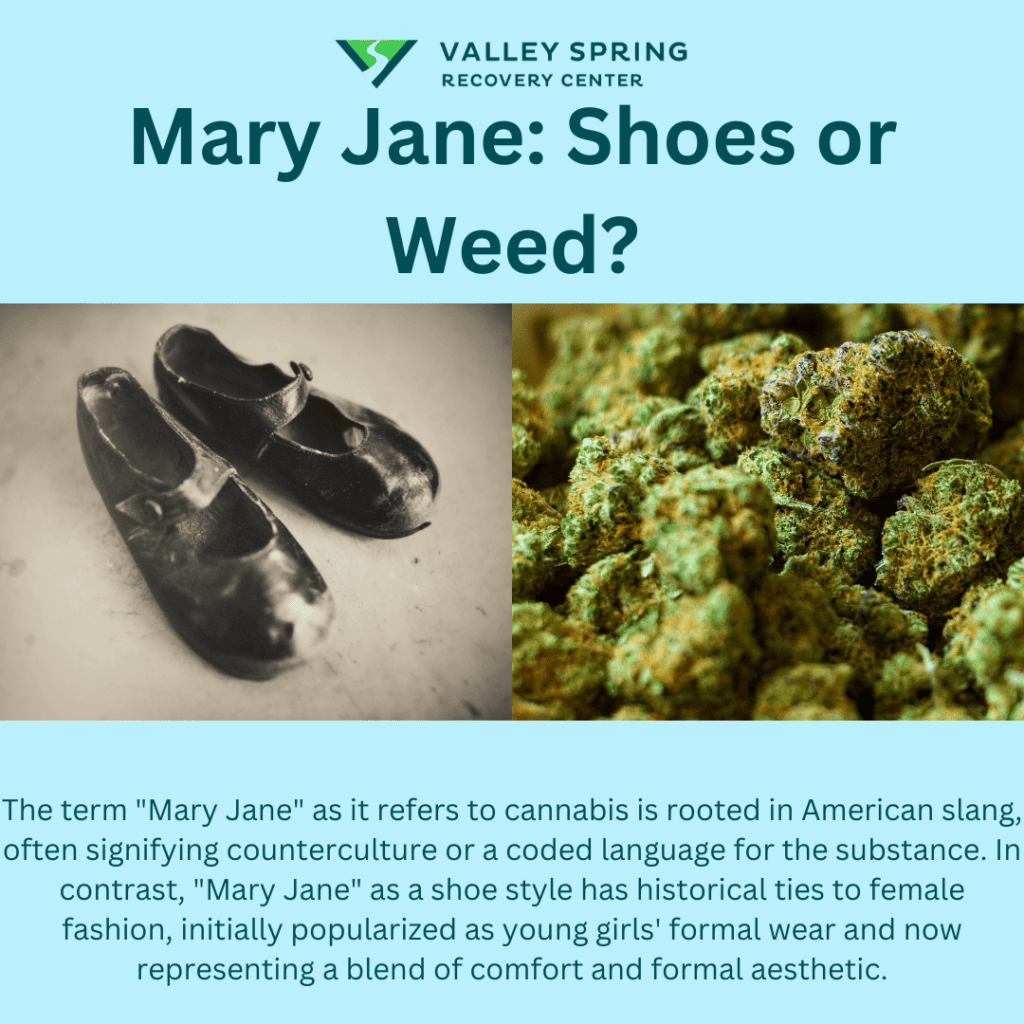
The term “Mary Jane” has long served as a cultural shorthand for cannabis, but in the current economic landscape, the moniker represents far more than a street-level colloquialism. It signifies a rapidly professionalizing industry that is shedding its counter-cultural roots in favor of sophisticated brand strategy, corporate identity, and consumer-focused marketing. For stakeholders, investors, and marketers, “Mary Jane” is no longer just a product; it is a case study in how to build a legitimate brand within a historically stigmatized and highly regulated vertical.
The Shift from Stigma to Sophistication: Crafting a Brand Identity
In the early years of legalization, the cannabis market was dominated by legacy brands that relied on counter-cultural imagery—neon greens, tie-dye aesthetics, and overt references to subculture tropes. Today, that approach has been supplanted by a rigorous focus on brand strategy. Companies are now treating cannabis like luxury goods, wellness supplements, or craft beverages.
Establishing Trust in a Regulated Market
The primary challenge for any modern “Mary Jane” brand is trust. Because the product is subject to varying degrees of legal scrutiny and public skepticism, branding must emphasize quality, consistency, and safety. This is achieved through “clinical-adjacent” design—clean typography, minimalist packaging, and transparent supply chain storytelling. By positioning a product as a regulated, lab-tested commodity rather than a lifestyle artifact, brands are successfully lowering the barrier to entry for the “canna-curious” demographic.
The Role of Visual Identity and Consumer Psychology
Visual identity has become the most effective tool for market differentiation. Brands are moving away from the “stoner” archetype toward a “wellness and lifestyle” aesthetic. This involves the use of muted palettes, serif fonts that convey heritage and stability, and sustainable packaging materials that signal environmental stewardship. When a consumer picks up a product, the packaging must communicate that the brand is professional, compliant, and premium. This strategy is essential for capturing the high-value demographic of professionals and older adults who prioritize quality and reliability over the traditional “counter-culture” appeal.
Marketing Strategies: Navigating Constraints and Compliance
Marketing a cannabis brand is arguably one of the most difficult challenges in modern corporate identity. With strict federal regulations, restrictive advertising policies on major platforms like Google and Meta, and shifting state-by-state legislation, the traditional “spray and pray” marketing model is non-existent. Instead, brands must lean heavily into niche-specific growth strategies.
Content Marketing as an Educational Tool
Because paid advertising is often blocked, content marketing has become the lifeblood of the industry. Educational hubs that explain the nuances of terpenes, consumption methods, and dosage are critical for building authority. Brands that provide value through white papers, deep-dive articles, and expert-led webinars build a loyal community that trusts the brand’s scientific perspective. This is a deliberate strategy to reposition “Mary Jane” as a data-driven experience rather than an impulsive purchase.

Leveraging Community and Influencer Partnerships
In an environment where digital ads are limited, influencer marketing and community engagement remain the most effective “word-of-mouth” drivers. However, the modern cannabis brand does not partner with influencers who embody the stereotypical burnout image. Instead, they seek out fitness professionals, wellness coaches, and creative entrepreneurs—individuals who align with the lifestyle they wish to project. By embedding the product into the daily routines of these figures, brands gain social proof that is infinitely more valuable than a Facebook ad.
The Economics of Brand Equity: Scaling in a Competitive Market
For those looking at the cannabis sector from a business finance perspective, the focus is squarely on brand equity. In a market where products are increasingly becoming commoditized, the brand is the only thing that justifies a price premium.
Building Moats Through Intellectual Property
As the market matures, price wars become inevitable. To avoid the race to the bottom, the most successful brands are focusing on building “moats” around their identity. This involves protecting trademarks, securing unique intellectual property regarding delivery systems (such as proprietary vape hardware or edible extraction processes), and cultivating a brand narrative that cannot be replicated by white-label competitors. A strong brand becomes a barrier to entry for others, allowing the company to retain margins even as competition intensifies.
The Acquisition Landscape and Corporate Identity
Mergers and acquisitions are accelerating, and the valuation of a company is now inextricably linked to the strength of its brand. When a large conglomerate looks to acquire a cannabis entity, they aren’t just buying current inventory or grow facilities; they are buying the customer loyalty and market share that the brand has cultivated. A brand that has successfully transitioned from “Mary Jane” (a generic term) to a recognizable, trusted brand name holds significantly more value during exit negotiations. Companies that invest in consistent, multi-channel branding early on are significantly more likely to be targets for acquisition by larger, publicly traded multi-state operators (MSOs).
Future-Proofing: Adapting to Global Market Trends
The future of “Mary Jane” branding lies in hyper-personalization. Just as the alcohol and tobacco industries eventually evolved into vast portfolios of distinct sub-brands, the cannabis industry is currently segmenting. We are seeing the rise of brands dedicated to specific outcomes: sleep, focus, creativity, or recovery.
Anticipating Regulatory Shifts
Brands that are currently building their identity around compliance are the ones best positioned for when federal laws catch up. Those who have prioritized internal governance, traceability, and ethical sourcing will not have to scramble to reinvent their identity once national standards are codified. In this sense, professional branding is a form of risk management.

The Convergence of Retail and Technology
We are also witnessing the integration of retail technology into the brand experience. Direct-to-consumer platforms that utilize data analytics to suggest products based on past user preferences are becoming standard. This level of customization builds deep consumer loyalty, essentially turning a one-off buyer into a lifelong subscriber. As the market becomes more crowded, the winners will be the brands that use data to deliver a personalized experience that goes beyond the product itself.
The evolution of “Mary Jane” from a street term to a pillar of modern business branding is a testament to the power of deliberate strategy. By shifting the focus from illicit connotation to professional execution, industry leaders have turned a once-shadowy market into a legitimate, high-growth sector. Success today is not predicated on being the first to market, but on being the most professional, the most transparent, and the most consistent. For anyone entering the space, the lesson is clear: the product might get the customer through the door, but the brand is what keeps them there.
aViewFromTheCave is a participant in the Amazon Services LLC Associates Program, an affiliate advertising program designed to provide a means for sites to earn advertising fees by advertising and linking to Amazon.com. Amazon, the Amazon logo, AmazonSupply, and the AmazonSupply logo are trademarks of Amazon.com, Inc. or its affiliates. As an Amazon Associate we earn affiliate commissions from qualifying purchases.