
In the landscape of modern biotechnology, few advancements have reshaped the human experience as profoundly as In Vitro Fertilization (IVF). While often discussed in medical or social contexts, the true essence of what IVF means today is rooted in a sophisticated convergence of hardware engineering, software development, and micro-robotics. IVF is no longer just a clinical procedure; it is a high-tech manufacturing process for life, driven by data, precision instruments, and increasingly, artificial intelligence. Understanding what IVF means in the 2020s requires a deep dive into the digital and mechanical ecosystems that make contemporary embryology possible.
The Bio-Tech Architecture: Engineering the Extracorporeal Environment
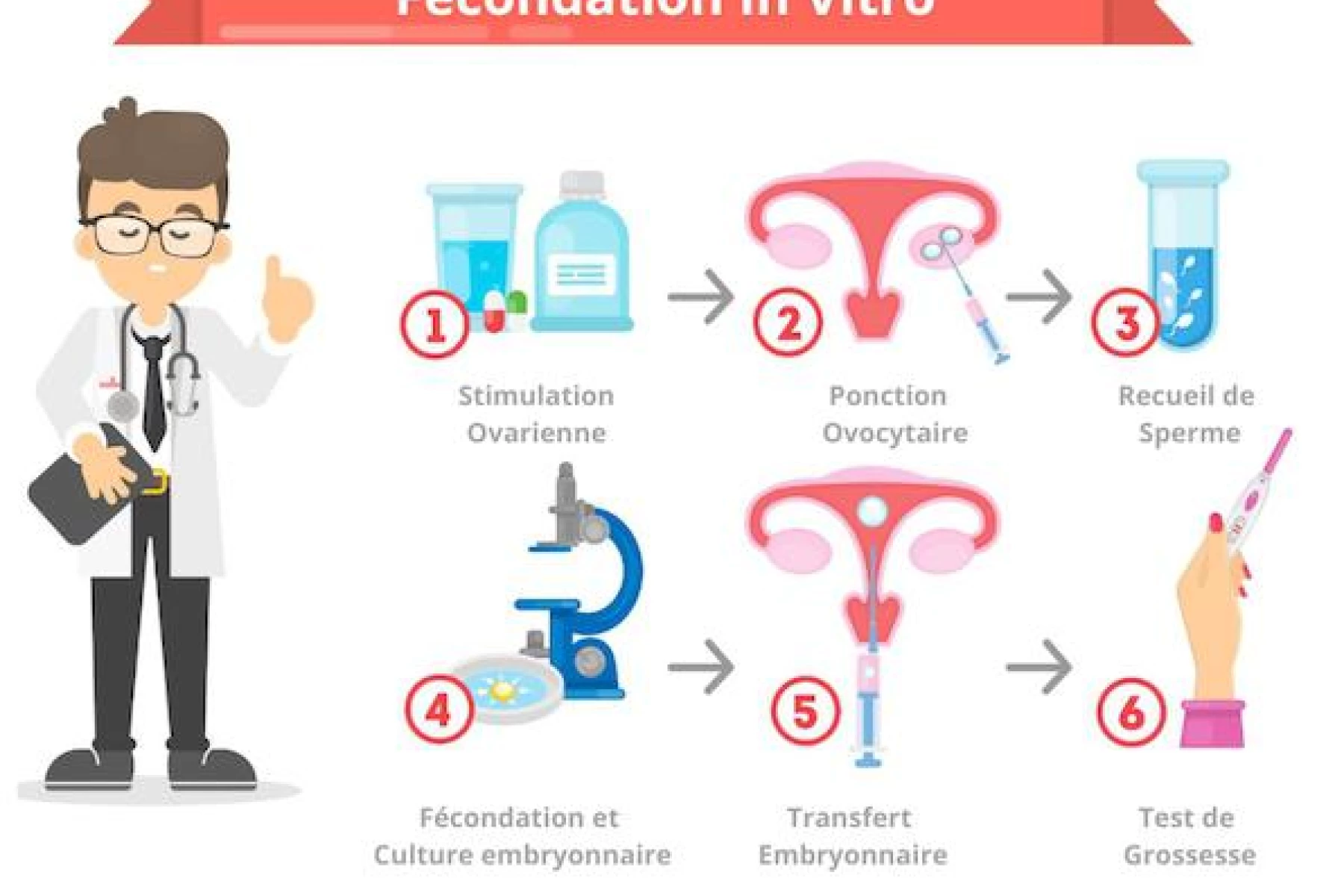
At its core, IVF represents the technological feat of replicating the complex biological environment of the human body within a controlled, synthetic setting. This “bio-tech architecture” relies on an intricate stack of hardware designed to maintain stasis at a cellular level. The modern IVF laboratory is a masterpiece of environmental engineering, where every variable—from air quality to light frequency—is managed by centralized digital systems.
The Laboratory Ecosystem: Advanced Incubation and Monitoring
What IVF means in a technical sense starts with the incubator. These are not merely warmed boxes; they are sophisticated bioreactors. Modern “tri-gas” incubators use sensors to maintain precise concentrations of oxygen, carbon dioxide, and nitrogen, mimicking the low-oxygen environment of the Fallopian tubes. These systems are integrated into Building Management Systems (BMS) that provide real-time telemetry to embryologists’ smartphones, ensuring that any fluctuation in temperature or gas pressure is addressed within seconds. The integration of the Internet of Things (IoT) into these units has transitioned IVF from a manual monitoring process to a continuous, data-logged operation.
Precision Micromanipulation: The Rise of Robotic Assistance
One of the most significant technological leaps within the IVF stack is Intracytoplasmic Sperm Injection (ICSI). This process involves the use of micromanipulators—joystick-controlled robotic arms that can move with sub-micron precision. This allows a technician to handle a single sperm cell, which is roughly 50 micrometers long, and inject it into an oocyte. Recent innovations have introduced “piezo-driven” actuators that use ultrasonic pulses to penetrate the cell membrane with minimal vibration, reducing cellular stress. This level of mechanical precision is a direct descendant of the technologies used in semiconductor manufacturing, proving that the tech industry and reproductive science are inextricably linked.
AI and Machine Learning: The New Frontier in Embryo Selection
Perhaps the most exciting development in what IVF means today is the shift from subjective human observation to objective algorithmic analysis. For decades, embryologists graded embryos based on visual cues through a microscope—a process prone to human error and variation. Today, artificial intelligence is taking over the critical task of selection.
Computer Vision and Time-Lapse Imaging
The introduction of time-lapse imaging (TLI) systems, such as the EmbryoScope, has transformed the laboratory into a data factory. Instead of removing embryos from the incubator to check their progress—which exposes them to environmental stress—internal cameras capture images every few minutes. This creates a massive dataset of developmental milestones. Computer vision algorithms, trained on millions of these images, can now identify “morphokinetic” patterns that are invisible to the human eye. These AI models can predict which embryo has the highest statistical probability of resulting in a successful pregnancy, effectively turning “luck” into a calculated data point.
Predictive Analytics for Implantation Success
Beyond just looking at the embryo, AI is being used to analyze the uterine environment and patient history. Deep learning models ingest thousands of data points—including hormone levels, endometrial thickness, and genetic profiles—to provide a predictive score for implantation. This move toward “Personalized IVF” means that the tech stack is no longer just executing a protocol; it is iterating and optimizing the protocol for every unique user. The software is learning from every cycle globally, creating a recursive loop of improvement that is rapidly increasing success rates.
Genetic Screening and the Data-Driven Cradle

The “V” in IVF stands for “In Vitro,” but in the tech world, it might as well stand for “Validated.” The integration of genomic sequencing into the IVF workflow has turned the process into a high-throughput data analysis exercise.
PGT-A and PGT-M: Sequencing the Future
Preimplantation Genetic Testing (PGT) is the process of biopsying a few cells from an embryo and sequencing their DNA. This is where IVF meets the world of Big Data. Technologies like Next-Generation Sequencing (NGS) allow labs to screen for chromosomal abnormalities (aneuploidy) or specific genetic mutations (monogenic disorders) before an embryo is ever transferred. The “meaning” of IVF here is the ability to filter biological data at the source. We are now able to convert a biological entity into a digital genetic map, analyze it for defects, and make an informed decision based on the readout.
The Convergence of CRISPR and Reproductive Tech
While still largely in the research phase or subject to intense regulatory oversight, the potential integration of CRISPR-Cas9 gene-editing technology represents the ultimate technological horizon for IVF. The ability to not just screen but potentially “patch” genetic code within the IVF cycle is a topic of intense development in the biotech sector. This represents the shift from IVF as a remedial technology to IVF as a transformative one—a platform for the proactive management of human health at the genomic level.
Digital Integration and the User Interface of Fertility
Beyond the lab, IVF has spawned a massive ecosystem of consumer-facing technology. The “user experience” of fertility has been digitized through apps, wearable devices, and telehealth platforms that sync directly with clinic databases.
IoT and Wearable Tech in Cycle Synchronization
For the patient, what IVF means is often a rigorous schedule of hormonal injections and monitoring. Tech companies have stepped in with smart sensors and wearables that track basal body temperature, heart rate variability, and hormone metabolites in real-time. These devices use Bluetooth to sync with fertility tracking software, which then uses algorithms to predict the optimal window for egg retrieval. This creates a seamless bridge between the patient’s daily life and the clinic’s clinical data, reducing the friction of what was once a manual, spreadsheet-heavy process.
Global Data Repositories and Blockchain
As IVF becomes a global industry, the management of genetic data and cryopreserved tissues (eggs, sperm, embryos) has become a major logistical challenge. Digital ledger technology, or blockchain, is being explored as a way to provide immutable tracking for reproductive cells. In a field where a “mix-up” can have catastrophic legal and emotional consequences, the use of encrypted, decentralized tracking systems ensures the integrity of the supply chain. This is the “back-end” of IVF—the invisible digital infrastructure that ensures the right biological material reaches the right destination.
The Future of Reproduction: Synthetic Biology and Beyond
Looking forward, the definition of IVF is set to expand even further as we venture into the realm of synthetic biology. The technologies being developed today are laying the groundwork for a future where reproduction is fully decoupled from traditional biological constraints.
IVG: The Next Wave of Reproductive Tech
In Vitro Gametogenesis (IVG) is perhaps the most disruptive technology on the horizon. It involves reprogramming adult skin cells into induced pluripotent stem cells (iPSCs) and then coaxing them to become eggs or sperm. If successful and scaled, this would mean that the “input” for the IVF process could be any cell from the human body. This would require an entirely new tech stack involving advanced cellular reprogramming software and automated differentiation platforms. It would effectively turn human reproduction into a programmable biological process.
Lab-on-a-Chip and Microfluidics
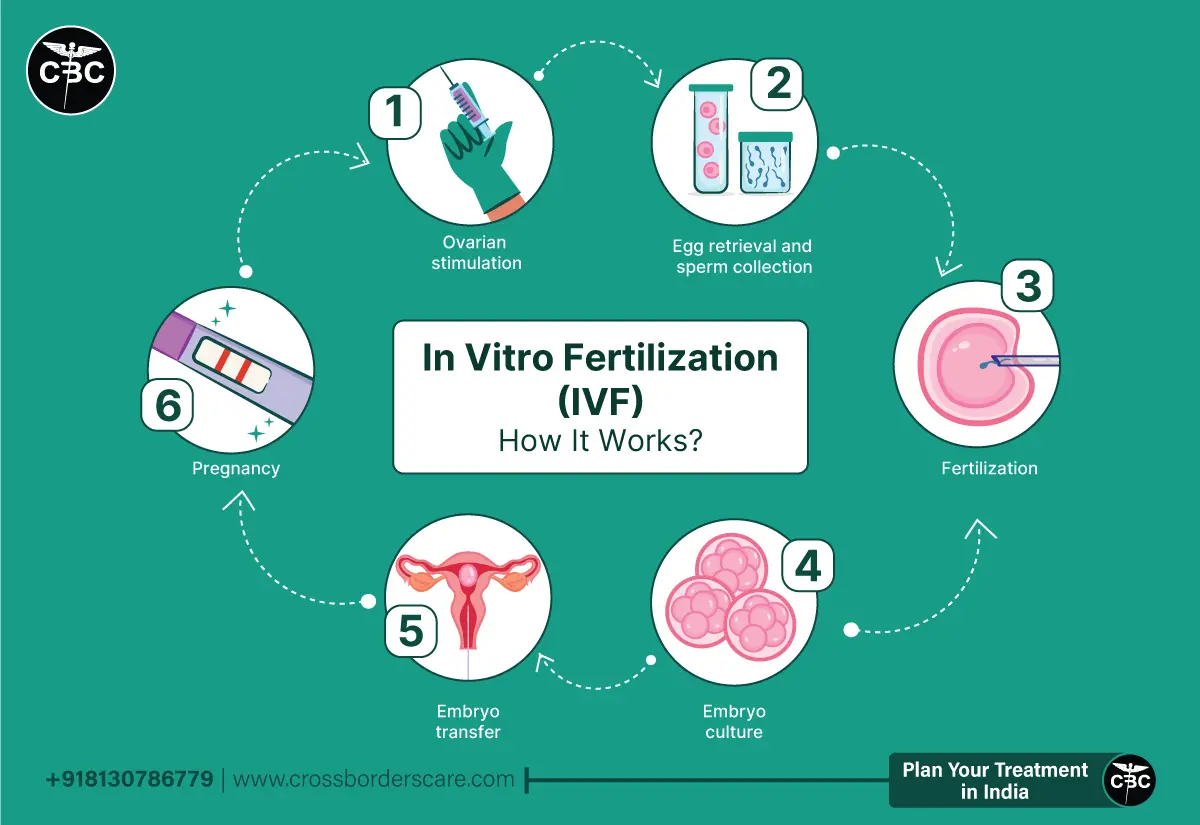
The future of the IVF lab itself is moving toward miniaturization. Microfluidic “lab-on-a-chip” devices are being developed to automate the entire IVF process—from sperm sorting to fertilization and embryo culture—on a single, disposable plastic cartridge. These chips use micro-channels to move cells and fluids with extreme precision, reducing the need for large, expensive laboratories and potentially democratizing access to the technology. This is the “Silicon Valley” approach to IVF: smaller, faster, cheaper, and more automated.
In conclusion, what IVF means today is far more than a medical alternative for infertility. It is a robust, interdisciplinary field of technology that sits at the intersection of robotics, artificial intelligence, and genomic data. As these technologies continue to mature, the IVF process will become more efficient, more predictable, and more integrated into our digital lives. We are witnessing the transition of human reproduction from a purely biological event to a technologically managed journey, defined by the same principles of optimization and innovation that drive the rest of the tech world.
aViewFromTheCave is a participant in the Amazon Services LLC Associates Program, an affiliate advertising program designed to provide a means for sites to earn advertising fees by advertising and linking to Amazon.com. Amazon, the Amazon logo, AmazonSupply, and the AmazonSupply logo are trademarks of Amazon.com, Inc. or its affiliates. As an Amazon Associate we earn affiliate commissions from qualifying purchases.