
In the modern digital landscape, few acronyms carry as much weight or cultural significance as “iOS.” For millions of users worldwide, iOS is not just a technical term; it is the gateway to their digital lives, the interface through which they communicate, work, and navigate the world. But if you peel back the polished glass and intuitive icons of an iPhone, what does iOS actually mean?
Technically, iOS stands for iPhone Operating System. However, its definition has evolved far beyond a simple naming convention. It represents a specific philosophy of computing—one defined by tight hardware-software integration, a “walled garden” approach to security, and a relentless focus on user experience. To understand what iOS means today, we must explore its technological roots, its architectural pillars, and its profound impact on the global technology sector.
1. The Foundation: What iOS Stands For and How It Began
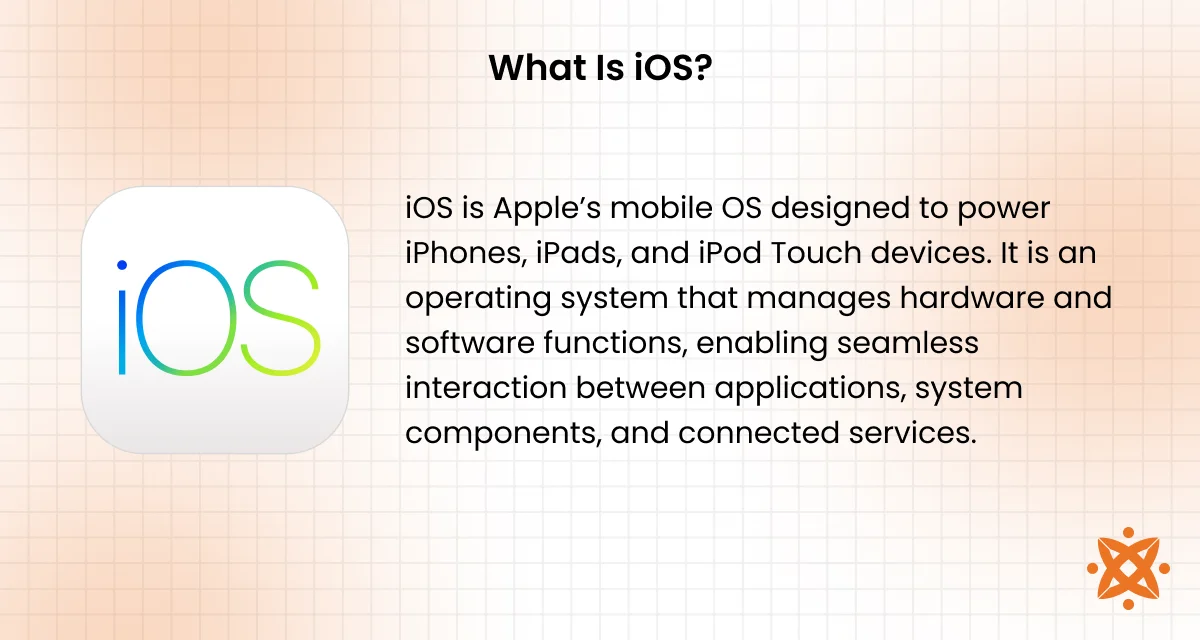
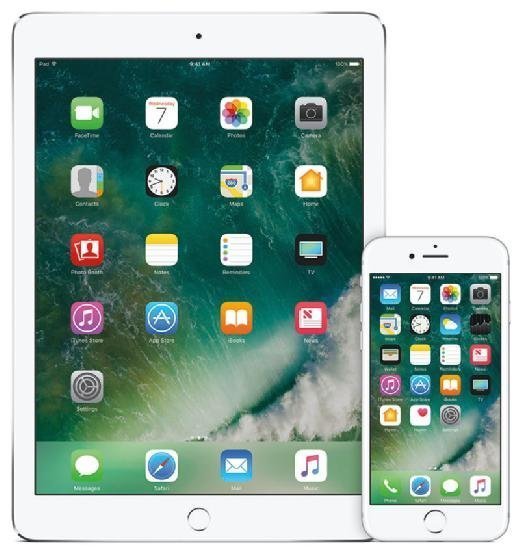
To understand the meaning of iOS, one must look back to January 2007, when Steve Jobs stood on stage at Macworld and announced that Apple was reinventing the phone. At that time, the software was simply referred to as a mobile version of “OS X” (now macOS). It wasn’t until later that the branding solidified into “iPhone OS,” eventually being shortened to “iOS” in 2010 to reflect its presence across multiple devices like the iPad and iPod Touch.
The Significance of the “i”
The “i” prefix has been a staple of Apple branding since the launch of the iMac in 1998. While it primarily stood for “Internet,” Jobs famously noted that it also represented “individual,” “instruct,” “inform,” and “inspire.” In the context of iOS, that “i” signifies a personal, connected experience that brought the power of desktop-class computing into the palm of a hand.
From Mac Roots to Mobile Powerhouse
The architectural meaning of iOS is rooted in its heritage. iOS is a descendant of macOS, built on a Unix-based foundation known as Darwin. This is significant because it gave the iPhone a level of stability and power that its competitors at the time—mostly running primitive Java or Symbian platforms—could not match. By bringing a sophisticated kernel (the core of the operating system) to a mobile device, Apple changed the definition of what a “smartphone” could do.
The Shift to a Unified Naming Convention
The transition from “iPhone OS” to “iOS” marked a pivotal moment in tech history. It signaled that the software was becoming a platform in its own right, independent of a single piece of hardware. Today, while the iPad has branched off into iPadOS, the “iOS” moniker remains the flagship term for the operating system that powers the iPhone, the world’s most influential consumer electronic device.
2. The Core Pillars of the iOS Architecture
When tech enthusiasts ask what iOS means, they are often referring to how it functions differently from other software. iOS is structured in four distinct layers, each serving a specific purpose in creating the seamless experience users have come to expect.
The Core OS and Core Services Layers
At the lowest level lies the Core OS, which handles the most basic system tasks: memory management, file system handling, and low-level networking. Above that sits the Core Services layer. This is where the “magic” happens behind the scenes, providing access to essential features like location services, the Address Book, and networking. These layers are hidden from the user but are the reason why iOS feels “snappy” and responsive.
The Media and Cocoa Touch Layers
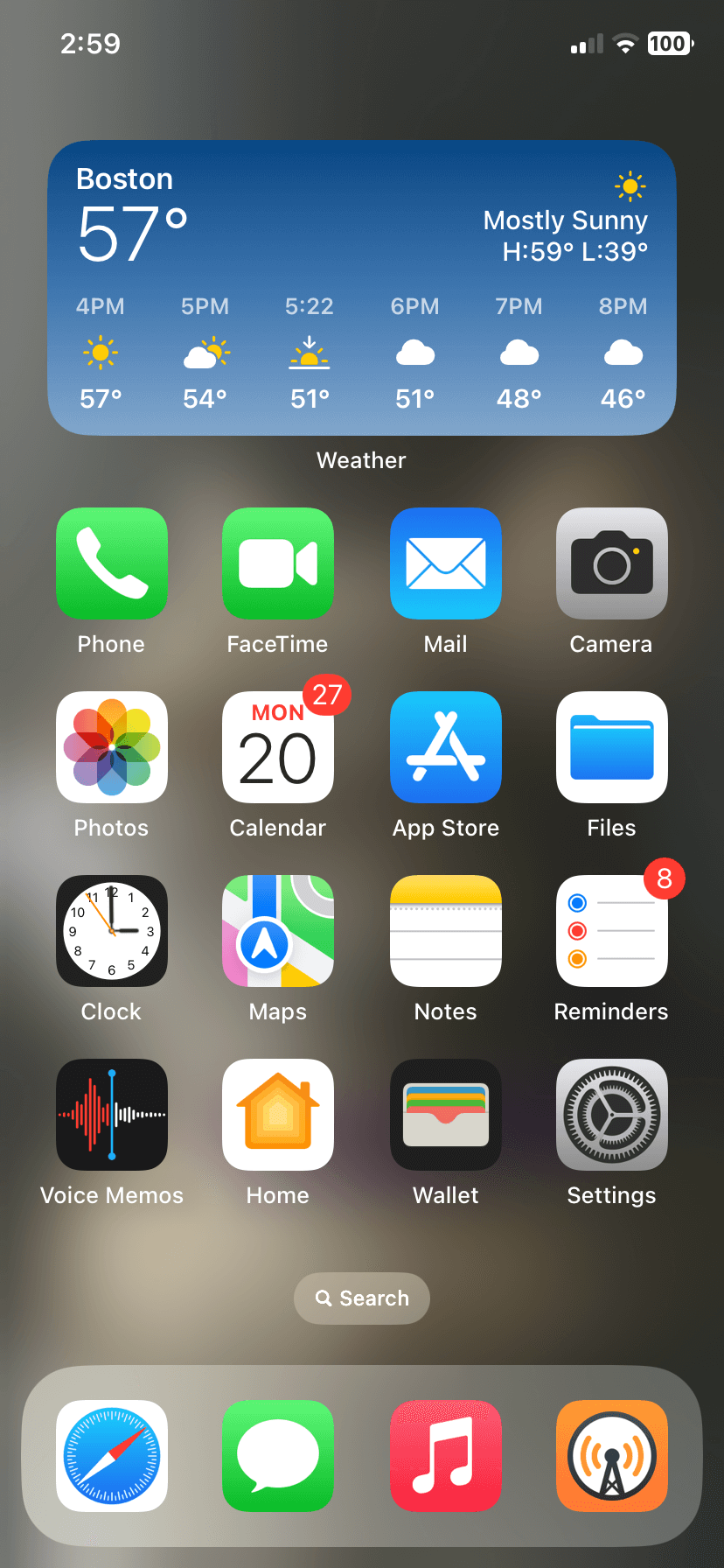
The Media layer enables the high-quality graphics, audio, and video capabilities that define the iPhone experience. This includes technologies like Metal, which allows developers to squeeze incredible performance out of the iPhone’s GPU for gaming. Finally, the Cocoa Touch layer is the most visible; it provides the frameworks for touch-based interaction, multitasking, and the user interface. When you swipe a finger to close an app, you are interacting with Cocoa Touch.
The “Walled Garden” Philosophy
A central meaning of iOS in the tech world is its “closed” nature. Unlike Android, which is open-source and allows for deep customization and sideloading of apps, iOS is a proprietary system. Apple controls every aspect of the software and hardware. This “walled garden” approach ensures that apps are optimized for specific screen sizes and processor architectures, leading to a level of fluidity that is difficult to replicate on fragmented platforms.
3. Security and Privacy: The Modern Definition of iOS
In the current decade, the meaning of iOS has shifted significantly toward digital security and user privacy. For many, iOS means “the secure choice.” Apple has leveraged its control over the operating system to implement features that have fundamentally changed the advertising and data-collection industries.
The Secure Enclave and Biometrics
At a hardware level, iOS works in tandem with the “Secure Enclave”—a dedicated chip that stores encrypted biometric data for Touch ID and Face ID. Because iOS isolates this data from the rest of the system, even if a phone is compromised at the software level, the user’s biometric data remains inaccessible. This technical choice has made iOS a standard for corporate and government security.
App Tracking Transparency (ATT)
In recent years, iOS has become synonymous with privacy rights. Features like App Tracking Transparency (ATT) require apps to ask for explicit permission before tracking user behavior across other companies’ apps and websites. This move was a seismic shift in the tech economy, prioritizing the user’s right to privacy over the data-harvesting models of social media giants.
Sandboxing and the App Store Review Process
What makes iOS unique is its use of “sandboxing.” Every app runs in its own isolated environment, meaning it cannot access data from other apps without permission. Combined with a rigorous App Store review process, this architecture minimizes the risk of malware and viruses, defining iOS as an ecosystem where users can download software with a high degree of confidence.
4. The Ecosystem and the Power of Continuity
To fully answer “what does iOS mean,” one must look beyond the iPhone itself. iOS is the anchor of a massive ecosystem that includes the Mac, iPad, Apple Watch, and Apple TV. The software is designed to make these devices feel like a single, unified organism.
Handoff and Universal Clipboard
Through a feature set called “Continuity,” iOS allows users to start an email on their iPhone and finish it on their Mac (Handoff) or copy a link on their phone and paste it onto their tablet (Universal Clipboard). This level of integration is a hallmark of iOS, reinforcing the idea that the operating system is a service that follows the user across their hardware.
The App Store Economy
iOS also means a massive economic engine. By creating a standardized platform with a high-spending user base, Apple fostered the “App Economy.” Developers use specific tools like Xcode and the Swift programming language—designed by Apple—to create apps that can reach billions. The consistency of iOS versions across devices makes it easier for developers to maintain their apps compared to the version fragmentation often found in other mobile ecosystems.
iCloud Integration
iCloud is the invisible thread that ties iOS together. It ensures that photos, notes, and system backups are synchronized in real-time. For the user, this means that “iOS” is not just on the device in their hand; it is a persistent digital state that can be restored onto any new iPhone instantly, creating immense brand loyalty and technical convenience.
5. The Future: iOS in the Age of AI and Spatial Computing
As we move toward the next decade, the meaning of iOS is evolving again. We are entering the era of “Apple Intelligence” and the integration of mobile OS features with spatial computing.
Apple Intelligence and Generative AI
The latest iterations of iOS are focused on integrating Large Language Models (LLMs) directly into the core of the system. Unlike cloud-based AI, Apple’s approach to AI on iOS emphasizes on-device processing. This means that Siri and other system-level tools will become more intuitive and capable of performing complex actions across apps, all while maintaining the privacy-first stance that has become the brand’s hallmark.
Integration with VisionOS
With the launch of the Apple Vision Pro, iOS serves as the foundational DNA for VisionOS. The gestures, the app frameworks, and the design language of iOS are being adapted for a three-dimensional space. This suggests that in the future, “iOS” will represent a set of interface standards that exist not just on screens, but in the environment around us.
The Roadmap of Innovation
From its humble beginnings as a “mobile OS X” to its current status as a global powerhouse of security, privacy, and AI, iOS continues to redefine mobile technology. It means stability for the professional, simplicity for the novice, and a robust platform for the developer.
In conclusion, “iOS” is far more than an abbreviation for “iPhone Operating System.” It is a comprehensive tech ecosystem that prioritizes the marriage of form and function. By maintaining strict control over its software and hardware, Apple has created a platform that defines the standard for the modern smartphone experience. Whether through its rigorous security protocols, its seamless multi-device continuity, or its upcoming leaps into artificial intelligence, iOS remains the benchmark against which all other mobile operating systems are measured.
aViewFromTheCave is a participant in the Amazon Services LLC Associates Program, an affiliate advertising program designed to provide a means for sites to earn advertising fees by advertising and linking to Amazon.com. Amazon, the Amazon logo, AmazonSupply, and the AmazonSupply logo are trademarks of Amazon.com, Inc. or its affiliates. As an Amazon Associate we earn affiliate commissions from qualifying purchases.