
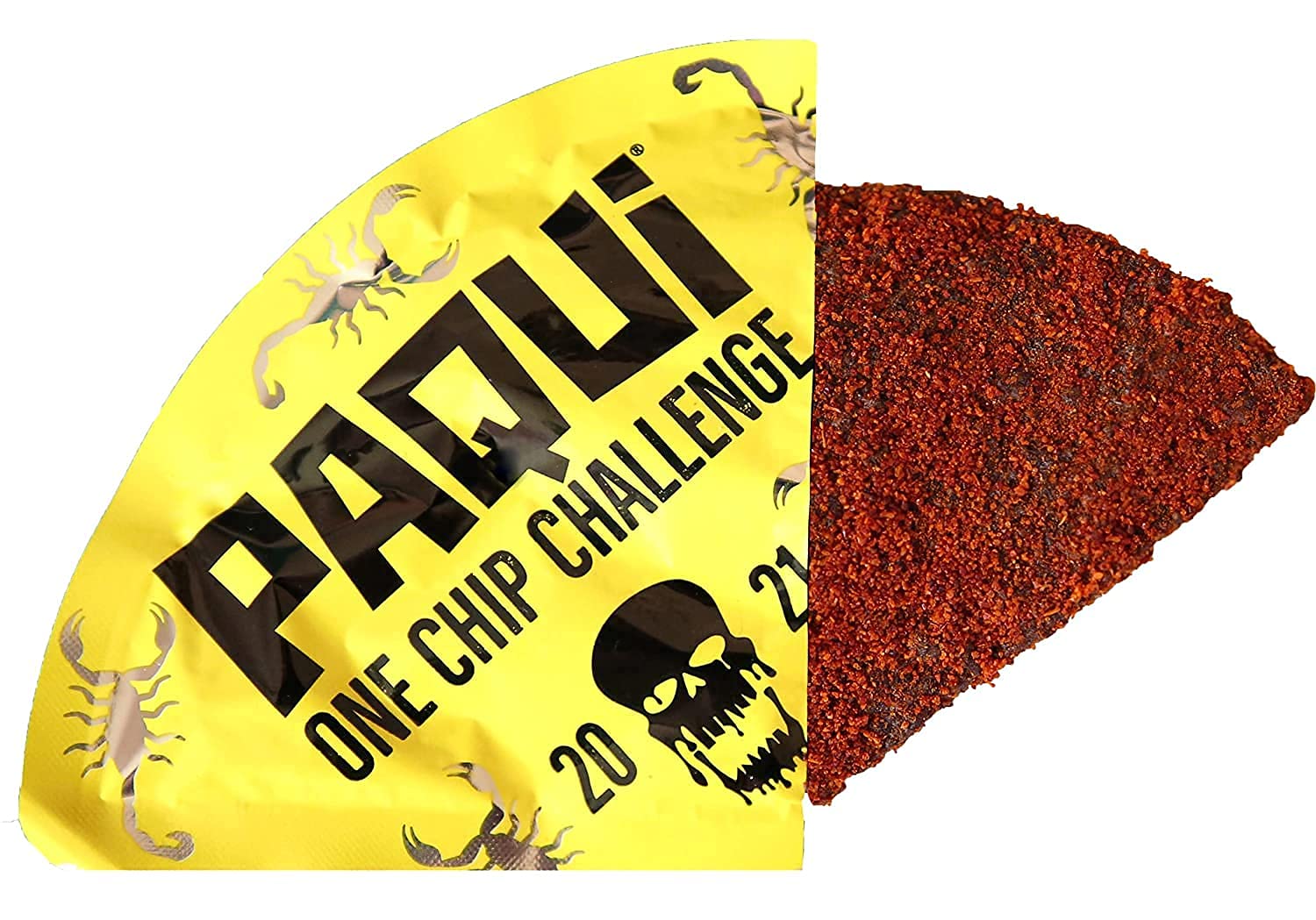
In the modern attention economy, a product is rarely just a product. It is a vehicle for an experience, a badge of social identity, or a catalyst for digital engagement. No brand has illustrated this shift more dramatically than Paqui, a subsidiary of Amplify Snack Brands, through its “One Chip Challenge.” While the literal answer to “what’s in the chip” involves a high-intensity blend of Carolina Reaper and Naga Viper peppers, the strategic answer is far more complex.
From a brand strategy perspective, the One Chip Challenge is a masterclass in experiential marketing, scarcity-driven demand, and the calculated risks of “shock” branding. By analyzing the layers of this campaign, we can uncover how a single, inedible-level spicy tortilla chip became a global cultural touchstone and what it teaches us about the evolution of corporate identity in the age of TikTok.
The Ingredients of Experiential Marketing: The Product as the Event
The One Chip Challenge represents a departure from traditional snack food marketing. Most food brands optimize for “craveability” and repeat purchase. Paqui, however, designed a product that is fundamentally unpleasant to consume. In doing so, they shifted the value proposition from the physical taste to the psychological experience.
Scarcity and Seasonality as Growth Levers
One of the core components of the One Chip Challenge brand strategy is the use of artificial scarcity. By releasing the chip in limited annual “drops,” Paqui transformed a commodity (a corn chip) into a collectible event. This seasonal approach creates a “fear of missing out” (FOMO) that drives immediate action.
In the world of brand strategy, scarcity does two things: it justifies a premium price point—often upwards of $10 for a single chip—and it concentrates social media conversation into a narrow window, creating a “blitz” effect that dominates digital algorithms. The “what’s in it” is less important to the consumer than the “when can I get it,” turning the product launch into a cultural deadline.
Visual Identity: The “Grim Reaper” Aesthetic
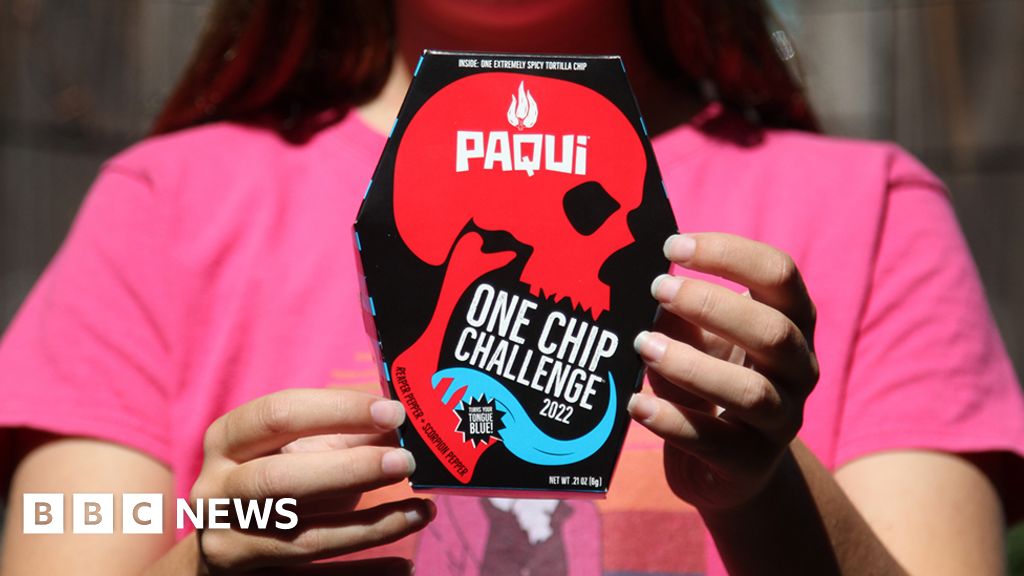
The packaging of the One Chip Challenge is perhaps its most vital brand asset. Eschewing the bright, appetizing colors of traditional snack aisles, Paqui opted for a coffin-shaped box adorned with a stylized skeleton. This visual identity communicates a clear message: this is not food; it is a dare.
The “coffin” serves as a physical prop for the digital era. It is instantly recognizable in a video thumbnail, providing the visual shorthand necessary for a “scroll-stopping” moment. The branding leans heavily into the “memento mori” aesthetic, signaling toughness and bravado to the target demographic. By aligning the brand with a sense of danger, Paqui successfully carved out a niche that traditional competitors like Frito-Lay could never occupy without risking their mass-market appeal.
Digital Amplification: Turning Consumers into Brand Ambassadors
The true genius of the One Chip Challenge lies in its ability to outsource its marketing department to its customers. The brand does not need to buy Super Bowl ads when millions of teenagers and influencers are willing to film themselves suffering for free. This is the epitome of User-Generated Content (UGC) as a core brand pillar.
The User-Generated Content Engine
The “challenge” aspect is a deliberate architectural choice in the brand’s design. By framing the consumption of the chip as a test of endurance—complete with specific “rules” (e.g., how long you can go without drinking water or milk)—Paqui created a gamified experience.
This structure is perfectly suited for platforms like TikTok, YouTube, and Instagram. Each video serves as a testimonial to the product’s “power.” In this ecosystem, the brand identity is co-authored by the community. The “what’s in the chip” becomes secondary to the reaction of the person eating it. This creates a feedback loop: the more people see the reaction, the more they want to test their own limits, leading to more content and more sales.
Influencer Partnerships and the “Race to the Top” of Pain
While organic UGC drove the bulk of the awareness, Paqui’s strategic selection of influencer partners allowed them to reach diverse subcultures. From professional athletes to high-profile YouTubers, the brand leveraged “social proof” to validate the challenge.

When a professional athlete struggles with the chip, it reinforces the brand’s promise of extreme intensity. This “race to the top” of pain creates a high barrier to entry for competitors. Other brands have tried to replicate the “one spicy item” model, but few have managed to capture the same level of cultural authority because Paqui was the first to successfully institutionalize the pain as a brand value.
Risk Management and the Downside of Extreme Branding
Building a brand on the foundation of “danger” is a high-risk, high-reward strategy. As the One Chip Challenge grew in popularity, it also grew in notoriety. This highlights a critical lesson in brand strategy: the more extreme your positioning, the more vulnerable you are to shifts in public sentiment and regulatory scrutiny.
Navigating Public Perception and Safety Concerns
In recent years, the One Chip Challenge has faced significant backlash due to hospitalizations and, tragically, reports of fatalities linked to the consumption of high-dose capsaicin by minors. This is the “dark side” of shock marketing. When a brand’s primary value proposition is “danger,” the brand becomes legally and ethically liable when that danger manifests in reality.
Paqui’s response—which included pulling the product from shelves and refining their warning labels—is a case study in crisis brand management. They had to balance the “rebel” identity of the brand with the “responsible corporate citizen” identity of their parent company. This tension often occurs when a niche, “edgy” brand is acquired by a large conglomerate. The brand must decide if the “shock” value is worth the potential damage to the corporate reputation.
The Ethical Boundaries of “Shock” Marketing
The One Chip Challenge forces us to ask: where should a brand draw the line? From a marketing perspective, the campaign was an unqualified success in terms of reach and ROI. However, from a brand longevity perspective, the reliance on extreme physical reactions can lead to a “burnout” effect.
If a brand is only as good as its last shock, it must constantly escalate to remain relevant. This escalation is often unsustainable. For Paqui, the challenge became so intense that it moved from “fun dare” to “public health concern” in the eyes of many. Maintaining brand equity in the face of such a transition requires a pivot from “shock” to “substance”—a transition that is notoriously difficult for brands built on a single viral hook.
Lessons for Modern Brand Managers
The One Chip Challenge is more than just a spicy snack; it is a blueprint for how brands can thrive in a fragmented media landscape. By focusing on experience, social currency, and digital-first design, Paqui built a powerhouse brand with minimal traditional advertising.
Balancing Engagement with Brand Longevity
The primary takeaway for brand managers is the importance of “Social Currency.” People didn’t buy the One Chip Challenge because they were hungry; they bought it because they wanted to be part of a conversation. Modern branding is increasingly about providing the tools for consumers to express themselves.
However, the cautionary tale here is the need for a “Plan B.” If your brand is built on a gimmick, you must have a strategy for what happens when the gimmick fades or becomes problematic. Paqui has attempted to use the visibility from the challenge to boost its core line of flavored tortilla chips (such as “Haunted Ghost Pepper”). The goal is to convert “challenge participants” into “brand loyalists” who buy their everyday products. This “halo effect” is the ultimate goal of any high-impact viral campaign.
The Future of High-Stakes Experiential Campaigns
As we move further into an era dominated by short-form video, we should expect to see more brands adopting the “One Chip” model. Whether it is the “Coldest Water Bottle” or “Extreme Fitness Challenges,” the move toward products that double as content engines is accelerating.
The brands that succeed will be those that can manage the “Three C’s”: Content (is it sharable?), Community (does it foster a sense of belonging?), and Control (can the brand survive the risks associated with the experience?). The One Chip Challenge proved that you can build a massive brand by selling a single, painful experience. But it also proved that in the world of brand strategy, the heat you generate can sometimes be enough to burn the house down if you aren’t careful.
In conclusion, “what’s in the chip” is a blend of capsaicin and corn, but “what’s in the brand” is a sophisticated mix of psychological triggers, digital savvy, and high-stakes risk management. For any marketer looking to capture the lightning-in-a-bottle success of a viral trend, the One Chip Challenge remains the definitive case study in both the power and the peril of the modern brand.
aViewFromTheCave is a participant in the Amazon Services LLC Associates Program, an affiliate advertising program designed to provide a means for sites to earn advertising fees by advertising and linking to Amazon.com. Amazon, the Amazon logo, AmazonSupply, and the AmazonSupply logo are trademarks of Amazon.com, Inc. or its affiliates. As an Amazon Associate we earn affiliate commissions from qualifying purchases.