
For decades, Target has occupied a unique psychological space in the American consumer consciousness. It wasn’t just a big-box retailer; it was “Tar-jay”—a place where the middle class could find high-design aesthetics at a price point that didn’t feel like a compromise. However, the recent landscape of retail has shifted dramatically. From economic pressures and changing consumer habits to high-profile cultural challenges, the question of “what’s happening to Target” has become a central case study in modern brand strategy. To understand where Target is going, we must look at how the brand is recalibrating its identity to survive an era where “cheap chic” is no longer enough to guarantee loyalty.

The Identity Crisis: Reconciling “Tar-jay” with a New Economic Reality
The core of the Target brand has always been its “Expect More. Pay Less.” promise. This value proposition worked exceptionally well during the early 2000s and 2010s, as it carved out a niche between the low-price dominance of Walmart and the high-end experience of specialty boutiques. However, the current economic environment has placed Target in a difficult position. Inflation and the rising cost of living have forced consumers to prioritize “needs” over “wants,” and Target’s brand identity is heavily weighted toward the latter.
The Allure of Affordable Luxury
Target’s primary brand differentiator is its design-led approach. By partnering with high-end designers like Isaac Mizrahi, Missoni, and more recently, Joanna Gaines, Target successfully convinced consumers that shopping at a discount retailer could be a status symbol. This “affordable luxury” niche is Target’s greatest strength but also its current vulnerability. When household budgets tighten, the “Target Run”—characterized by walking in for detergent and walking out with $200 worth of home décor and seasonal apparel—becomes less frequent. The brand is currently struggling to maintain its aspirational image while proving to consumers that it is just as price-competitive on daily essentials as its rivals.
Navigating the Value-Driven Consumer Shift
In response to these economic headwinds, Target has had to pivot its marketing strategy. There is a noticeable shift toward emphasizing value without eroding the brand’s premium feel. The brand is increasingly highlighting its “Deal Worthy” lines and seasonal discounts to combat the perception that it is more expensive than Walmart or Aldi. The challenge for Target’s brand strategists is to ensure that this focus on “value” doesn’t dilute the “chic” persona they have spent thirty years building. If Target becomes seen as just another discount warehouse, it loses the emotional connection that allows it to command slightly higher margins than its competitors.
The Brand Partnership Paradox: From High-Fashion Collabs to Private Label Dominance
Target’s merchandising strategy is the engine behind its brand identity. Unlike many retailers that simply act as distributors for national brands, Target acts as a curator. This curation happens through two main channels: limited-time designer collaborations and a robust portfolio of private-label “owned brands.”
The Designer Collaboration Legacy
The “Target effect” was built on the hype of limited-edition drops. These collaborations served as massive PR wins, positioning Target as a tastemaker. However, the novelty of these collaborations has faced diminishing returns in a saturated market. Today, what’s happening to Target is a refinement of this strategy. Instead of one-off flashes in the pan, the brand is looking for long-term partnerships—like the Ulta Beauty at Target shop-in-shops—that provide sustained reasons for foot traffic. These “brand-within-a-brand” concepts help Target leverage the brand equity of prestige names to elevate its own store environment.
The Pivot to Private Labels: Good & Gather and Threshold
Perhaps the most significant development in Target’s brand strategy is the explosive growth of its owned brands. Labels like Good & Gather in grocery, Threshold in home, and Cat & Jack in children’s apparel are not merely generic alternatives; they are lifestyle brands in their own right. Cat & Jack, for instance, has become a multi-billion dollar brand that rivals major national labels.
This shift toward private labels allows Target to control the entire brand experience—from packaging design to price point. It also creates a “moat” around the brand. You can’t buy Threshold pillows at Amazon or Walmart. By becoming a house of brands rather than a house of third-party products, Target is ensuring that its brand identity remains distinct and its margins remain protected, even as national brand loyalty fluctuates.

Cultural Headwinds and the Branding Safety Net
In the last 24 months, Target has found itself at the center of a cultural tug-of-war. For a brand that prides itself on being “mass-appeal,” navigating a polarized social landscape is a high-stakes balancing act. The brand’s historical strategy has been one of inclusivity and progressive marketing, but recent pushbacks have forced a re-evaluation of how it engages with social issues.
Managing Social Sensitivity in the Digital Age
What’s happening to Target today is a masterclass in corporate reputation management—or, as some critics might argue, a cautionary tale. When the brand faced backlash regarding its seasonal collections and social stances, it was forced to make difficult decisions regarding store layouts and product assortments. From a brand strategy perspective, this represents a shift from “bold advocacy” to “calculated neutrality.” Target is attempting to return to its roots as a “happy medium” for all Americans, but in doing so, it risks alienating the very demographic (younger, urban, socially-conscious shoppers) that fueled its growth over the last decade.
Consistency vs. Reactivity in Store Design
Brand identity is not just about logos; it’s about the physical environment. Target’s store design is legendary—wide aisles, bright lighting, and a red-and-white color palette that induces a “flow state” in shoppers. However, recent concerns over retail theft and safety have led to the implementation of locked glass cases for certain products. This is a significant brand touchpoint failure. The “Target experience” is predicated on tactile exploration. When that experience is interrupted by security measures, the brand promise of a “joyful shop” is compromised. The company is currently investing heavily in “reimagined” store formats that balance security with the open, aesthetic-driven environment that customers expect.
The Digital Omni-Channel Experience: Branding Beyond the Red Bullseye
As physical retail faces pressure, Target has been forced to redefine its brand in the digital space. The company’s digital transformation is perhaps the most successful part of its recent evolution, focusing on the concept of “omnichannel” retail—the idea that the brand should feel the same whether you are on an app, at a curb, or in an aisle.
The Drive-Up Revolution as a Brand Touchpoint
Target’s “Drive-Up” service has become a cornerstone of its brand identity. While many retailers offer curbside pickup, Target has branded the experience to be uniquely “on-brand.” The integration of Starbucks into the Drive-Up service is a genius branding move; it reinforces the “treat yourself” aspect of a Target run without requiring the customer to ever leave their car. This evolution shows that Target understands its brand is not just about the products it sells, but the convenience and small joys it provides to busy consumers.
Target Circle and the Power of Loyalty Data
The relaunch of “Target Circle” represents a move toward personalized branding. By using data to offer individualized deals, Target is moving away from “mass marketing” toward “one-to-one branding.” This allows the company to maintain its broad appeal while making every customer feel like the store is curated specifically for them. In the digital age, a brand is only as strong as its data, and Target is leveraging its loyalty program to ensure it remains relevant in an increasingly fragmented market.
Future-Proofing the Bullseye: Maintaining Relevance
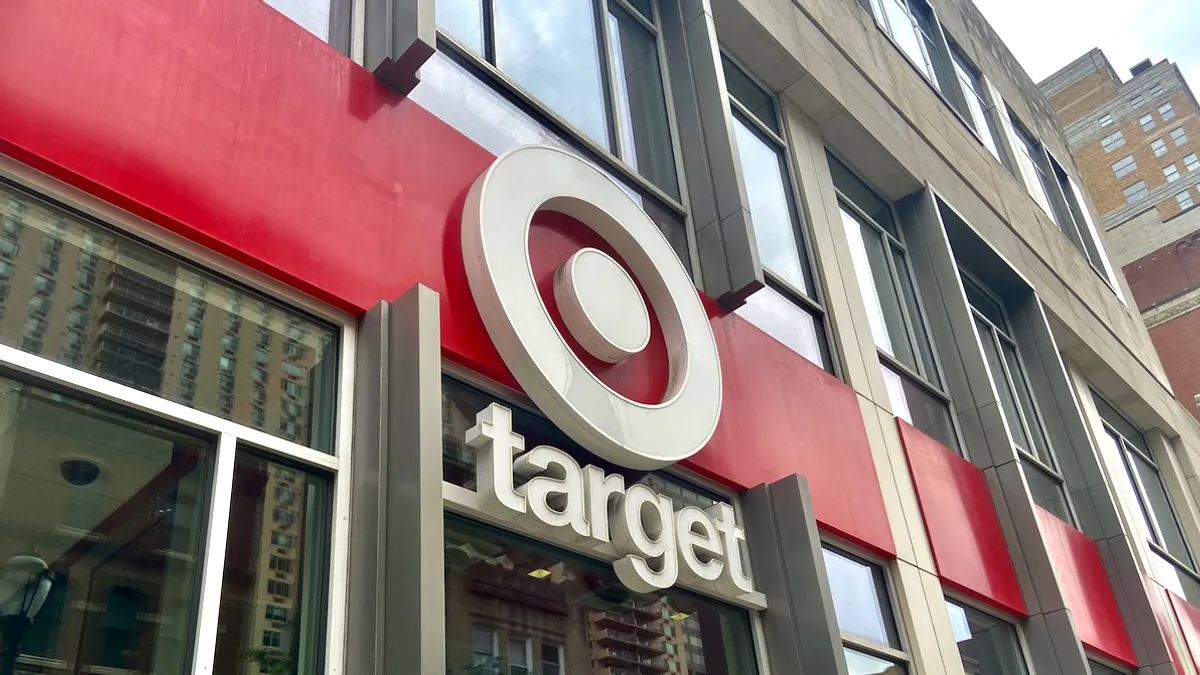
What is happening to Target is ultimately a process of maturation. The brand is no longer the scrappy underdog taking on Walmart; it is a massive incumbent facing the same pressures as any global corporation. To maintain its relevance, Target is doubling down on what made it famous: the intersection of design, value, and experience.
The future of the Target brand lies in its ability to be “everything to someone” rather than “something to everyone.” By leaning into its private labels, refining its digital convenience, and navigating cultural sensitivities with a more moderate hand, Target is attempting to solidify its position as the premier “mass-premium” retailer. The Bullseye remains one of the most recognized logos in the world, but the strategy behind it is becoming more complex, more data-driven, and more focused on long-term sustainability over short-term trends. Target is not just surviving; it is redesigning itself for a new era of retail where the brand is the greatest asset the company owns.
aViewFromTheCave is a participant in the Amazon Services LLC Associates Program, an affiliate advertising program designed to provide a means for sites to earn advertising fees by advertising and linking to Amazon.com. Amazon, the Amazon logo, AmazonSupply, and the AmazonSupply logo are trademarks of Amazon.com, Inc. or its affiliates. As an Amazon Associate we earn affiliate commissions from qualifying purchases.