
For decades, Puerto Rico was viewed primarily through the lens of its colonial history or its status as a Caribbean vacation destination. However, a significant shift has occurred over the last ten years, transforming the archipelago into a sophisticated hub for personal finance optimization, corporate expansion, and high-stakes real estate investment. Driven by aggressive tax incentives and a restructuring of its public debt, the “Island of Enchantment” is currently undergoing an economic metamorphosis that is attracting everyone from Silicon Valley tech entrepreneurs to institutional real estate investors.
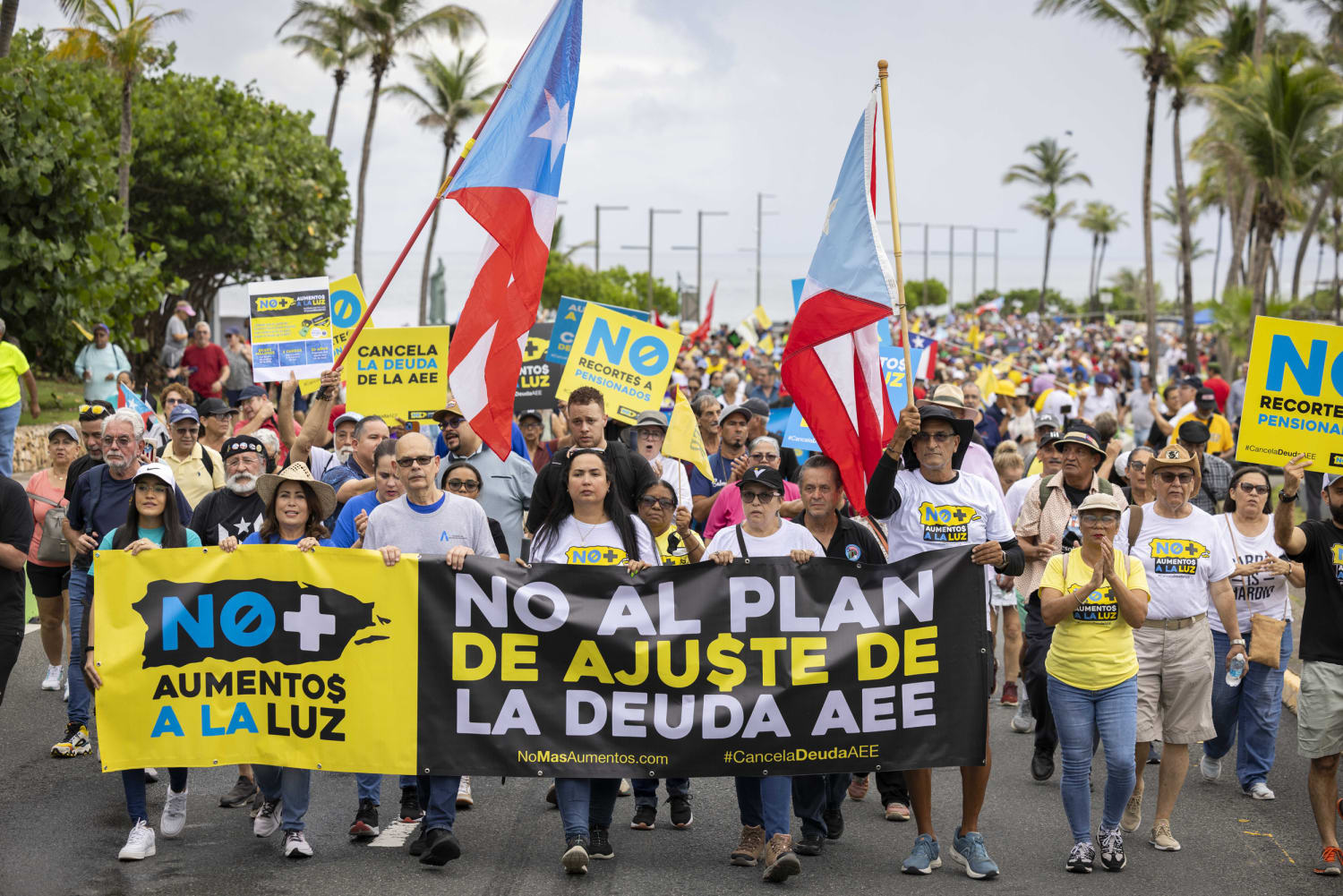
To understand what is happening in Puerto Rico today from a financial perspective, one must look past the headlines of infrastructure challenges and examine the underlying fiscal mechanisms that are rewriting the island’s economic DNA.
The Act 60 Paradigm: A Magnet for Wealth and Business
The most significant driver of the current economic influx is Act 60, known as the Puerto Rico Incentives Code. This legislation consolidated several earlier acts—most notably Act 20 (The Export Services Act) and Act 22 (The Individual Investors Act)—into a single, comprehensive framework designed to attract external capital and foster local economic growth.
The Individual Investor Incentive
Under the individual investor portion of Act 60, new residents of Puerto Rico can benefit from a 0% tax rate on dividends, interest, and all capital gains accrued after becoming a resident. For high-net-worth individuals, particularly those in the trading, cryptocurrency, and venture capital spaces, this represents an unparalleled opportunity for tax alpha. Unlike many offshore tax havens, Puerto Rico is a U.S. territory, meaning investors do not have to renounce their U.S. citizenship to take advantage of these rates, though they must meet strict residency requirements, including spending at least 183 days a year on the island.
Export Services and Corporate Strategy
Beyond individual wealth, Puerto Rico has positioned itself as a premier destination for “Export Services.” Companies based on the island that provide services to clients outside of Puerto Rico—ranging from software development and centralized management to consulting and creative arts—enjoy a flat corporate income tax rate of just 4%.
This has led to a burgeoning ecosystem of boutique firms and remote-first corporations relocating their headquarters to San Juan or Dorado. By decoupling the business’s physical location from its client base, entrepreneurs are maximizing their bottom line and reinvesting those savings into scaling their operations, creating a cycle of professional service growth that is unique to the Caribbean.
The Real Estate Renaissance and the Commercial Surge
The influx of capital through Act 60 has had a profound “multiplier effect” on the Puerto Rican real estate market. What began as a niche interest in luxury beachfront properties has expanded into a full-scale real estate renaissance involving residential, commercial, and industrial sectors.
Luxury Residential and the “Dorado Effect”
Areas like Dorado Beach, Condado, and Bahia Beach have seen property values skyrocket as demand outpaces supply. This “Dorado Effect” is characterized by the development of ultra-luxury gated communities and high-end condominiums that cater to the needs of the newly arrived investor class. However, the investment opportunity is not limited to the high end. Savvy investors are increasingly looking at “fix-and-flip” opportunities in emerging neighborhoods like Santurce and Miramar, which are becoming cultural and culinary epicenters.
The Short-Term Rental Gold Mine
The short-term rental (STR) market remains one of the most popular side hustles and business models for both local and mainland investors. With Puerto Rico’s tourism industry hitting record-breaking numbers in post-pandemic years, platforms like Airbnb and VRBO have become essential components of the island’s tourism infrastructure. Investors are acquiring multi-unit properties, converting them into boutique short-term stays, and generating yields that often far exceed traditional long-term rentals. This trend, while lucrative, has also sparked significant debate regarding housing affordability for local residents, leading to a tightening of regulations that investors must now navigate with precision.

Commercial and Industrial Rebound
On the commercial side, there is a growing demand for Class A office space and modern co-working hubs to accommodate the influx of Act 60 businesses. Simultaneously, Puerto Rico’s long-standing history as a pharmaceutical manufacturing powerhouse is being revitalized. Federal initiatives to “nearshore” the production of critical medical supplies have put Puerto Rico’s industrial parks back in the spotlight, attracting institutional investment into logistics and specialized manufacturing facilities.
Diversifying Income: The Rise of the Caribbean Startup Ecosystem
While tax incentives and real estate dominate the conversation, a quieter but equally significant movement is happening in the world of venture capital and entrepreneurship. Puerto Rico is no longer just a place to store wealth; it is increasingly a place to create it.
The “Silicon Island” Ambition
Organizations like Parallel18, a top-tier startup accelerator, have been instrumental in fostering a local tech ecosystem. By providing grants and mentorship to both local and international startups, Puerto Rico is building a reputation as a bridge between the U.S. market and Latin America. We are seeing a surge in FinTech, EdTech, and HealthTech companies that are leveraging the island’s unique bilingual workforce and lower operational costs.
Investing in Renewable Energy and Infrastructure
The fragility of Puerto Rico’s power grid has, paradoxically, created one of the most active markets for renewable energy investment in the Western Hemisphere. The transition toward solar energy and battery storage is not just a necessity for resilience; it is a massive business opportunity. Companies specializing in residential solar installations, industrial-scale microgrids, and energy-as-a-service (EaaS) models are seeing unprecedented growth. For the private investor, this sector offers a blend of ESG (Environmental, Social, and Governance) impact and consistent long-term returns.
Navigating the Fiscal Landscape: Debt Restructuring and Stability
One cannot discuss the money moving through Puerto Rico without addressing the elephant in the room: the island’s historical debt crisis. For years, the cloud of bankruptcy hindered large-scale institutional investment. However, the tide has turned significantly with the execution of the Plan of Adjustment.
The Role of the Oversight Board
Under the federal PROMESA Act, an Oversight Board was established to restructure Puerto Rico’s billions in debt and return the island to fiscal responsibility. The successful restructuring of the central government’s debt has provided a level of financial predictability that was absent for a generation. This newfound stability is a “green light” for institutional bondholders and large-scale developers who require long-term fiscal clarity before committing significant capital.
Federal Funding and Infrastructure Spend
Adding to the private capital influx is a massive wave of federal recovery funding. Tens of billions of dollars from FEMA and CDBG-DR (Community Development Block Grant for Disaster Recovery) are currently being deployed to modernize the island’s roads, bridges, and electrical grid. This public spending acts as a massive stimulus, creating opportunities for construction firms, engineering consultancies, and specialized financial services providers.

The Future Outlook: Risks and Rewards
As Puerto Rico continues its trajectory as a financial and entrepreneurial hub, the landscape remains a complex mix of high reward and calculated risk. The “what’s happening” in Puerto Rico is essentially a grand economic experiment in whether tax-driven migration and fiscal restructuring can provide sustainable, long-term prosperity.
For the individual investor or the business strategist, the island offers a unique proposition: a U.S. jurisdiction with the tax flexibility of an international territory, a resilient and educated workforce, and a real estate market that is still catching up to its true potential. However, success in this environment requires more than just capital; it requires an understanding of the local cultural nuances, a commitment to legal compliance, and a vision that aligns with the island’s long-term growth.
The narrative of Puerto Rico is shifting from one of recovery to one of opportunity. As the island matures into its role as a Caribbean financial powerhouse, the eyes of the investing world will remain fixed on this 100-by-35-mile stretch of land, watching as it redefines what is possible for a modern economy in the 21st century.
aViewFromTheCave is a participant in the Amazon Services LLC Associates Program, an affiliate advertising program designed to provide a means for sites to earn advertising fees by advertising and linking to Amazon.com. Amazon, the Amazon logo, AmazonSupply, and the AmazonSupply logo are trademarks of Amazon.com, Inc. or its affiliates. As an Amazon Associate we earn affiliate commissions from qualifying purchases.