
The Financial Investment of Higher Education
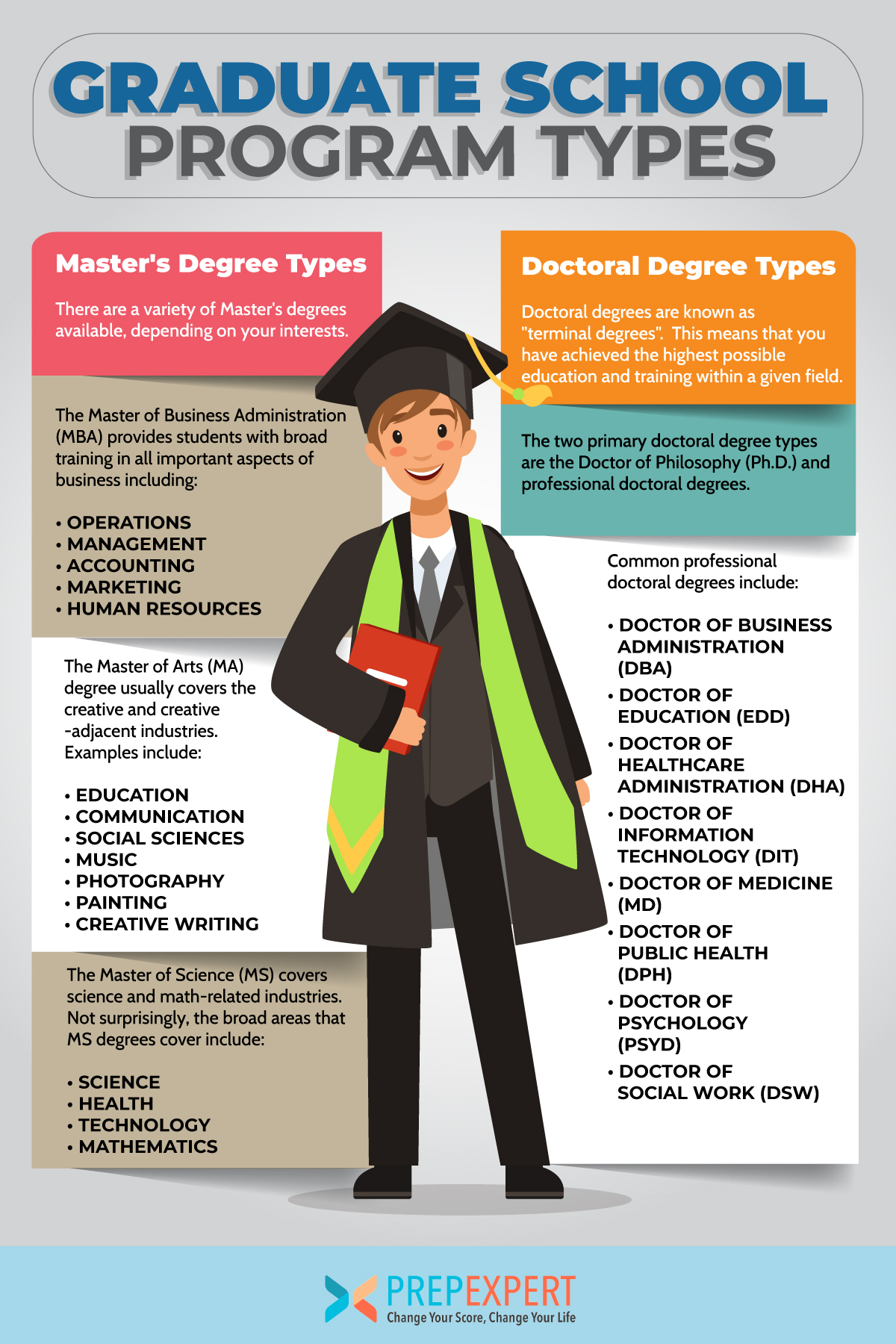
Graduate school represents a significant step beyond undergraduate studies, offering advanced degrees like Master’s, Ph.D., and specialized professional degrees (e.g., MBA, JD, MD). While the academic and career motivations are often primary, the decision to pursue graduate education is fundamentally a substantial financial investment that demands careful consideration and strategic planning. Understanding the monetary commitment required is the first critical step for any prospective student. This isn’t merely about paying tuition; it encompasses a broader range of expenses and financial opportunities that will shape one’s personal finance landscape for years to come.
Understanding the Direct Costs: Tuition and Fees
The most obvious financial component of graduate school is tuition. This varies dramatically based on the type of institution (public vs. private), residency status (in-state vs. out-of-state), program length, and the specific field of study. Professional degrees in fields like medicine, law, or business often carry the highest tuition rates, reflecting the specialized training and potential for high post-graduation earnings.
Public universities typically offer lower tuition rates for in-state residents, a crucial factor for budgeting. Out-of-state and international students often face tuition rates two to three times higher. Private institutions generally have uniform, higher tuition rates regardless of residency. Beyond the base tuition, students must also account for mandatory fees, which can include technology fees, health service fees, library fees, student activity fees, and program-specific surcharges. These fees can collectively add thousands of dollars per year to the overall cost, making it essential to obtain a comprehensive breakdown from prospective programs.
Furthermore, some programs require specific materials, lab fees, travel for conferences, or clinical rotations, all of which contribute to the direct financial outlay. It’s imperative to thoroughly research the published cost of attendance for each program of interest, distinguishing between direct institutional charges and broader living expenses.
Beyond Tuition: Living Expenses and Opportunity Costs
While tuition and fees are direct payments to the institution, living expenses constitute a major, often overlooked, portion of the total cost of graduate school. These include rent, utilities, groceries, transportation, health insurance (if not provided by the university), textbooks, personal care, and discretionary spending. The cost of living varies significantly by geographic location; pursuing a degree in a major metropolitan area will invariably be more expensive than in a smaller college town.
Many graduate students are unable to maintain full-time employment due to the rigorous demands of their studies, leading to a substantial opportunity cost. This refers to the income forgone while attending school. For someone entering graduate school directly after an undergraduate degree, this might mean delaying entry into the full-time workforce. For those returning to academia after several years in a career, the opportunity cost can be even higher, representing a loss of an established salary, benefits, and career progression during the period of study. Quantifying this lost income is crucial for a complete financial assessment of graduate education. It’s not just money spent, but also money not earned. Considering these factors provides a more holistic view of the true financial sacrifice involved in pursuing an advanced degree.
Funding Your Graduate Degree: Strategies and Considerations
Given the substantial financial commitment, understanding the various funding avenues available for graduate education is paramount. A multi-pronged approach combining different sources is often the most effective strategy to minimize out-of-pocket expenses and reduce post-graduation debt.
Exploring Scholarships, Grants, and Fellowships
Non-repayable aid represents the most desirable form of financial assistance.
Scholarships are merit-based or need-based awards that do not require repayment. They can be offered by the university itself, specific departments, professional organizations, private foundations, or corporations. While some scholarships are specific to undergraduate studies, many are available for graduate students, particularly those with strong academic records or specific research interests.
Grants are typically need-based, though some are tied to specific projects or demographic groups. Federal grants for graduate students are less common than for undergraduates, but state-specific grants or institutional grants may be available.
Fellowships are highly prestigious awards, often competitive and merit-based, designed to support graduate students (especially Ph.D. candidates) by covering tuition and/or providing a living stipend. They are frequently tied to research projects, academic excellence, or specific fields of study and can be a game-changer for financial solvency during graduate school. Students should diligently search for internal university fellowships as well as external national and international opportunities. Early application and strong application materials are key to securing these competitive funds.
Navigating Student Loans: Public vs. Private
For many graduate students, loans become a necessary component of their financial plan. Understanding the differences between federal and private loans is crucial for making informed borrowing decisions.
Federal Student Loans are often the preferred option due to their more favorable terms. The most common for graduate students are Direct Unsubsidized Loans. Unlike subsidized loans, interest accrues on Direct Unsubsidized Loans while the student is in school, during the grace period, and during deferment or forbearance. However, they offer benefits such as fixed interest rates, income-driven repayment plans, and potential eligibility for public service loan forgiveness (PSLF) programs. Graduate students can also access Direct PLUS Loans, which are credit-based but still offer federal protections and benefits.
Private Student Loans are offered by banks, credit unions, and other private lenders. They generally have variable interest rates (which can increase over time), fewer repayment flexibility options, and lack the federal protections of government loans. Private loans typically require a strong credit history or a co-signer. They should generally be considered only after exhausting all federal loan options and non-repayable aid, and only for the amount absolutely necessary to cover the remaining gap. Comparing interest rates, fees, and repayment terms across multiple lenders is essential if private loans are pursued.
The Role of Assistantships and Work-Study Programs
Many graduate programs, particularly Ph.D. programs, offer graduate assistantships (teaching assistantships, research assistantships, or administrative assistantships). These positions involve working a certain number of hours per week for the university, often in exchange for a tuition waiver (partial or full) and a living stipend. This combination significantly reduces both direct costs and the need for loans, while also providing valuable professional experience. Assistantships are highly competitive and often integral to a program’s funding package for its students.
Work-study programs are federal programs that provide part-time jobs for students with financial need, allowing them to earn money to help pay education expenses. While less common for graduate students than assistantships, they can still be an option for some, offering flexibility around study schedules. These funds are earned through employment and do not need to be repaid. Pursuing these avenues can drastically reduce the financial burden of graduate school.
Evaluating the Return on Investment (ROI)

Considering graduate school purely as an investment necessitates a thorough evaluation of its potential return. This involves not only looking at the immediate costs but also projecting future earnings, career progression, and the less tangible benefits that can still have financial implications.
Potential for Increased Earning Potential
One of the most compelling financial arguments for graduate school is the potential for increased earning potential. Data consistently shows that individuals with master’s, doctoral, or professional degrees generally earn significantly more over their lifetime than those with only a bachelor’s degree. For example, an MBA can lead to substantial salary bumps in corporate roles, while a Ph.D. opens doors to higher-paying research and academic positions. Medical and law degrees inherently qualify individuals for professions with very high earning ceilings.
However, the ROI varies greatly by field. A master’s in a high-demand STEM field (e.g., engineering, data science) might offer a quicker and more substantial salary increase than a master’s in certain humanities fields, where the financial return might be less immediate or direct. It’s crucial for prospective students to research salary expectations for their chosen field and degree level, using resources like the Bureau of Labor Statistics (BLS) and professional association salary surveys, to make an informed financial projection. This involves comparing the potential salary increase against the cost of education and the opportunity cost of lost earnings during study.
Career Advancement and Long-Term Financial Stability
Beyond initial salary, graduate degrees often unlock opportunities for career advancement that would otherwise be inaccessible. Many leadership, research, and specialized positions require an advanced degree. This can translate into faster promotions, greater job security, and access to more senior roles with corresponding higher salaries and better benefits packages over the long term.
A graduate degree can act as a differentiating factor in competitive job markets, signaling a higher level of expertise, commitment, and critical thinking skills. This can lead to increased bargaining power for salaries and improved job prospects during economic downturns, contributing to greater long-term financial stability. For those seeking a career change, a graduate degree can be a necessary credential to enter a new, potentially more lucrative, field. The value here extends beyond just a starting salary and impacts an entire career trajectory.
Non-Monetary Benefits with Financial Implications
While difficult to quantify directly, several non-monetary benefits of graduate school can have significant indirect financial implications. Enhanced professional networks, built through interactions with professors, peers, and alumni, can be invaluable for job opportunities, mentorship, and business collaborations throughout a career. A robust network can open doors to higher-paying positions or entrepreneurial ventures.
Furthermore, the development of advanced critical thinking, research, and problem-solving skills acquired in graduate school is highly valued by employers across various sectors. These skills can lead to higher performance in the workplace, which, in turn, can result in promotions, bonuses, and greater overall earning potential. The intellectual fulfillment and personal growth gained from pursuing a graduate degree, while not directly financial, can contribute to job satisfaction and overall well-being, potentially influencing career longevity and mental health, which have indirect financial benefits. These intangible assets often contribute to a more fulfilling and financially secure professional life.
Financial Planning for Graduate School Success
Embarking on graduate school without a robust financial plan is a recipe for stress and potential debt problems. Proactive planning is essential not only for managing costs during the program but also for ensuring a smooth financial transition post-graduation.
Budgeting and Debt Management
Before applying, create a detailed budget that accounts for all estimated costs: tuition, fees, living expenses, health insurance, books, and miscellaneous personal expenses. Projecting these costs for the entire duration of the program is crucial. Alongside this, identify all potential sources of funding, prioritizing scholarships, grants, and assistantships. If loans are necessary, determine the minimum amount required to cover the remaining gap and stick to that number.
During graduate school, maintaining a strict budget is paramount. Tracking expenses, living frugally, and avoiding unnecessary debt accumulation are key. If working a part-time job or an assistantship, incorporate that income into your budget. Regularly review your financial situation to make adjustments as needed. For existing undergraduate debt, explore options for deferment or forbearance during graduate school, but be aware that interest may continue to accrue on unsubsidized loans, increasing the principal balance. Proactive debt management means understanding the terms of all your loans and making informed decisions about repayment while studying.
Post-Graduation Financial Outlook and Loan Repayment
A critical part of graduate school financial planning involves looking beyond graduation. Research typical starting salaries for your intended profession with your advanced degree. Use this information to project your post-graduation income and create a realistic loan repayment strategy.
Understand the repayment terms of your student loans. Federal loans typically have a six-month grace period before repayment begins. Explore different repayment plans, such as the standard 10-year plan, extended repayment plans, or income-driven repayment (IDR) plans, which adjust monthly payments based on income and family size. If you qualify for public service loan forgiveness (PSLF), understand its strict requirements and track your qualifying employment and payments from the outset. For private loans, be aware of their less flexible terms and higher interest rates, which can accelerate debt accumulation. Creating a detailed post-graduation budget and debt repayment schedule will provide clarity and help mitigate financial anxiety.
Is Graduate School Right for Your Financial Goals?
Ultimately, the decision to pursue graduate school from a financial perspective comes down to a personal cost-benefit analysis. Is the potential increase in earning power, career advancement, and professional fulfillment worth the direct costs, opportunity costs, and potential debt burden? For some, the answer will be a resounding yes, particularly in fields where advanced degrees are mandatory for entry or significant progression. For others, a less expensive certification or direct entry into the workforce might offer a better immediate financial return.
Consider your personal financial situation, career aspirations, risk tolerance, and the specific program’s costs and projected outcomes. Have you exhausted all other avenues for career growth without an advanced degree? Can you realistically afford the investment without jeopardizing your financial stability? Speaking with professionals in your target field about the value of an advanced degree, consulting financial aid advisors, and rigorously crunching the numbers will provide the clearest picture of whether graduate school aligns with your long-term financial goals and overall well-being.
aViewFromTheCave is a participant in the Amazon Services LLC Associates Program, an affiliate advertising program designed to provide a means for sites to earn advertising fees by advertising and linking to Amazon.com. Amazon, the Amazon logo, AmazonSupply, and the AmazonSupply logo are trademarks of Amazon.com, Inc. or its affiliates. As an Amazon Associate we earn affiliate commissions from qualifying purchases.