
In the dynamic world of digital marketing, staying ahead means leveraging powerful platforms and demonstrating expert proficiency. Among the most recognized credentials for agencies and marketing professionals is the Google Partners program. Far more than just a badge, “Google Partner Setup” refers to the intricate process of understanding, qualifying for, and effectively utilizing Google’s comprehensive ecosystem designed to empower businesses and individuals who manage Google Ads accounts on behalf of clients. It’s a structured framework that validates expertise, unlocks specialized resources, and ultimately drives client success. This setup isn’t merely a one-time configuration; it’s an ongoing commitment to best practices, continuous learning, and strategic application of Google’s advertising technology.
At its core, Google Partner Setup involves an agency or individual connecting their Google Ads Manager Account (MCC) to the Google Partners platform, meeting specific performance metrics, achieving certifications, and adhering to Google’s rigorous standards. This article delves into the technical, procedural, and strategic aspects of this critical setup, offering a roadmap for digital marketing professionals aiming to elevate their game and solidify their position as trusted advisors in the advertising landscape.
Understanding the Google Partners Program
The Google Partners program is Google’s dedicated initiative to support advertising agencies, digital marketing professionals, and other third parties who manage Google Ads accounts for other brands or businesses. It provides them with the tools, resources, and support they need to help their clients succeed. The “setup” is the gateway to accessing these benefits, signifying a commitment to excellence in managing Google Ads campaigns.
What is the Google Partners Program?
The program aims to create a network of highly skilled advertising professionals and agencies who can effectively deliver results using Google Ads. By becoming a Google Partner, agencies signal their proficiency and trustworthiness to potential clients. Google itself invests heavily in this program to ensure its advertising ecosystem remains robust and provides value to advertisers of all sizes. It’s a symbiotic relationship where Google provides the platform and support, and partners bring expertise and client relationships.
Who is it For?
The Google Partners program is primarily designed for:
- Digital Marketing Agencies: Companies that manage multiple Google Ads accounts for various clients.
- Freelance Marketing Consultants: Individuals offering specialized Google Ads management services.
- In-house Marketing Teams: Larger organizations that want to validate their internal team’s expertise and access partner benefits (though the focus is generally on third-party managers).
It’s for anyone whose business revolves around driving results through Google Ads and who seeks to enhance their credibility and access advanced resources.
The Value Proposition of Partner Status
Achieving Google Partner status comes with a compelling suite of advantages that can significantly impact an agency’s growth and client retention. These include:
- Credibility and Trust: The Google Partner badge is a universally recognized symbol of expertise and reliability within the digital marketing industry. It assures potential clients that their advertising budget is in capable hands.
- Access to Google Support: Partners gain access to dedicated Google account teams and support, providing faster resolutions to issues, strategic guidance, and beta access to new features.
- Educational Resources: Exclusive training materials, market insights, and thought leadership content help partners stay updated with the latest trends and best practices.
- Promotional Offers: Agencies can offer their clients promotional Google Ads credits, which can be a powerful incentive for new business.
- Networking Opportunities: Access to exclusive events and communities fosters peer learning and collaboration.
- Specializations: Partners can earn specializations (e.g., Search, Display, Shopping, Video, App) to further highlight their expertise in specific areas of Google Ads, making them more attractive to clients with particular needs.
The Core Pillars of Google Partner Setup
Achieving and maintaining Google Partner status revolves around three fundamental pillars: Performance, Spend, and Certifications. These aren’t just arbitrary requirements; they are designed to ensure partners are delivering high-quality service and achieving measurable results for their clients. The “setup” process meticulously checks for compliance with these pillars.
Pillar 1: Performance
This is arguably the most critical pillar, as it directly reflects an agency’s ability to drive successful outcomes for clients. Google evaluates account performance based on several factors, all aimed at ensuring clients achieve strong results and growth.
- Optimization Score: Google provides an Optimization Score within each Google Ads account, indicating how well an account is set up to perform based on recommended best practices. Partners are expected to maintain a high optimization score across their managed client accounts. This isn’t just about applying recommendations blindly; it’s about making informed decisions that lead to tangible improvements.
- Client Growth: The program looks at whether partners are successfully growing their clients’ businesses, which can be measured through various metrics like conversions, return on ad spend (ROAS), or lead generation, depending on the client’s objectives.
- Retention: High client retention rates signal effective account management and client satisfaction, which are key indicators of a strong partner.
- Diversification: While not strictly a performance metric, Google encourages partners to diversify their clients’ advertising efforts across various Google Ads products (Search, Display, Video, Shopping, Apps) to ensure robust and comprehensive strategies.
Pillar 2: Ad Spend
While performance is paramount, Google also requires partners to manage a significant level of ad spend, indicating an active and substantial presence in the Google Ads ecosystem.
- Minimum Spend Threshold: Agencies must maintain a 90-day ad spend of at least $10,000 USD (or local currency equivalent) across their managed client accounts. This demonstrates an agency’s ability to attract and manage substantial advertising budgets, suggesting a solid client base and operational capacity. This threshold ensures that partners are actively engaged with the platform and have a broad enough base to apply best practices consistently.
Pillar 3: Certifications
Certifications validate the individual expertise within an agency. They ensure that the people managing client accounts possess the foundational and advanced knowledge required to operate Google Ads effectively.
- Google Ads Certifications: At least 50% of an agency’s account strategists must be certified in Google Ads. This involves passing various Google Ads certification exams available through Skillshop, covering areas like Search, Display, Video, Shopping, and Apps. Each certification typically requires passing an exam that tests knowledge of Google Ads products, policies, and best practices.
- Continuous Learning: These certifications need to be renewed periodically, encouraging continuous learning and ensuring that strategists remain updated with Google Ads’ ever-evolving features and functionalities. The technical setup for these involves individuals creating a Skillshop profile, linking it to their company, and passing the required exams.
Navigating the Setup Process: Step-by-Step
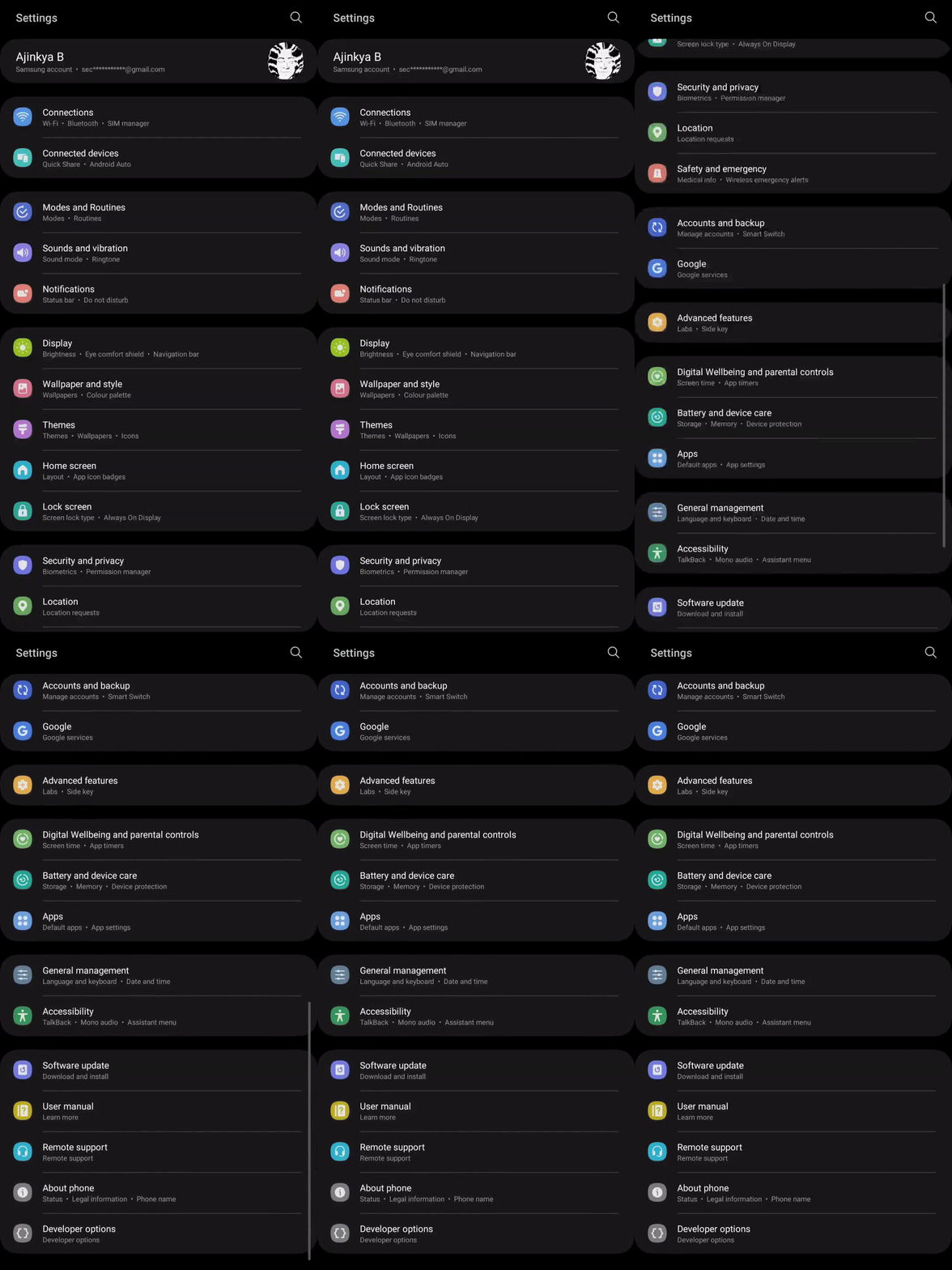
The journey to becoming a Google Partner, or maintaining that status, involves a clear, step-by-step technical and administrative process. Successfully navigating this “setup” is crucial for unlocking the full suite of program benefits.
Step 1: Initial Registration and MCC Linking
The first step is to register your company for the Google Partners program.
- Create a Google Ads Manager Account (MCC): If you don’t already have one, set up an MCC. This is a crucial central hub for managing all your client Google Ads accounts.
- Register on the Google Partners Website: Visit the Google Partners website and sign up using a Google account associated with your MCC.
- Link Your MCC: During the registration process, you’ll be prompted to link your MCC to your Google Partners profile. This connection is fundamental as it allows Google to assess your agency’s collective performance, spend, and certifications across all managed client accounts. It’s the technical bridge that allows Google to aggregate the data necessary for qualification.
Step 2: Meeting Qualification Requirements
Once linked, the system begins to evaluate your agency against the three core pillars:
- Performance Monitoring: Google’s algorithms continuously assess the Optimization Score and overall performance metrics of your linked client accounts. You’ll need to actively work on improving and maintaining a high optimization score by implementing relevant recommendations and demonstrating client growth. The setup involves leveraging the recommendations tab in Google Ads, conducting regular account audits, and applying strategic adjustments.
- Achieving Spend Threshold: Ensure your agency collectively manages at least $10,000 USD in ad spend over a 90-day period. This often means actively onboarding new clients or expanding campaigns for existing ones. Google’s system automatically tracks this spend via your linked MCC.
- Certifying Your Team: Encourage and facilitate your account strategists to get certified through Google Skillshop. Each individual creates a Skillshop profile, passes the necessary Google Ads exams, and then links their Skillshop profile to your company’s Google Partners profile. The “setup” here is ensuring individuals correctly associate their certifications with the agency’s profile for aggregation.
Step 3: Maintaining Your Partner Status
Achieving Partner status is not a one-off event. It requires continuous effort and adherence to Google’s standards.
- Ongoing Monitoring: Google continually monitors your agency’s performance, spend, and certifications. Falling below the thresholds for any of these pillars can result in the loss of your Partner badge.
- Regular Optimization: Consistently apply best practices to client accounts to maintain high Optimization Scores and drive client success.
- Certification Renewal: Ensure that your team’s certifications are renewed before they expire, keeping your agency compliant with the certification requirement. This involves revisiting Skillshop and passing updated exams.
- Adherence to Policies: Strictly follow Google Ads policies and guidelines. Non-compliance can lead to account suspensions or removal from the program, regardless of performance metrics.
Maximizing Your Google Partner Status
Once Google Partner status is achieved, the “setup” shifts from qualification to strategic utilization. It’s about proactively leveraging the available tools and resources to enhance your agency’s offerings and drive even greater success.
Leveraging the Google Partner Badge and Dashboard
The most visible benefit is the Google Partner badge itself.
- Marketing and Branding: Prominently display the badge on your website, marketing materials, and email signatures. It’s a powerful trust signal that immediately communicates your agency’s verified expertise. The setup here involves integrating the badge effectively into your digital presence.
- Partner Directory Listing: Google lists Partners in its Partner Search directory, allowing potential clients to find qualified agencies. Ensuring your agency’s profile is complete, up-to-date, and showcases your specializations is a critical part of the ongoing setup to attract new leads.
- Partner Dashboard: The Google Partners dashboard is your central hub for managing your status, viewing insights, and accessing exclusive resources. Understanding how to navigate this dashboard effectively is key to utilizing the program’s full potential. It provides a holistic view of your agency’s progress against the requirements and offers access to learning paths, support, and promotional offers.
Utilizing Specializations and Advanced Tools
Beyond the basic Partner status, agencies can earn Specializations and leverage advanced tools.
- Earning Specializations: By demonstrating deep expertise and significant client success in specific areas (e.g., Search Advertising, Display Advertising, Video Advertising, Shopping Advertising, App Advertising), agencies can earn Specializations. These require meeting higher thresholds in specific product areas and having certified individuals in those fields. This allows agencies to market themselves more effectively for niche client needs.
- Beta Access and Exclusive Insights: Partners often get early access to new Google Ads features, beta programs, and advanced market insights. Integrating these into client strategies can provide a competitive edge. The “setup” here involves active participation in beta programs and diligently reviewing provided insights to apply them to client accounts.
- Dedicated Account Support: Working with a dedicated Google account team can provide invaluable strategic guidance, help troubleshoot complex issues, and offer personalized recommendations. Establishing a strong relationship with this team is a key part of maximizing the partner setup.
Continuous Improvement and Client Value
The ultimate goal of the Google Partner setup is to deliver superior value to clients.
- Applying Best Practices: Consistently apply the latest Google Ads best practices and leverage automation features to optimize campaign performance and efficiency.
- Reporting and Transparency: Provide clear, transparent, and insightful reporting to clients, demonstrating the value you bring and linking campaign performance back to their business objectives.
- Proactive Strategy: Use the insights and resources from the Partners program to develop innovative and proactive strategies for your clients, helping them navigate market changes and capitalize on new opportunities.
Challenges and Future Outlook of Google Partner Setup
While the benefits are substantial, the Google Partner Setup journey is not without its challenges. Understanding these and anticipating future trends is vital for sustained success.
Common Hurdles in the Setup Process
- Meeting Performance Metrics: Maintaining consistently high Optimization Scores and proving client growth can be challenging, especially with diverse client portfolios or in highly competitive industries. It requires constant vigilance and strategic adaptation.
- Managing Certification Renewals: With team turnover and evolving exam content, ensuring a sufficient number of certified individuals at all times can be an administrative burden.
- Ad Spend Fluctuations: Client budgets can fluctuate, making it difficult to consistently meet the minimum spend threshold, particularly for smaller or newer agencies.
- Policy Compliance: Google’s policies are extensive and frequently updated. Staying fully compliant across all client accounts requires careful oversight and continuous education.
- Evolving Program Requirements: Google occasionally updates the Partner program requirements, which necessitates agencies to adapt quickly to new benchmarks or criteria.
The Evolving Landscape of Digital Advertising
The digital advertising world is constantly changing, driven by technological advancements like AI, shifts in privacy regulations, and evolving consumer behavior.
- Impact of AI and Automation: Google Ads is increasingly leveraging AI for smart bidding, automated campaigns, and performance recommendations. Future Partner setup will likely emphasize an agency’s ability to effectively integrate and manage these AI-powered tools rather than purely manual optimization. Partners will need to understand the underlying machine learning principles to truly optimize these systems.
- Data Privacy and Measurement: With the deprecation of third-party cookies and increased privacy regulations, the ability to implement robust first-party data strategies and utilize privacy-centric measurement solutions will become even more critical for partner agencies.
- Cross-Platform Integration: As Google’s ecosystem expands (e.g., YouTube, Google Maps, Play Store), future Partner programs may place greater emphasis on integrated strategies across multiple Google properties, requiring agencies to broaden their expertise beyond traditional search and display.
- Emphasis on Business Outcomes: The focus will continue to shift from purely ad performance metrics to tangible business outcomes for clients. Partners who can clearly demonstrate ROI and impact on client’s bottom line will be most successful.
In conclusion, “Google Partner Setup” is a multifaceted process that demands technical proficiency, strategic acumen, and a commitment to continuous improvement. It is a testament to an agency’s ability to navigate Google’s advertising technology effectively and deliver exceptional results for clients. By mastering this setup, digital marketing professionals not only gain a powerful competitive advantage but also position themselves at the forefront of the ever-evolving digital landscape, ready to tackle future challenges and capitalize on emerging opportunities within the vast Google ecosystem.
aViewFromTheCave is a participant in the Amazon Services LLC Associates Program, an affiliate advertising program designed to provide a means for sites to earn advertising fees by advertising and linking to Amazon.com. Amazon, the Amazon logo, AmazonSupply, and the AmazonSupply logo are trademarks of Amazon.com, Inc. or its affiliates. As an Amazon Associate we earn affiliate commissions from qualifying purchases.