
The morning after a night of revelry often brings with it the unwelcome companion of a hangover. While anecdotal wisdom abounds, and the internet is rife with suggestions, a truly effective approach to hangover recovery can be illuminated by understanding the underlying physiological processes and leveraging technological advancements. This article delves into the science behind hydration and nutrient replenishment, exploring how various beverages can aid recovery, viewed through the lens of technological innovation and data-driven insights.
Understanding the Science of Hangover Recovery
A hangover is a complex physiological response to excessive alcohol consumption. Alcohol is a diuretic, meaning it increases urine production, leading to dehydration. This dehydration is a primary contributor to many hangover symptoms, including thirst, fatigue, headaches, and dizziness. Beyond fluid loss, alcohol metabolism produces acetaldehyde, a toxic compound that can cause nausea and vomiting. Furthermore, alcohol disrupts sleep patterns, contributing to fatigue and cognitive impairment. It also irritates the stomach lining and can affect blood sugar levels, leading to further discomfort.

The Role of Electrolytes in Rehydration
When we’re dehydrated, not only do we lose water, but also essential electrolytes – minerals that carry an electric charge and are crucial for maintaining fluid balance, nerve function, and muscle contractions. These include sodium, potassium, chloride, and magnesium. Alcohol’s diuretic effect exacerbates electrolyte depletion. Therefore, rehydrating effectively isn’t just about replenishing lost water; it’s about restoring this critical balance of electrolytes.
Nutrient Depletion and Replenishment Strategies
Alcohol metabolism also consumes vital nutrients, such as B vitamins and vitamin C, which are involved in energy production and immune function. Replenishing these nutrients can help the body recover more efficiently and combat the fatigue and malaise associated with hangovers. The challenge lies in identifying beverages that deliver these essential components without exacerbating other issues, like high sugar content or acidity.
Hydration Technologies: Beyond Basic Water
While plain water is the cornerstone of rehydration, its effectiveness in a hangover scenario can be significantly enhanced by understanding its interaction with other essential elements. Modern technology and scientific research offer insights into optimizing fluid intake for rapid recovery.
Smart Hydration Monitoring and Personalized Beverages
The advent of wearable technology and smart devices has opened new avenues for personal health management. Imagine a future where your smartwatch, after detecting signs of dehydration (perhaps through changes in heart rate variability or skin conductivity), could suggest specific beverage formulations. This extends beyond simple water intake. Personalized beverage recommendations could be tailored to an individual’s metabolic profile, the type of alcohol consumed, and the severity of symptoms.
The Future of Electrolyte Drinks: Data-Driven Formulations
Existing sports drinks and electrolyte formulations are a good starting point, but technology is poised to elevate them. Research into optimal electrolyte ratios for post-alcohol recovery, informed by large-scale data analysis of physiological responses, could lead to more targeted and effective products. These could be delivered not just as pre-mixed beverages but potentially as dissolvable powders or capsules optimized for rapid absorption. Future innovations might even involve bio-feedback mechanisms that adjust beverage composition in real-time based on an individual’s current hydration and electrolyte status. The development of apps that track beverage consumption and link it to reported hangover severity could provide valuable data for refining these formulations further.
The Science of Absorption: Enhancing Water’s Efficacy
The speed at which fluids are absorbed into the bloodstream is crucial for quick hangover relief. While water is essential, certain additives can improve absorption rates. Sodium, for instance, plays a key role in this process. Beverages with an optimized sodium content can facilitate faster water uptake compared to plain water alone. This is a principle well-established in sports science but highly applicable to hangover recovery. Furthermore, the presence of carbohydrates can also aid in fluid absorption.
Understanding Osmolality and Its Impact
Osmolality, a measure of how concentrated a solution is, plays a significant role in how quickly fluids are absorbed from the digestive tract. Beverages with an osmolality similar to our bodily fluids (isotonic) are absorbed most efficiently. High-sugar beverages tend to be hypertonic, meaning they are more concentrated than our body fluids, which can actually draw water into the digestive tract, potentially delaying rehydration. Understanding these principles, often visualized through scientific diagrams and explained in detailed physiological texts, allows for the selection or formulation of beverages that maximize absorption and minimize discomfort.

Specialized Beverages for Targeted Recovery
Beyond general rehydration, specific beverages offer unique benefits for tackling distinct hangover symptoms, often leveraging scientifically validated ingredients.
The Power of Coconut Water: Nature’s Electrolyte Source
Coconut water has gained significant popularity as a natural sports drink, and for good reason. It is naturally rich in electrolytes, particularly potassium, which is often depleted by alcohol consumption. Studies have shown its effectiveness in rehydration, comparable to commercial sports drinks, but without the added sugars and artificial ingredients. Its relatively low calorie and sugar content make it a healthier choice for many.
Nutritional Breakdown and Absorption Rates
The natural composition of coconut water, with its balanced electrolyte profile and easily digestible carbohydrates, contributes to its effectiveness. The presence of potassium helps restore fluid balance and can aid in muscle function, which can be impaired by dehydration and electrolyte imbalances. Its natural sugars provide a gentle source of energy, combating the fatigue often associated with hangovers. While not a magic cure, its readily available nutrients make it a smart choice for initial rehydration.
The Antioxidant Advantage: Juices and Their Role
Certain fruit juices, particularly those rich in antioxidants like vitamin C, can offer additional benefits. For example, tart cherry juice has been studied for its anti-inflammatory properties, which could potentially help mitigate some of the inflammatory responses associated with alcohol consumption. Orange juice, a classic hangover remedy, provides vitamin C and natural sugars, offering a quick energy boost and supporting the immune system.
Scientific Evidence and Potential Drawbacks
While the antioxidant and vitamin content of these juices is beneficial, it’s important to be mindful of their sugar content and acidity. Excessive sugar can lead to a subsequent energy crash, and high acidity can further irritate an already sensitive stomach. Therefore, moderation and selection of juices with a lower sugar profile are advisable. For those with sensitive stomachs, diluting these juices with water can be a prudent approach.
The Technological Edge: Apps and Wearables in Hangover Management
While the focus has been on beverages, technology plays an increasingly important role in managing and potentially preventing hangovers.
Predictive Analysis and Personalized Recovery Plans
The development of sophisticated health and wellness apps is transforming how we approach personal well-being. Imagine an app that, based on your logged alcohol consumption (perhaps entered manually or inferred through smart device data), your activity levels, and your typical physiological responses, can predict the likelihood and potential severity of your hangover. Such an app could then generate a personalized recovery plan, recommending specific beverages, nutrient supplements, and even hydration schedules.
Data Integration for Optimized Recommendations
These apps could integrate data from various sources: your fitness tracker (for hydration and activity levels), your calendar (for social events involving alcohol), and even your mood tracker (to gauge overall well-being). By analyzing this comprehensive dataset, the app could provide highly individualized advice, moving beyond generic recommendations. For instance, if your fitness tracker indicates you’ve been particularly active, the app might suggest a more robust electrolyte replenishment strategy.
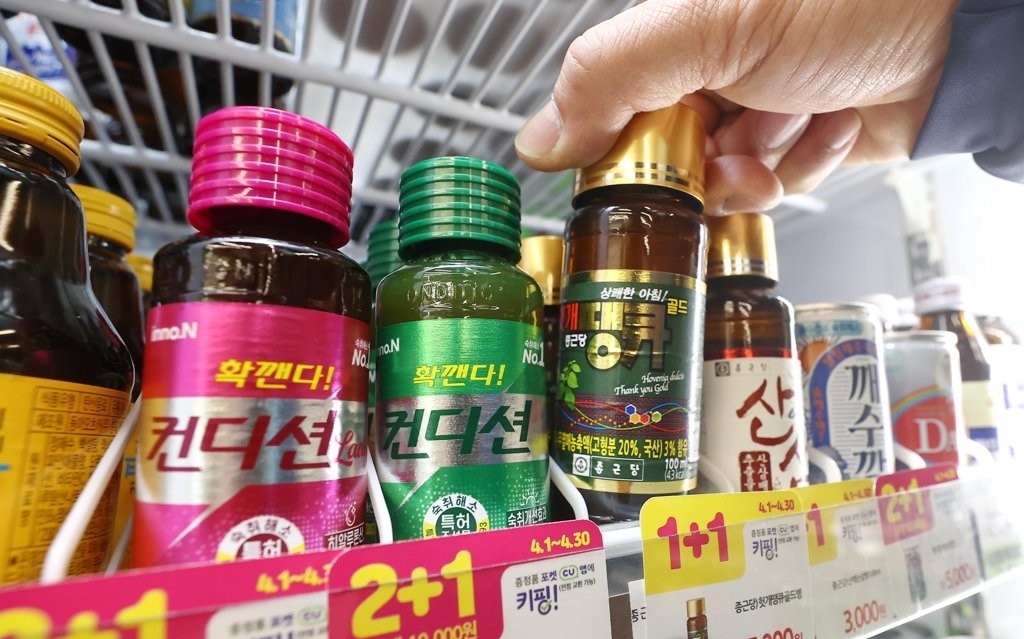
Biofeedback and Smart Drink Dispensers
The future might see even more direct technological interventions. Imagine smart drink dispensers that, upon sensing your physiological state (perhaps through a connected wearable device), dispense a custom-formulated recovery beverage. Biofeedback mechanisms could monitor your hydration levels in real-time, adjusting the composition of the dispensed drink to precisely meet your needs. This level of personalized, automated recovery is still in its nascent stages but represents the cutting edge of how technology can address common health challenges.
In conclusion, while the age-old remedies for hangovers have their place, a deeper understanding of the physiological processes, coupled with the innovative applications of technology, offers a more scientific and potentially more effective path to recovery. From data-driven beverage formulations to personalized recovery plans generated by intelligent apps, the future of hangover management is increasingly intertwined with technological advancement, ensuring that the morning after is met with informed choices and efficient restoration.
aViewFromTheCave is a participant in the Amazon Services LLC Associates Program, an affiliate advertising program designed to provide a means for sites to earn advertising fees by advertising and linking to Amazon.com. Amazon, the Amazon logo, AmazonSupply, and the AmazonSupply logo are trademarks of Amazon.com, Inc. or its affiliates. As an Amazon Associate we earn affiliate commissions from qualifying purchases.