
The question, “What’s going to happen to America?”, is perhaps one of the most profound and frequently asked inquiries of our time. It’s a query that resonates across dinner tables, newsrooms, and policy debates, reflecting a collective introspection about the nation’s trajectory. While the future of a country as vast and complex as America is influenced by a myriad of factors – social, political, cultural, and technological – at its bedrock lies its economic and financial health. How America manages its wealth, invests in its future, and navigates global financial currents will fundamentally dictate its path forward. This article will delve into the economic and financial currents shaping America’s destiny, exploring the challenges and opportunities that lie ahead within the crucial sphere of “Money.”
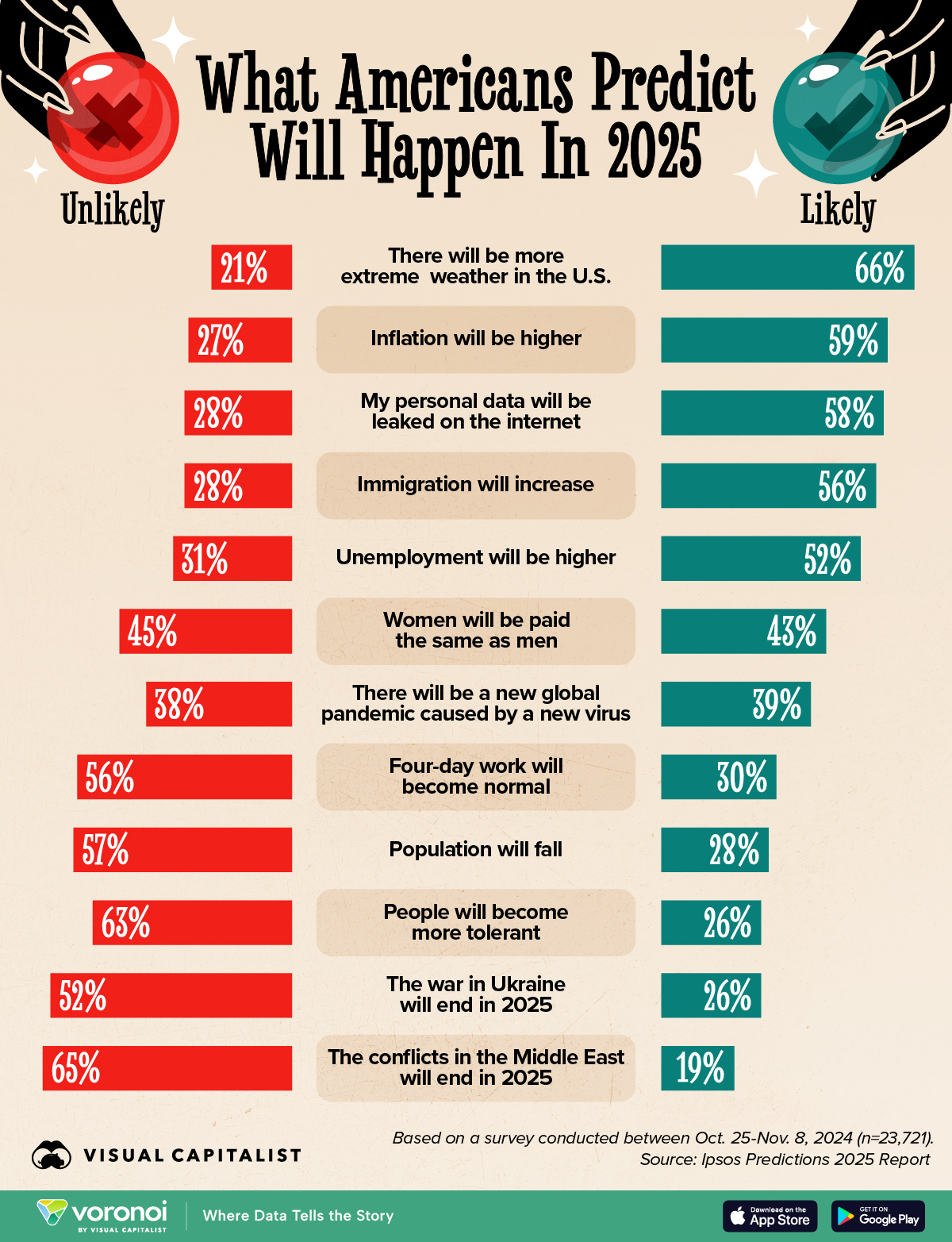
Navigating Macroeconomic Currents: The Foundation of America’s Future
America’s economic future is intricately linked to its macroeconomic stability. The interplay of inflation, interest rates, national debt, and global economic forces forms the bedrock upon which all other developments are built. Understanding these forces is paramount to comprehending the nation’s financial trajectory.
Inflation, Interest Rates, and Consumer Spending: The Near-Term Outlook
The post-pandemic era has been characterized by significant economic volatility, marked prominently by a resurgence of inflation not seen in decades. This phenomenon, driven by a combination of supply chain disruptions, robust consumer demand fueled by fiscal stimulus, and geopolitical events, has prompted an aggressive monetary policy response from the Federal Reserve. Rapid interest rate hikes, aimed at cooling the economy and bringing inflation back to target levels, have had a cascading effect across the financial landscape. Higher borrowing costs impact everything from mortgages and auto loans to corporate investments, potentially slowing economic growth.
For the average American, this translates into increased costs of living and tighter credit conditions. While wage growth has occurred, it has often lagged behind inflation, eroding purchasing power. Consumer spending, which accounts for a significant portion of U.S. GDP, is under pressure. The near-term outlook hinges on the Fed’s ability to achieve a “soft landing”—taming inflation without plunging the economy into a deep recession. This balancing act requires precise calibration, as both insufficient and excessive tightening carry substantial risks for employment and economic stability. A prolonged period of high interest rates could stifle innovation and investment, while a premature loosening could reignite inflationary pressures, creating a cycle of uncertainty.
National Debt and Fiscal Sustainability: A Long-Term Challenge
Beyond the immediate concerns of inflation and interest rates, America faces a looming long-term challenge: its burgeoning national debt. The national debt has surpassed historic levels, driven by decades of deficit spending, large-scale stimulus packages, and the rising costs of entitlement programs like Social Security and Medicare. While the U.S. dollar’s status as the world’s primary reserve currency and the perceived safety of U.S. Treasury bonds have historically allowed the nation to borrow at relatively low costs, this dynamic is not immutable.
The implications of a rapidly growing national debt are profound. A larger portion of the federal budget must be allocated to interest payments, potentially crowding out essential investments in infrastructure, education, research, and defense. It also raises questions about intergenerational equity, burdening future taxpayers with the costs of today’s spending. Furthermore, a perception of fiscal unsustainability could, in the long run, diminish investor confidence, potentially leading to higher borrowing costs and a weakened dollar. Addressing this challenge requires a bipartisan commitment to fiscal discipline, potentially involving a combination of spending reforms, revenue enhancements, and a re-evaluation of entitlement program structures. Failure to do so risks constraining America’s economic dynamism and its ability to respond to future crises.
Global Economic Interdependence: Shocks and Opportunities
No discussion of America’s economic future is complete without acknowledging its deep integration into the global economy. Geopolitical tensions, trade disputes, and the health of major trading partners (like China and Europe) have direct and indirect impacts on the U.S. economy. Recent events, such as the pandemic-induced supply chain disruptions and the war in Ukraine, have highlighted the vulnerabilities inherent in globalized production and energy markets. These shocks can trigger inflationary pressures, disrupt industrial output, and influence investor sentiment.
However, interdependence also presents immense opportunities. America benefits from access to global markets for its goods and services, a diverse pool of talent, and international capital flows. The global pursuit of clean energy technologies, for instance, offers significant export potential for American innovation. Strategic international partnerships, multilateral trade agreements, and a stable global financial system are crucial for America to harness these opportunities while mitigating risks. The U.S. role in shaping global economic policy, fostering free trade, and promoting financial stability worldwide remains critical not just for global prosperity but for its own economic resilience.
The Evolving Landscape of Wealth and Investment
The pathways to building and preserving wealth in America are undergoing a significant transformation. Traditional investment strategies are being challenged by new asset classes, while persistent issues like wealth inequality and the future of retirement demand innovative solutions.
Redefining “Investing” in a Digital Age: Crypto, AI, and Green Tech
The definition of “investing” is rapidly expanding beyond traditional stocks, bonds, and real estate. The rise of digital assets, particularly cryptocurrencies like Bitcoin and Ethereum, has captured significant attention, offering decentralized alternatives to conventional financial systems. While highly volatile, they represent a technological frontier with potential applications far beyond mere currency, from decentralized finance (DeFi) to non-fungible tokens (NFTs). Investors are increasingly looking at these assets not just for speculative gains but as potential long-term stores of value or integral parts of a future digital economy.
Beyond crypto, thematic investing is gaining prominence, driven by megatrends such as artificial intelligence (AI) and the transition to a green economy. Investments in AI companies span from advanced chip manufacturers to software developers revolutionizing industries. Similarly, “green tech” or ESG (Environmental, Social, and Governance) investing targets companies developing renewable energy solutions, sustainable agriculture, and climate adaptation technologies. These sectors promise not only financial returns but also alignment with broader societal goals. This diversification of investment opportunities requires a new level of financial literacy and risk assessment, as these emerging fields can be both lucrative and inherently speculative.
Wealth Inequality and Social Mobility: A Deepening Divide
Despite periods of economic growth, wealth inequality in America has become a stark and persistent feature of the financial landscape. The “K-shaped recovery” observed post-pandemic, where some segments of the population thrived while others struggled, has exacerbated this divide. A small percentage of the population holds a disproportionate share of the nation’s wealth, while many struggle with stagnant wages, mounting debt, and limited opportunities for upward mobility. This concentration of wealth has profound implications for social cohesion, political stability, and long-term economic growth.
High wealth inequality can stifle entrepreneurship, reduce overall consumer demand, and undermine the broadly shared prosperity essential for a robust economy. It also impacts access to education, healthcare, and stable housing, perpetuating cycles of poverty. Addressing this requires a multi-pronged approach, including policies aimed at progressive taxation, strengthening social safety nets, investing in public education and vocational training, and promoting fair labor practices. The future of America’s financial health is not just about aggregate wealth, but about its distribution and the extent to which it enables all citizens to participate meaningfully in the economy.
The Future of Retirement and Personal Savings
The concept of a secure retirement is becoming increasingly challenging for many Americans. The decline of defined-benefit pension plans, coupled with insufficient personal savings and extended lifespans, places a greater burden on individuals to manage their own financial futures. For Baby Boomers, the primary concern might be outliving their savings or navigating rising healthcare costs in retirement. For Gen Z and Millennials, the challenge is saving enough amidst student loan debt, high housing costs, and stagnant entry-level wages.

Innovative solutions are required to bolster retirement security. This includes expanding access to workplace retirement plans (like 401(k)s and IRAs), enhancing financial literacy from an early age, and exploring new models for collective savings or universal retirement accounts. Policymakers are also grappling with the solvency of Social Security and Medicare, which will require difficult but necessary reforms to ensure their long-term viability. The future well-being of America’s aging population, and the economic security of its younger generations, hinges on effective strategies for personal savings and robust retirement planning.
The Future of American Enterprise and Innovation
America’s economic strength has long been rooted in its entrepreneurial spirit and capacity for innovation. However, the global competitive landscape is shifting, necessitating a re-evaluation of industrial policy, support for small businesses, and adaptation to evolving workforce dynamics.
Re-shoring and Supply Chain Resilience: A New Industrial Policy
Recent global disruptions have highlighted the vulnerabilities of highly optimized, geographically dispersed supply chains. This has spurred a renewed interest in “re-shoring” or “friend-shoring” – bringing critical manufacturing capabilities back to the U.S. or to trusted allied nations. This trend is not just about national security; it’s also about economic resilience and creating high-paying domestic jobs. The government is playing an active role, through initiatives like the CHIPS and Science Act, to incentivize domestic production in strategic sectors like semiconductors.
This new industrial policy aims to strengthen America’s manufacturing base, reduce reliance on potentially hostile nations, and ensure the availability of essential goods. While costly, it promises to create new economic clusters, foster technological independence, and provide stable employment opportunities. However, it also requires significant investment in infrastructure, workforce training, and a competitive regulatory environment to ensure these re-shoring efforts are sustainable and economically viable in the long term.
Entrepreneurship and Small Business: The Engine of Growth
Small businesses are often hailed as the “engine of the American economy,” responsible for a disproportionate share of job creation and innovation. However, they face significant challenges, including access to capital, navigating complex regulatory environments, and competing with larger corporations. The pandemic particularly hit small businesses hard, with many struggling to survive.
The future of America’s financial vitality depends on fostering a vibrant ecosystem for entrepreneurship. This means simplifying business regulations, expanding access to affordable credit (especially for underserved communities), and providing robust support through incubators, accelerators, and mentorship programs. Policies that encourage competition and prevent monopolistic practices are also crucial to ensure small businesses have a fair chance to thrive. Empowering the next generation of entrepreneurs, from tech startups to local Main Street shops, is essential for sustained economic dynamism and job growth.
Adapting to the Gig Economy and Automation: Workforce Transformation
The nature of work in America is undergoing a profound transformation, driven by the rise of the gig economy and the increasing adoption of automation and artificial intelligence. The gig economy, characterized by temporary, flexible jobs, offers both opportunities for flexibility and challenges regarding worker benefits, job security, and income stability. Meanwhile, automation is poised to reshape industries, potentially displacing certain jobs while creating demand for new skills.
To prepare for this future, America needs a robust strategy for workforce development and adaptation. This includes significant investment in lifelong learning programs, vocational training, and re-skilling initiatives to equip workers with the skills needed for emerging industries. Rethinking social safety nets to accommodate a more fluid workforce, potentially through portable benefits or universal basic income discussions, will also be critical. Successfully navigating this transition will ensure that the benefits of technological advancement are broadly shared, preventing a widening gap between those with in-demand skills and those left behind.
Financial Tools and Literacy: Empowering the Individual
In an increasingly complex financial world, empowering individuals with the right tools and knowledge is paramount to America’s collective financial health. The rise of FinTech offers new opportunities, but foundational financial literacy remains a national imperative.
The Rise of Fintech and Personalized Financial Management
The Financial Technology (FinTech) revolution is democratizing access to financial services and personalizing money management like never before. AI-powered financial advisors can offer tailored investment advice, budgeting apps provide real-time spending insights, and digital banking platforms offer seamless, low-cost services. Robo-advisors, peer-to-peer lending platforms, and blockchain-based financial products are changing how people save, invest, borrow, and transact.
These tools offer immense potential to help individuals make better financial decisions, manage debt more effectively, and build wealth. They can lower barriers to entry for investing, provide access to credit for underserved populations, and streamline complex financial processes. However, the proliferation of FinTech also necessitates consumer protection, data security measures, and a clear understanding of the risks associated with new technologies. Ensuring equitable access to these tools, particularly for vulnerable populations, will be key to maximizing their positive impact.
Financial Education as a National Imperative
Despite the advancements in financial tools, a fundamental challenge remains: widespread financial illiteracy. Many Americans lack basic understanding of concepts like compound interest, inflation, debt management, and investment principles. This knowledge gap makes individuals vulnerable to predatory lending, poor investment choices, and inadequate savings, contributing to personal financial instability.
Elevating financial education to a national imperative is crucial for America’s future. Integrating comprehensive financial literacy into school curricula from an early age, alongside adult education programs, can equip individuals with the skills to make informed decisions throughout their lives. Combating misinformation, particularly in the digital realm, and promoting responsible debt management are also vital. A financially literate populace is more resilient, more productive, and better equipped to contribute to a stable and prosperous economy, ensuring that the opportunities presented by new financial tools are fully realized.
Conclusion
“What’s going to happen to America?” is not a question with a single, predetermined answer. When viewed through the lens of money and finance, it reveals a nation at a critical juncture, facing complex challenges from macroeconomic instability and wealth inequality to the transformation of work and the future of retirement. Yet, it also highlights immense opportunities for innovation, growth, and renewed prosperity.
America’s financial future will be shaped by the decisions made today—by policymakers, business leaders, and individual citizens. Navigating macroeconomic currents with prudence, fostering an adaptable investment landscape, empowering entrepreneurs, and equipping every American with robust financial literacy are not just desirable goals; they are essential pillars for a resilient and thriving nation. The path forward demands thoughtful policy, continuous innovation, and a collective commitment to financial health, ensuring that the promise of America remains within reach for generations to come. The resilience and ingenuity that have long defined the American spirit will be critical in forging a prosperous and equitable financial future.
aViewFromTheCave is a participant in the Amazon Services LLC Associates Program, an affiliate advertising program designed to provide a means for sites to earn advertising fees by advertising and linking to Amazon.com. Amazon, the Amazon logo, AmazonSupply, and the AmazonSupply logo are trademarks of Amazon.com, Inc. or its affiliates. As an Amazon Associate we earn affiliate commissions from qualifying purchases.