
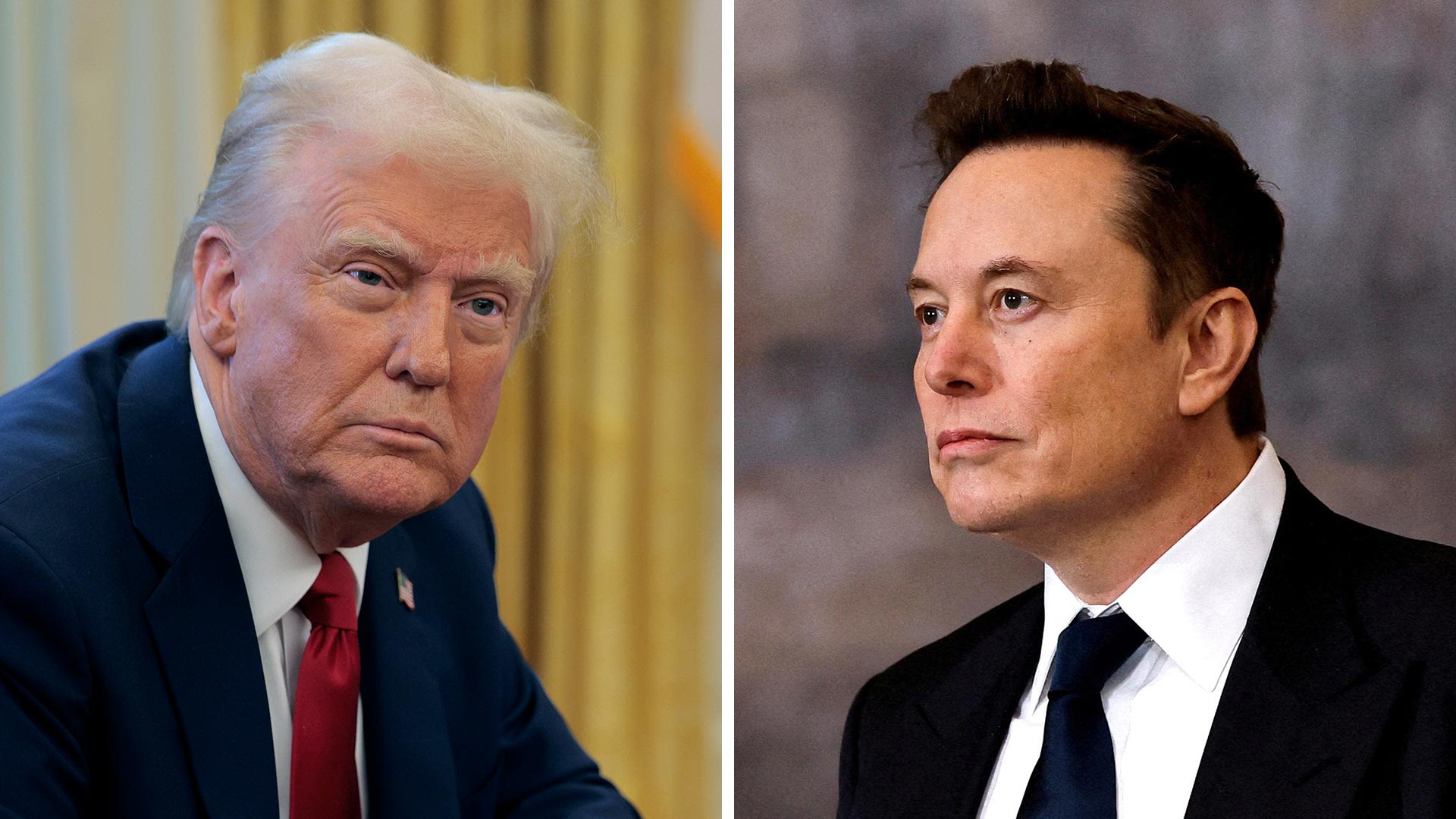
The intersection of high-stakes politics and global business has rarely seen a merger of personal brands as potent as the current alliance between Donald Trump and Elon Musk. What began as a relationship characterized by public barbs and ideological friction has evolved into a strategic partnership that redefines the concept of the “CEO-statesman.” To understand what is happening between these two figures, one must look past the headlines and analyze the sophisticated branding maneuvers, the alignment of personal identities, and the significant risks being managed by two of the world’s most influential brand architects.

The Strategic Alignment of Personal Brands
At its core, the relationship between Donald Trump and Elon Musk is a study in brand synergy. Both men have built their global empires not just on products or policies, but on a distinct “Disruptor” archetype. In branding theory, the Disruptor is someone who challenges the status quo, mocks established norms, and positions themselves as the only individual capable of fixing a broken system.
The Evolution of a High-Profile Alliance
The journey from adversaries to allies is a classic branding pivot. In 2022, the two were engaged in a public war of words, with Trump calling Musk a “con artist” and Musk suggesting Trump should “sail into the sunset.” However, as the 2024 political cycle intensified, both identified a mutual benefit in reconciliation. For Trump, Musk represents the ultimate brand endorsement: the world’s wealthiest man, a symbol of innovation, and a hero to a demographic of young, tech-savvy, and often politically unaligned men.
For Musk, the alliance offers a seat at the highest table of power, providing a platform to influence the regulatory environments that govern his ventures, from SpaceX to Neuralink. This is not merely a political endorsement; it is a merger of two massive audience bases. By aligning, they have created a “super-brand” that combines the populist fervor of the MAGA movement with the techno-optimism of the Silicon Valley elite.
The “Disruptor” Archetype in Modern Branding
The success of this alliance relies on their shared brand DNA. Both Trump and Musk utilize a “Direct-to-Consumer” communication strategy that bypasses traditional media gatekeepers. Whether it is a Truth Social post or an X (formerly Twitter) “Space,” the branding is unfiltered and raw. This perceived authenticity is a powerful brand asset. In a world of highly polished corporate and political communications, the Trump-Musk brand thrives on being perceived as “real.” This shared identity allows them to absorb controversies that would sink traditional brands, as their followers view attacks from the media or the establishment as validation of their disruptor status.
Rebranding the Digital Town Square: The Role of X
The acquisition of Twitter by Elon Musk was perhaps the most significant catalyst in this branding evolution. By rebranding the platform to X and shifting its content moderation policies, Musk fundamentally altered the digital landscape where the Trump brand lives and breathes.
From Platform to Political Instrument
Under Musk’s leadership, X has transitioned from a general-interest social media site to a platform that prioritizes “free speech” as its primary brand value. This shift was a prerequisite for the Trump-Musk alliance. By reinstating Trump’s account and actively participating in the political discourse, Musk transformed X into a megaphone for the Trump brand.
From a brand strategy perspective, this is a bold move into “Platform Branding.” Musk is no longer just a participant in the conversation; he is the curator of the venue. This allows for a level of brand integration that is unprecedented. When Trump appears on an X Space for an interview with Musk, it is a co-branded event that serves multiple purposes: it drives traffic to the platform, reinforces Musk’s image as a champion of discourse, and provides Trump with an uninterrupted channel to his base.
Content Moderation as a Brand Choice
The decision to lean into a more permissive moderation style is a deliberate brand positioning. It positions X as the “anti-establishment” platform, contrasting it with Meta or Google. For the Trump brand, this environment is a natural habitat. The synergy here is clear: Musk provides the infrastructure, and Trump provides the content. This relationship has turned X into the primary laboratory for the Trump-Musk brand experiment, where they can test narratives and engage with a global audience in real-time.
Corporate Synergy and Brand Risk Management

While the alliance offers significant advantages, it also introduces substantial risks, particularly for the corporate entities associated with Elon Musk. Brand equity is often fragile, and tying a global corporation to a polarizing political figure is a high-stakes gamble.
The Tesla Branding Dilemma
Tesla has historically been branded as the vanguard of the green revolution, attracting a consumer base that often leans progressive and environmentally conscious. Musk’s overt alignment with Trump—a figure who has historically been skeptical of electric vehicle mandates and climate change initiatives—creates a potential “Brand Dissonance.”
Market data suggests that this is more than a theoretical risk. In certain demographics, Tesla’s “favorability” rating has seen a decline as Musk’s political brand has become more prominent. To counter this, Musk has attempted a subtle rebranding of Tesla. Instead of focusing solely on the “green” aspect, the brand is increasingly emphasizing “American Innovation,” “Autonomy,” and “Artificial Intelligence.” By shifting the value proposition from environmentalism to technological dominance, Musk is attempting to insulate the Tesla brand from political backlash while appealing to a new segment of the market that values American industrial strength.
SpaceX and Government Relations as Brand Equity
Unlike Tesla, which is a consumer-facing brand, SpaceX is a B2B and B2G (Business-to-Government) brand. In this sector, brand equity is built on reliability, cost-efficiency, and political capital. By becoming a key ally to Trump, Musk is positioning SpaceX to be the preferred partner for future government contracts under a potential Trump administration. This is “Relationship Branding” at its most strategic. If the brand of “Elon Musk” is synonymous with “National Interest” and “Government Efficiency,” SpaceX stands to gain significantly in its competition against legacy aerospace giants like Boeing.
The Marketing of a Movement: Efficiency and Innovation
A unique byproduct of the Trump-Musk relationship is the emergence of sub-brands that bridge the gap between governance and corporate management. The most prominent example is the proposed “Department of Government Efficiency,” or DOGE.
DOGE: The Viral Sub-Brand
The branding of “DOGE” is a masterclass in modern marketing. It leverages a popular internet meme (the Doge meme, which Musk has long championed) and applies it to the serious business of federal budgeting. This does two things: it makes a dry, bureaucratic topic viral and accessible, and it reinforces the brand of Musk as the “Efficiency Expert.”
By proposing that Musk lead a commission to slash government spending, the Trump campaign is essentially “hiring” the Musk brand as a consultant for the United States government. This provides the campaign with a powerful marketing hook: the promise that the man who revolutionized space travel and electric cars will now revolutionize the federal government.
Audience Convergence and Market Segmentation
The Trump-Musk alliance is also an exercise in sophisticated market segmentation. They are targeting “The Builders”—a demographic that spans from blue-collar workers in the Rust Belt to tech founders in Austin. This segment values meritocracy, speed, and the removal of bureaucratic “red tape.” By framing their partnership as a union of the “Greatest Political Movement” and the “Greatest Innovator,” they are creating a brand narrative that appeals to those who feel the current system is stagnant. This is a powerful message for a brand built on the promise of “Making America Great Again” and “Making Life Multi-Planetary.”
The Future of the “Disruptor” Brand Strategy
The relationship between Donald Trump and Elon Musk represents a new era of executive branding where the lines between the private sector and public office are not just blurred, but obliterated. This is a strategy built on the belief that a powerful personal brand is the ultimate form of leverage.
Long-term Implications for Personal Branding
As we look forward, the Trump-Musk alliance will likely serve as a blueprint for future leaders. It demonstrates that in a fragmented media landscape, the most valuable asset is an engaged, loyal audience. However, the long-term sustainability of this brand merger remains to be seen. Brand alliances are notoriously difficult to maintain when the interests of the two parties diverge. If a policy disagreement or a personality clash occurs, the “Brand Dilution” could be swift and damaging for both.
For now, “what’s going on” is a deliberate, high-octane branding play. It is an attempt to merge the worlds of tech, business, and populist politics into a single, unstoppable narrative. Whether it results in a successful “product launch” in the form of an election victory or a corporate expansion, it has already succeeded in one major way: it has ensured that the brands of Trump and Musk are, for the foreseeable future, inextricably linked in the global consciousness.
aViewFromTheCave is a participant in the Amazon Services LLC Associates Program, an affiliate advertising program designed to provide a means for sites to earn advertising fees by advertising and linking to Amazon.com. Amazon, the Amazon logo, AmazonSupply, and the AmazonSupply logo are trademarks of Amazon.com, Inc. or its affiliates. As an Amazon Associate we earn affiliate commissions from qualifying purchases.