
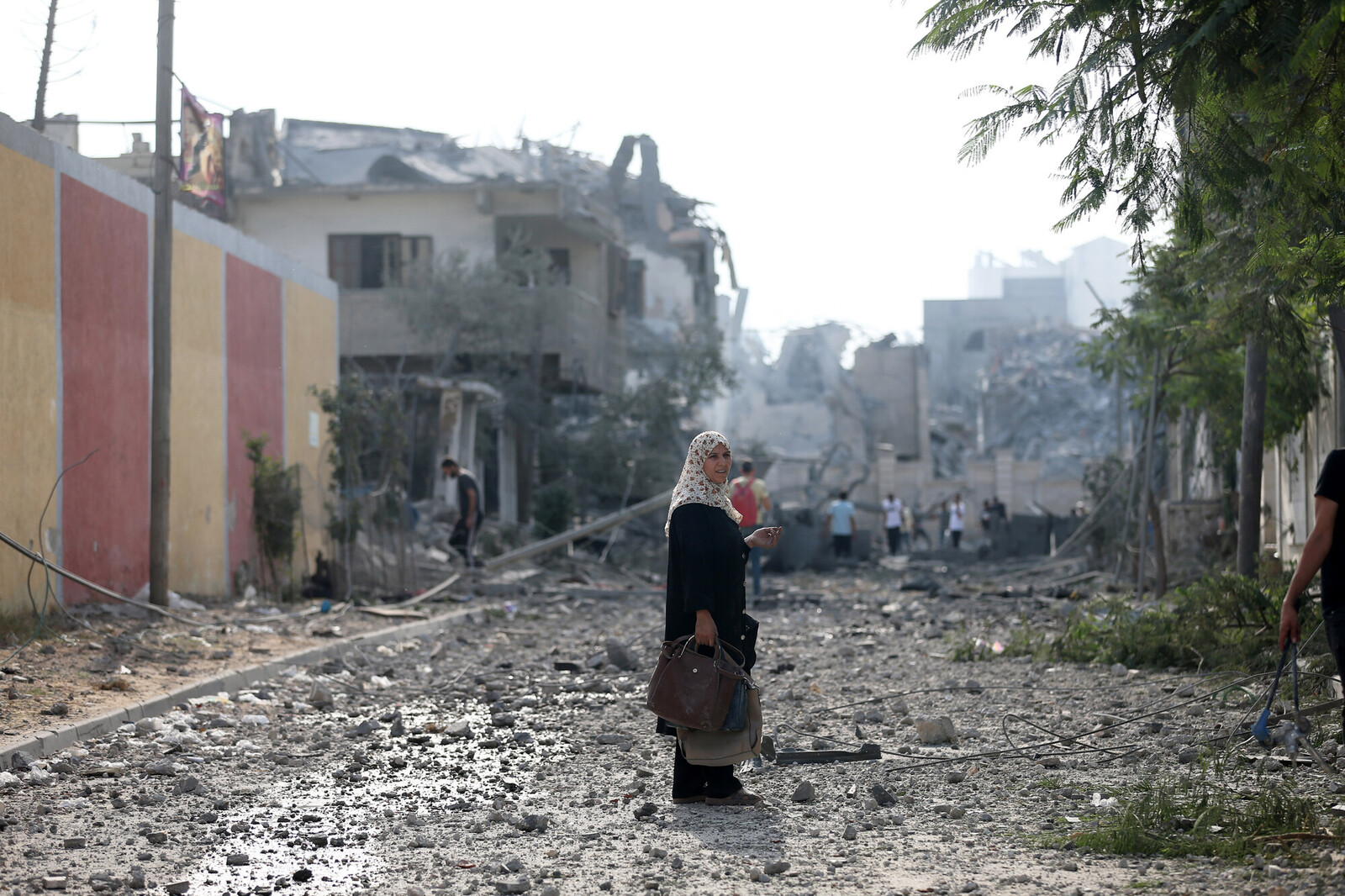
The modern landscape of the Palestinian territories is no longer defined solely by physical geography and geopolitical borders. In the 21st century, a secondary, invisible layer has emerged: the digital frontline. To understand what is going on with Palestine today from a technological perspective is to examine a sophisticated laboratory of surveillance, digital infrastructure disparities, and the complex role of social media algorithms in shaping global narratives. As technology becomes more integrated into the fabric of daily life, the region has become a focal point for the study of how emerging tech—from AI-driven facial recognition to high-altitude surveillance—impacts civilian populations and digital sovereignty.
The Rise of Algorithmic Surveillance and AI Integration
In recent years, the integration of Artificial Intelligence (AI) into security and monitoring frameworks has fundamentally altered the reality on the ground. The region is often cited by tech analysts as one of the most monitored places on Earth, where the deployment of cutting-edge surveillance tools serves as a blueprint for the future of urban security and predictive policing.
Facial Recognition and Biometric Tracking
Central to the technological landscape is the implementation of advanced facial recognition systems. Programs such as “Red Wolf” and “Blue Wolf” represent a significant shift from manual identity checks to automated, algorithmic verification. These systems utilize vast databases of biometric data to track movements through checkpoints and city centers in real-time. For tech observers, the concern lies in the accuracy of these algorithms and the lack of transparency regarding how the data is stored and utilized. The “gamification” of surveillance—where soldiers or operators are incentivized to capture photos of residents to populate these databases—marks a controversial intersection of mobile app development and military strategy.
Predictive Policing and Data Analytics
Beyond physical cameras, “what’s going on” includes the use of predictive analytics. By scanning social media activity, communication patterns, and historical data, AI systems attempt to predict potential unrest or individual actions before they occur. This use of “Big Data” raises profound ethical questions about the presumption of innocence in a digital age. When an algorithm flags an individual based on a “sentiment analysis” of their online posts, the line between digital expression and physical threat becomes blurred, leading to a new form of digital pre-emption.
The Infrastructure Gap: Connectivity and the Digital Divide
While the world moves toward 6G and ubiquitous high-speed fiber optics, the Palestinian territories remain a stark example of a forced digital divide. The technological infrastructure in the West Bank and Gaza is subject to unique regulatory and physical constraints that dictate the speed and reliability of information flow.
Regulatory Control of the Electromagnetic Spectrum
One of the most critical tech issues is the control of the electromagnetic spectrum. For years, Palestinian mobile operators were restricted to 2G networks while the rest of the world transitioned to 4G and 5G. It was only relatively recently that 3G was permitted in the West Bank, while Gaza remains largely tethered to 2G speeds. This disparity is not a result of a lack of technical expertise but rather a consequence of rigid control over the frequencies necessary for high-speed data. From a tech standpoint, this stifles the growth of a “Smart City” infrastructure and limits the capabilities of local developers who cannot test or deploy bandwidth-heavy applications.
The Impact of Connectivity on Economic Growth
The digital divide has a direct correlation with economic opportunity. In an era where the global economy is driven by the cloud and real-time collaboration, a 2G or 3G connection acts as a ceiling on innovation. Palestinian tech startups often face significant hurdles when competing globally because their local testing environments do not reflect the high-speed reality of their international clients. Furthermore, during periods of heightened tension, the digital infrastructure is frequently the first to suffer, with internet blackouts or localized shutdowns effectively severing the population’s access to the global digital economy.
Content Moderation and the Battle for the Digital Narrative

In the digital age, “what’s going on” is often filtered through the lenses of major tech platforms. The role of companies like Meta, X (formerly Twitter), and TikTok in the Palestinian context has become a case study in the challenges of content moderation and algorithmic bias.
Algorithmic Bias and Shadowbanning
A recurring theme in the digital discourse surrounding Palestine is the accusation of “shadowbanning” or the disproportionate removal of content. Investigations by human rights groups and independent tech auditors have frequently pointed toward automated moderation tools that struggle with Arabic dialects or context-specific terminology. These AI moderators often flag neutral reporting or personal testimonials as “incitement” or “terrorist content” due to a lack of nuanced training data. This creates a feedback loop where the digital representation of the situation is sanitized or suppressed by the very algorithms designed to keep platforms safe.
The Role of AI in Fact-Checking and Disinformation
The region has also become a primary theater for the war of disinformation. Deepfakes, AI-generated imagery, and bot-driven influence campaigns are frequently deployed to sway international opinion. The speed at which AI-generated misinformation spreads makes it nearly impossible for traditional fact-checkers to keep pace. This has led to the emergence of “digital forensic” groups—tech-savvy organizations that use satellite imagery, metadata analysis, and AI-detection tools to verify the authenticity of footage coming out of the region. The ability to distinguish between a real-time mobile upload and a high-quality AI fabrication is now a vital skill for anyone following the situation.
The Resilience of the Palestinian Tech Ecosystem
Despite the infrastructure challenges and surveillance, a vibrant tech ecosystem has emerged within the Palestinian territories. This is an overlooked aspect of the current situation—a community of software engineers, data scientists, and entrepreneurs who are leveraging the global remote work trend to bypass physical restrictions.
Remote Work and the Outsourcing Model
With high unemployment rates and physical movement restricted by checkpoints, the Palestinian youth have turned to the digital world. Coding bootcamps and tech hubs in cities like Ramallah and Rawabi are producing a generation of developers who work for major international firms in the US, Europe, and the Gulf. This “borderless” employment model is a powerful tool for economic resilience. By selling code rather than physical goods, these workers can circumvent the logistical nightmares of traditional exports.
EdTech and Digital Literacy Initiatives
There is a massive push toward EdTech (Education Technology) to ensure that the next generation is equipped with the skills needed for the digital economy. Coding is increasingly seen as a fundamental literacy. Initiatives aimed at teaching Python, Java, and AI development are prevalent, often supported by international tech NGOs. The goal is to create a “Virtual State” where Palestinian intellectual capital can thrive even when the physical environment is constrained.
The Ethical Implications of “Battle-Tested” Technology
A final, critical component of what is going on with Palestine in the tech sphere is the global export of technology developed or tested in the region. The “battle-tested” label has become a potent marketing tool in the global defense and surveillance industry.
The Ethics of Field-Testing AI
Systems used for monitoring borders, analyzing social media sentiment, or automating drone responses are often refined through real-world application in the Palestinian territories. This raises significant ethical dilemmas for the global tech community. When a facial recognition startup secures venture capital in Silicon Valley, its underlying algorithms may have been trained on datasets gathered under conditions that would be illegal in many Western democracies. The ethical “laundering” of technology—where tools are developed in conflict zones and then sold to law enforcement agencies worldwide—is a growing concern for digital rights advocates.

Digital Sovereignty and the Future
As we look forward, the question of digital sovereignty becomes paramount. Can a population achieve self-determination in a world where their data, their spectrum, and their digital narratives are controlled by external entities? The Palestinian case is a precursor to a wider global discussion on the rights of individuals in the age of “Surveillance Capitalism” and automated warfare.
In conclusion, “what’s going on with Palestine” is a multifaceted narrative that extends far beyond the headlines of conflict. It is a story of technological disparity, the evolution of AI-driven control, and the incredible resilience of a digital-native generation striving to carve out a space in the global tech economy. For anyone interested in the future of digital rights, surveillance ethics, and the power of connectivity, the Palestinian territories provide a critical, if sobering, look at the frontlines of the 21st century.
aViewFromTheCave is a participant in the Amazon Services LLC Associates Program, an affiliate advertising program designed to provide a means for sites to earn advertising fees by advertising and linking to Amazon.com. Amazon, the Amazon logo, AmazonSupply, and the AmazonSupply logo are trademarks of Amazon.com, Inc. or its affiliates. As an Amazon Associate we earn affiliate commissions from qualifying purchases.