
Medicaid has long been the silent engine of the American healthcare economy, providing a fiscal safety net for millions of individuals and families. However, in the current economic landscape, the program is undergoing its most significant transformation in over a decade. For anyone focused on personal finance, business budgeting, or macroeconomic trends, understanding “what’s going on with Medicaid” is no longer optional. It is a critical component of wealth management, retirement planning, and understanding the broader labor market.
As we move deeper into the mid-2020s, the convergence of federal policy changes, the “unwinding” of pandemic-era protections, and the rising cost of long-term care has forced Medicaid into the spotlight. From a financial perspective, Medicaid is not merely a social program; it is a complex financial tool that dictates how trillions of dollars flow through the economy and how individual households protect their assets from the soaring costs of medical care.

The Great Unwinding: Fiscal Realities of the Post-Pandemic Era
The most pressing development in the world of Medicaid is the “unwinding” process. To understand the financial implications, one must look back at the Families First Coronavirus Response Act of 2020. This legislation provided states with increased federal funding on the condition that they maintain continuous enrollment for Medicaid recipients. For three years, the usual administrative churn—where people lose coverage due to minor income fluctuations or paperwork errors—was frozen.
The End of Continuous Enrollment
In early 2023, this federal mandate ended, allowing states to begin “redetermining” the eligibility of every single person on their Medicaid rolls. Economically, this has resulted in millions of Americans being disenrolled. For the individual, this represents a massive shift in personal cash flow. Transitioning from a zero-premium or low-cost Medicaid plan to a commercial insurance plan or an employer-sponsored program can cost a household thousands of dollars in annual premiums, deductibles, and out-of-pocket expenses.
Economic Implications for Households
The financial “shock” of losing Medicaid coverage can ripple through a family’s budget. When a household suddenly assumes a $400 monthly premium, that capital is diverted from other economic activities—such as debt repayment, emergency fund contributions, or retirement investing. For many, the “unwinding” has become a lesson in the importance of fiscal agility. Financial advisors are increasingly seeing clients who need to restructure their monthly budgets to accommodate healthcare costs that were previously subsidized by the state.
Medicaid’s Role in Personal Financial Planning
While often associated with low-income support, Medicaid plays a sophisticated role in the financial planning of the middle and upper-middle class, particularly regarding elder care. As the “Silver Tsunami” approaches—with the aging population requiring more intensive medical support—Medicaid is becoming a cornerstone of long-term financial strategy.
Asset Protection and Long-Term Care
The cost of private nursing home care in the United States can easily exceed $100,000 per year. For most families, such an expense would deplete a lifetime of savings in a matter of months. Medicaid is the primary payer for long-term care in the U.S., but accessing it requires meeting strict asset and income limits. This has birthed a specialized field of financial planning: Medicaid Asset Protection.
By utilizing irrevocable trusts and strategic gifting (while navigating the “five-year look-back” rule), individuals can protect their legacy and ensure their assets pass to their heirs rather than being liquidated to pay for care. This intersection of Medicaid and estate planning is where “what’s going on” becomes a matter of generational wealth transfer.
The Medicaid Spend-Down Strategy
For those who do not plan years in advance, the “spend-down” process becomes the only path to eligibility. This is a brutal financial reality where individuals must exhaust nearly all their countable assets—savings, brokerage accounts, and secondary property—until they reach the threshold (often as low as $2,000) required to qualify for Medicaid. Understanding these rules is vital for anyone managing a portfolio that includes elderly dependents or for those planning their own retirement.
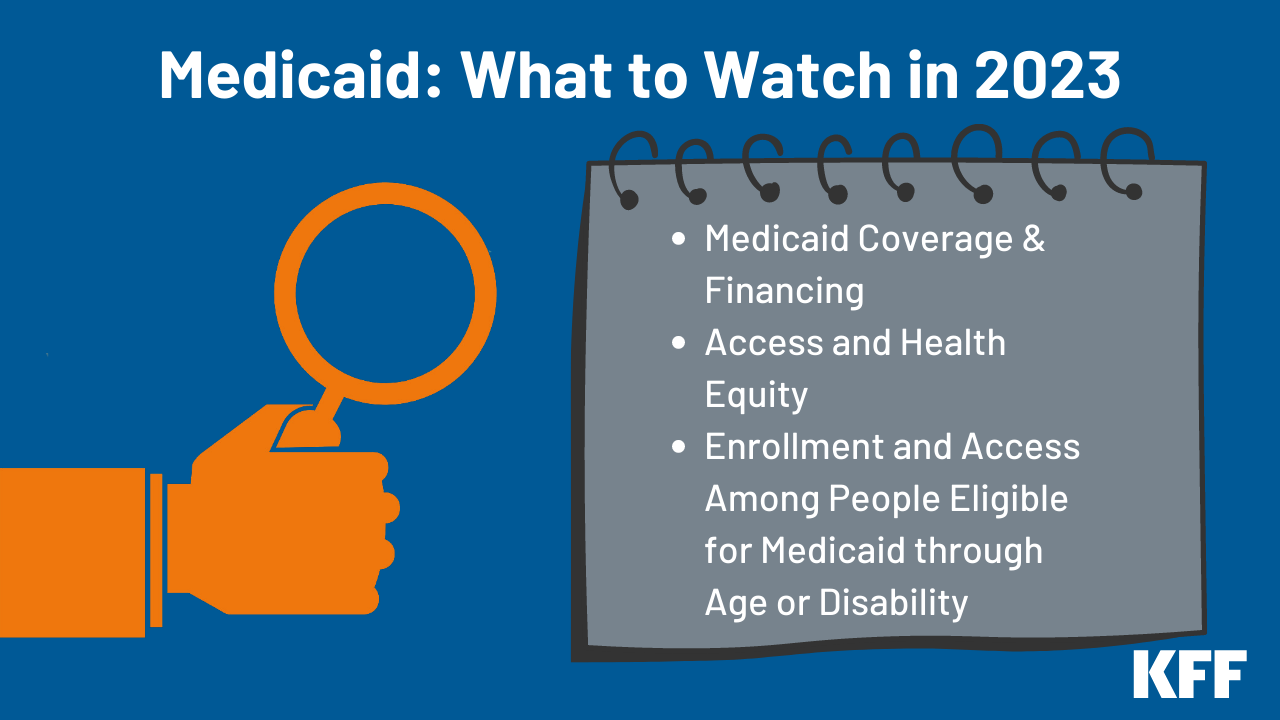
The Macroeconomic Perspective: State Budgets and Taxpayer Impact
Beyond the individual, Medicaid is a titan in the realm of public finance. It is typically the first or second-largest line item in state budgets, often competing with education for funding. The current shift in Medicaid policy has profound implications for state-level taxes and fiscal health.
Federal vs. State Funding Shifts
During the pandemic, the federal government increased its share of Medicaid costs via the Federal Medical Assistance Percentage (FMAP). As this extra funding phases out, states are left to shoulder a larger portion of the bill. This creates a fiscal tension: states must either find new revenue sources (taxes), cut other services, or aggressively trim their Medicaid rolls. For business owners and investors, tracking state-level Medicaid policy is a lead indicator of the local tax environment and the overall health of the regional economy.
The Cost of Preventive Care as a Long-Term Investment
From a purely capitalistic perspective, Medicaid can be viewed as an investment in the “human capital” of the workforce. By funding preventive care, Medicaid reduces the long-term economic burden of chronic disease and emergency room visits, which are significantly more expensive. Economists argue that a healthy workforce is a more productive one. Therefore, the expansion or contraction of Medicaid in specific states can influence business location decisions and the general economic competitiveness of a region.
Business and Employment: The Intersection of Medicaid and the Modern Workforce
The “What’s going on with Medicaid” question is also a workplace question. The relationship between employment and health coverage is shifting, particularly with the rise of the gig economy and small business entrepreneurship.
The “Benefits Cliff” and Career Progression
One of the most complex financial hurdles for low-to-moderate-income workers is the “benefits cliff.” This occurs when a small increase in earnings—perhaps a promotion or a raise—leads to a total loss of Medicaid eligibility. If the raise is $3,000 a year, but the cost of private health insurance is $5,000 a year, the worker is effectively taking a $2,000 pay cut by succeeding in their career.
This phenomenon creates a “poverty trap” that affects labor participation rates. Forward-thinking businesses are beginning to recognize this, offering flexible benefit packages or health reimbursement arrangements (HRAs) to help employees bridge the gap between public assistance and private insurance.
Impact on Small Business and the Gig Economy
For the millions of Americans working as freelancers, contractors, or small business owners, Medicaid expansion has been a financial lifeline. It allows entrepreneurs to take risks and start businesses without the existential threat of medical bankruptcy. As Medicaid eligibility rules shift, we may see a cooling effect on the “solopreneur” trend, as individuals return to traditional corporate roles simply to secure affordable health benefits.
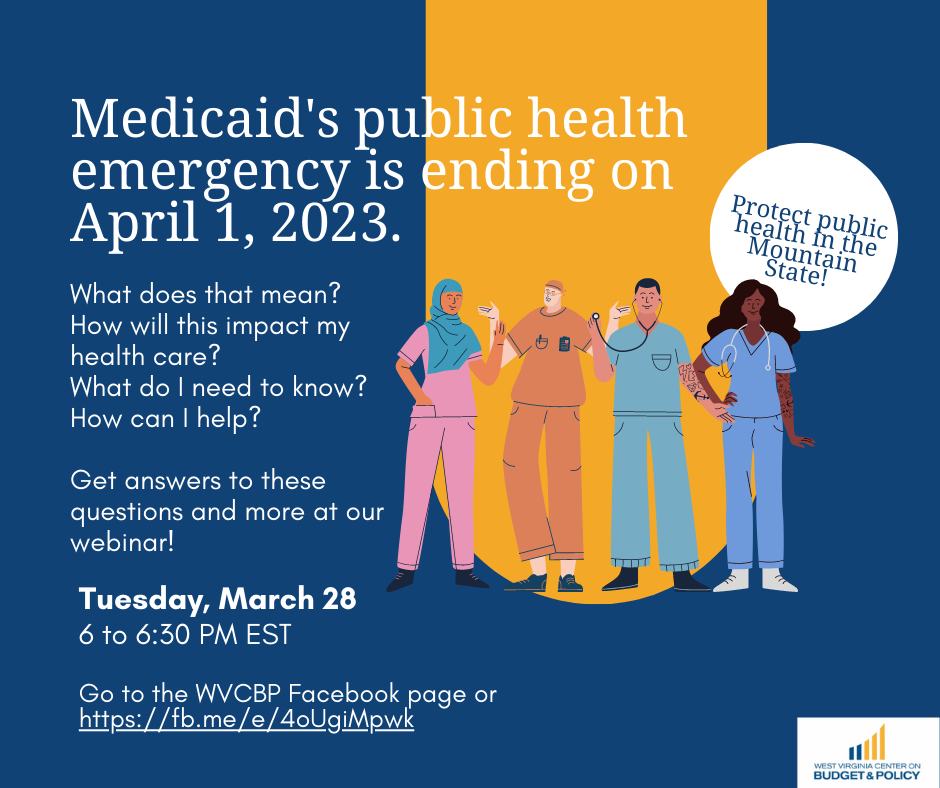
Future Outlook: Navigating Volatility in Healthcare Costs
As we look toward the horizon, the trajectory of Medicaid will be shaped by two main forces: technological integration and political volatility. The financial sector is watching closely as states implement new software systems to automate eligibility. While these tools aim for efficiency, they also introduce risks of “procedural disenrollment,” where people lose coverage due to technical glitches rather than a change in financial status.
Furthermore, Medicaid remains a perennial target in federal budget debates. Proposals to transition Medicaid to “block grants”—where states receive a fixed amount of money regardless of need—would represent a fundamental shift in the American financial landscape. Such a move would require a total recalibration of how families save for the future and how states manage their rainy-day funds.
In conclusion, “what’s going on with Medicaid” is a story of high-stakes financial management. Whether it is the immediate impact of the “unwinding” on household liquidity, the long-term strategic use of Medicaid for asset protection, or the macroeconomic pressures on state budgets, the program is a vital variable in the equation of American wealth. For the savvy individual, staying informed on these shifts is not just about healthcare—it is about protecting your capital, optimizing your taxes, and ensuring long-term financial stability in an increasingly unpredictable economy.
aViewFromTheCave is a participant in the Amazon Services LLC Associates Program, an affiliate advertising program designed to provide a means for sites to earn advertising fees by advertising and linking to Amazon.com. Amazon, the Amazon logo, AmazonSupply, and the AmazonSupply logo are trademarks of Amazon.com, Inc. or its affiliates. As an Amazon Associate we earn affiliate commissions from qualifying purchases.