
Florida has long been perceived through a singular lens: a land of retirees, tourism, and citrus. However, in the current economic landscape, that caricature has been replaced by a much more complex and high-stakes reality. Today, Florida is the epicenter of one of the most significant wealth migrations in American history, a shift that is fundamentally restructuring the state’s financial identity. From the emergence of the “Wall Street South” to a volatile real estate market and a brewing insurance crisis, what is happening in Florida right now is a masterclass in macroeconomic friction.
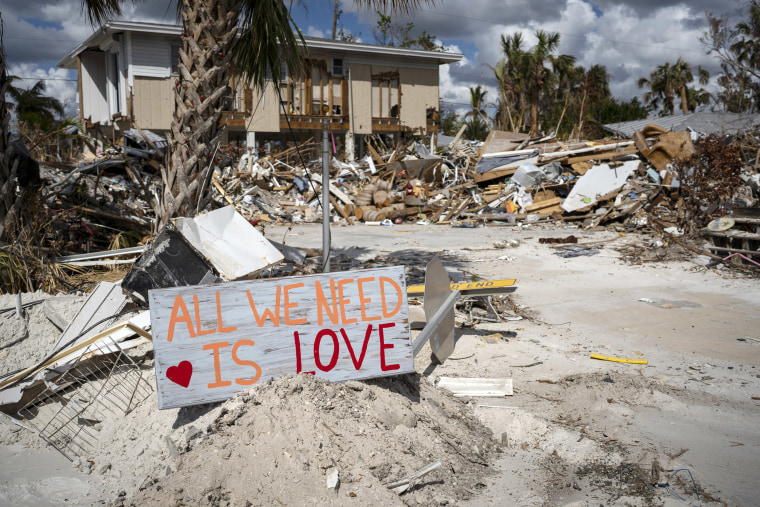
For investors, business owners, and individuals looking to capitalize on this transition, understanding the nuances of this financial evolution is critical. The state is no longer just a tax haven; it is a burgeoning hub for global capital, yet it faces systemic risks that threaten to temper its explosive growth.
The Wealth Migration: The Rise of the “Wall Street South”
The most visible change in Florida’s financial landscape is the staggering influx of high-net-worth individuals and institutional capital. This isn’t merely a trend of “snowbirds” extending their stay; it is a permanent relocation of the engine of American finance.
Tax Arbitrage and the Inflow of Private Capital
The primary driver of this migration remains Florida’s favorable tax climate. With no state income tax, no estate tax, and no inheritance tax, the state offers a compelling “tax alpha” for high earners. For an individual moving from a high-tax jurisdiction like New York or California, the immediate increase in disposable income can range from 10% to 13%.
In the last three years, Florida has consistently ranked at the top of the list for net income migration. This isn’t just about saving on personal taxes; it’s about the velocity of capital. When billions of dollars in adjusted gross income move into a concentrated area like Palm Beach or Miami-Dade County, the secondary economic effects—spending on services, luxury retail, and local infrastructure—create a self-reinforcing cycle of growth.
The Institutional Shift: Citadel, Ark Invest, and Beyond
Perhaps more significant than individual migration is the corporate exodus to the Sunshine State. The relocation of Ken Griffin’s Citadel from Chicago to Miami and Cathie Wood’s Ark Invest to St. Petersburg signaled a shift in the perceived center of gravity for the financial industry.
The “Wall Street South” is no longer a marketing slogan; it is a functional reality. These firms bring with them high-paying jobs, a demand for sophisticated legal and accounting services, and a need for high-end commercial real estate. This institutional presence provides Florida with a level of economic stability it lacked in previous cycles, which were often over-reliant on the boom-and-bust nature of tourism and speculative housing.
The Real Estate Paradox: Navigating a High-Yield, High-Cost Market
Florida’s real estate market is currently characterized by a strange paradox. While much of the country is bracing for a downturn, Florida’s prices remain remarkably resilient in many sectors, even as inventory builds and the cost of ownership skyrockets.
The End of the “Cheap Florida” Era
For decades, Florida was the “value play” for residents of the Northeast and Midwest. That era has officially ended. In cities like Miami, Tampa, and Orlando, home prices have appreciated at rates that far outpace the national average. This has created a bifurcated market. On one side, the luxury tier continues to see record-breaking transactions, fueled by out-of-state cash buyers who are largely indifferent to high mortgage rates.
On the other side, the middle-market and entry-level segments are under immense pressure. Local wages, while rising, have not kept pace with the cost of housing. This creates a long-term risk for the labor market; if service workers and mid-level professionals can no longer afford to live within a reasonable distance of the new wealth centers, the “Florida Miracle” could hit a logistical ceiling.
The Commercial Real Estate Boom
While the national commercial real estate (CRE) market is struggling with the “work from home” fallout, Florida’s Class A office space is thriving. In West Palm Beach and Miami’s Brickell district, vacancy rates for top-tier office space remain low, and rents are reaching New York City levels.
Investors are betting on the long-term trend of corporate decentralization. As more firms realize they can operate effectively in a lower-tax, higher-lifestyle environment, the demand for high-tech, amenity-rich office space continues to grow. This is creating a lucrative niche for developers who can navigate Florida’s unique environmental and zoning requirements.
The Insurance Crisis: The Greatest Headwind for Florida Investors
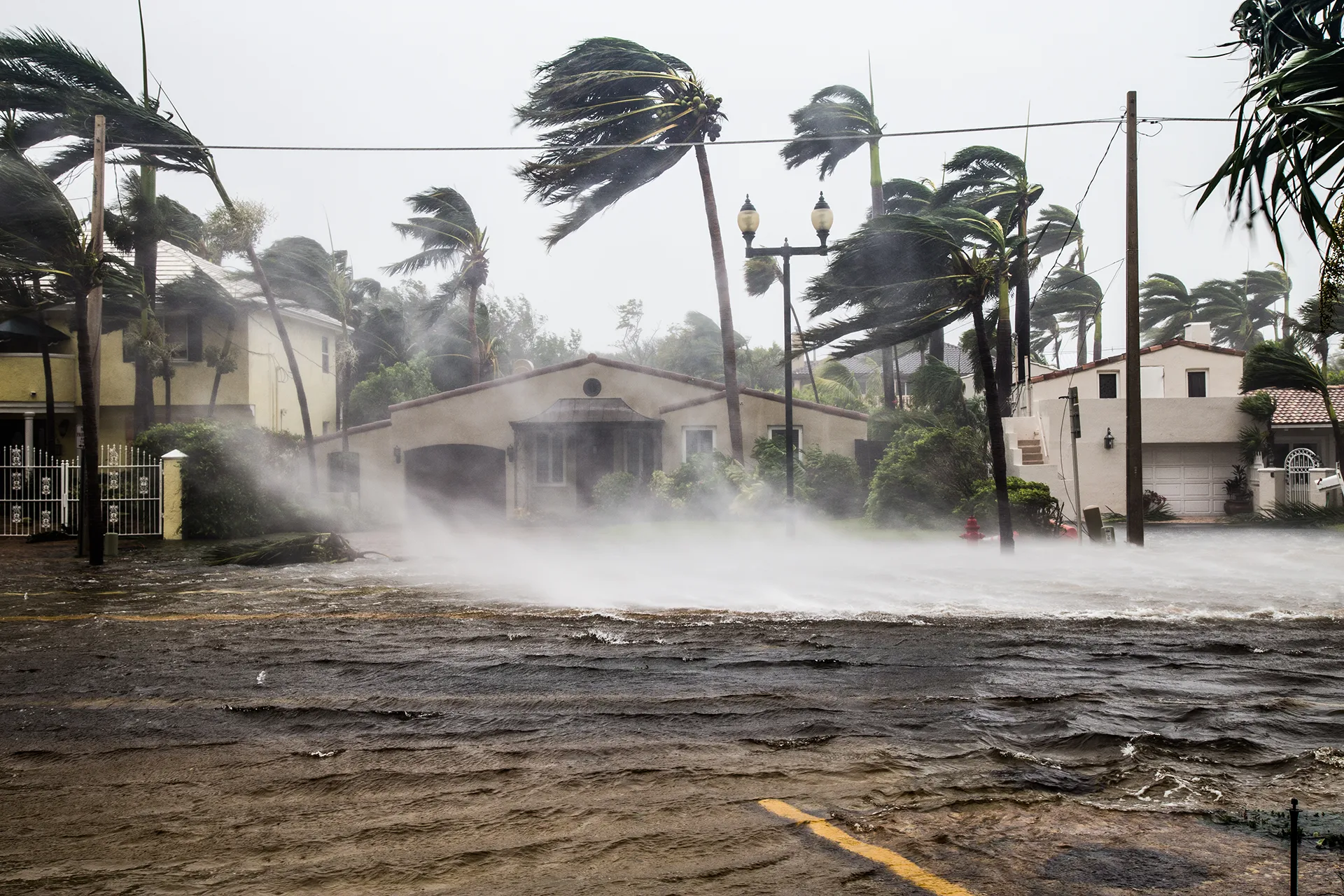
If there is a “black swan” in Florida’s current economic story, it is the property insurance market. This is the most pressing issue for anyone with financial skin in the game in the Sunshine State.
The Escalating Cost of Homeowners Insurance
Florida homeowners currently pay the highest insurance premiums in the nation—often three to four times the national average. This is driven by a combination of factors: extreme weather risk, a high volume of litigation, and a global reinsurance market that has grown wary of Florida’s exposure.
For the average homeowner, these costs can negate the savings gained from the lack of a state income tax. For the real estate investor, it is a direct hit to the Net Operating Income (NOI). In some coastal areas, insurance costs have become so prohibitive that they are effectively acting as a “hidden tax,” cooling the market more effectively than interest rate hikes ever could.
Legislative Intervention and the Role of Citizens Property Insurance
The state government has attempted to address this through legislative sessions aimed at tort reform and reducing frivolous lawsuits, which historically accounted for a disproportionate amount of the nation’s property insurance litigation. While these reforms are a step in the right direction, their impact on premiums is not immediate.
In the interim, Citizens Property Insurance—the state’s “insurer of last resort”—has become the largest insurer in the state. This creates a systemic financial risk; if a major storm (or series of storms) were to deplete Citizens’ reserves, the state would be forced to levy assessments on all Florida policyholders, essentially creating a massive, state-wide financial liability.
Navigating the New Florida Economy: Strategies for the Modern Investor
Given the current dynamics, “investing in Florida” requires a much more nuanced approach than it did five years ago. The low-hanging fruit has been picked, and the next phase of growth requires a focus on sustainability and risk management.
Diversification Beyond Traditional Real Estate
With residential real estate prices at historic highs and insurance costs rising, many savvy investors are looking toward Florida’s burgeoning tech and fintech sectors. The state is making a concerted effort to diversify its economy away from real estate and tourism. Venture capital is flowing into South Florida at unprecedented rates, focusing on blockchain, health-tech, and aerospace.
Investing in the “infrastructure of the migration”—such as private equity in local service businesses, healthcare facilities for the aging but wealthy population, and specialized logistics—offers a way to capture Florida’s growth without the direct exposure to the property insurance market.
The Importance of “Climate Resilience” in Portfolios
For those who remain committed to Florida real estate, the term “climate resilience” is no longer a buzzword; it is a financial necessity. Properties built to the most modern hurricane codes, located in areas with advanced flood mitigation, are commanding a premium.
In the current market, “elevation is the new beachfront.” Investors are increasingly looking at “inland-coastal” areas—neighborhoods that are close enough to the coast to benefit from the lifestyle but high enough to secure lower insurance rates and long-term asset protection. From a financial perspective, the “green” or “resilient” premium is becoming a measurable component of property valuation.

The Long-Term Outlook: A Structural Shift or a Seasonal Bubble?
The central question for anyone watching Florida right now is whether this growth is sustainable. While the rapid price appreciation of the post-2020 era may slow down, the underlying demographic and corporate shifts appear to be structural.
Florida is repositioning itself as a global financial hub, competing not just with other US states, but with international cities like Singapore or Dubai. The migration of wealth is bringing with it a more sophisticated economy, a more diverse labor market, and a significant increase in the state’s political and financial influence.
However, the path forward is not without hurdles. The state must solve its insurance crisis, address the widening gap in housing affordability, and continue to invest in infrastructure to support its rapidly growing population. For the investor who can navigate these risks, Florida remains one of the most dynamic and high-potential regions in the global economy. What is going on in Florida right now is a total economic reimagining—one that offers significant rewards for those who understand the new rules of the game.
aViewFromTheCave is a participant in the Amazon Services LLC Associates Program, an affiliate advertising program designed to provide a means for sites to earn advertising fees by advertising and linking to Amazon.com. Amazon, the Amazon logo, AmazonSupply, and the AmazonSupply logo are trademarks of Amazon.com, Inc. or its affiliates. As an Amazon Associate we earn affiliate commissions from qualifying purchases.