
The ebb and flow of seasonal illnesses are a constant in our lives, but lately, it feels like there’s a heightened awareness and perhaps an increased circulation of various health concerns. From common colds and influenza to more novel and impactful viral strains, understanding “what’s going around” has become more critical than ever. This isn’t just about personal discomfort; it’s about safeguarding our communities, understanding the broader public health landscape, and making informed decisions about our well-being. In an era of rapid global interconnectedness and evolving pathogens, staying informed is our first line of defense.
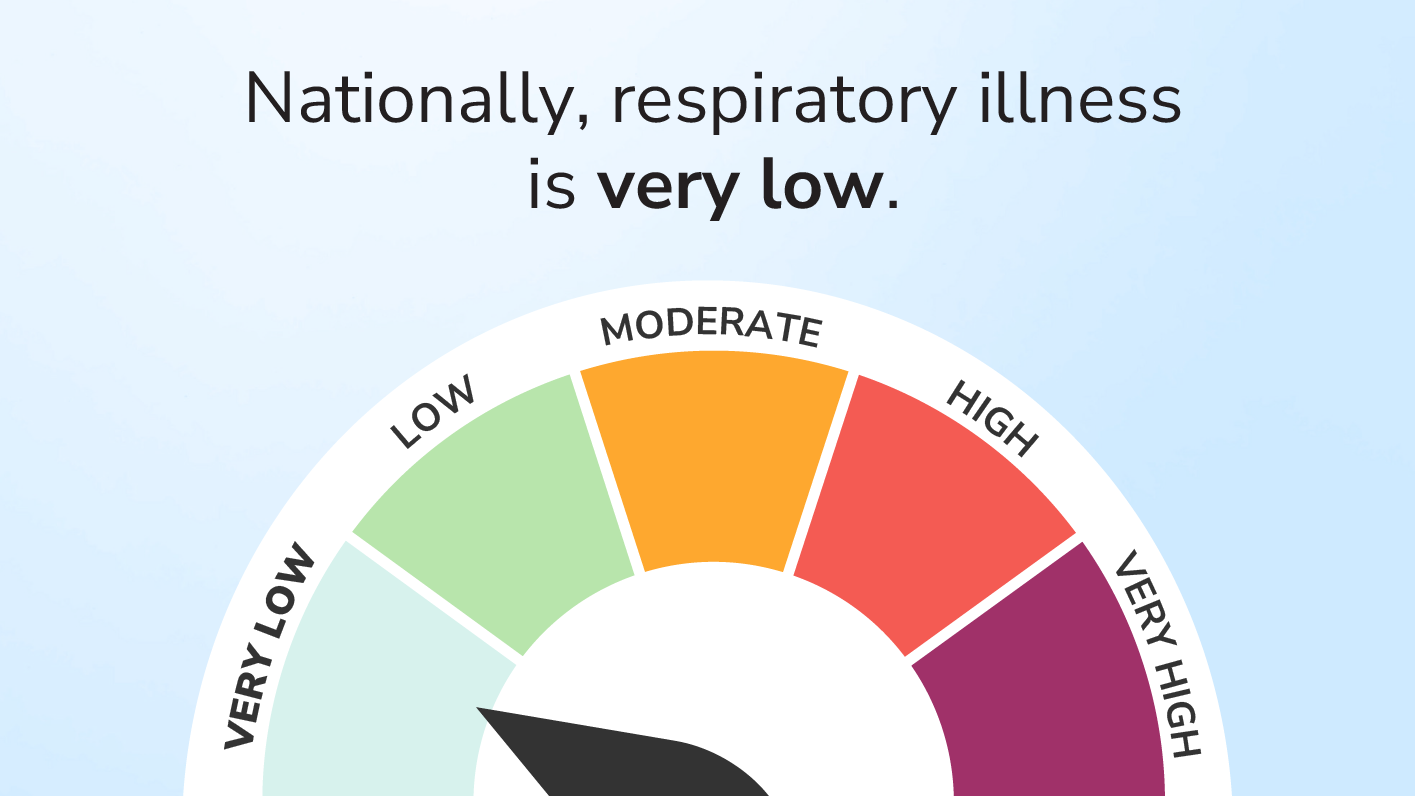
This article delves into the current landscape of prevalent illnesses, explores the factors contributing to their spread, and provides actionable insights for individuals and communities to navigate these challenges. We will examine the nature of these circulating ailments, the scientific and societal forces at play, and the strategies that can empower us to stay healthier and more resilient.
Understanding the Current Contagion Landscape
The phrase “what’s going around” often conjures images of bustling doctor’s offices and widespread sniffles. However, the reality is more nuanced, encompassing a spectrum of infectious agents and varying levels of severity. Identifying the dominant players in the current epidemiological theatre requires a look at both established threats and emerging concerns.
The Persistent Players: Influenza and Respiratory Syncytial Virus (RSV)
Influenza, commonly known as the flu, remains a significant annual concern. Its highly variable nature, with new strains emerging each season, necessitates ongoing surveillance and vaccination efforts. Flu season typically peaks in the winter months, but activity can begin as early as September and extend as late as May. Symptoms often include fever, cough, sore throat, body aches, fatigue, and sometimes vomiting and diarrhea.
Respiratory Syncytial Virus (RSV) is another common respiratory virus that typically causes mild, cold-like symptoms. However, for infants and older adults, RSV can lead to serious respiratory illness, including pneumonia and bronchiolitis. In recent years, there has been increased public awareness and the development of new preventative measures, including vaccines, for specific populations at high risk. Understanding the overlapping symptoms of flu and RSV is crucial for accurate diagnosis and appropriate management.
The Resurgence of COVID-19 and Its Variants
Despite the passage of time since its initial emergence, COVID-19 continues to be a relevant public health consideration. The virus has demonstrated an remarkable ability to mutate, leading to the emergence of new variants. While vaccination and prior infection have conferred a degree of immunity, these variants can sometimes evade existing protections, leading to new waves of infection. Public health agencies continue to monitor these variants, assess their transmissibility, severity, and potential impact on public health. The ongoing evolution of COVID-19 underscores the importance of continued vigilance, adaptive public health strategies, and access to up-to-date information.
Beyond Respiratory: Emerging and Re-emerging Infectious Diseases
While respiratory illnesses often dominate the headlines, it’s important to acknowledge that other infectious diseases can also be “going around.” These can include gastrointestinal viruses (like norovirus), bacterial infections, and in some cases, the re-emergence of diseases that were once thought to be under control. Factors such as global travel, climate change, and shifts in population immunity can all influence the spread of these diverse pathogens. Keeping abreast of advisories from public health organizations is vital for recognizing and responding to these broader threats.
Factors Fueling the Spread: A Multifaceted Equation
The presence of pathogens is only one part of the equation; the factors that facilitate their transmission are equally important in understanding why certain illnesses become widespread. These factors are a complex interplay of biological, environmental, and societal elements.
The Biological Imperative: Pathogen Characteristics
At the heart of any outbreak are the characteristics of the pathogen itself. Its mode of transmission (e.g., airborne droplets, direct contact, contaminated surfaces), its incubation period (the time between infection and symptom onset), its reproductive number (R0, indicating how many people one infected person can infect), and its ability to cause asymptomatic or pre-symptomatic transmission all play a crucial role in how quickly and widely it can spread. For instance, viruses that are highly contagious and can spread before a person feels sick pose a particular challenge for containment.
Environmental and Societal Dynamics
Beyond the pathogen, our environment and daily lives significantly impact disease transmission. Densely populated areas, prolonged indoor gatherings, and inadequate ventilation can create fertile ground for respiratory viruses to spread. Similarly, global travel, while enriching our lives, also facilitates the rapid movement of pathogens across continents. Societal behaviors, such as adherence to public health guidelines, vaccination rates, and the accessibility of healthcare, all contribute to the overall resilience of a community against illness. Changes in weather patterns, often linked to climate change, can also influence the prevalence and seasonality of certain diseases, impacting vector-borne illnesses and altering the conditions for pathogen survival.
The Role of Immunity: Natural and Acquired
The collective immunity within a population is a critical determinant of how widespread an illness becomes. This immunity can be acquired through natural infection (developing antibodies after recovering from the illness) or through vaccination. When a significant portion of the population is immune, it creates a “herd immunity” effect, making it more difficult for the pathogen to find susceptible hosts and thus slowing or stopping its spread. Conversely, declines in vaccination rates or the waning of immunity over time can lead to the resurgence of previously controlled diseases.
Navigating the Currents: Strategies for Personal and Community Health
Understanding “what’s going around” is the first step; taking proactive measures is the next. Empowering ourselves and our communities with knowledge and actionable strategies is essential for mitigating the impact of illness.
Individual Preparedness and Prevention
At the individual level, several key strategies can significantly reduce the risk of contracting and spreading infections. These include:
- Vaccination: Staying up-to-date with recommended vaccines, including annual flu shots and COVID-19 boosters when eligible, is one of the most effective ways to prevent severe illness and reduce transmission.
- Hygiene Practices: Consistent handwashing with soap and water for at least 20 seconds, or using an alcohol-based hand sanitizer when soap and water are unavailable, is fundamental. Avoiding touching your face, particularly your eyes, nose, and mouth, also helps prevent germ transmission.
- Respiratory Etiquette: Covering your mouth and nose with a tissue when you cough or sneeze, and then disposing of the tissue immediately, is crucial. If a tissue isn’t available, cough or sneeze into your elbow.
- Staying Home When Sick: This is perhaps one of the most impactful individual actions for community health. Isolating yourself when you have symptoms prevents further spread to colleagues, family, and the wider public.
- Healthy Lifestyle: Maintaining a healthy lifestyle that includes a balanced diet, regular exercise, sufficient sleep, and stress management can bolster your immune system’s ability to fight off infections.
The Power of Information and Public Health Guidance
Accurate and timely information is a vital tool in navigating illness outbreaks. Relying on credible sources, such as national and local public health agencies (e.g., the Centers for Disease Control and Prevention – CDC in the US, the World Health Organization – WHO globally), medical professionals, and reputable scientific publications, is paramount. These organizations provide up-to-date data on circulating illnesses, advisories on prevention, and guidance on seeking medical care.
Public health guidance often evolves as our understanding of an illness deepens. This can include recommendations on masking, social distancing, testing, and quarantine protocols. Actively engaging with this information allows us to make informed decisions that protect not only ourselves but also those around us, particularly vulnerable populations.

Community Resilience and Collective Action
The strength of a community’s response to illness lies in collective action. This can manifest in various ways:
- Supporting Public Health Initiatives: Participating in vaccination drives, adhering to recommended public health measures, and supporting community health programs are all forms of collective action that build resilience.
- Caring for Vulnerable Populations: Being mindful of and actively supporting individuals who are at higher risk of severe illness, such as the elderly, young children, and those with underlying health conditions, is a hallmark of a caring community.
- Promoting Health Literacy: Encouraging open conversations about health, sharing accurate information, and fostering a culture of health-conscious behavior within families, workplaces, and social circles can create a ripple effect of positive health outcomes.
- Advocacy for Public Health Resources: Supporting policies and funding that strengthen public health infrastructure, research, and access to healthcare ensures that communities are better equipped to prevent, detect, and respond to future outbreaks.
By understanding the dynamics of infectious diseases and embracing proactive, informed strategies, we can collectively navigate the challenges of “what’s going around” and foster healthier, more resilient communities for everyone.
aViewFromTheCave is a participant in the Amazon Services LLC Associates Program, an affiliate advertising program designed to provide a means for sites to earn advertising fees by advertising and linking to Amazon.com. Amazon, the Amazon logo, AmazonSupply, and the AmazonSupply logo are trademarks of Amazon.com, Inc. or its affiliates. As an Amazon Associate we earn affiliate commissions from qualifying purchases.