
In the landscape of modern commerce, few products carry the weight of five millennia of brand equity. While contemporary marketing experts scramble to create “viral” moments and “authentic” narratives, an ancient resin harvested from the scorched bark of Boswellia trees offers a masterclass in sustained brand value. When we ask, “What’s frankincense used for?” in a strategic context, the answer transcends aromatherapy or religious ritual. In the world of high-end branding, frankincense is a primary vehicle for heritage storytelling, scarcity-driven luxury positioning, and the psychological anchoring of consumer loyalty.

For brand strategists, corporate identity designers, and marketing professionals, frankincense represents the ultimate “legacy ingredient.” It is a case study in how a raw commodity can be elevated into a symbol of status, wellness, and timelessness. By examining how this ancient substance is utilized in the modern market, we can uncover profound lessons on building brands that last for centuries rather than fiscal quarters.
1. The Anatomy of a Heritage Brand: Leveraging Historical Equity
The primary “use” of frankincense in branding is to provide an immediate sense of historical gravity. In an era of “fast fashion” and ephemeral digital services, consumers are increasingly drawn to products that feel anchored in history. Frankincense, often referred to as the “King of Oils,” possesses a narrative that is inextricably linked to royalty, divinity, and the Silk Road.
Scarcity as a Value Proposition
In brand strategy, perceived scarcity is a powerful lever for driving price elasticity. Frankincense trees grow in some of the most inhospitable environments on Earth—specifically in the Dhofar region of Oman, parts of Yemen, and the Horn of Africa. This geographic limitation is a branding goldmine. Luxury brands like Amouage have successfully “claimed” Omani frankincense as their own, using the difficulty of the harvest to justify premium price points. By focusing on the “limited” nature of the resin, brands transform it from a simple ingredient into a rare treasure, proving that where a product comes from is often more important than what it is.
The Narrative of the “King of Oils”
Every successful brand needs a title or a “superlative” that sets it apart. Frankincense has been branded as the “King of Oils” for centuries. This nomenclature isn’t accidental; it is a deliberate positioning strategy that places the product at the top of the botanical hierarchy. When modern wellness brands incorporate frankincense into their product lines, they are borrowing this royal lineage. They are not just selling an oil; they are selling the “regal” experience associated with it. This teaches us that branding is often about the associations we inherit and how we weave those historical threads into modern narratives.
2. Rebranding the Ancient: Frankincense in the Modern Wellness Industry
If the ancient world used frankincense for sacred smoke, the modern world uses it for “lifestyle elevation.” The rebranding of frankincense from a strictly religious incense to a cornerstone of the multi-billion dollar wellness industry is a fascinating study in market expansion and audience pivot.
From Religious Ritual to Lifestyle Aesthetic
One of the most significant shifts in the branding of frankincense is its secularization for the “luxury wellness” demographic. Brands have successfully pivoted the resin from its traditional associations with the church or temple to the yoga studio and the high-end spa. This rebrand focuses on “mindfulness” and “emotional grounding.” By changing the context of use, marketers have opened up a massive secular market that seeks the spiritual benefits of the past without the religious baggage. This highlights the importance of “contextual flexibility” in brand strategy—the ability to take a product’s core benefit and re-skin it for a contemporary audience.
Emotional Branding through Olfactory Identity
Frankincense is used by brands to create an “olfactory logo.” The scent is distinctive, complex, and emotionally evocative. In environmental branding—used in luxury hotels and retail flagship stores—frankincense is often diffused to create a sense of calm and sophistication. Because the sense of smell is more closely linked to memory than any other sense, brands use frankincense to “anchor” the consumer’s experience. When a customer smells that specific earthy, spicy aroma, they are subconsciously reminded of the brand’s identity. This is a strategic use of sensory marketing to build deep, non-rational brand loyalty.
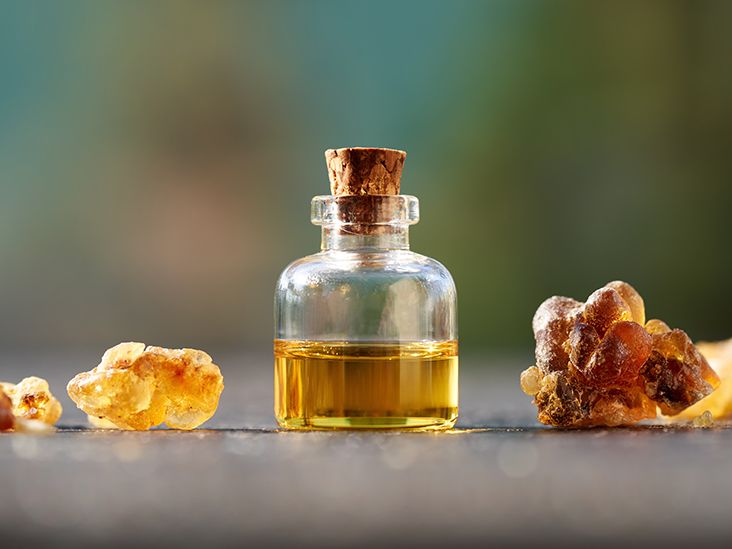
3. Ethical Sourcing as a Brand Pillar: The New Frontier of Trust
In the modern era, a brand is no longer just what it says; it is what it does. Because the frankincense trade has faced scrutiny regarding over-harvesting and fair labor practices, the resin has become a focal point for “Transparency Branding.”
Transparency and the Conscious Consumer
What is frankincense used for today? Increasingly, it is used as a litmus test for a brand’s ethical backbone. Modern consumers, particularly Gen Z and Millennials, demand to know the supply chain story. Brands like dōTERRA and Young Living have invested heavily in “Co-Impact Sourcing” or “Seed to Seal” narratives. By focusing on the harvesters in Somaliland or Oman, these companies have turned their supply chain into their primary marketing message. They aren’t just selling frankincense; they are selling the idea that buying their product supports a sustainable and ethical ecosystem. This is a vital lesson in modern branding: the “how” is just as marketable as the “what.”
Sustainability as a Competitive Advantage
As the Boswellia sacra trees face ecological threats, sustainability has moved from a “nice-to-have” to a core brand USP (Unique Selling Proposition). Brands that can prove they are regenerating forests or using sustainable tapping methods gain a significant competitive advantage over those that don’t. In this context, frankincense is used as a symbol of “Environmental Stewardship.” For a brand, being the “protector” of an ancient resource is a powerful position that builds immense trust and distinguishes them from competitors who may be seen as mere exploiters of the resource.
4. Strategic Application: How Modern Brands Use Frankincense to Signal Quality
Beyond the resin itself, the word “Frankincense” has become a linguistic shortcut for “premium.” It functions similarly to how “gold” or “platinum” is used in other industries to denote the highest tier of service or product quality.
Luxury Perfumery and Ingredient Marketing
In the world of fine fragrance, frankincense (often listed as ‘olibanum’) is used to signal “niche” status. Mass-market perfumes often rely on floral or citrus notes, but luxury houses like Diptyque, Byredo, and Aesop use frankincense to create “challenging” and “intellectual” scents. By using frankincense, these brands are signaling to their audience that their products are for the connoisseur, not the crowd. This is a classic example of “Ingredient Marketing,” where a specific component is used to validate the product’s high price point and artisanal credentials.
Cross-Industry Influence: Skincare and Beyond
The “branding” of frankincense has bled over into high-end skincare, where it is marketed for its “rejuvenating” properties. Here, the use of frankincense is about bridging the gap between ancient wisdom and modern science. Brands use the resin to appeal to the “Green Chemistry” trend—the desire for products that are both natural and high-performing. By positioning frankincense as “nature’s retinol,” brands are able to command prices that rival synthetic pharmaceutical creams. This demonstrates the power of “Bridge Branding”—taking a traditional element and positioning it as a modern scientific breakthrough.
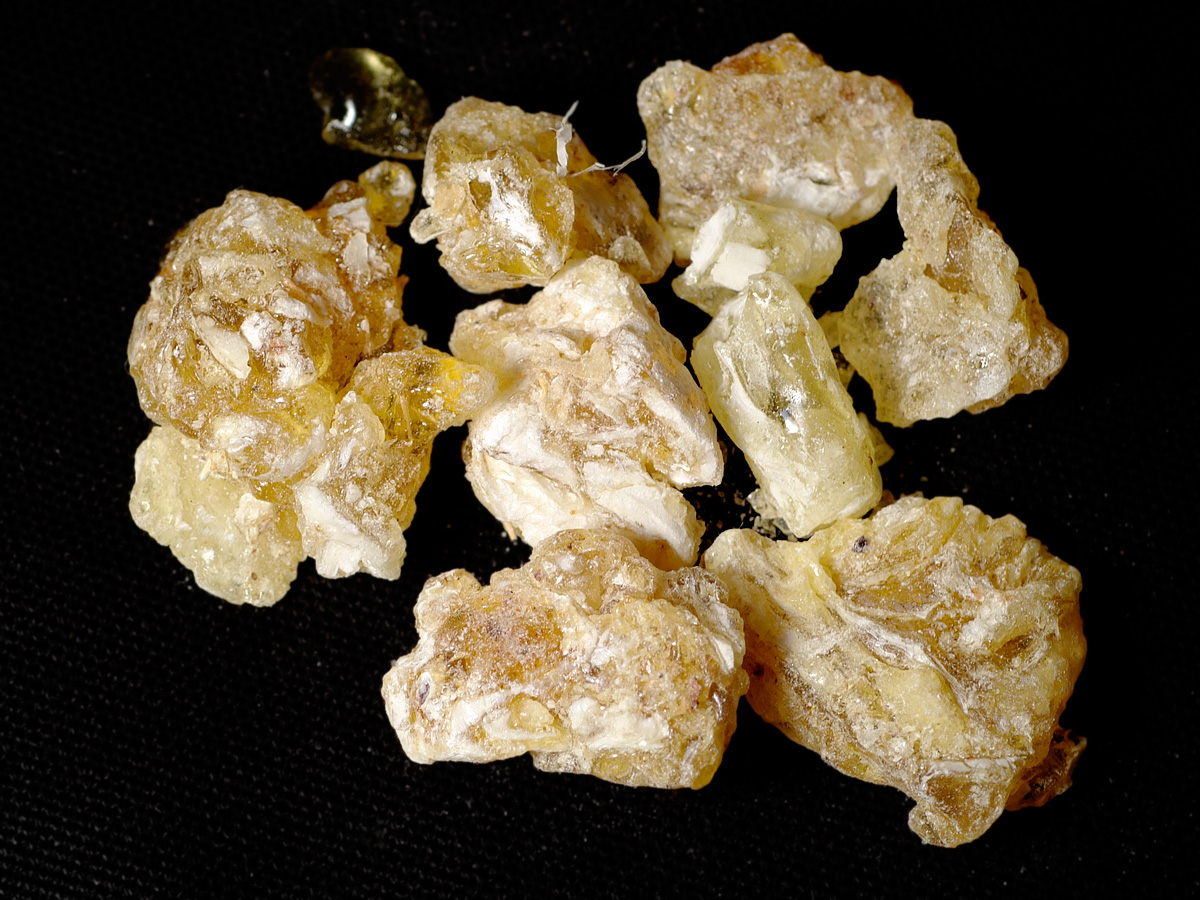
Conclusion: The Timeless Strategy of Frankincense
When we analyze “what frankincense is used for” through the lens of brand strategy, we see that its true value lies in its ability to satisfy the human craving for meaning, history, and quality. Frankincense is more than a resin; it is a strategic asset. It teaches brand builders that longevity is built on a foundation of storytelling, that luxury is defined by scarcity, and that trust is earned through transparency.
For any brand looking to establish a sense of permanence in a volatile market, the lessons of frankincense are clear:
- Leverage your heritage, even if you have to “discover” or build it from a core truth.
- Create sensory anchors that bind your customers to your brand on an emotional level.
- Own your supply chain narrative, turning ethics into a competitive advantage.
- Position your product not just as a commodity, but as an essential part of a refined lifestyle.
Frankincense has survived the rise and fall of empires, not just because it smells pleasant, but because it has been “branded” as something essential to the human experience. In the world of marketing, that is the ultimate goal: to move from being a choice to being a tradition. Whether you are building a tech startup, a personal brand, or a corporate giant, the “Frankincense Model” of branding offers a timeless blueprint for enduring success.
aViewFromTheCave is a participant in the Amazon Services LLC Associates Program, an affiliate advertising program designed to provide a means for sites to earn advertising fees by advertising and linking to Amazon.com. Amazon, the Amazon logo, AmazonSupply, and the AmazonSupply logo are trademarks of Amazon.com, Inc. or its affiliates. As an Amazon Associate we earn affiliate commissions from qualifying purchases.