
The term “employer” might seem self-explanatory at first glance – it’s simply someone who hires people. However, delving deeper reveals a complex and critical role within the fabric of our economies. An employer is far more than just a hirer; they are a financial catalyst, an economic actor, and a key driver of wealth creation and distribution. From the smallest sole proprietorship taking on its first contractor to multinational corporations employing hundreds of thousands, the employer’s function is deeply intertwined with the flow of money, resource allocation, and the overall financial well-being of individuals and nations. Understanding “what an employer means” is to grasp a foundational concept in business finance, labor economics, and the very mechanics of how income is generated and circulated.
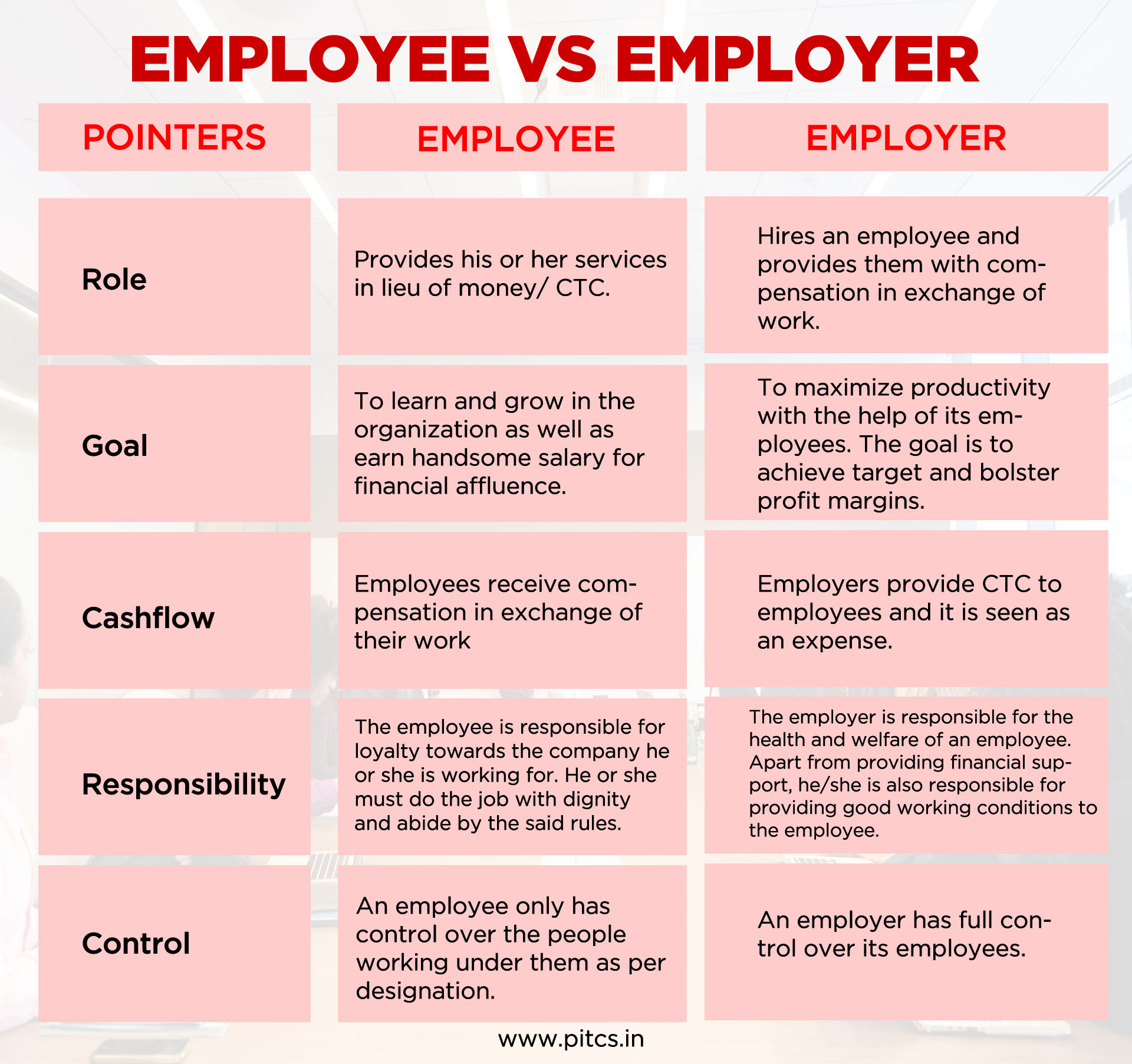
Defining the Employer: A Cornerstone of the Economy
At its core, an employer is an individual, organization, or entity that hires employees to perform work in exchange for compensation. This seemingly simple definition unlocks a cascade of financial and economic responsibilities, rights, and relationships that underpin modern society. Employers are the engine of job creation, providing the opportunities through which individuals earn income, support their families, and contribute to the consumer economy. Without employers, the vast majority of people would struggle to generate the consistent income necessary for personal finance stability, making the employer a true cornerstone of both micro and macroeconomics.
Legal and Economic Foundations
Legally, an employer is defined by specific criteria that differentiate them from clients or contractors. These criteria often include the ability to control the “how, when, and where” of work, the provision of tools and equipment, and the payment of regular wages or salaries. Economically, an employer takes on a significant financial risk. They invest capital – whether their own or acquired through loans or investment – to create a business, produce goods or services, and, crucially, to pay their workforce. This investment is predicated on the expectation of generating revenue that not only covers these costs but also yields a profit, demonstrating the inherent financial calculus at play.
The establishment of an employer-employee relationship triggers a host of financial obligations: payroll taxes, unemployment insurance contributions, workers’ compensation premiums, and adherence to minimum wage laws. These are not merely administrative tasks; they represent a significant portion of a business’s operational costs and directly contribute to public coffers and social safety nets, further cementing the employer’s role in the broader financial ecosystem.
The Reciprocal Relationship: Employer and Employee
The relationship between an employer and an employee is inherently reciprocal, built on a mutual exchange of value, predominantly financial. The employee provides labor, skills, and time, contributing to the employer’s objectives and revenue generation. In return, the employer provides financial compensation – wages, salaries, bonuses, and benefits – which serves as the employee’s primary source of income. This exchange is the bedrock of personal finance for individuals and a fundamental mechanism for wealth distribution within an economy.
From an employer’s perspective, this relationship is a core investment. The money spent on an employee is an outlay expected to yield a return, whether through increased productivity, innovation, customer satisfaction, or market expansion. Therefore, understanding the financial implications of hiring and retaining talent is paramount to an employer’s financial health and strategic planning. The quality of this financial relationship, including fair compensation and benefits, often dictates employee morale, productivity, and retention, directly impacting the employer’s long-term financial viability.
The Financial Engine: How Employers Drive Economic Activity
Employers are the primary engines driving economic activity. Their financial decisions, investments, and operational strategies ripple throughout the economy, influencing everything from local consumer spending to national GDP. They are not merely recipients or consumers of capital; they are active creators and circulators of it, transforming raw resources and labor into valuable goods and services, and distributing income in the process.
Wages, Salaries, and Benefits: Circulating Capital
Perhaps the most direct financial impact of an employer is the distribution of wages, salaries, and benefits. These payments represent the income of the workforce, directly fueling consumer spending. When employers pay their employees, that money is then used to purchase goods and services from other businesses, pay rent or mortgages, save, and invest. This constant circulation of capital creates a multiplier effect, where each dollar paid by an employer contributes to multiple transactions across the economy, stimulating further production and employment.
Beyond direct compensation, employers often provide significant non-wage benefits such as health insurance, retirement plans (like 401ks), and paid time off. These benefits represent substantial financial investments by employers, reducing employees’ out-of-pocket expenses and contributing to their long-term financial security. These employer-sponsored financial tools are critical components of an individual’s personal finance strategy and an employer’s overall compensation package.
Tax Contributions and Public Services
Another critical financial role of employers is their contribution to public coffers through various taxes. Businesses pay corporate income taxes, property taxes, and sales taxes. Crucially, employers are also responsible for collecting and remitting payroll taxes (e.g., Social Security and Medicare contributions) from their employees’ wages, and often contributing an matching amount themselves. These taxes fund essential public services such as infrastructure, education, healthcare, and national defense, which in turn create an environment conducive to further business growth and economic stability.
Without employer contributions, governments would have significantly less revenue to invest in the public goods that benefit both businesses and individuals. This symbiotic relationship highlights how the financial health of employers is intrinsically linked to the financial health of the state and its capacity to provide for its citizens.
Investment and Innovation: Fueling Growth
Employers, particularly those in growth-oriented sectors, are significant investors in research and development, new technologies, and expansion projects. This investment fuels innovation, leading to new products, services, and efficiencies that can create entirely new industries and markets. For example, a tech company investing heavily in AI tools is not only creating jobs for developers but also potentially revolutionizing how other businesses operate, leading to further economic expansion.
These investments are often substantial and carry financial risk, but they are crucial for keeping an economy dynamic and competitive. Successful employer investments can lead to increased productivity, higher profits, and ultimately, more jobs and higher wages across the board. The allocation of financial capital by employers into productive assets is a core mechanism for economic growth and advancing societal prosperity.
Business Finance in Action: Managing the Employer’s Books
For any entity to operate as an employer, robust business finance practices are not optional; they are essential for survival and growth. Managing the “books” involves a complex interplay of budgeting, cash flow management, compliance, and strategic financial planning. It’s where the theoretical understanding of an employer’s role translates into tangible monetary operations.
Payroll Management and Compliance
One of the most immediate and complex financial responsibilities of an employer is payroll management. This involves accurately calculating wages, deducting appropriate taxes and other contributions (like retirement plan deductions), and ensuring timely payments to employees. Beyond simply paying people, employers must navigate a labyrinth of federal, state, and local labor laws, tax regulations, and benefits mandates. Missteps in payroll can lead to severe financial penalties, audits, and damage to an employer’s reputation.
Effective payroll management also impacts cash flow directly. An employer must ensure sufficient funds are available to meet payroll obligations regularly. This often requires careful budgeting and forecasting, especially for businesses with fluctuating revenues. Many employers utilize financial tools and software (often integrating with broader business finance systems) to streamline these processes and maintain compliance, illustrating the constant need for sophisticated financial oversight.
Operating Costs and Revenue Generation

Beyond payroll, employers incur a myriad of operating costs: rent, utilities, raw materials, marketing, insurance, and professional services. Managing these expenses efficiently is crucial for profitability. Simultaneously, employers must focus relentlessly on revenue generation – selling goods or services at a price point that covers costs and generates a profit. This delicate balance of cost control and revenue growth is at the heart of business finance.
Understanding profitability metrics, break-even points, and return on investment (ROI) for various business activities is fundamental. Employers must constantly evaluate where their financial resources are best deployed to maximize output and minimize waste. This continuous financial analysis informs strategic decisions about pricing, product development, market entry, and workforce size.
Funding Growth: From Startups to Scale-ups
For many businesses, becoming an employer is just the first step on a growth trajectory. Funding this growth requires astute financial management and often external capital. Startups might rely on seed funding, angel investors, or venture capital – all forms of financial investment that require employers to present compelling business plans and demonstrate potential for financial returns. Established businesses might use retained earnings, bank loans, or issue bonds or stock to finance expansion, acquire other companies, or invest in new technologies.
Each stage of growth presents unique financial challenges and opportunities. Employers must assess their capital needs, evaluate financing options, and understand the cost of capital. A successful growth strategy from an employer’s perspective is one that not only creates more jobs but also generates sustainable financial returns for investors and stakeholders, reinforcing their integral role in the capital markets.
Strategic Financial Decisions for Employers
An employer’s financial health is not just about managing day-to-day transactions; it’s about making strategic decisions that ensure long-term sustainability, competitiveness, and profitability. These decisions often involve trade-offs and require a deep understanding of market dynamics, economic forecasts, and internal capabilities.
Budgeting for Workforce Development
Investing in the workforce is a strategic financial decision. Employers budget for training programs, professional development, and employee well-being initiatives not merely as an expense, but as an investment in human capital. A skilled, motivated workforce is more productive, innovative, and less likely to leave, leading to reduced recruitment costs and increased operational efficiency – all positively impacting the bottom line.
Strategic budgeting for workforce development ensures that the employer’s team remains competitive and capable of adapting to market changes. This proactive financial allocation helps secure future revenue streams and fosters a culture that attracts and retains top talent, directly influencing the financial performance of the organization.
Compensation Strategies and Retention
Designing a competitive compensation and benefits package is a strategic financial challenge for employers. It involves balancing the need to attract and retain talent against the company’s financial capacity. Employers must research market rates, understand the value of different benefits, and craft packages that motivate employees while remaining fiscally responsible.
Poor compensation strategies can lead to high employee turnover, which is incredibly costly due to recruitment expenses, lost productivity, and the time required to onboard new hires. Conversely, an overly generous compensation strategy can erode profitability. The employer’s role here is to find the financial “sweet spot” that optimizes both employee satisfaction and business financial health. This often involves leveraging various financial tools to model different compensation scenarios and analyze their impact.
Risk Management and Financial Stability
Every employer faces a multitude of financial risks: economic downturns, market shifts, regulatory changes, and unforeseen operational disruptions. Strategic financial planning includes robust risk management, such as maintaining adequate cash reserves, securing lines of credit, and purchasing appropriate insurance.
Employers must continuously monitor key financial indicators, conduct scenario planning, and develop contingency plans to mitigate potential threats. Ensuring financial stability is paramount not only for the survival of the business but also for the security of its employees’ livelihoods. A financially stable employer is a more reliable and attractive entity, benefiting everyone involved.
The Evolving Role of the Employer in the Modern Economy
The meaning of “employer” is not static; it continually evolves with technological advancements, economic shifts, and societal expectations. The modern employer navigates a landscape vastly different from that of previous generations, particularly concerning how money is earned, managed, and distributed.
Remote Work and Gig Economy Implications
The rise of remote work and the gig economy has redefined the traditional employer-employee relationship. While many employers still maintain physical offices, a significant number now manage distributed teams, impacting their real estate costs and potentially opening up access to a wider talent pool. The gig economy, characterized by freelance, contract, or project-based work, challenges the very definition of an “employee” versus an “independent contractor,” with profound financial and legal implications for businesses.
Employers operating in this new landscape must understand the financial distinctions and obligations associated with hiring contractors versus employees. Misclassification can lead to significant penalties, while strategic adoption of these models can offer financial flexibility and access to specialized skills without the full overhead of traditional employment. This requires sophisticated financial planning and legal compliance specific to online income models and decentralized workforces.
Ethical Finance and Social Responsibility
Increasingly, employers are expected to practice ethical finance and demonstrate social responsibility. This goes beyond simply complying with laws; it involves considering the broader impact of their financial decisions on employees, communities, and the environment. Investors and consumers are scrutinizing employer practices related to fair wages, supply chain ethics, diversity, and environmental sustainability.
From a financial perspective, embracing ethical practices can lead to enhanced brand reputation, attracting responsible investors, and appealing to a conscientious customer base. Conversely, ignoring these expectations can result in boycotts, investor divestment, and regulatory backlash, all of which carry significant financial costs. The modern employer must balance profit motives with broader societal contributions, recognizing that these two often intersect financially.

Adapting to Economic Shifts and Technology
The global economy is characterized by rapid change, driven by technological innovation and geopolitical events. Employers must be agile and adaptive in their financial strategies. This includes constantly evaluating new financial tools, embracing automation to improve efficiency, and understanding how technologies like AI can impact workforce needs and business models.
Employers who successfully navigate these shifts are those who proactively invest in their workforce, leverage data for informed financial decision-making, and are prepared to pivot their strategies. The “meaning” of an employer in this dynamic environment is that of a forward-thinking financial steward, capable of steering their organization through uncertainty while continuing to create value, generate income, and provide opportunities for their employees.
In conclusion, understanding “what an employer means” is to appreciate a multi-faceted entity that serves as a vital financial conduit in our economic system. From creating jobs and distributing wages to paying taxes, fostering innovation, and navigating complex financial landscapes, employers are indispensable. Their strategic financial decisions directly influence individual livelihoods, market dynamics, and the overall prosperity of nations, making them a central pillar of the Money category.
aViewFromTheCave is a participant in the Amazon Services LLC Associates Program, an affiliate advertising program designed to provide a means for sites to earn advertising fees by advertising and linking to Amazon.com. Amazon, the Amazon logo, AmazonSupply, and the AmazonSupply logo are trademarks of Amazon.com, Inc. or its affiliates. As an Amazon Associate we earn affiliate commissions from qualifying purchases.