
For nearly two decades, the name Ellen DeGeneres was synonymous with a specific, highly lucrative brand of “niceness.” Her daily talk show was more than just a media property; it was a cornerstone of daytime television that anchored its identity in the “Be Kind” mantra. However, after a series of high-profile allegations regarding a toxic workplace environment and a subsequent “cancellation” in the court of public opinion, the DeGeneres brand faced an existential crisis.
Today, the question of “what Ellen is doing now” is not merely a piece of celebrity trivia. From a professional brand strategy perspective, it is a fascinating case study in crisis management, brand pivot, and the attempt to reclaim a narrative after the collapse of a central pillar of one’s public identity. DeGeneres is currently navigating a delicate transition, moving away from the mass-market accessibility of daytime TV toward a more niche, raw, and controlled personal brand.

The Rise and Fall of the “Be Kind” Architecture
To understand Ellen’s current brand trajectory, one must first analyze the architecture of her previous brand. For twenty years, DeGeneres built a brand predicated on a singular Value Proposition: radical kindness paired with relatable, non-confrontational humor.
Building a Brand on a Singular Value Proposition
In the world of personal branding, a “Signature Value” is often the most effective way to gain market share. For Ellen, “Be Kind” was not just a sign-off; it was a product. It moved merchandise, secured high-end sponsorships, and created a “safe” environment for A-list celebrities. By positioning herself as the moral antithesis to the “shock jocks” and aggressive tabloids of the early 2000s, DeGeneres captured a demographic that valued empathy and joy. This clarity of brand identity allowed her to scale into a media mogul with a net worth estimated in the hundreds of millions.
The Dissonance Between Public Persona and Corporate Reality
The primary risk of a brand built on a moral virtue—rather than a skill or a product—is that any perceived hypocrisy becomes a fatal flaw. In 2020, reports surfaced detailing a “toxic work environment” behind the scenes of The Ellen DeGeneres Show. For a brand like Nike, a supply chain issue is a logistical problem; for the “Be Kind” brand, an allegation of unkindness is a total system failure. The dissonance between the “On-Air Ellen” and the “Corporate Ellen” led to a rapid devaluation of her brand equity. Advertisers pulled back, and viewership plummeted, proving that when a brand’s primary asset is its perceived character, a character flaw is a bankrupting event.
Navigating the Crisis: A Case Study in Brand Rehabilitation
When a brand faces a catastrophic loss of trust, the strategy usually follows three phases: acknowledgment, penance, and pivot. DeGeneres’s transition from her talk show’s end in 2022 to her current activities shows a calculated, if polarizing, adherence to these principles.
Silence vs. Strategic Transparency
After the initial fallout, DeGeneres opted for a period of relative silence—a classic “cooling off” period used by brands to let the news cycle churn. However, her return to the public eye hasn’t been through traditional PR statements or defensive interviews. Instead, she has utilized her original medium: stand-up comedy. Her current tour and Netflix special, For Your Approval, represent a strategic attempt to control the narrative. By framing the “cancellation” within the context of a comedy set, she is attempting to shift from the role of a “corporate leader who failed” to an “artist who was misunderstood.”
The Final Season as a Managed Exit Strategy
The final season of her talk show was not just a farewell; it was a managed brand exit. Instead of being “fired” or “canceled” mid-contract, DeGeneres and her team negotiated a graceful conclusion that allowed for a retrospective of her achievements. This is a common tactic in corporate identity management: when a product is no longer viable, you sunset it in a way that preserves the legacy of the parent brand. By focusing on her 19 years of impact, she attempted to “archive” the scandal as a footnote rather than the finale.

The Current Pivot: What Ellen is Doing Now (Brand-wise)
Currently, Ellen DeGeneres is engaged in a rebranding effort that moves her away from the “Universal Sweetheart” archetype toward something more complex and perhaps more authentic: the “Resilient Iconoclast.” This pivot is visible in two distinct areas: her return to performance and her expansion into lifestyle curation.
Returning to Roots: Stand-up Comedy as a Raw Reintroduction
The “now” for Ellen is defined by her Netflix special For Your Approval. This is a significant brand pivot. In daytime TV, the goal is to be liked by everyone; in stand-up comedy, the goal is to be truthful, even if it’s uncomfortable. By addressing the allegations head-on—admitting she became a “one-dimensional character” and a “brand” rather than a person—she is attempting to rebuild her brand on the basis of authenticity rather than perfection. From a brand strategy perspective, this is a move toward “Vulnerability Marketing.” It invites the audience to see the human behind the logo, which is often the only way to recover from a reputation for being “fake.”
Real Estate and Lifestyle: Diversifying the Brand Portfolio
Beyond the stage, DeGeneres is doubling down on her brand as a sophisticated tastemaker in the luxury real estate market. Ellen has long been known for “flipping” high-end estates in Southern California, but this has now become a more central part of her public-facing identity. By leaning into interior design and architecture, she is shifting her brand category from “Entertainment/Talk” to “Lifestyle/Luxury.” This is a safer space for a tarnished brand; aesthetic taste is subjective and does not require the same moral “purity” that a daytime personality does. She is transitioning from being the “world’s friend” to being the “world’s connoisseur.”
Lessons for Modern Personal Brands
The evolution of Ellen DeGeneres offers several critical insights for entrepreneurs, influencers, and corporate leaders regarding the nature of modern branding.
The Danger of “One-Note” Branding
DeGeneres’s primary mistake was allowing her brand to become synonymous with a single, fragile emotion: kindness. When your brand is a monolith, one crack can shatter the entire structure. Modern brand strategy suggests building a “multi-pillar” identity. Had Ellen’s brand been built on “Humor, Design, and Talk,” the “Kindness” scandal would have only damaged one pillar. Because it was her only pillar, the entire brand collapsed. Diversification is as important for brand identity as it is for a stock portfolio.
Authenticity in the Age of Accountability
In the 1990s and 2000s, a “manufactured” persona was the industry standard. Today, the market demands radical transparency. DeGeneres’s current struggle illustrates the difficulty of transitioning a manufactured brand into an authentic one in the age of social media. The lesson for current brand builders is to start with a foundation that is sustainable. If the public-facing brand requires a level of perfection that the internal culture cannot maintain, a crisis is inevitable.
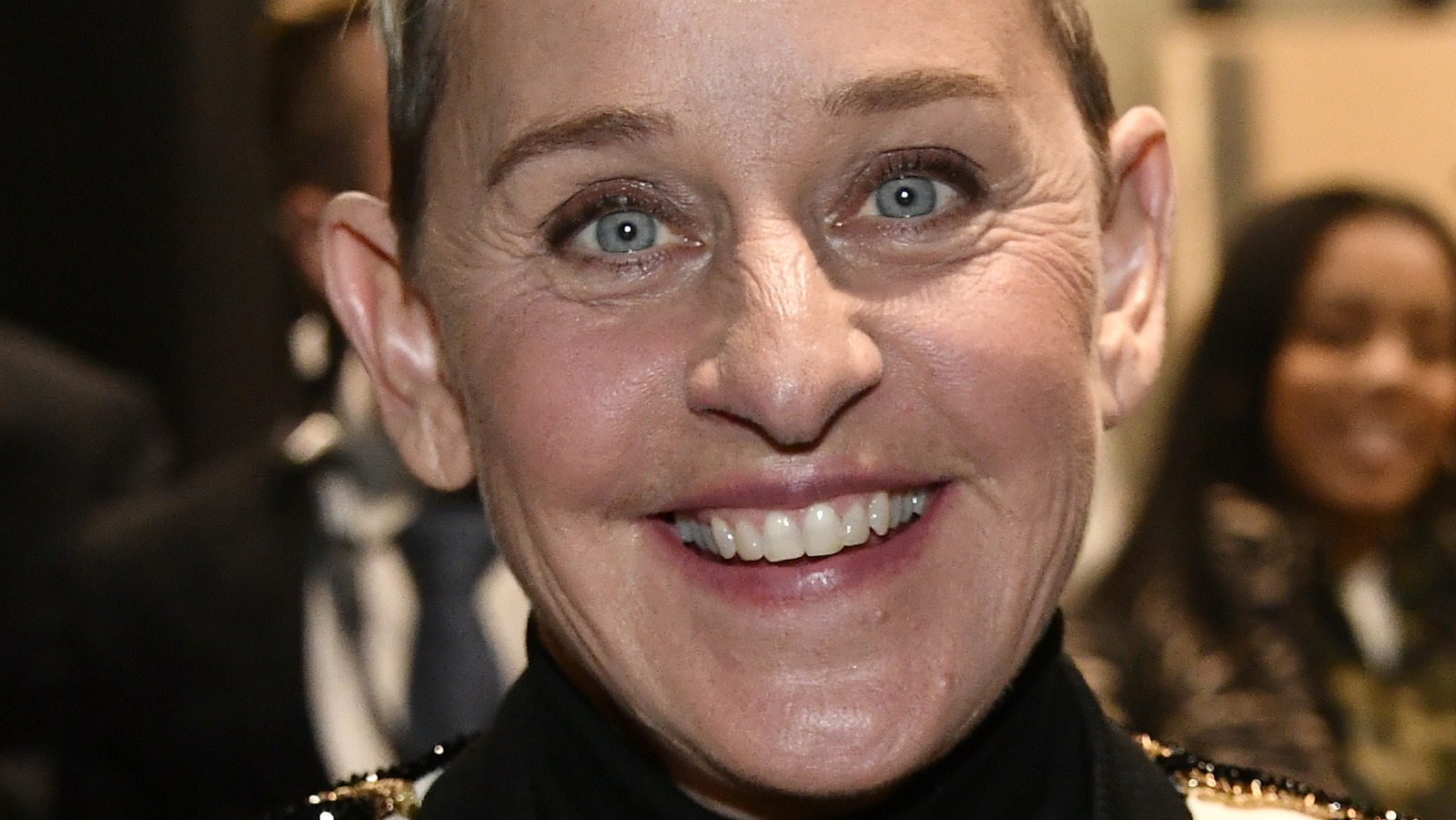
Conclusion: Is the Brand Salvaged?
As Ellen DeGeneres moves into this new chapter, her brand is no longer the “be-all-and-end-all” of daytime television. Instead, she is becoming a niche luxury brand—smaller, more expensive, and less concerned with universal appeal.
What she is “doing now” is a masterclass in the “Pivot to Privacy.” By stepping away from the 24/7 scrutiny of daily television and focusing on high-stakes real estate and curated comedy specials, she is reclaiming her time and her narrative. Whether or not the public fully “approves” of her return, the strategic shift she has made ensures that the Ellen DeGeneres brand will survive, even if it never again reaches the heights of its “Be Kind” era. For any brand, the ability to survive a total collapse of its core value proposition and emerge with a new, viable identity is the ultimate test of strategic resilience.
aViewFromTheCave is a participant in the Amazon Services LLC Associates Program, an affiliate advertising program designed to provide a means for sites to earn advertising fees by advertising and linking to Amazon.com. Amazon, the Amazon logo, AmazonSupply, and the AmazonSupply logo are trademarks of Amazon.com, Inc. or its affiliates. As an Amazon Associate we earn affiliate commissions from qualifying purchases.