
In the fast-evolving landscape of modern business and organizational management, acronyms often populate the executive boardroom. Among the most critical, yet frequently misunderstood, is EBM—Evidence-Based Management. Far from being a buzzword, EBM represents a fundamental shift in how organizations make decisions, allocate resources, and measure success. By grounding leadership strategies in empirical data rather than intuition, gut feeling, or traditional “best practices” that lack localized proof, organizations can drastically improve their performance and agility.
At its core, Evidence-Based Management is a practice that promotes decisions based on the combination of critical thinking and the best available evidence. It encourages leaders to stop relying on “the way we’ve always done it” and instead turn toward objective metrics and scientific inquiry to steer the ship.
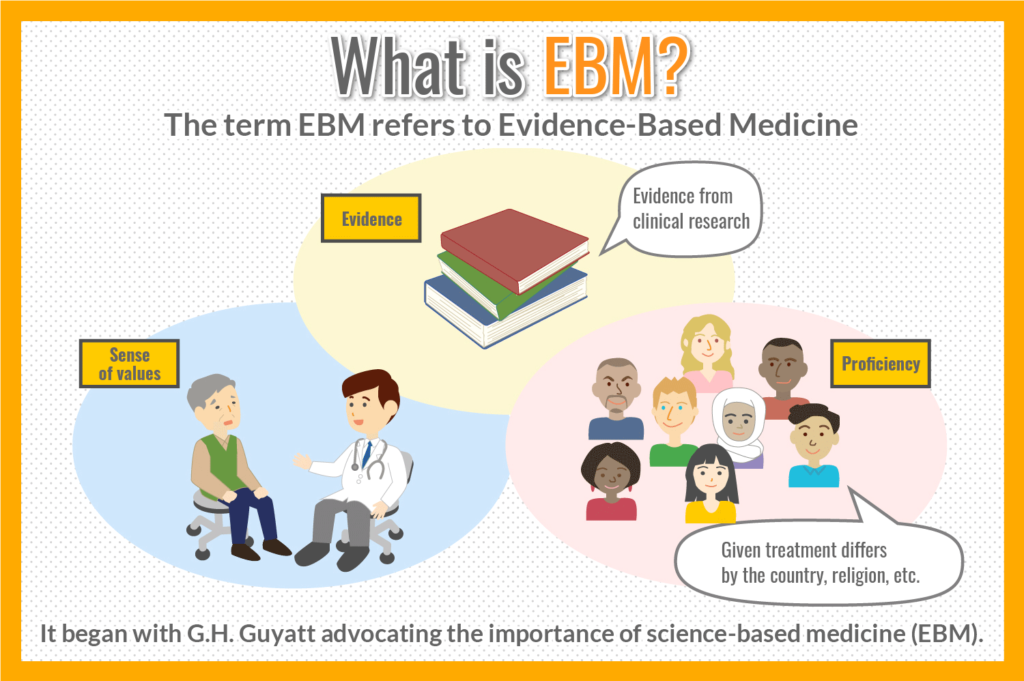
The Foundations of Evidence-Based Management
To understand EBM, one must first recognize the inherent flaws in traditional management. Historically, corporate strategy has been built on a foundation of “HiPPO” decision-making—the Highest Paid Person’s Opinion. While experience is valuable, it is often tainted by cognitive biases, outdated assumptions, and a narrow frame of reference. EBM serves as an antidote to this, demanding that decision-makers ask a simple but profound question: “What evidence do we have that this is true?”
The Four Sources of Evidence
Evidence-Based Management draws from four distinct pillars to form a comprehensive picture of reality. These are not mutually exclusive; rather, they must be synthesized to provide a holistic view.
- Scientific Evidence: This involves looking at peer-reviewed research, organizational psychology studies, and management theories that have been rigorously tested. It is the practice of applying the scientific method to organizational behavior.
- Organizational Evidence: This includes the internal data generated by the company. It covers financial reports, operational performance metrics, employee engagement surveys, and customer churn rates. This is the “internal truth” of the business.
- Practitioner Expertise: EBM does not ignore experience; it qualifies it. A seasoned manager’s intuition is a valid data point, but in an EBM framework, it is treated as a hypothesis to be tested rather than a definitive truth.
- Stakeholder Values: Evidence is useless if it ignores the human element. The values, concerns, and expectations of employees, customers, and shareholders must be integrated into the decision-making process to ensure sustainability and ethical alignment.
Why Intuition Often Fails
Human intuition is evolved for survival in the wild, not for navigating complex modern markets. We are prone to confirmation bias, where we seek out information that supports our pre-existing beliefs, and the sunk-cost fallacy, where we continue investing in a losing project simply because we have already poured resources into it. EBM forces a pause. It requires leaders to acknowledge their own limitations and look for external or empirical evidence to challenge their biases.
Integrating EBM into Business Strategy
Transitioning to an Evidence-Based Management style is not a matter of simply adopting a new software tool; it is a cultural transformation. It requires a shift toward intellectual humility and a hunger for data that may contradict the leadership’s current trajectory.

Fostering a Culture of Experimentation
The most successful practitioners of EBM treat business strategy as a series of experiments. Instead of rolling out a massive, expensive, and untested initiative, they favor small, pilot-based approaches. This “test and learn” mentality allows companies to gather evidence on a small scale before committing significant capital. If an experiment fails, the cost is minimal, and the organization gains valuable data that informs the next attempt. This is the essence of agility in the digital age.
Metrics That Matter
A common pitfall in corporate management is the obsession with “vanity metrics”—data points that look impressive on a slide deck but do not drive business outcomes. EBM prioritizes “outcome metrics.” If you are measuring software development, for example, EBM encourages looking at “Cycle Time” or “Deployment Frequency” rather than just “Lines of Code Written.” By focusing on the metrics that actually correlate with value creation, businesses can strip away the noise and focus on what truly moves the needle.
Overcoming Barriers to Implementation
While the benefits of EBM are clear, implementation is rarely easy. Organizations are inherently resistant to change, and moving toward an evidence-based culture often uncovers uncomfortable truths about underperforming departments or failing legacy projects.
The Problem of Data Silos
For EBM to function, data must be accessible. In many organizations, information is hoarded within functional silos. Marketing may have data that product development never sees, and finance may operate with a set of assumptions that contradicts the human resources department’s insights. To practice EBM, organizations must invest in data integration, ensuring that the “truth” of the business is visible across all levels. Transparency is the lifeblood of evidence-based systems.
Intellectual Humility and Accountability
The greatest barrier to EBM is often the ego of leadership. Admitting that a strategy is failing requires a level of vulnerability that is uncommon in traditional hierarchical structures. A leader practicing EBM must be comfortable saying, “We thought this strategy would work, but the evidence indicates otherwise; let’s pivot.” This requires psychological safety—a work environment where employees feel secure in reporting negative data without fear of retribution. When failure is viewed as a learning opportunity rather than a reason for punishment, the organization gains the agility to thrive.
The Future of EBM in a Data-Driven World
As we move deeper into an era defined by artificial intelligence and machine learning, the relevance of EBM only increases. We are currently swimming in an ocean of data, yet many organizations remain parched for genuine insight. The distinction between “data-driven” and “evidence-based” is subtle but vital. Being data-driven can sometimes lead to mindless automation; EBM, however, requires the human element—the critical thinking to interpret that data within the context of stakeholder values and strategic goals.
The Role of Technology
Modern business intelligence (BI) tools have made it easier than ever to gather, visualize, and analyze evidence. From real-time operational dashboards to advanced analytics that predict market trends, the infrastructure for EBM is readily available. However, the technology is merely an enabler. The strategic advantage goes to the company that uses these tools not just to track performance, but to challenge their own assumptions and refine their decision-making processes continuously.

Sustainable Growth Through EBM
In the long run, organizations that prioritize evidence-based practices are more resilient. They are less likely to fall victim to market trends that offer short-term gains but long-term instability. They are better at identifying talent, more efficient at allocating capital, and faster at adapting to market disruptions.
Ultimately, Evidence-Based Management is about increasing the “batting average” of an organization. It does not guarantee success—there will always be external variables outside of a company’s control—but it significantly increases the likelihood of favorable outcomes by removing the guesswork. It is a commitment to the truth, a dedication to critical inquiry, and a strategic advantage that distinguishes industry leaders from those who are merely reacting to the currents of the market. By grounding your business in evidence, you aren’t just managing for today; you are building a more intelligent, adaptable, and profitable future.
aViewFromTheCave is a participant in the Amazon Services LLC Associates Program, an affiliate advertising program designed to provide a means for sites to earn advertising fees by advertising and linking to Amazon.com. Amazon, the Amazon logo, AmazonSupply, and the AmazonSupply logo are trademarks of Amazon.com, Inc. or its affiliates. As an Amazon Associate we earn affiliate commissions from qualifying purchases.