
Digital Subscriber Line, universally known as DSL, stands as one of the most transformative technologies in the history of internet connectivity. Long before the widespread adoption of fiber optics and 5G mobile networks, DSL served as the primary bridge that transitioned households and small businesses from the agonizingly slow, screeching era of dial-up modems into the world of “always-on” high-speed broadband. By leveraging existing copper telephone infrastructure, DSL fundamentally changed how we consume media, conduct business, and communicate globally.
The Technical Foundations of DSL
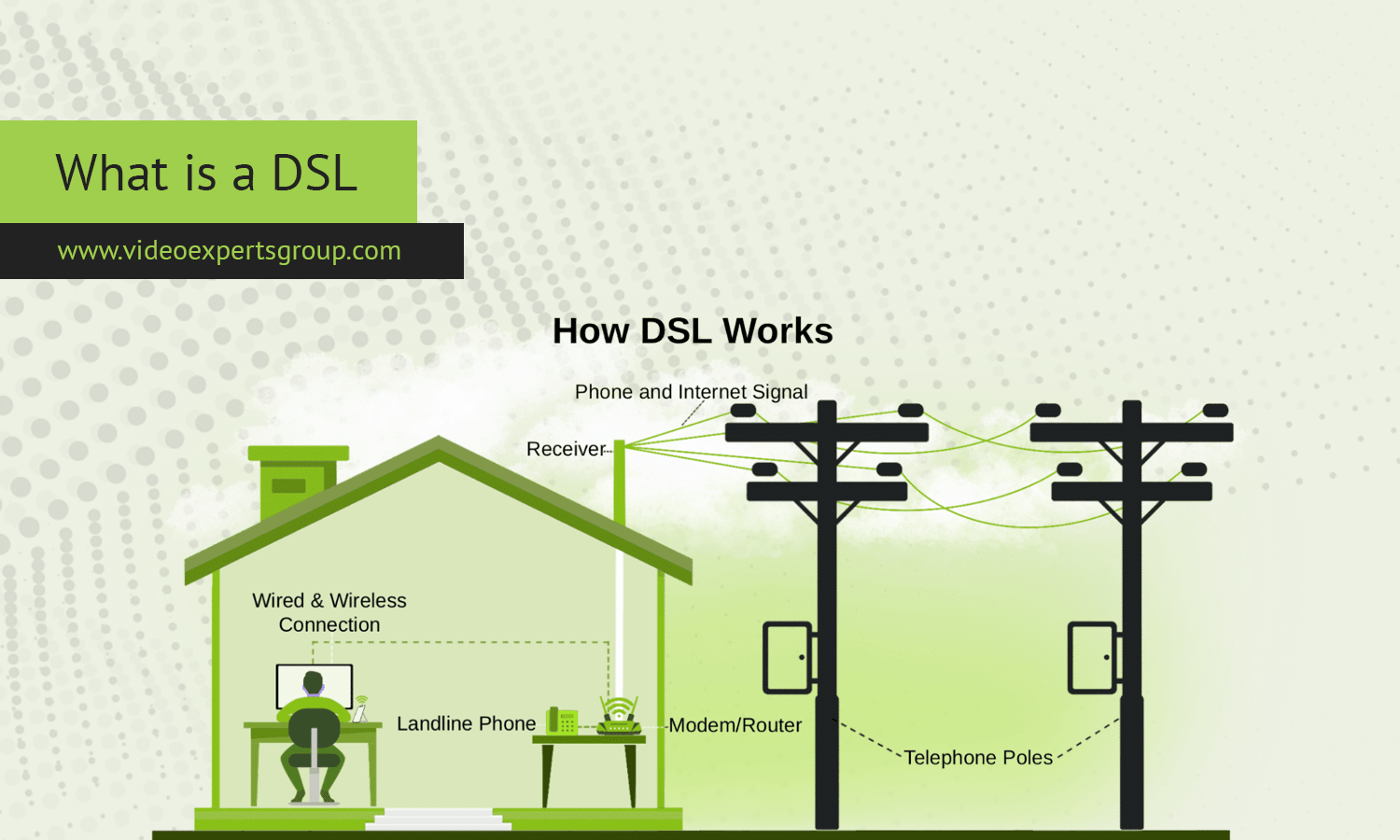
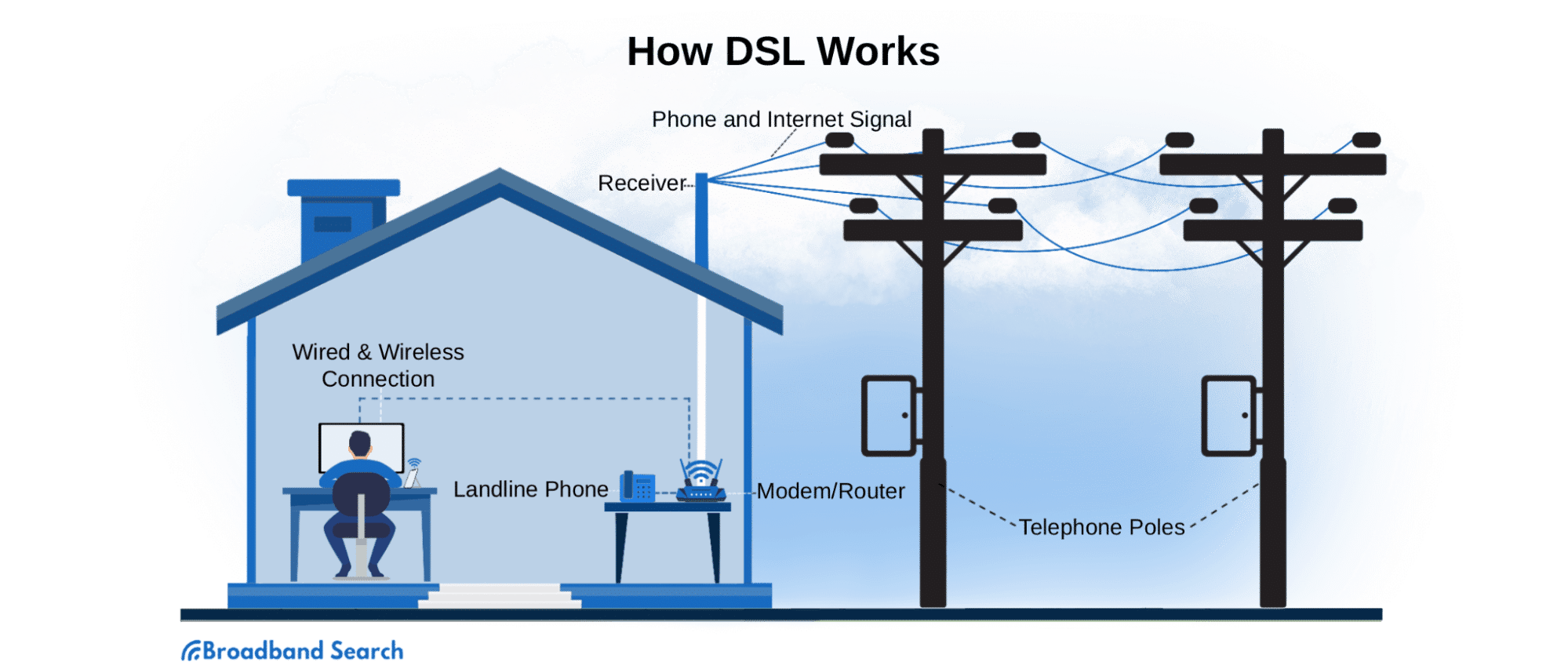
At its core, DSL is a technology that allows for the transmission of digital data over standard telephone lines. Unlike traditional analog modems that occupied the same frequency range as human speech, DSL utilizes higher frequency bands that are invisible to the standard telephone connection. This architectural choice is the primary reason DSL heralded the end of the “dial-up” era.
Frequency Division Multiplexing
The magic of DSL lies in frequency division multiplexing. A copper telephone wire is capable of carrying a wide spectrum of frequencies, but standard voice calls only require a tiny sliver of that bandwidth—typically up to 4 kHz. DSL equipment carves out the higher frequencies above the voice band to carry data. Because the data and the voice calls occupy different frequencies, a user can be engaged in a phone call while simultaneously surfing the web without the two signals interfering with each other.
The Role of Microfilters
To maintain this separation, users historically required a physical component known as a microfilter. This small plug-in device acts as a low-pass filter, preventing the high-frequency data signals from leaking into the telephone handset, which would otherwise result in audible static or interference. Modern installations often integrate this filtering at the wall jack level or within the provider’s central office, but the principle remains central to how DSL functions.
Evolution and Variations: From ADSL to VDSL
DSL is not a singular, monolithic standard. Over the decades, engineers developed various iterations to squeeze more speed and stability out of legacy copper wires. These variations define the user experience regarding upload and download speeds.
Asymmetric Digital Subscriber Line (ADSL)
ADSL is the most common residential version of the technology. The term “asymmetric” refers to the unequal allocation of bandwidth: the download speed is significantly higher than the upload speed. This design philosophy recognizes that the average home user consumes far more data—via streaming, web browsing, and downloading files—than they produce. By prioritizing download capacity, providers could deliver a snappier experience for typical consumer habits.
High-bit-rate Digital Subscriber Line (HDSL) and SDSL
For business applications requiring consistent traffic in both directions, Symmetric Digital Subscriber Line (SDSL) was developed. Unlike ADSL, SDSL provides equal bandwidth for both uploading and downloading. This is critical for tasks such as hosting local servers, conducting high-definition video conferencing, and transferring large files to cloud storage environments. HDSL and its successors bridged the gap for enterprise-level demands before fiber became the gold standard.
Very-high-bit-rate Digital Subscriber Line (VDSL)
VDSL represents the pinnacle of DSL performance. It achieves significantly higher speeds than ADSL by utilizing even higher frequency bands and shortening the length of the copper wire loop. In many modern implementations, a provider runs fiber optic cables to a neighborhood node (a “cabinet” on the street), and only the final “last mile” connection to the home uses the existing copper lines. This hybrid approach, known as Fiber-to-the-Cabinet (FTTC), allows VDSL to provide speeds competitive with entry-level fiber packages, effectively extending the lifespan of copper infrastructure.
Understanding Performance Bottlenecks
Despite its advancements, DSL is an aging technology defined by the physical limitations of copper. Understanding these bottlenecks is essential for anyone troubleshooting a slow connection or deciding whether to upgrade to a newer technology like Cable or Fiber.
The Distance Factor
The greatest enemy of DSL is distance. Because copper wire has electrical resistance, the signal attenuates—or weakens—as it travels from the provider’s Central Office (CO) to the user’s home. The further a residence is from the CO, the slower the connection becomes. At a certain distance, the signal-to-noise ratio becomes so degraded that high-speed data transmission is physically impossible. This is why DSL speeds are often quoted as “up to,” reflecting the reality that performance is highly dependent on the geographical location of the property.
Copper Quality and Interference
Copper is susceptible to electromagnetic interference (EMI). Factors such as old or corroded wiring inside a home, the presence of heavy electrical appliances near the modem, and even radio interference can introduce noise into the line. DSL modems constantly monitor the line for these errors and attempt to adjust their connection speed dynamically to maintain stability. If the environment is particularly “noisy,” the modem may force a lower synchronization rate to avoid packet loss.
DSL in the Modern Ecosystem
In an era dominated by streaming 4K video, cloud gaming, and massive file synchronizations, DSL faces stiff competition from cable broadband and fiber-to-the-home (FTTH). However, the technology still maintains a relevant footprint in the modern telecommunications landscape.
Rural Connectivity and Accessibility
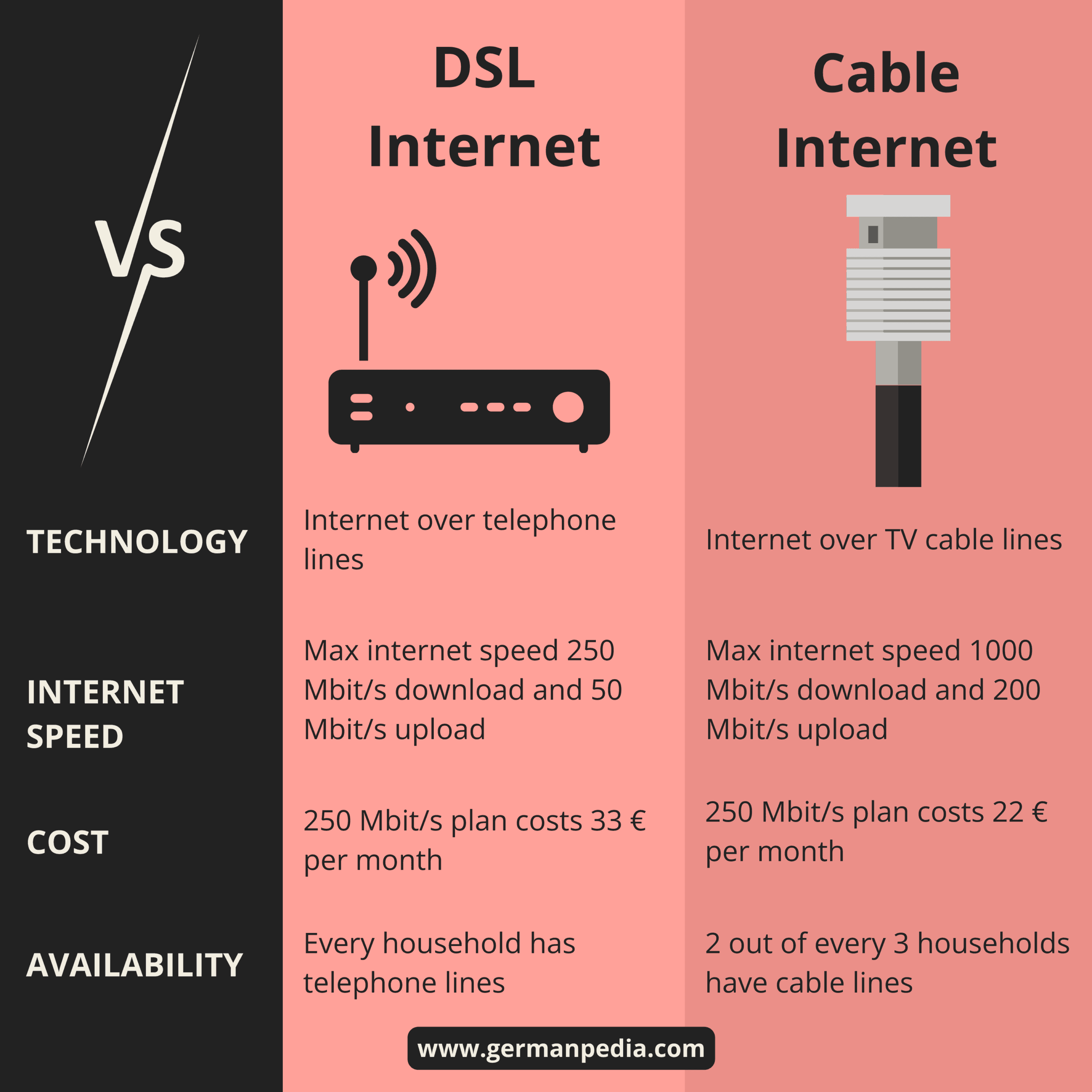
One of the primary strengths of DSL is its ubiquity. Because it utilizes existing telephone lines—infrastructure that was laid out decades ago to reach nearly every building in developed nations—DSL can reach rural or remote areas where installing new fiber cables would be prohibitively expensive for ISPs. For many households located in mountainous or sparsely populated regions, DSL remains the most reliable, if not the only, form of fixed-line broadband available.
Cost-Effectiveness and Reliability
Compared to newer technologies, DSL equipment is incredibly cheap to manufacture and install. For ISPs, maintaining a DSL network can be more cost-effective in areas where the user base is stable and not demanding gigabit-level speeds. Furthermore, because DSL does not rely on shared nodes like traditional cable internet—where neighborhood bandwidth is shared among all subscribers on the same line—DSL provides a dedicated line to the central office. This means that, unlike cable, your internet speed remains consistent regardless of how many neighbors are online at the same time.
The Future of DSL: G.fast
Even as fiber becomes more common, the research into maximizing copper continues. The latest frontier is G.fast, a protocol designed to achieve speeds exceeding 1 Gbps over very short copper loops. By combining vectoring—a noise-cancellation technology that allows signals to operate at extremely high frequencies—with G.fast, providers can squeeze performance out of copper that was previously thought impossible. While not a replacement for full fiber, G.fast allows providers to deliver fiber-like speeds to buildings where retrofitting fiber optics would be structurally difficult or expensive.
Conclusion: The Legacy of a Digital Pioneer
DSL is a testament to the ingenuity of networking engineering. By transforming the mundane telephone line into a conduit for the world’s information, it provided the essential foundation for the internet economy. While it is gradually being superseded by faster, more efficient technologies in urban centers, DSL continues to hold the line for millions of users worldwide. It serves as a reminder that technological evolution is not always about replacing the old with the new, but often about finding creative ways to push the limits of existing systems to keep the world connected. Whether serving as a reliable backup, a budget-friendly primary connection, or a vital lifeline in a rural territory, DSL remains a cornerstone of the digital landscape.
aViewFromTheCave is a participant in the Amazon Services LLC Associates Program, an affiliate advertising program designed to provide a means for sites to earn advertising fees by advertising and linking to Amazon.com. Amazon, the Amazon logo, AmazonSupply, and the AmazonSupply logo are trademarks of Amazon.com, Inc. or its affiliates. As an Amazon Associate we earn affiliate commissions from qualifying purchases.