
In the modern landscape of digital media and consumer behavior, few cultural phenomena have demonstrated the raw power of organic brand building as effectively as drill music. Originating in the early 2010s on the South Side of Chicago, drill was never just a musical genre; it was a high-intensity brand identity born from a specific socio-economic environment. To understand what drill music is from a brand strategy perspective is to understand the mechanics of hyper-local authenticity, visual semiotics, and the rapid scalability of a “disruptor” brand in a globalized economy.

Today, drill has transcended its geographic origins to become a dominant force in international marketing, high fashion, and personal branding. It represents a masterclass in how a subculture can maintain its core value proposition—unfiltered authenticity—while navigating the complexities of corporate commercialization.
The Brand Architecture of Drill: Authenticity as a Core Value Proposition
At the heart of every successful brand is a promise. For drill music, that promise is “the truth.” In a marketing era where consumers, particularly Gen Z and Millennials, are increasingly skeptical of polished corporate narratives, drill’s raw, unvarnished aesthetic provided a radical alternative.
The Chicago Blueprint and Chief Keef’s Personal Brand
The initial brand architecture of drill was pioneered by artists like Chief Keef. Unlike previous iterations of hip-hop that often emphasized aspirational wealth and “hustle culture,” the Chicago drill brand was built on the reality of the present moment. This was “low-fidelity” branding: gritty music videos filmed in kitchens and on street corners, captured on handheld cameras. This DIY approach created an immediate sense of intimacy and trust with the audience. From a brand strategy standpoint, this was a “Challenger Brand” move, stripping away the high-production gloss of major labels to offer something that felt dangerously real.
Visual Semiotics: The Mask and the Street Aesthetic
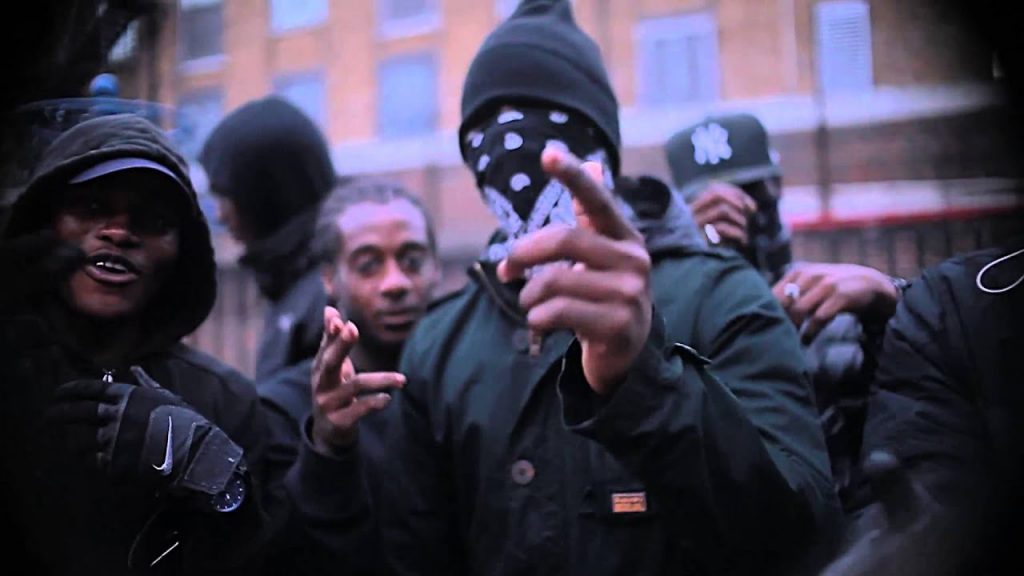
The visual identity of drill is one of its most recognizable brand assets. The use of balaclavas, puffer jackets, and specific color palettes serves as a corporate identity of sorts. This visual “uniform” does more than just provide anonymity; it creates a collective brand image that is easily replicable and instantly recognizable. For a marketing strategist, this is equivalent to a logo or a signature brand color. It allows the consumer to identify the “product” (the music and the lifestyle) within seconds of viewing a thumbnail on YouTube or a clip on TikTok.
Global Scalability: The Franchise Model of UK and Brooklyn Drill
One of the most fascinating aspects of drill’s evolution is its global scalability. Much like a successful franchise, the drill brand was exported from Chicago to London, and then to Brooklyn, Australia, and beyond, with each territory localizing the “product” while maintaining the core brand DNA.
The UK Pivot: Reframing the Sonic Identity
When drill arrived in the UK, it underwent a significant brand refresh. Producers in London added a faster, more syncopated rhythm and sliding basslines, creating a distinct “UK Drill” sound that would eventually become the global standard. This was a strategic pivot; it took the raw energy of the original Chicago brand and packaged it with a more sophisticated, club-friendly production style. This version of the brand was more “exportable,” leading to a transatlantic exchange where UK producers began defining the sound of New York artists.
Brooklyn Drill and the Pop Smoke Era
The Brooklyn iteration of the brand, led by figures like the late Pop Smoke, represented the peak of drill’s commercial viability. This era saw the drill brand move from the “fringe” to the “mainstream.” Pop Smoke’s personal brand—a blend of drill’s grit with a high-fashion, melodic sensibility—proved that the aesthetic could be integrated into luxury marketing. This was the moment drill proved its “brand elasticity,” showing it could stretch from the streets of Canarsie to the front rows of Paris Fashion Week without losing its foundational appeal.
Marketing in a High-Risk Environment: Navigating Institutional Pushback
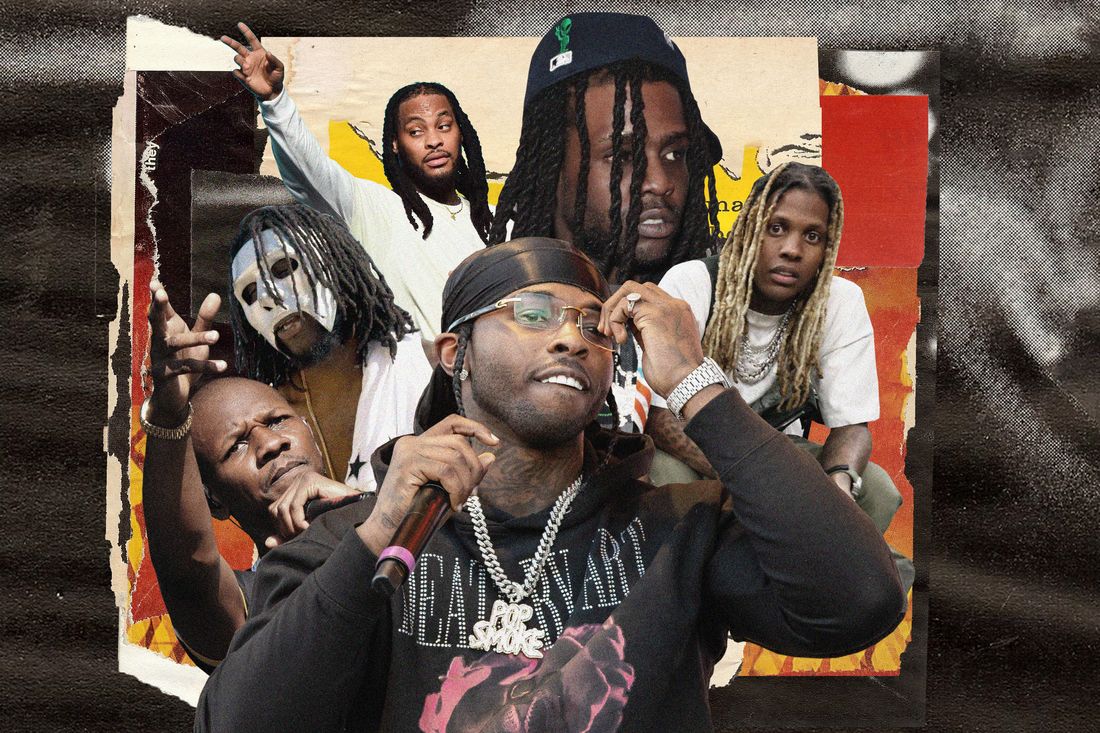
For any brand, reputation management is critical. Drill music faces unique challenges in this area, as its association with real-world conflict often leads to institutional pushback from law enforcement, streaming platforms, and traditional media outlets.
Brand Safety and the Censorship Paradox
In the corporate world, “brand safety” refers to the practice of ensuring an advertisement does not appear next to controversial content. Drill music often exists in direct opposition to traditional brand safety standards. This has created a paradox: while the genre drives massive engagement and digital traffic, it is frequently de-monetized or censored. Strategically, drill artists have had to become masters of “guerrilla marketing,” utilizing independent platforms, encrypted messaging apps, and social media bypasses to reach their audience. This decentralized distribution model is a textbook example of how a brand can thrive even when barred from traditional retail or media “shelves.”
The Pivot to Luxury: Case Studies in High-Fashion Integration
Despite its controversial reputation, the fashion industry—the ultimate arbiter of “cool”—has embraced the drill aesthetic. Brands like Dior, Off-White, and Givenchy have leaned into the drill brand identity, recognizing its influence on the youth market. Pop Smoke’s collaboration with Dior, and the subsequent “Christian Dior, Dior” lyricism, became a powerful co-branding exercise. This demonstrates a sophisticated marketing evolution: a brand that started as a localized protest against socio-economic conditions becoming a symbol of aspirational luxury. The “street” brand provides the luxury brand with “cool” and “edge,” while the luxury brand provides the street brand with “prestige” and “commercial scale.”
Digital Strategy: The Algorithm as a Growth Engine
Drill music’s rise is inseparable from the tech-driven distribution models of the 2020s. Its growth strategy is almost entirely digital-first, relying on the algorithmic preferences of platforms like YouTube, Spotify, and TikTok.
TikTok and the Short-Form Hook
The structure of modern drill—characterized by sudden beat drops and aggressive, punchy lyrics—is perfectly optimized for TikTok’s 15-second “sound bite” culture. Artists now build their personal brands by creating “challenge-ready” hooks that encourage user-generated content. This turns the audience into brand ambassadors, proliferating the drill aesthetic across millions of individual feeds. It is a viral marketing loop that requires zero traditional advertising spend.
Data-Driven Collaboration
The global “Drill ecosystem” is fueled by data-driven collaborations. Using streaming analytics, artists can identify where their “brand” is trending geographically and collaborate with local artists in those regions to capture market share. We see New York rappers collaborating with UK producers and African artists, creating a cross-pollination of audiences that expands the brand’s global footprint. This is a highly calculated business strategy that utilizes digital insights to maximize reach and minimize the risk of a stagnant “product line.”
The Future of Drill: Sustainability and Brand Extension
As the drill brand matures, it faces the inevitable challenge of any “trend-based” entity: how to remain relevant once the initial shock value wears off. The future of drill lies in brand extension—moving beyond the music into lifestyle, tech, and diversified media.
Diversification of the Artist Brand
Successful drill artists are increasingly viewing themselves as CEOs of their own personal brands. We are seeing a move into streetwear lines, energy drinks, and even digital assets like NFTs and gaming. By diversifying their “product offerings,” these artists are insulating their brands from the volatility of the music industry. They are shifting from being “musicians” to “cultural influencers” with a multi-faceted portfolio.
The Legacy of Drill as a Disruptor
Ultimately, what drill music represents is the democratization of brand building. It has proven that with a distinct visual identity, a clear value proposition (authenticity), and a savvy understanding of digital distribution, a brand can rise from the most marginalized environments to the pinnacle of global influence. Drill has rewritten the rules of cultural marketing, showing that the most powerful brands are not created in boardrooms, but are forged in the crucible of real-world experience and scaled through the power of the digital community.
In conclusion, “What’s drill music?” is a question with a two-fold answer. Musically, it is a subgenre of hip-hop defined by its dark, atmospheric production and visceral lyricism. But strategically and commercially, it is a global branding phenomenon that has disrupted the traditional music industry, redefined luxury marketing, and set a new standard for how authenticity is packaged and sold in the 21st century. As it continues to evolve, the drill brand will remain a vital case study for anyone looking to understand the intersection of culture, identity, and the modern digital economy.
aViewFromTheCave is a participant in the Amazon Services LLC Associates Program, an affiliate advertising program designed to provide a means for sites to earn advertising fees by advertising and linking to Amazon.com. Amazon, the Amazon logo, AmazonSupply, and the AmazonSupply logo are trademarks of Amazon.com, Inc. or its affiliates. As an Amazon Associate we earn affiliate commissions from qualifying purchases.