
In the modern financial landscape, your credit score is more than just a three-digit number; it is a digital manifestation of your financial reliability. It acts as a passport to favorable interest rates, premium financial products, and significant long-term savings. While many people aim for “good” credit, the distinction of “excellent” credit opens doors that are otherwise remain closed to the average consumer. But what exactly defines an excellent credit score, and how does one navigate the complexities of the credit system to reach this elite status?
This guide explores the nuances of credit scoring models, the specific benchmarks required to achieve an excellent rating, and the profound economic advantages that come with being a top-tier borrower.
Understanding the Credit Score Spectrum
To understand what constitutes “excellent,” we must first understand the systems used to measure creditworthiness. In the United States, two primary scoring models dominate the industry: FICO and VantageScore. While they use similar data from the three major credit bureaus—Equifax, Experian, and TransUnion—their definitions of “excellent” can vary slightly.
FICO vs. VantageScore: The Two Major Players
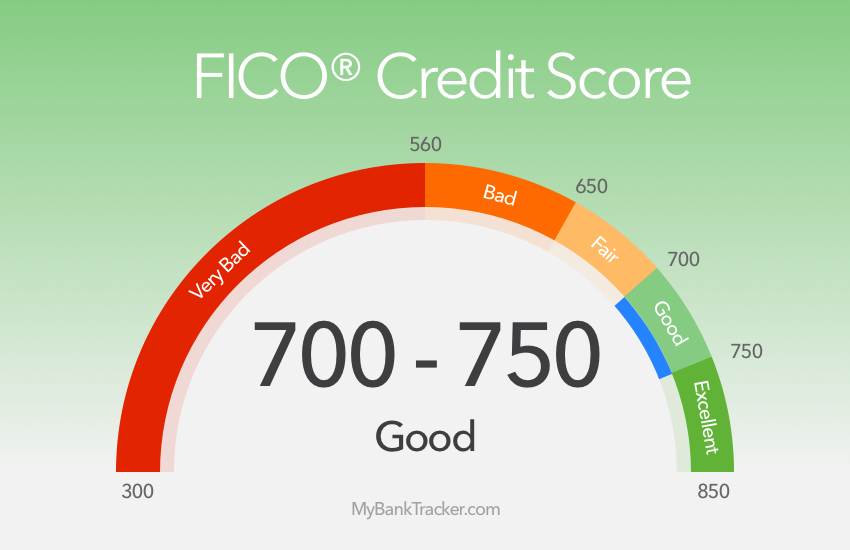
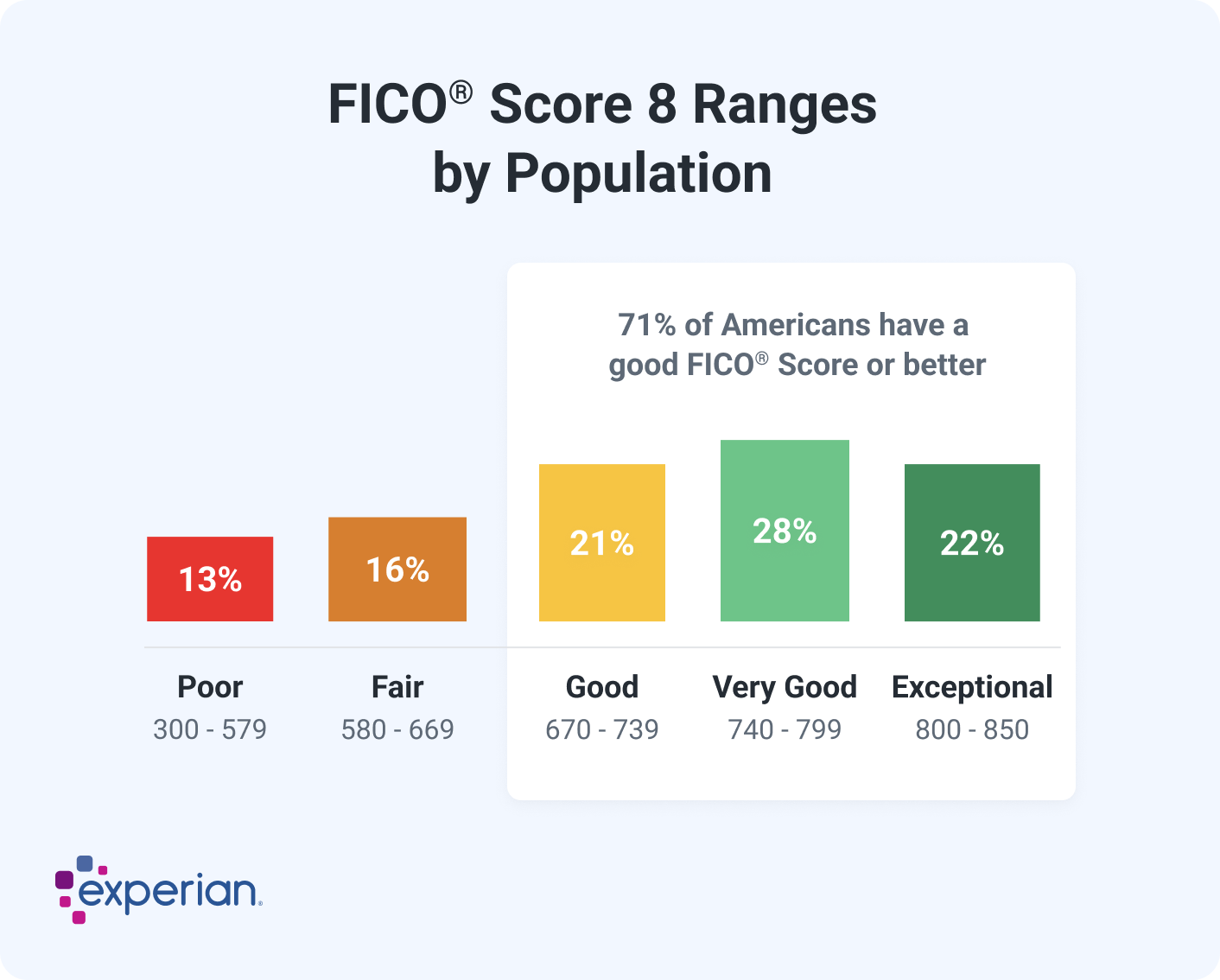
The FICO score, created by the Fair Isaac Corporation, is the oldest and most widely used model, utilized by 90% of top lenders. FICO scores range from 300 to 850. In the FICO model, a score of 800 to 850 is generally categorized as “Exceptional,” while scores from 740 to 799 are considered “Very Good.” For most high-end lenders, anything above 740 starts to unlock “excellent” perks, but the true gold standard remains the 800+ mark.
VantageScore, a collaborative effort by the three credit bureaus, also uses a 300 to 850 range. In their latest versions (VantageScore 3.0 and 4.0), “Excellent” is typically defined as any score from 750 to 850. While the ranges differ slightly, the goal remains the same: proving to lenders that the risk of you defaulting on a loan is statistically negligible.
The Numerical Range: Where Does “Excellent” Begin?
While the technical definition of “excellent” might start at 750 or 800, the practical application depends on the lender. For a mortgage lender, a 760 might be enough to secure the lowest possible interest rate. For a premium credit card issuer offering a $50,000 limit and elite travel rewards, they might look for a score north of 800.
Essentially, “excellent” credit represents the top 20% to 25% of the borrowing population. Individuals in this bracket are viewed as “low-risk” borrowers who have demonstrated a multi-year or multi-decade history of flawless financial management.
The Core Components of an Excellent Credit Score
Achieving a top-tier score is not a matter of luck; it is the result of a deliberate, mathematical approach to debt management. Credit scores are calculated based on five primary categories, and those with excellent credit tend to maximize their performance in each.
Payment History: The Foundation of Success
Accounting for 35% of your FICO score, payment history is the single most important factor. To reach the “excellent” tier, your payment history must be virtually perfect. A single 30-day late payment can drop an 800-level score by 60 to 100 points instantly. High-achievers often utilize automation and calendar alerts to ensure that every bill—from utilities to mortgages—is paid on or before the due date. In the eyes of a lender, consistency over time is the ultimate indicator of reliability.
Credit Utilization: Managing Your Limits
Credit utilization refers to the percentage of your total available credit that you are currently using. This accounts for 30% of your score. While common advice suggests keeping utilization below 30%, those with excellent credit typically keep theirs below 10%.
For example, if you have a total credit limit of $100,000 across all cards, an “excellent” borrower would rarely carry a balance exceeding $10,000. This shows lenders that although you have access to significant capital, you are not dependent on it to stay afloat.
Length of Credit History and Credit Mix
The remaining 35% of your score is split between the length of your credit history (15%), your credit mix (10%), and new credit inquiries (10%).
-
Length of History: Lenders want to see how you handle debt over the long haul. The “excellent” crowd usually has an average account age of 10 years or more. This is why financial experts advise against closing old credit card accounts, even if you no longer use them.
-
Credit Mix: Having a diverse portfolio—such as a mortgage, an auto loan, and two or three credit cards—proves you can manage different types of credit simultaneously.
-
New Credit: Excellent scorers are disciplined about applying for new credit. They understand that “hard inquiries” can temporarily ding a score and only apply for new accounts when necessary.
The Tangible Benefits of Maintaining Top-Tier Credit

Why strive for “excellent” when “good” is often enough to get approved? The difference lies in the cost of capital. Over a lifetime, a person with excellent credit will save hundreds of thousands of dollars compared to someone with average credit.
Lower Interest Rates and Premium Financial Products
The most immediate benefit is the interest rate on major purchases. On a 30-year fixed-rate mortgage of $400,000, the difference between a 760 score and a 660 score could be 1% or more in interest. Over the life of the loan, that 1% difference translates to over $100,000 in saved interest payments.
Furthermore, excellent credit provides access to “premium” credit cards. These cards offer massive sign-up bonuses, high cash-back percentages, airport lounge access, and concierge services. For the excellent-tier borrower, the bank essentially pays them to use their services, rather than the other way around.
Increased Bargaining Power and Insurance Perks
When you have an 800+ credit score, you are the customer every bank wants. This gives you significant leverage. You can often negotiate lower interest rates on existing loans or ask for annual fees to be waived on credit cards.
Additionally, many people are surprised to learn that credit scores affect insurance premiums. In many states, auto and homeowners insurance companies use “credit-based insurance scores” to determine premiums. Statistically, people with excellent credit file fewer claims, leading to lower monthly insurance costs.
How to Achieve and Maintain an Excellent Rating
Reaching the pinnacle of credit health is a marathon, not a sprint. It requires a combination of strategic planning and habitual discipline.
Strategic Debt Management
To move from “good” to “excellent,” you must be strategic about how you report debt. One advanced tactic is the “AZEO” method (All Zero Except One). This involves paying off almost all credit card balances before the statement closing date (not the due date), leaving a very small balance (less than 1% utilization) on only one card. This tells the scoring algorithm that you are using your credit, but with extreme restraint.
Another strategy is requesting credit limit increases. If you have a $5,000 limit and increase it to $10,000 while keeping your spending the same, your utilization ratio automatically drops by half, providing an instant boost to your score.
The Importance of Regular Monitoring
You cannot manage what you do not measure. Maintaining excellent credit requires regular audits of your credit reports from Experian, Equifax, and TransUnion. Errors are more common than most realize; a misreported late payment or an incorrectly recorded debt amount can sabotage your score. By utilizing tools like annualcreditreport.com or modern banking apps, you can identify and dispute inaccuracies before they cause long-term damage.
Common Myths vs. Realities of High Credit Scores
As people pursue excellent credit, they often encounter misinformation that can hinder their progress.
-
Myth: Carrying a balance on your credit card helps your score.
-
Reality: Paying your balance in full every month is the best way to maintain excellent credit. Carrying a balance only costs you money in interest and does nothing to improve your score.
-
Myth: Checking your own credit score lowers it.
-
Reality: “Soft inquiries,” such as checking your own score through a monitoring service, have zero impact on your credit. Only “hard inquiries” from lenders during an application process affect your score.
-
Myth: You need a high income to have excellent credit.
-
Reality: Credit scores do not track income, net worth, or employment status. A person earning $30,000 a year can have a perfect 850 score, while a millionaire with disorganized payment habits can have a score in the 500s.
Conclusion
Excellent credit is not merely a badge of honor; it is a powerful financial tool that provides security, flexibility, and wealth-building opportunities. By understanding the mechanics of the FICO and VantageScore models—focusing on perfect payment history, low utilization, and long-term account age—any consumer can work their way into the elite 800+ club.
In an era of economic volatility, having excellent credit serves as your ultimate financial safety net. It ensures that when you need to borrow, you can do so on your own terms, at the lowest possible cost, allowing you to keep more of your hard-earned money and build a more stable financial future.
aViewFromTheCave is a participant in the Amazon Services LLC Associates Program, an affiliate advertising program designed to provide a means for sites to earn advertising fees by advertising and linking to Amazon.com. Amazon, the Amazon logo, AmazonSupply, and the AmazonSupply logo are trademarks of Amazon.com, Inc. or its affiliates. As an Amazon Associate we earn affiliate commissions from qualifying purchases.