
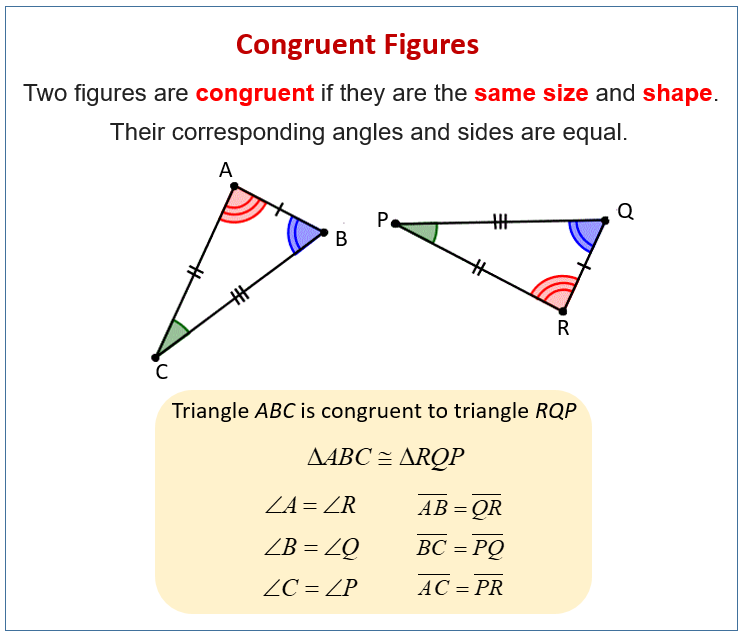
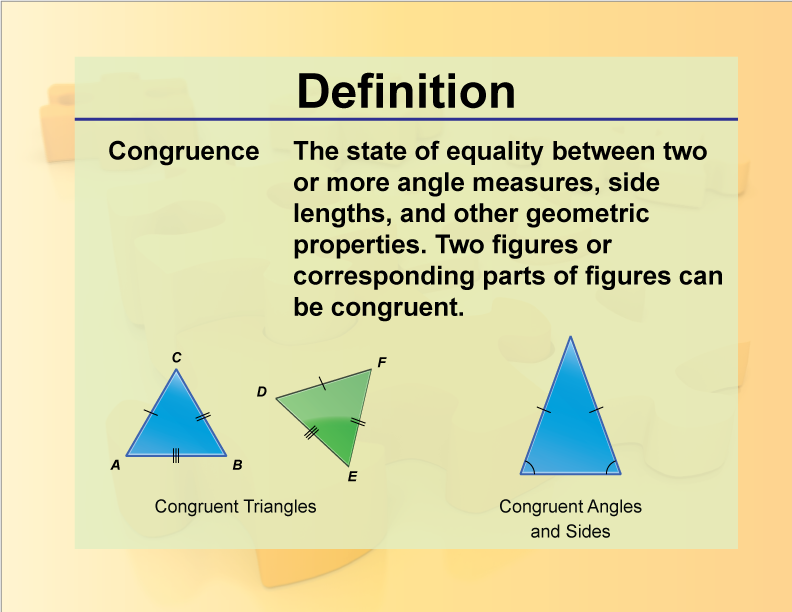
In a world saturated with choices, where consumer attention is a fleeting commodity and trust is earned, not given, the concept of “congruence” stands as a cornerstone of enduring brand success. While often used in geometry to describe figures of identical shape and size, in the realm of branding, congruence transcends mere visual similarity. It signifies a profound state of agreement, harmony, and consistent alignment across every facet of a brand’s existence. It’s the meticulous orchestration of identity, message, experience, and values into a cohesive whole, creating a unified narrative that resonates deeply with its audience.

True brand congruence isn’t an accidental byproduct; it’s a deliberate strategic pursuit. It ensures that what a brand says, what it does, and what it stands for are in perfect sync, leaving no room for confusion, doubt, or dissonance. This article delves into the multi-dimensional nature of brand congruence, exploring its foundational pillars, the compelling strategic advantages it offers, the common pitfalls to avoid, and the practical steps businesses can take to cultivate this unifying force. In an era where authenticity is paramount, achieving congruence is not merely a best practice; it is the very essence of building a brand that is not only recognized but genuinely trusted and cherished.
The Pillars of Brand Congruence: A Holistic View
Achieving congruence requires a comprehensive approach, touching upon every element that contributes to a brand’s identity and interaction with the world. It’s about ensuring that each touchpoint, whether seen, heard, or experienced, tells the same consistent story, reinforcing the brand’s core essence.
Visual Identity & Messaging Congruence
This is often the most immediate and recognizable aspect of brand congruence. It encompasses the visual elements that represent a brand, alongside the language it uses to communicate. A truly congruent brand maintains a consistent aesthetic and voice across all platforms, creating an unmistakable identity.
- Visual Consistency: From the logo to the color palette, typography, imagery, and graphic elements, every visual asset must adhere to a meticulously defined brand style guide. This consistency ensures instant recognition and reinforces the brand’s personality, whether on a website, social media, advertising campaigns, product packaging, or print materials. Disjointed visual elements—a logo that looks different on social media than on the website, or photography styles that clash—can erode professionalism and confuse the audience.
- Messaging Harmony: The brand’s tone of voice, key messages, taglines, and even the specific vocabulary used must be consistent across all communications. Whether it’s a customer service email, a marketing slogan, a blog post, or a press release, the language should reflect the brand’s personality, values, and strategic positioning. Conflicting messages, or a sudden shift in tone, can signal instability or a lack of clarity in the brand’s identity, undermining its credibility. This pillar ensures that the brand not only looks consistent but also speaks with a unified, authentic voice.
Product/Service Experience Congruence
Beyond what a brand looks like or says, its congruence is profoundly tested by what it actually does and how its customers experience it. This pillar focuses on the alignment between the brand’s promises and the tangible reality of its offerings.
- Delivering on the Brand Promise: A brand might tout innovation, quality, affordability, or exceptional customer service. Congruence demands that the actual product or service consistently delivers on these promises. If a brand promotes itself as premium but delivers a subpar product, or promises unparalleled support but offers slow, unhelpful service, the disconnect creates significant dissonance. This gap between expectation and reality can severely damage reputation and trust.
- Consistent Customer Journey: Every interaction a customer has with the brand, from initial awareness to purchase, usage, and after-sales support, must be consistent with the brand’s identity and values. This involves mapping the customer journey to identify potential points of friction or inconsistency. The “unboxing” experience, the ease of use of an app, the responsiveness of a help desk, and the efficiency of a delivery service all contribute to the overall brand perception. A luxurious brand, for instance, must ensure its customer service and packaging reflect that same level of luxury, not just its product itself.
Internal Culture & Values Congruence
Perhaps the most challenging, yet ultimately most critical, pillar of brand congruence lies within the organization itself. A brand’s internal culture, its values, and how its employees embody them are fundamental to its external authenticity.
- Employees as Brand Ambassadors: Employees are the living embodiment of the brand. If internal culture, values, and operational practices are incongruent with the brand’s external messaging, it creates an inauthentic façade that will eventually crumble. A brand that preaches sustainability externally but has wasteful internal practices, or champions diversity but has a homogenous and exclusionary workforce, is inherently incongruent.
- Alignment of Values: Congruence requires that the brand’s stated mission, vision, and values are genuinely lived out within the organization. This influences everything from hiring practices and employee training to internal communications and leadership behavior. When employees understand, believe in, and embody the brand’s values, they naturally deliver an experience that is consistent with the external brand promise. Conversely, a disconnect leads to “brandwashing,” where a brand projects an image it doesn’t truly live, eroding trust from the inside out and often becoming apparent to customers.
The Strategic Imperative: Why Congruence Drives Success
In an increasingly complex and competitive marketplace, brand congruence is not a nice-to-have; it’s a strategic imperative. Its impact reverberates across every dimension of business success, from building customer relationships to enhancing market position.
Building Trust and Credibility
Consistency is the bedrock of trust. When a brand is congruent, it signals reliability and authenticity. Consumers encounter countless brands daily, many of which make grand promises. A brand that consistently delivers on its identity, messaging, and experience across all touchpoints reduces cognitive dissonance, making it easier for consumers to believe in and rely on it. This predictability fosters a sense of security and familiarity, transforming casual interest into deep-seated trust. Credibility, once established through congruence, becomes a powerful differentiator, insulating a brand from market volatility and skeptical consumers.
Enhancing Brand Recall and Recognition
A clear, unified, and consistent brand identity is easier to remember and recognize. When every visual cue, every message, and every experience aligns, it creates a strong, singular impression in the consumer’s mind. This heightened recall means that when a consumer needs a product or service, the congruent brand is more likely to come to mind first. This effectiveness in communication often translates to reduced marketing spend, as each impression reinforces previous ones, building a cumulative effect. In a noisy marketplace, standing out often means being consistently present in a coherent way, allowing the brand to carve out a distinct and memorable niche.
Fostering Customer Loyalty and Advocacy
Congruence creates an emotional connection. When customers consistently experience a brand that aligns with their expectations and values, they feel understood and valued. This leads to higher satisfaction and, crucially, loyalty. Loyal customers are less price-sensitive, more forgiving of occasional missteps, and are more likely to become advocates for the brand. They champion the brand within their networks, generating invaluable word-of-mouth marketing that is both credible and cost-effective. A congruent brand doesn’t just sell products; it builds relationships, transforming transactions into enduring affiliations.
Differentiating in a Crowded Market
In many industries, product and service differentiation can be fleeting. Competitors can quickly replicate features or pricing strategies. However, true brand congruence is difficult to copy. It’s not just what a brand offers, but how consistently and authentically it offers it, across every touchpoint and through every employee. This deep-seated authenticity becomes a unique selling proposition in itself. A brand known for its unwavering consistency, its integrity, and its ability to live its values provides a compelling reason for customers to choose it over competitors, even if their core offerings are similar. Congruence moves a brand beyond commodity status, elevating it to a distinctive entity with a unique resonance.
Overcoming Obstacles to Congruence: Practical Approaches
Achieving and maintaining congruence is an ongoing journey, fraught with potential challenges in an ever-evolving business landscape. However, by adopting strategic frameworks and fostering a culture of alignment, businesses can successfully navigate these obstacles.
Defining Your Core Brand Identity
The first step towards congruence is to have an absolutely clear understanding of who your brand is. Without a well-defined core identity, consistency is impossible. This involves:
- Articulating Mission, Vision, and Values: These foundational statements serve as the guiding stars for all brand activities. They define the brand’s purpose, its aspirations, and its fundamental beliefs.
- Understanding Your Unique Selling Proposition (USP): What makes your brand distinct? What problem do you solve uniquely for your target audience? A clear USP helps focus messaging and product development.
- Developing Comprehensive Brand Guidelines: These documents are the rulebook for your brand. They detail everything from logo usage, color codes, and typography to tone of voice, messaging frameworks, and photography styles. They ensure that anyone interacting with the brand, internally or externally, has a clear reference for consistent execution.
Cross-Functional Alignment and Communication
In many organizations, internal silos can be the greatest enemy of congruence. Marketing, product development, sales, customer service, and HR often operate independently, leading to disjointed brand experiences. Overcoming this requires:
- Breaking Down Silos: Foster inter-departmental collaboration through shared goals, regular cross-functional meetings, and integrated project management. Ensure that all teams understand the overarching brand strategy and their role in upholding it.
- Internal Brand Champions: Designate individuals or teams responsible for championing brand congruence across departments. They can educate, monitor, and facilitate alignment, ensuring brand guidelines are understood and applied consistently.
- Centralized Brand Asset Management: Implement systems for storing and sharing approved brand assets (logos, templates, messaging guides) to ensure everyone is working with the most current and correct versions.
Auditing and Monitoring Brand Touchpoints
Congruence is not a static state; it requires continuous vigilance. Regular auditing and monitoring of all customer touchpoints are essential to identify and rectify inconsistencies.
- Regular Brand Audits: Systematically review every point where a customer interacts with your brand—website, social media, advertisements, physical stores, product packaging, customer service calls, emails. Assess each touchpoint against the brand guidelines and core identity.
- Feedback Mechanisms: Actively solicit customer feedback through surveys, reviews, social media monitoring, and focus groups. Pay close attention to comments that suggest confusion or a mismatch between expectation and experience.
- Utilizing Analytics: Leverage data from website traffic, social engagement, sales figures, and customer service metrics to identify patterns or areas where the brand message or experience might be falter.
Adapting While Maintaining Core Congruence
The market is dynamic, and brands must evolve to remain relevant. The challenge lies in adapting without sacrificing the core congruence that defines the brand.
- Evolution, Not Revolution: When considering changes to branding, distinguish between necessary evolution and reckless deviation. A brand refresh can update aesthetics and messaging to reflect contemporary tastes, but it must always remain true to the brand’s fundamental identity and values.
- Strategic Repositioning: If market conditions necessitate a significant shift, ensure that any repositioning is carefully planned and communicated. The new direction must be clearly articulated and consistently implemented across all touchpoints to prevent confusing the existing audience and attracting a new one effectively.
- Staying True to Values: While external expressions might change, the core values and mission of the brand should remain stable. This provides an anchor during periods of change, ensuring the brand’s essence endures even as its outward appearance adapts.
Case Studies in Congruence (and Lack Thereof)
Examining real-world examples can vividly illustrate the power, or the peril, of brand congruence.
Brands That Get It Right
- Apple: A quintessential example of congruence, Apple’s brand extends beyond its sleek, minimalist products to its iconic stores, intuitive user experience, premium pricing strategy, and aspirational marketing. Every element—from product design to customer support—speaks the same language of innovation, simplicity, and premium quality, creating an unparalleled ecosystem of congruence that breeds fierce loyalty.
- Patagonia: This outdoor apparel company exemplifies congruence between its products, its environmental mission, and its corporate practices. Their high-quality, durable gear aligns with their message of sustainability (“Buy Less, Demand More”), and their advocacy for environmental causes, fair labor practices, and even discouraging consumerism, are all deeply integrated into their brand identity and operations. This consistency has built an incredibly loyal customer base that shares its values.
Warning Tales of Disjointed Brands
While naming specific struggling brands might be counterproductive, a common scenario for incongruence often plays out as follows:
Imagine a tech startup that aggressively markets itself as “disruptive,” “innovative,” and “customer-centric,” promising groundbreaking solutions and personalized support. However, its app is clunky and prone to bugs (poor product experience), its customer service is automated and unresponsive (incongruent with “customer-centric”), and its internal development team is rife with hierarchical bottlenecks and burnout (incongruent with “innovative” culture). The flashy marketing creates initial interest, but the reality of the experience quickly leads to user frustration, negative reviews, and high churn rates. The brand’s promise and its delivery are fundamentally incongruent, leading to a rapid erosion of trust and market share.
Conclusion
The question “what’s congruent” in the context of branding isn’t merely an academic exercise; it’s a fundamental inquiry into the very soul of a business. Brand congruence is the invisible yet potent force that transforms a mere product or service into a trusted entity, fostering deep connections and sustainable growth. It’s about more than just a matching logo; it’s about a consistent promise, a unified experience, and an authentic ethos that permeates every interaction.
In a marketplace clamoring for authenticity, those brands that meticulously cultivate congruence across their visual identity, messaging, product experience, and internal culture will be the ones that not only capture attention but also forge lasting relationships. It requires relentless commitment, cross-functional collaboration, and an unwavering dedication to living up to one’s own identity. By embracing congruence as a core strategic principle, businesses can build brands that are not just recognized, but truly understood, trusted, and ultimately, beloved. Take a moment to assess: how congruent is your brand? The answer may very well define your future success.
aViewFromTheCave is a participant in the Amazon Services LLC Associates Program, an affiliate advertising program designed to provide a means for sites to earn advertising fees by advertising and linking to Amazon.com. Amazon, the Amazon logo, AmazonSupply, and the AmazonSupply logo are trademarks of Amazon.com, Inc. or its affiliates. As an Amazon Associate we earn affiliate commissions from qualifying purchases.