
The modern world is undeniably digital. From the moment we wake up, often to the glowing screen of a smartphone alarm, to the late-night scrolling sessions before sleep, technology is an omnipresent force. While these advancements have brought unprecedented convenience, connectivity, and access to information, they have also introduced a new spectrum of stressors and physical ailments. For many, the persistent, throbbing sensation of a headache has become an unwelcome companion. But what in our tech-saturated lives is truly causing this discomfort? This article delves into the technological culprits behind your headaches, offering insights and potential solutions to reclaim your cranial comfort.
The Screen Time Specter: Eye Strain and Digital Fatigue
The most immediate and often cited cause of headaches linked to technology is prolonged screen exposure. Our eyes, designed for a world of natural light and varying distances, are ill-equipped to handle the constant, unwavering glow of digital displays for extended periods. This leads to a phenomenon known as digital eye strain, or Computer Vision Syndrome (CVS), which can manifest as discomfort, blurred vision, and, most pertinently, headaches.
The Mechanics of Digital Eye Strain
Our eyes work by focusing light onto the retina. When looking at a screen, especially at a fixed distance for hours on end, the ciliary muscles within the eye are constantly engaged in accommodation – the process of adjusting the lens for clear vision. This sustained effort can lead to muscle fatigue, similar to how any other muscle in the body can ache after prolonged exertion. Furthermore, digital screens emit blue light, a high-energy wavelength that, while seemingly innocuous, can disrupt natural sleep-wake cycles and contribute to overall visual fatigue. The contrast and brightness of screens, often not optimally calibrated to ambient light, also force our eyes to work harder to perceive images, exacerbating the strain.
Symptoms Beyond the Ache
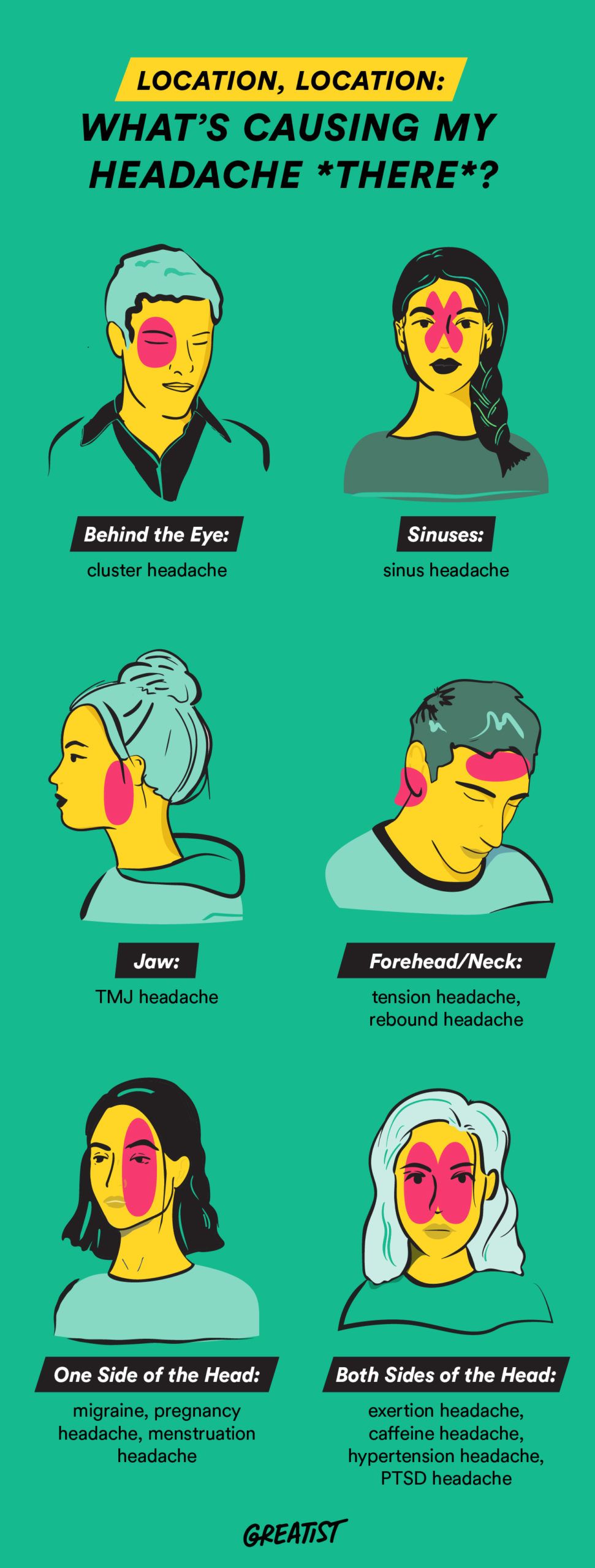
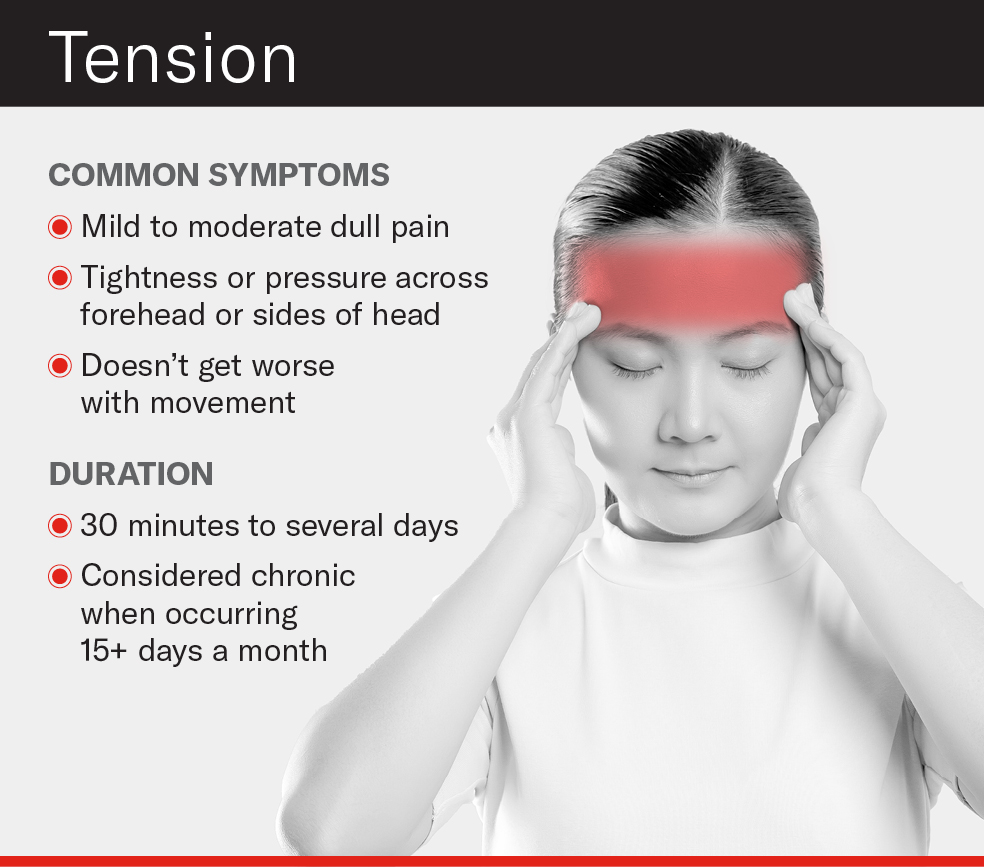
While a dull, persistent ache behind the eyes or across the forehead is a hallmark symptom, digital eye strain can present with a variety of other discomforts. Dry eyes are a common consequence, as we tend to blink less frequently when engrossed in a screen, reducing the natural lubrication of the ocular surface. This dryness can lead to burning sensations and further irritation. Neck and shoulder pain can also be linked, as poor posture adopted while hunched over a laptop or desk contributes to tension that radiates upwards. Headaches stemming from eye strain are often described as tension-type headaches, characterized by a squeezing or band-like sensation around the head.
Mitigating the Digital Gaze: Practical Solutions
Fortunately, the digital eye strain specter can be managed with proactive strategies. The most fundamental is the 20-20-20 rule: every 20 minutes, look at something 20 feet away for at least 20 seconds. This simple practice allows the ciliary muscles to relax and resets the eyes’ focus.
Screen Optimization is another crucial element. Adjusting screen brightness to match the ambient light of your surroundings is vital. Avoid screens that are significantly brighter or dimmer than the room. Many devices now offer “night mode” or blue light filters that reduce the emission of blue light, particularly beneficial in the evenings. Ensuring your screen resolution is set to its optimal level also reduces visual effort.
Ergonomics and Posture play a significant role. Position your screen at arm’s length and ensure the top of the screen is at or slightly below eye level. This promotes a more natural head and neck position, reducing strain on those muscles that can contribute to headaches. Regular breaks to stand up, stretch, and move around are essential not just for your eyes but for your entire body.
The Never-Ending Connectivity: The Neurological Impact of Constant Engagement
Beyond the physical strain on our eyes, the relentless nature of digital connectivity can have profound neurological and psychological effects that manifest as headaches. The constant barrage of notifications, the pressure to be always-on, and the cognitive load of managing multiple digital streams can lead to mental fatigue, stress, and anxiety, all potent triggers for headaches.
The Notification Nightmare and Cognitive Overload
Our smartphones and computers are designed to capture and retain our attention. Push notifications from emails, social media, news alerts, and messaging apps create a constant stream of interruptions. Each notification demands a cognitive shift, pulling our focus away from the task at hand and requiring us to process new information. This continuous task-switching and the mental effort to filter and prioritize these alerts lead to cognitive overload. Our brains are not designed for this level of constant, fragmented engagement. This mental exhaustion can manifest as tension headaches, as the brain’s circuits become fatigued and strained.
The Anxiety-Stress-Headache Nexus
The pressure to respond instantly, to maintain an online presence, and to keep up with a rapidly evolving digital landscape can foster a chronic state of low-grade anxiety and stress. This persistent stress response triggers the release of hormones like cortisol and adrenaline, which can lead to muscle tension throughout the body, including the neck, shoulders, and scalp – a common precursor to tension headaches. The fear of missing out (FOMO) fueled by social media can further exacerbate these feelings, creating a vicious cycle where technology use leads to anxiety, which in turn leads to headaches, potentially prompting more technology use as a distraction or coping mechanism.
Strategies for Digital De-escalation
Reclaiming control from the incessant buzz of connectivity requires conscious effort and the adoption of digital well-being practices. Notification Management is paramount. Take the time to review and disable non-essential notifications. Categorize apps by their urgency and set specific times to check less critical platforms. This allows for focused work periods and reduces the constant mental chatter.
Digital Detoxification is not a one-time event but a lifestyle adjustment. Scheduling regular periods away from screens, even for a few hours, can significantly reduce cognitive load and stress. This might involve designated “screen-free” zones in your home or technology-free weekends.
Mindfulness and Stress Reduction Techniques are invaluable in combating the neurological impact of digital stress. Practices like deep breathing exercises, meditation, or simply taking a walk in nature can help to calm the nervous system and reduce the physical manifestations of stress, including tension headaches.

The Ergonomic Equation: Posture and Physical Discomfort in the Digital Age
Our interaction with technology is rarely passive; it involves our physical bodies. The way we sit, stand, and hold our devices directly influences our physical alignment, and poor ergonomics can lead to a cascade of muscular tension that culminates in headaches.
The Desk-Bound Strain: Hunching and Neck Tension
The modern workstation, dominated by laptops and desktop computers, often encourages a hunched posture. When we lean forward to view a screen, the weight of our head, which is surprisingly heavy, is no longer balanced over our spine. Instead, the muscles in the neck and upper back have to work significantly harder to support it. This constant muscular exertion leads to tightening and shortening of these muscles, particularly the trapezius and cervical muscles, which are directly connected to the skull and scalp. This chronic tension is a primary driver of tension-type headaches, often felt as a tight band around the forehead or at the base of the skull.
The Mobile Menace: “Tech Neck” and its Repercussions
The ubiquitous smartphone has introduced a new postural hazard known as “tech neck.” When we constantly look down at our phones, our necks are bent at extreme angles, sometimes as much as 60 degrees. This puts immense pressure on the cervical spine and surrounding muscles. Over time, this can lead to chronic neck pain, stiffness, and a heightened susceptibility to headaches. The forward head posture associated with tech neck can also affect breathing patterns and circulation, further contributing to discomfort and fatigue.
Crafting a Healthy Digital Workspace
Improving your ergonomic setup is crucial for mitigating these physical stressors. Desk Setup Optimization involves ensuring your monitor is at the correct height and distance, your chair provides adequate lumbar support, and your keyboard and mouse are positioned to keep your wrists in a neutral position. Investing in an external monitor, keyboard, and mouse for laptop use can dramatically improve your posture and reduce strain.
Regular Movement and Stretching are non-negotiable. Incorporate micro-breaks throughout the day to stand up, walk around, and perform simple stretches for your neck, shoulders, and back. Specific exercises that target the deep neck flexors and extenders can help to counteract the effects of prolonged forward head posture.
Awareness of Device Usage is also key. Be mindful of how you hold your phone. Try to bring the device up to eye level rather than craning your neck down. Periodically set reminders to check your posture and make conscious adjustments.
Beyond the Obvious: Indirect Technological Triggers and Mental Well-being
While direct physical and neurological strain are primary culprits, technology can also indirectly contribute to headaches through lifestyle disruptions and the amplification of underlying psychological vulnerabilities.
Sleep Deprivation and the Blue Light Effect
The engaging nature of digital content, coupled with the blue light emitted from screens, can significantly disrupt our sleep patterns. Exposure to blue light in the hours before bed suppresses the production of melatonin, the hormone that regulates sleep. Poor sleep quality and insufficient sleep are well-established headache triggers. The cycle of poor sleep leading to headaches, and headaches making it harder to sleep, can become a debilitating loop.
Social Comparison and Self-Esteem Issues
Social media platforms, while offering connection, can also be breeding grounds for social comparison and feelings of inadequacy. Constantly viewing curated highlights of others’ lives can lead to decreased self-esteem, anxiety, and depression, all of which can manifest as physical symptoms, including headaches. The pressure to present an idealized self online can also be a significant source of stress.
Sedentary Lifestyles and Reduced Physical Activity
The convenience and allure of digital entertainment and work can contribute to a more sedentary lifestyle. Reduced physical activity, a lack of regular exercise, and prolonged periods of sitting can negatively impact circulation, muscle tone, and overall physical health, all of which can predispose individuals to headaches.
Cultivating a Balanced Digital Life
Addressing these indirect triggers requires a holistic approach to digital well-being. Prioritizing Sleep Hygiene involves establishing a consistent sleep schedule, creating a relaxing bedtime routine, and avoiding screens for at least an hour before bed. Blackout curtains and a cool, dark room can further enhance sleep quality.
Mindful Social Media Consumption is about being aware of the emotional impact of your online interactions. Unfollow accounts that make you feel inadequate, set time limits for social media use, and focus on genuine connections rather than passive scrolling.
Integrating Movement into Your Day is essential. Even short bursts of physical activity can make a difference. Aim for at least 30 minutes of moderate-intensity exercise most days of the week. This could include walking, cycling, swimming, or any activity you enjoy.
By understanding the multifaceted ways technology can contribute to our headaches, we can begin to implement targeted strategies to mitigate their impact. It’s not about abandoning technology, but about cultivating a more mindful, balanced, and ergonomic relationship with the digital tools that shape our modern lives, ensuring that convenience doesn’t come at the cost of our well-being.
aViewFromTheCave is a participant in the Amazon Services LLC Associates Program, an affiliate advertising program designed to provide a means for sites to earn advertising fees by advertising and linking to Amazon.com. Amazon, the Amazon logo, AmazonSupply, and the AmazonSupply logo are trademarks of Amazon.com, Inc. or its affiliates. As an Amazon Associate we earn affiliate commissions from qualifying purchases.