
The world of healthcare is constantly evolving, and at its heart lies the vital role of nurses. But as the landscape shifts, so too do the educational pathways and the credentials that define a nurse’s expertise. One acronym that frequently surfaces in discussions about nursing education is “BSN.” For those considering a career in nursing or looking to advance their existing one, understanding “what’s BSN in nursing” is crucial. This isn’t just about a degree; it’s about the doors it opens, the skills it cultivates, and its significant impact on patient care and career trajectory, all within the context of modern technological advancements, strategic career branding, and financial implications.

The Foundation: Understanding the Bachelor of Science in Nursing (BSN)
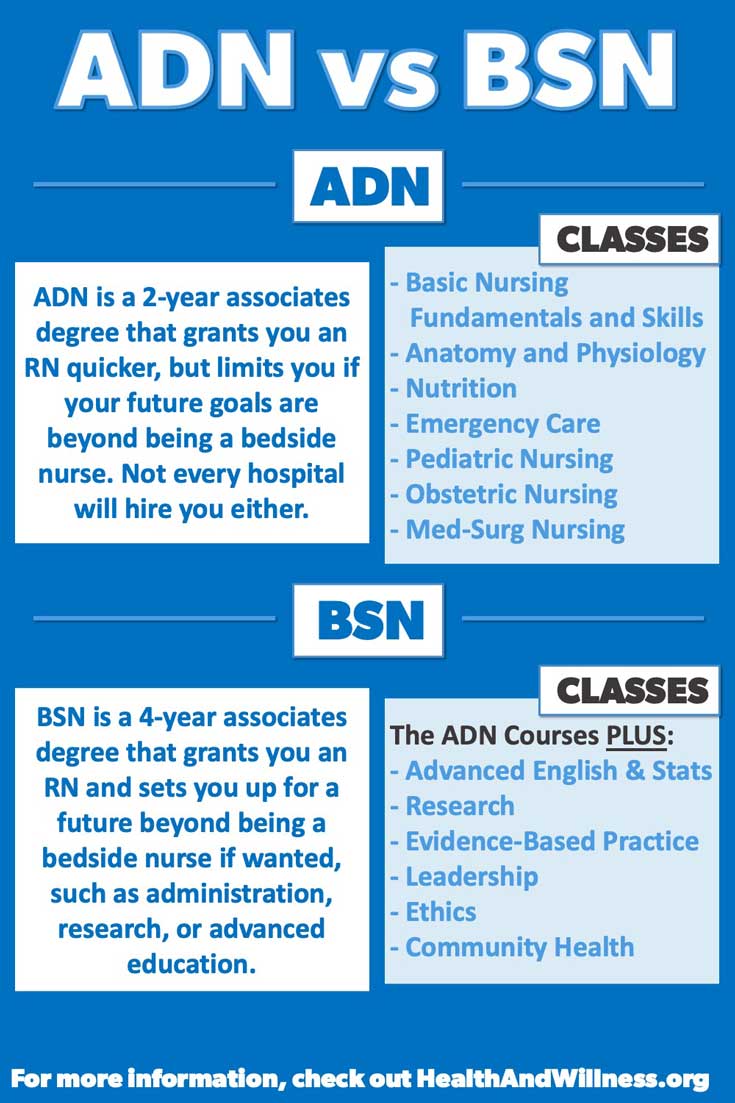
At its core, a Bachelor of Science in Nursing (BSN) is an undergraduate academic degree awarded to students who have successfully completed a four-year course of study in nursing. This degree signifies a higher level of education and a broader scope of knowledge compared to an Associate Degree in Nursing (ADN) or a nursing diploma. While ADN programs typically take two years to complete and diploma programs can vary, the BSN offers a more comprehensive curriculum that delves deeper into the theoretical underpinnings of nursing practice, research, leadership, and community health.
Beyond the Basics: What Sets a BSN Apart?
The BSN program is designed to equip graduates with a robust foundation in:
- Evidence-Based Practice (EBP): A cornerstone of modern healthcare, EBP teaches nurses how to critically evaluate research findings and integrate them into their clinical decision-making. This ensures that patient care is informed by the latest scientific knowledge, leading to improved outcomes and safety.
- Leadership and Management: BSN programs often include coursework in healthcare systems, management principles, and leadership theories. This prepares graduates for roles in charge nurse positions, unit management, and even administrative roles within healthcare organizations.
- Community and Public Health: Understanding the broader determinants of health and how to address health disparities at a community level is a key component of a BSN. This equips nurses to work in public health settings, advocate for policy changes, and promote wellness across diverse populations.
- Research and Critical Thinking: BSN curricula emphasize research methodologies, data analysis, and critical thinking skills. This enables nurses to not only understand and apply research but also to contribute to the body of nursing knowledge through their own investigations.
- Advanced Clinical Skills and Concepts: While ADN programs provide essential clinical skills, BSN programs often build upon these with more complex theoretical frameworks and a deeper understanding of pathophysiology, pharmacology, and specialized areas of nursing.
The Technological Integration in BSN Education
In today’s rapidly digitizing world, technology is no longer an optional add-on in any field, and nursing is no exception. The integration of technology into BSN education is profound and multifaceted, directly impacting how nurses are trained and how they will practice.
- Simulation Labs and Virtual Reality (VR): Many BSN programs now utilize sophisticated simulation labs that replicate real-life patient care scenarios. These advanced environments allow students to practice critical skills, make decisions, and experience high-stakes situations in a safe, controlled setting. VR technology is further enhancing this, offering immersive experiences that can simulate complex procedures or even the emotional impact of certain patient conditions. This allows for a deeper understanding of patient needs and a more intuitive grasp of technological tools.
- Electronic Health Records (EHRs): Proficiency in using EHR systems is a non-negotiable skill for modern nurses. BSN programs meticulously train students on how to navigate, document within, and leverage the data from EHRs. This includes understanding data security, patient privacy (HIPAA compliance), and how to extract meaningful information for care planning and quality improvement.
- AI and Data Analytics in Healthcare: The curriculum increasingly incorporates discussions and practical exposure to Artificial Intelligence (AI) tools being developed and implemented in healthcare. This can range from AI-powered diagnostic aids to predictive analytics for identifying patients at high risk of certain conditions. BSN graduates are expected to understand the potential and limitations of these tools, how to use them ethically, and how they can enhance patient care and operational efficiency.
- Telehealth and Remote Patient Monitoring: The rise of telehealth has revolutionized patient access to care. BSN programs are equipping students with the skills necessary to conduct virtual patient assessments, provide education remotely, and utilize remote monitoring devices. This requires strong communication skills, technological literacy, and an understanding of the unique challenges and opportunities presented by remote care delivery.
- Digital Security and Productivity Tools: With vast amounts of patient data being handled digitally, understanding digital security protocols is paramount. BSN students learn about cybersecurity best practices, data encryption, and protecting sensitive information. Furthermore, they are exposed to productivity apps and software that can streamline workflows, manage schedules, and facilitate interdisciplinary communication.
The BSN graduate enters the workforce not just as a caregiver but as a technologically adept professional, capable of leveraging digital tools to enhance patient safety, improve efficiency, and contribute to the ongoing digital transformation of healthcare.

Navigating Your Nursing Career: Branding and Financial Considerations for BSN Holders
The pursuit of a BSN is not solely an academic endeavor; it’s a strategic investment in one’s career and financial future. Understanding how to effectively brand oneself with a BSN and the financial advantages it brings are crucial for maximizing its value.
The Power of Personal Branding in a BSN-Empowered Career
In a competitive job market, a BSN provides a strong foundation, but personal branding helps you stand out. It’s about showcasing your unique skills, experiences, and values in a way that resonates with potential employers and advances your career.
- Highlighting BSN Competencies: When building your personal brand, actively emphasize the competencies gained through your BSN. This includes your leadership potential, research skills, and your ability to engage in evidence-based practice. Showcase examples of how you’ve applied these skills, whether in clinical rotations, research projects, or volunteer work.
- Leveraging Digital Presence: Your online presence is a critical component of personal branding. Ensure your LinkedIn profile effectively highlights your BSN, your areas of expertise, and any relevant certifications or specializations. Share articles, engage in professional discussions, and showcase your commitment to continuous learning. Consider creating a professional portfolio that visually demonstrates your skills and achievements, especially those related to technology integration.
- Networking and Professional Development: Actively participate in professional nursing organizations, attend conferences, and seek mentorship opportunities. These engagements not only expand your network but also provide valuable insights into industry trends and career advancement paths. A strong personal brand is built through consistent engagement and a reputation for excellence.
- Specialization and Niche Expertise: A BSN opens doors to specialization. As you gain experience, consider pursuing certifications in areas like critical care, pediatrics, oncology, or informatics. Developing a niche expertise allows you to further refine your personal brand and become a sought-after professional in a specific field. This specialization is often a direct result of the broader understanding provided by a BSN program.
The Financial Rewards of a BSN: Investing in Your Future
The decision to pursue a BSN is a sound financial one. The degree typically leads to better earning potential, greater career mobility, and enhanced job security.
- Higher Starting Salaries and Earning Potential: Studies consistently show that nurses with a BSN earn higher salaries than those with an ADN or diploma. This difference can be significant over the course of a career. Furthermore, BSN-prepared nurses are often eligible for higher-paying positions and advancement opportunities earlier in their careers.
- Access to Advanced Roles and Specializations: Many employers, particularly hospitals and larger healthcare systems, now require a BSN for entry-level registered nurse positions. Furthermore, BSNs are often a prerequisite for specialized roles, such as nurse educators, nurse managers, public health nurses, and nurse informaticists, all of which tend to offer higher compensation.
- Increased Job Security and Demand: The demand for qualified registered nurses continues to grow, and the demand for BSN-prepared nurses is even more pronounced. This higher demand translates to greater job security and more options when seeking employment. Healthcare organizations recognize the value that BSN nurses bring in terms of critical thinking, leadership, and ability to adapt to evolving healthcare technologies.
- Tuition Reimbursement and Professional Development Support: Many employers offer tuition reimbursement programs for nurses looking to pursue a BSN or advanced degrees. This financial support can significantly offset the cost of education, making the investment even more attractive. Understanding and utilizing these benefits is a smart financial strategy.
- Long-Term Financial Planning: A BSN empowers nurses to make informed financial decisions about their careers. With higher earning potential, nurses can more effectively save for retirement, invest, and achieve their personal financial goals. The ability to leverage technology for financial management, such as budgeting apps and investment platforms, further enhances this capability.
The Future of Nursing: BSN as a Catalyst for Innovation and Impact
The BSN is more than just a degree; it’s a stepping stone towards a dynamic and impactful career in nursing. As technology continues to reshape healthcare, and as the need for skilled, critically thinking nurses grows, the BSN will remain a pivotal qualification.
From harnessing the power of AI and digital tools to enhance patient care and operational efficiency, to strategically building a personal brand that reflects advanced competencies, and to realizing the significant financial rewards that come with a higher level of education, the BSN provides a comprehensive pathway to success. It empowers nurses to not only provide excellent patient care but also to become leaders, innovators, and key contributors to the ever-evolving landscape of modern healthcare. Understanding “what’s BSN in nursing” is the first step towards unlocking this potential and shaping a fulfilling and prosperous career.
aViewFromTheCave is a participant in the Amazon Services LLC Associates Program, an affiliate advertising program designed to provide a means for sites to earn advertising fees by advertising and linking to Amazon.com. Amazon, the Amazon logo, AmazonSupply, and the AmazonSupply logo are trademarks of Amazon.com, Inc. or its affiliates. As an Amazon Associate we earn affiliate commissions from qualifying purchases.