
BMX, an acronym for Bicycle Motocross, has evolved from a niche sport born in the dusty streets of California to a globally recognized discipline encompassing thrilling athleticism, creative expression, and a vibrant subculture. While often associated with daredevil stunts and competitive racing, understanding “what’s BMX” requires a deeper dive into its historical roots, its diverse disciplines, the technological advancements shaping the equipment, and the burgeoning opportunities within this dynamic arena. This exploration will focus squarely on the technological aspects of BMX, examining how innovation in bicycle design, materials, and components has propelled the sport forward and continues to define its future.
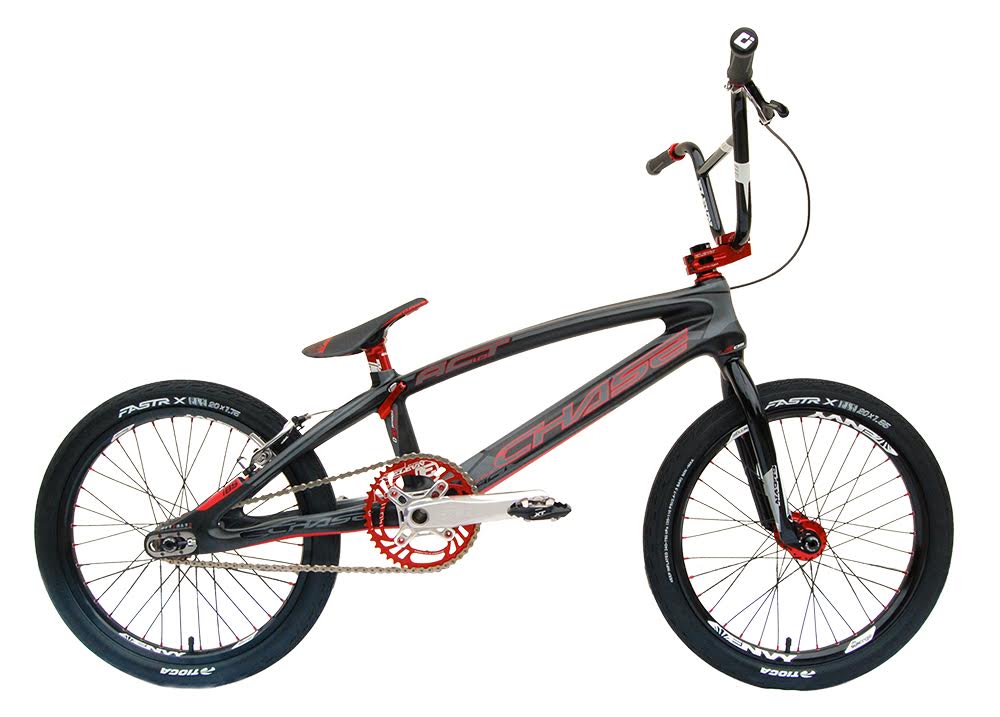
The Evolution of BMX Technology: From Backyard Builds to Precision Engineering
The genesis of BMX was intrinsically linked to accessibility and ingenuity. Early pioneers, inspired by motorcycle motocross, adapted existing bicycles or built their own from readily available parts. This DIY ethos laid the foundation for a culture of customization and innovation that remains a cornerstone of BMX today. Over the decades, what began as rudimentary modifications has blossomed into a sophisticated field of engineering, with manufacturers relentlessly pursuing advancements to enhance performance, durability, and rider safety. This section delves into the key technological shifts that have transformed BMX bikes from simple machines into highly specialized pieces of equipment.
Frame Materials: The Foundation of Performance
The frame is the heart of any BMX bicycle, dictating its strength, weight, and responsiveness. The evolution of frame materials reflects a constant quest for the optimal balance between these critical attributes.
Steel: The Enduring Classic
Initially, BMX frames were predominantly constructed from steel, a material renowned for its robustness and affordability. Chromoly steel, a popular variant, offered a good strength-to-weight ratio and excellent shock absorption, making it ideal for the demanding environments of BMX. Early BMX bikes relied heavily on the inherent durability of steel to withstand the impacts of jumps, drops, and rough terrain. Even today, steel remains a viable option, particularly for entry-level bikes and certain freestyle disciplines where its forgiving ride quality and repairability are valued. However, the pursuit of lighter and stiffer frames has led to the exploration and widespread adoption of other materials.
Aluminum Alloys: The Rise of Lighter and Stiffer Frames
The introduction of aluminum alloys marked a significant leap forward in BMX frame technology. Aluminum offered a substantial reduction in weight compared to steel, allowing riders to achieve greater maneuverability and speed. Furthermore, aluminum alloys can be manipulated through heat treatment and alloying to achieve increased stiffness, which translates to more efficient power transfer from the rider to the bike. This stiffness is crucial for disciplines like racing, where every fraction of a second counts. Manufacturers began experimenting with hydroforming and butting techniques to optimize the geometry and wall thickness of aluminum tubes, further enhancing strength and reducing weight without compromising structural integrity.
Carbon Fiber: The Apex of Lightweight Performance
The most recent and arguably most impactful advancement in BMX frame technology has been the widespread adoption of carbon fiber. This advanced composite material offers an unparalleled strength-to-weight ratio, allowing for incredibly light yet exceptionally strong frames. Carbon fiber’s inherent ability to be molded into complex shapes enables designers to create highly aerodynamic profiles and precisely tune the flex characteristics of different frame sections. This allows for optimized vibration dampening in areas prone to impact while maintaining stiffness where it’s needed for power and control. While carbon fiber is typically the most expensive option, its performance benefits are undeniable, making it the material of choice for professional racers and elite freestyle riders seeking the ultimate edge.
Componentry: Enhancing Control and Efficiency
Beyond the frame, the technological evolution of BMX components has been equally transformative. Every part of the bike, from the wheels to the drivetrain and braking systems, has undergone continuous refinement to improve rider performance, durability, and control.
Wheels and Tires: The Crucial Interface
The wheels and tires are the primary point of contact between the bike and the ground, playing a pivotal role in traction, speed, and shock absorption. Technological advancements have focused on creating lighter, stronger, and more durable wheelsets and tires designed for specific BMX disciplines.
Rims and Hubs: Strength Meets Speed
Early BMX rims were often simple steel or aluminum designs. The development of double-wall rims, featuring an internal structure that reinforces the rim, significantly increased their durability and resistance to bending and cracking from impacts. Hub technology has also seen substantial improvements, with advancements in bearing quality and engagement mechanisms. Sealed cartridge bearings, for instance, offer superior protection against dirt and water ingress, leading to smoother rotation and extended lifespan. Freehub bodies have evolved to provide quicker engagement, meaning the rear wheel picks up power faster when the rider pedals, a critical advantage in racing and technical freestyle.
Tires: Traction and Terrain Specialization
BMX tires have become highly specialized to meet the demands of different riding styles and surfaces. From slick, low-profile tires optimized for speed on paved tracks to knobby, aggressive treads designed for maximum grip on dirt or loose surfaces, the technology behind tire compounds and tread patterns is a testament to the sport’s technical sophistication. Modern tire manufacturing employs advanced rubber compounds that offer a balance of grip, rolling resistance, and durability. Tubeless tire technology, once primarily found in mountain biking, is also gaining traction in BMX, offering the potential for lower tire pressures for improved grip and reduced risk of pinch flats.
Drivetrain Technology: Optimizing Power Transfer
The drivetrain, comprising the cranks, chainring, chain, and cassette or freewheel, is responsible for transferring the rider’s power to the rear wheel. Technological advancements here have focused on reducing weight, increasing strength, and improving efficiency.
Cranks and Bottom Brackets: Forging Strength and Smoothness
BMX cranks have evolved from heavy steel units to lightweight, high-strength chromoly and even hollow-forged aluminum designs. These hollow designs significantly reduce rotational weight, improving acceleration and maneuverability. The advent of sealed external bottom brackets has revolutionized drivetrain performance. These systems offer smoother rotation, better sealing against contaminants, and greater stiffness compared to older unsealed designs, ensuring more efficient power transfer.
Chains and Sprockets: Precision and Durability
BMX chains have become stronger and more resilient, capable of withstanding the immense forces applied during aggressive riding. Heat-treated steel and specialized coatings enhance their durability and reduce stretching. Sprockets have also seen design improvements, with lighter materials and optimized tooth profiles to minimize chain wear and improve engagement. The precision engineering of these components ensures a reliable and efficient drivetrain that can withstand the rigors of BMX.
Braking Systems: Control and Confidence
While some BMX disciplines, particularly certain styles of freestyle, are ridden brakeless, braking systems remain a crucial technological component for many riders, especially racers and those performing technical maneuvers.
V-Brakes and Disc Brakes: Stopping Power and Modulation
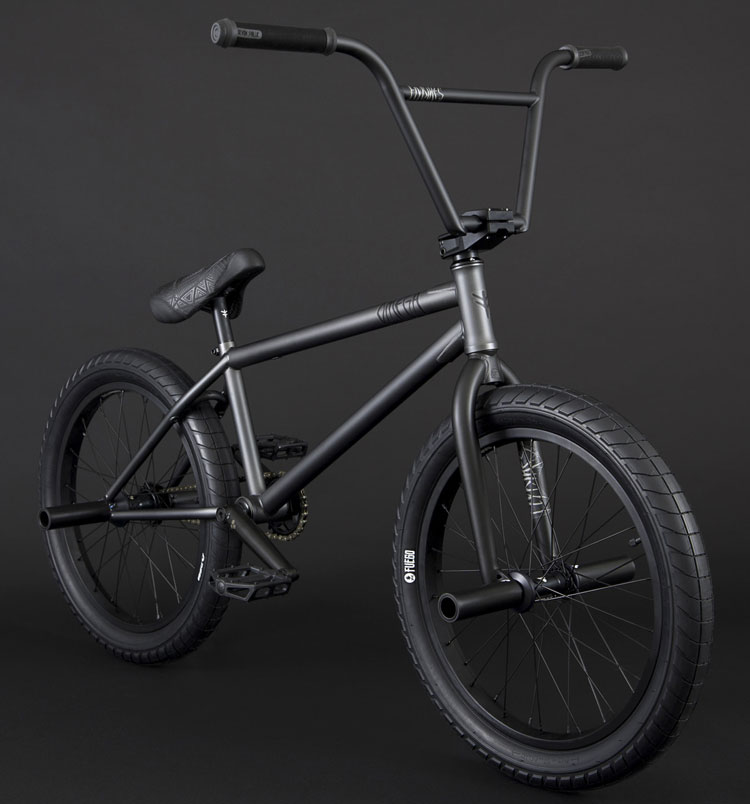
The evolution from basic U-brakes to more powerful V-brakes and, more recently, the integration of disc brakes has significantly enhanced stopping power and control. V-brakes offer a good balance of performance and simplicity for many BMX applications. However, for demanding disciplines requiring consistent braking in all conditions, disc brakes have become the standard in racing. Hydraulic disc brakes, in particular, offer superior modulation and power, allowing riders to fine-tune their braking force with precision. The development of lighter rotors and more robust caliper designs continues to refine this essential technology.
The Digital Frontier of BMX: Data, Analytics, and Rider Development
Beyond the physical mechanics of the bicycle, technology is increasingly playing a role in how BMX riders train, analyze their performance, and push the boundaries of what’s possible. The digital realm offers powerful tools that complement the physical demands of the sport, fostering a new era of data-driven improvement.
Performance Tracking and Analysis: The Data-Driven Athlete
The integration of sensors and sophisticated tracking devices has opened up new avenues for understanding and improving BMX performance.
Telemetry and Sensors: Quantifying Every Movement
In competitive BMX racing, telemetry systems and various sensors are becoming increasingly common. These devices can capture a wealth of data, including speed, cadence, power output, G-forces experienced during jumps, and even heart rate. Riders and coaches can then analyze this data to identify areas for improvement, such as optimizing pedaling technique, refining gate starts, or understanding how different suspension setups affect performance. GPS trackers can also map routes and analyze acceleration and deceleration points, providing valuable insights for track riders and even freeriders exploring new terrain.
Video Analysis and Simulation: Visualizing Improvement
High-definition video recording, coupled with advanced editing software, allows riders to meticulously review their technique. Slow-motion playback can highlight subtle flaws in form, such as body position during jumps, cornering technique, or landing mechanics. This visual feedback is invaluable for self-correction. Furthermore, the development of 3D modeling and motion capture technology, while still nascent in BMX, holds the potential for creating realistic simulations. These simulations could allow riders to virtually practice complex routines or analyze the biomechanics of extreme maneuvers without the risk of physical injury.
Training and Development Tools: Smarter, Safer Progression
Technology is also influencing how BMX riders train and develop their skills, making the process more efficient and safer.
Smart Training Equipment: Targeted Conditioning
Specialized indoor training equipment, such as smart trainers that replicate resistance levels and allow for virtual riding, is becoming more sophisticated. These tools enable riders to maintain fitness and hone their pedaling efficiency regardless of external weather conditions. Furthermore, some training apps and platforms offer personalized workout plans, guided drills, and progress tracking, providing a structured approach to physical conditioning specifically tailored for BMX athletes.
Virtual Reality (VR) and Augmented Reality (AR): Immersive Skill Development
While still in its early stages, the application of VR and AR in BMX holds exciting possibilities. VR could allow riders to experience virtual BMX tracks, practicing their lines and improving their spatial awareness in a safe, simulated environment. AR could overlay digital information onto the real world, such as optimal trajectories for jumps or visual cues for complex tricks, guiding riders during practice sessions. These immersive technologies have the potential to accelerate learning curves and provide entirely new ways to interact with and master the sport.
The Future of BMX Technology: Innovations on the Horizon
The trajectory of technological advancement in BMX shows no signs of slowing down. From material science to intelligent systems, the future promises even more exciting developments that will continue to redefine the limits of what’s possible on two wheels.
Advanced Materials and Manufacturing: Lighter, Stronger, Smarter
The exploration of new materials and manufacturing processes will continue to drive innovation in BMX.
Nanomaterials and Composites: Pushing the Boundaries
The integration of nanomaterials into existing composites could lead to frames and components that are not only lighter and stronger but also possess self-healing properties or integrated sensor capabilities. Advanced additive manufacturing (3D printing) using high-performance alloys and composites could allow for highly customized, on-demand component production, tailored to individual rider specifications and biomechanics.
Sustainable Technologies: Eco-Conscious Design
As the world becomes more aware of environmental impact, expect to see a greater emphasis on sustainable technologies in BMX manufacturing. This could include the use of recycled materials in frame construction, bio-based composites, and more energy-efficient manufacturing processes. The development of lighter and more durable components also contributes to sustainability by extending the lifespan of the equipment.
Intelligent Systems and Connectivity: The Connected BMX
The “Internet of Things” (IoT) and artificial intelligence (AI) are poised to have a significant impact on the future of BMX.
Integrated Sensor Networks and AI Coaching
Imagine BMX bikes equipped with a network of integrated sensors that not only track performance but also adapt ride characteristics in real-time based on terrain and rider input. AI-powered coaching systems could provide instant feedback and personalized training recommendations, evolving alongside the rider’s progress. Connectivity between bikes, training platforms, and even spectator devices could foster a more interactive and engaging BMX experience.
Advanced Safety Features: Proactive Rider Protection
Future BMX technology could incorporate proactive safety features. For instance, advanced sensors might detect an impending crash and automatically deploy minor shock absorption mechanisms or alert the rider to adjust their position. While the inherent risks of BMX will always remain, technology can play a crucial role in mitigating those risks and enhancing rider confidence.
In conclusion, “what’s BMX” from a technological perspective is a story of continuous innovation. From the fundamental evolution of materials to the integration of digital tools and the promise of intelligent systems, technology has been, and will continue to be, a driving force behind the sport’s progression. It has democratized access to high-performance equipment, enabled riders to push their physical and creative boundaries, and is now paving the way for an even more data-driven and connected future for Bicycle Motocross.
aViewFromTheCave is a participant in the Amazon Services LLC Associates Program, an affiliate advertising program designed to provide a means for sites to earn advertising fees by advertising and linking to Amazon.com. Amazon, the Amazon logo, AmazonSupply, and the AmazonSupply logo are trademarks of Amazon.com, Inc. or its affiliates. As an Amazon Associate we earn affiliate commissions from qualifying purchases.