
The phrase “what’s beef” has transcended its original meaning to become a cultural shorthand for conflict, rivalry, and a dispute within various communities, particularly in the music industry. In the digital age, this “beef” often unfolds in the public eye, amplified by social media, and has profound implications for the personal brands of those involved. This article delves into the phenomenon of digital beef, examining how lyrical content and online interactions contribute to these feuds and, crucially, how they shape and potentially damage personal brands. We will explore the evolution of lyrical conflict, the role of platforms in escalating these disputes, and the strategic considerations for individuals navigating the treacherous waters of online animosity.

The Evolution of Lyrical Confrontation: From Diss Tracks to Digital Snippets
The concept of verbal sparring and challenging rivals through music is deeply ingrained in hip-hop culture and beyond. What began as elaborate diss tracks, carefully crafted narratives of lyrical superiority, has evolved significantly with the advent of digital technology and social media. The modern landscape of “beef” is far more immediate, fragmented, and often less artful, but no less impactful on personal brands.
The Art of the Diss Track: A Historical Perspective
Historically, diss tracks were a cornerstone of hip-hop artistry. Artists like KRS-One, MC Shan, and later Tupac Shakur and The Notorious B.I.G., elevated the diss track to an art form. These weren’t just angry rants; they were meticulously constructed pieces of lyrical warfare, often featuring intricate wordplay, clever metaphors, and compelling storytelling designed to dismantle an opponent’s reputation and artistic credibility. The goal was not just to win a fight, but to solidify one’s own position as a superior lyricist and cultural force. The impact of these diss tracks extended beyond the immediate conflict, becoming legendary within music history and influencing the personal brands of the artists involved for years to come. A well-executed diss could elevate an artist, cementing their image as a formidable force, while a poorly conceived or executed response could be career-damaging.
The Digital Shift: From Albums to 140 Characters
The rise of the internet and social media platforms has dramatically altered the landscape of lyrical conflict. While full-length diss tracks still exist, much of the modern “beef” now plays out in real-time through short, often provocative social media posts, snippets of songs released impulsively, and viral soundbites. Platforms like Twitter, Instagram, and TikTok have become the primary battlegrounds. This immediacy means that reputations can be tarnished in minutes, and public perception can shift with alarming speed. The nuance and artistic merit often found in traditional diss tracks can be lost amidst the rapid-fire exchanges. The focus shifts from complex lyrical narratives to catchy, easily shareable lines that can spark outrage or support instantaneously. This can lead to a more superficial engagement with the conflict, but its impact on a personal brand remains potent.
The Role of Snippets and Viral Content
In the digital era, a single catchy line, a leaked snippet of a song, or a carefully edited video clip can become the catalyst for a major “beef.” These fragments, stripped of their original context and amplified by algorithms, can take on a life of their own. They are easily digestible and highly shareable, making them potent tools for influencing public opinion. For individuals whose personal brands are intertwined with their public persona as artists or influencers, these viral moments can significantly bolster or shatter their carefully cultivated image. The “what’s beef lyrics” question, in this context, becomes less about deciphering complex poetry and more about understanding the cultural lexicon of online conflict and its immediate consequences.
The Amplification Effect: How Platforms Fuel Digital Beef
The architecture and user behavior of digital platforms play a crucial role in not only initiating but also sustaining and escalating “beef” amongst individuals. These platforms, designed for engagement and virality, can inadvertently become breeding grounds for conflict, with significant repercussions for personal branding.
Algorithmic Reinforcement and Echo Chambers
Social media algorithms are designed to maximize user engagement by showing individuals content they are likely to interact with. When a “beef” begins, and users engage with posts related to it—whether through likes, comments, shares, or even negative reactions—the algorithm interprets this as interest. Consequently, more content related to the dispute is fed to users, creating echo chambers where individuals are primarily exposed to perspectives that reinforce their existing opinions. This algorithmic reinforcement can solidify public perception of the individuals involved in the beef, making it harder for them to escape the narrative, regardless of their true intentions or actions. For a personal brand, being consistently associated with negativity and conflict, even if the individual is not the primary instigator, can be detrimental.
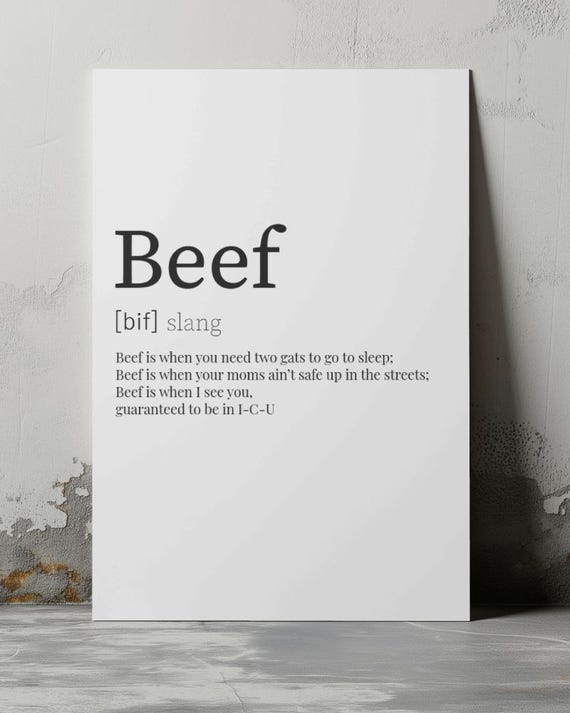
The Spectacle of Online Confrontation
Digital platforms have transformed personal conflicts into public spectacles. The readily available audience on these platforms encourages individuals to engage in public disputes, as the potential for attention and increased visibility, however negative, can be a powerful motivator. This spectacle can attract a wide range of reactions, from fervent support for one party over another to condemnation of both. For individuals relying on a positive public image, being a central figure in such a spectacle can be incredibly damaging. Their personal brand, which might have been built on expertise, talent, or a particular personality, becomes defined by the conflict rather than their core offerings. The “what’s beef lyrics” query then becomes a search for the latest jabs in a public drama, overshadowing any positive attributes.
The Speed and Reach of Virality
The inherent design of social media platforms facilitates the rapid dissemination of information, including controversial content. A single post, a lyric, or a rumour can go viral within hours, reaching millions of users globally. This speed and reach mean that a “beef” can escalate exponentially, with little opportunity for cooler heads to prevail or for the involved parties to control the narrative. Once something goes viral, it becomes incredibly difficult to retract or reframe. For personal brands, this means that a single ill-advised lyric or statement, amplified by virality, can have a lasting and widespread negative impact that is almost impossible to undo. The initial “what’s beef lyrics” question might stem from curiosity, but the ensuing viral spread can cement a negative association.
Navigating the Aftermath: Impact on Personal Branding and Reputation Management
The fallout from digital “beef” can have profound and long-lasting consequences for an individual’s personal brand. Managing these repercussions requires a strategic and often delicate approach. The initial query of “what’s beef lyrics” is often the tip of an iceberg, representing a complex web of public perception and reputational risk.
Erosion of Credibility and Trust
One of the most significant impacts of sustained digital “beef” is the erosion of credibility and trust. When individuals repeatedly engage in public disputes, especially those that appear petty or unprofessional, it can lead audiences to question their judgment, maturity, and overall integrity. This is particularly damaging for personal brands built on expertise, reliability, or a positive public image. If a musician’s brand is associated with consistent conflict, potential collaborators, sponsors, or even fans might hesitate to engage. The perceived instability and drama can overshadow their talent, making it difficult to build and maintain a positive, trustworthy personal brand. The public’s focus shifts from “what is their talent?” to “what is their latest drama?”
The Double-Edged Sword of Attention
While “beef” undoubtedly generates attention, it’s crucial to distinguish between positive and negative attention. While some may argue that any publicity is good publicity, in the context of personal branding, this is rarely the case. Negative attention, often the byproduct of public feuds, can attract a voyeuristic audience but rarely translates into genuine support, loyalty, or long-term brand equity. In fact, it can alienate a significant portion of the potential audience who are turned off by the drama. For artists, it can lead to a decline in genuine fan engagement and a rise in superficial engagement driven by controversy. The initial curiosity about “what’s beef lyrics” can quickly sour into disdain for the individuals perpetuating the conflict.

Strategic Responses and Reputation Repair
Successfully navigating the aftermath of digital “beef” requires a well-defined reputation management strategy. This can involve several approaches, depending on the severity of the situation and the individual’s brand.
- Strategic Silence: In some cases, the most effective response is to disengage entirely. Allowing the noise to subside and focusing on producing high-quality work can eventually shift public attention back to positive attributes. This requires immense discipline, especially in the face of provocative online commentary.
- Apology and Accountability: If an individual has acted unprofessionally or caused genuine harm, a sincere apology and demonstration of accountability can go a long way in repairing their brand. This requires humility and a genuine commitment to learning from the mistake.
- Reframing the Narrative: Influencers and public figures can attempt to reframe the narrative by consistently focusing on their positive contributions, values, and future endeavors. This involves proactively creating and disseminating content that aligns with their desired brand image, effectively drowning out the noise of past conflicts.
- Legal and Public Relations Intervention: For severe cases involving defamation or significant reputational damage, legal counsel and professional public relations firms may be necessary to intervene and manage the fallout.
Ultimately, the question of “what’s beef lyrics” in the digital age is not just about understanding the content of a dispute, but about recognizing the profound and often detrimental impact these conflicts can have on personal branding. In an era where online presence is paramount, managing one’s digital reputation amidst potential “beef” is as critical as honing one’s craft.
aViewFromTheCave is a participant in the Amazon Services LLC Associates Program, an affiliate advertising program designed to provide a means for sites to earn advertising fees by advertising and linking to Amazon.com. Amazon, the Amazon logo, AmazonSupply, and the AmazonSupply logo are trademarks of Amazon.com, Inc. or its affiliates. As an Amazon Associate we earn affiliate commissions from qualifying purchases.