
For decades, the answer to the question “what’s bacteria in urine?” was found through a slow, manual process involving petri dishes, incubators, and several days of waiting. In a clinical sense, the presence of bacteria in a sterile environment like the urinary tract—often referred to as bacteriuria—is a primary indicator of infection or underlying health issues. However, in the modern era, this biological query has moved out of the traditional “wet lab” and into the realm of high-tech innovation.
The intersection of biotechnology, Artificial Intelligence (AI), and the Internet of Medical Things (IoMT) is currently transforming how we detect, identify, and treat bacterial presence. This technological shift is not merely about speed; it is about precision, data integration, and the democratization of healthcare through smart devices.

The Digital Transformation of Urinalysis
The traditional method of identifying bacteria in urine, known as a urine culture, has remained largely unchanged since the mid-20th century. However, the tech industry is now overhauling these legacy systems with automated digital platforms that prioritize high-throughput results and cloud-based analysis.
From Manual Microscopy to Digital Imaging
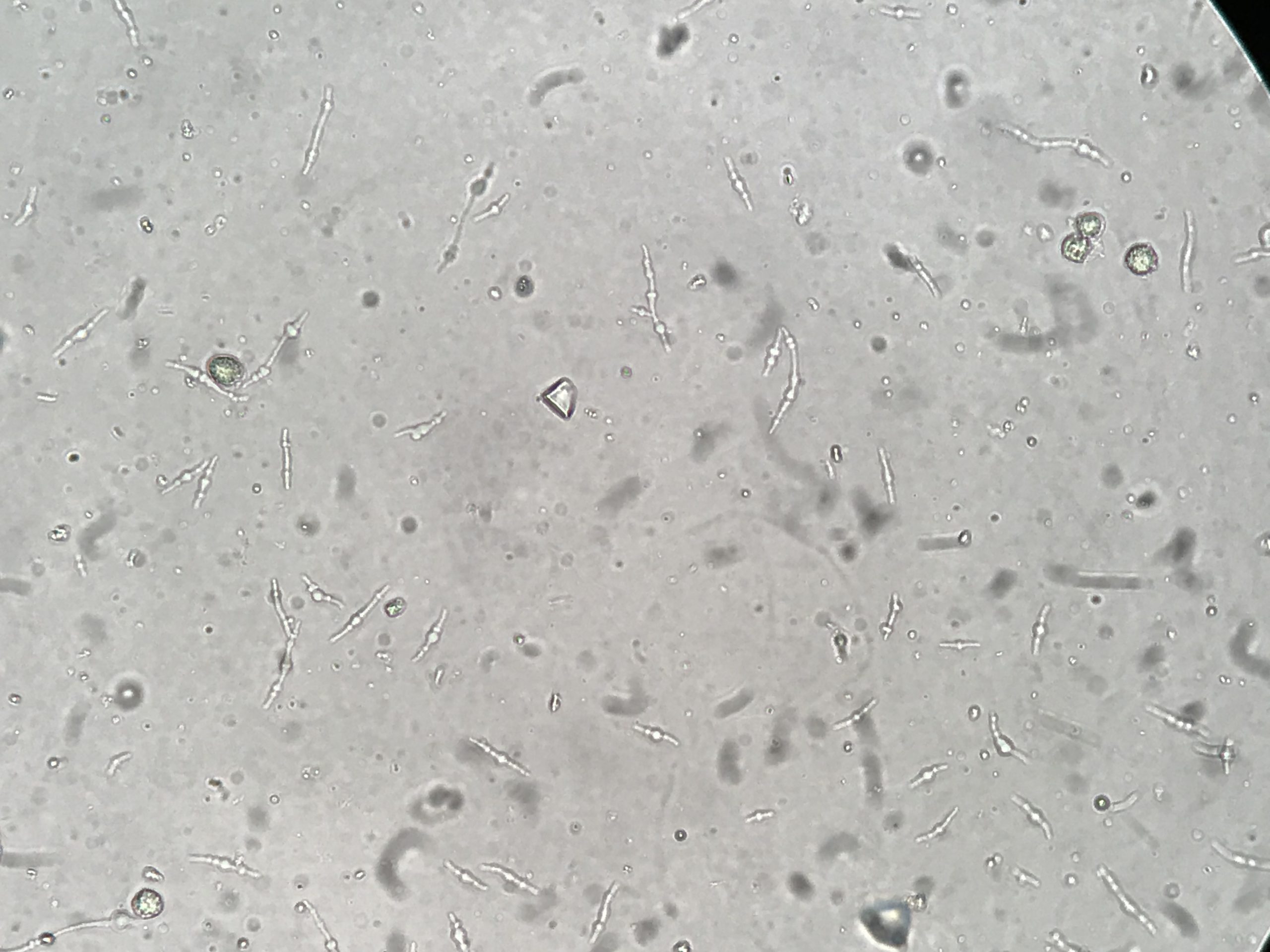
Historically, a lab technician would spend hours peering through a microscope to identify bacterial morphology. Today, automated digital microscopy systems use high-resolution cameras to capture thousands of images per sample. These systems utilize advanced software to categorize particles, distinguishing between epithelial cells, crystals, and various bacterial structures with a level of consistency that human eyes cannot match. This shift reduces human error and allows laboratories to process thousands of samples daily, a necessity for modern urban healthcare infrastructures.
High-Throughput Automated Systems
Integration is the hallmark of modern health tech. New-age laboratory information systems (LIS) now link automated analyzers directly to electronic health records (EHR). When a machine detects a high bacterial load, the data is instantly uploaded, flagged for physician review, and cross-referenced with the patient’s medical history. This seamless flow of data ensures that the “tech stack” of a hospital is working in harmony to provide real-time diagnostic insights.
AI and Machine Learning in Pathogen Identification
If digital imaging is the “eyes” of modern diagnostics, Artificial Intelligence is the “brain.” The most significant tech trend in identifying bacteria in urine is the application of Machine Learning (ML) algorithms to predict outcomes and identify specific strains of bacteria without waiting for a culture to grow.
Computer Vision for Morphology Analysis
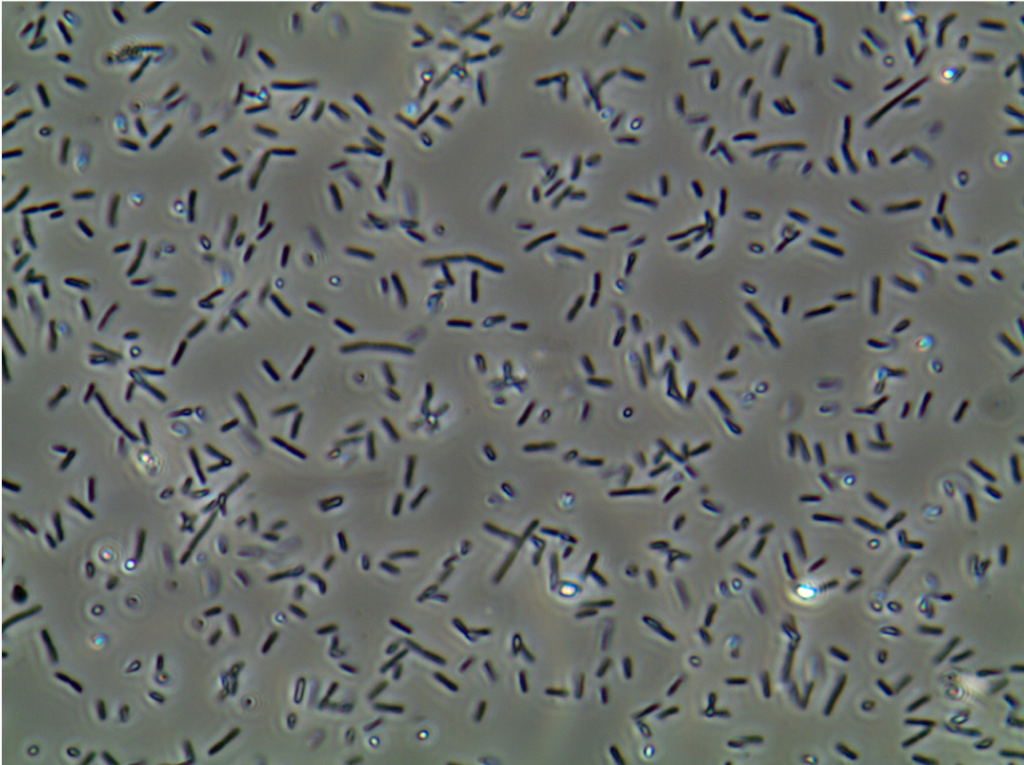
AI-driven computer vision is now capable of identifying specific bacterial species based on their visual signatures. By training neural networks on millions of images of Escherichia coli, Klebsiella, and Proteus, software can provide a preliminary identification in minutes. This is a massive leap forward in “Tech-Med” integration, as it allows for targeted antibiotic therapy much sooner than traditional methods allow.
Predictive Analytics for UTI Management
Big data is playing a crucial role in managing recurrent urinary tract infections (UTIs). By analyzing vast datasets, AI tools can predict which patients are at a higher risk of developing complications from bacteria in their urine. These predictive models take into account geographic trends in antibiotic resistance, seasonal variations, and patient demographics to suggest the most effective course of action. This “precision medicine” approach is only possible through the heavy-duty processing power of modern cloud computing.
The Rise of Point-of-Care (POC) and At-Home Tech
One of the most exciting niches in the tech world is the migration of diagnostic power from the hospital to the home. For patients who struggle with chronic conditions, the ability to monitor bacterial levels in their urine via smart devices is a game-changer.
Smart Toilets and Continuous Monitoring
The “Smart Home” is expanding into the bathroom. Startups and tech giants are currently developing “Smart Toilets” equipped with optical sensors and microfluidic strips. These devices are designed to perform a passive urinalysis every time a person uses the bathroom. By monitoring the chemical and biological composition of urine, the toilet can detect an uptick in bacterial markers before symptoms even appear. The data is then sent to a smartphone app, providing a longitudinal view of the user’s health that was previously impossible.
Smartphone-Integrated Diagnostic Kits
The smartphone has become a portable laboratory. New consumer-grade tech kits allow users to dip a specially coded strip into a urine sample and scan it using their phone’s camera. The app uses sophisticated colorimetric analysis to detect nitrites and leukocyte esterase—byproducts of bacteria. This tech empowers the user, providing an immediate digital readout that can be shared with a telehealth provider, effectively closing the loop between hardware, software, and clinical consultation.
Lab-on-a-Chip and Microfluidic Innovations
At the hardware level, the “Lab-on-a-Chip” (LoC) revolution is perhaps the most impressive feat of engineering in modern diagnostics. These tiny devices integrate several laboratory functions on a single chip only millimeters to a few square centimeters in size.
Rapid Antibiotic Susceptibility Testing (AST)
Finding bacteria in urine is only half the battle; the more important tech challenge is determining which medicine will kill it. Traditional Antibiotic Susceptibility Testing (AST) takes 24 to 48 hours. However, new microfluidic chips can observe bacterial growth (or lack thereof) in the presence of antibiotics at a microscopic scale. By using sensors to detect minute metabolic changes in the bacteria, these chips can provide an AST report in less than five hours. This is a triumph of mechanical engineering and sensors technology.
Nano-Sensors and Molecular Detection
The next frontier involves nano-tech sensors that can detect the DNA or RNA of bacteria directly in the urine. These biosensors use gold nanoparticles or carbon nanotubes to create an electrical signal when they bind to specific bacterial pathogens. This removes the need for “growing” the bacteria entirely, representing a paradigm shift from biological growth to electronic detection.
Digital Security and the Future of Health Data
As we move toward a world where our biological data (like the bacterial count in our urine) is constantly being uploaded to the cloud, the “Tech” focus must shift toward digital security and ethics.
Protecting Sensitive Biometric Data
Biological data is the most personal form of information. As smart toilets and at-home kits become mainstream, the cybersecurity infrastructure surrounding this data must be robust. Companies are now implementing end-to-end encryption and blockchain-based ledgers to ensure that a patient’s diagnostic history remains private. In the tech world, “Health-Sec” is becoming as vital as the diagnostics themselves.
The Interoperability of Diagnostic Software
For the technology to be truly effective, different systems must be able to talk to each other. A smart toilet’s data is useless if it cannot be read by a hospital’s legacy software. The current trend in medical tech is the push for universal standards and APIs (Application Programming Interfaces) that allow for seamless data exchange. This interoperability is what will eventually allow for a global, real-time map of bacterial outbreaks and antibiotic resistance patterns.
Conclusion: The Silicon Path to Better Health
The question of “what’s bacteria in urine” has evolved from a simple biological concern into a complex technological challenge. We are moving away from an era of reactive medicine—where we wait for symptoms and then wait for labs—into an era of proactive, tech-driven wellness.
Through the integration of AI, the miniaturization of hardware via microfluidics, and the connectivity offered by the IoMT, we are gaining unprecedented insight into our own bodies. The future of diagnostics lies not in the petri dish, but in the sensors, algorithms, and digital networks that allow us to see the invisible world of bacteria with total clarity. As these technologies continue to mature, they will not only save time and money but, more importantly, they will save lives by turning data into actionable health intelligence.
aViewFromTheCave is a participant in the Amazon Services LLC Associates Program, an affiliate advertising program designed to provide a means for sites to earn advertising fees by advertising and linking to Amazon.com. Amazon, the Amazon logo, AmazonSupply, and the AmazonSupply logo are trademarks of Amazon.com, Inc. or its affiliates. As an Amazon Associate we earn affiliate commissions from qualifying purchases.