
The landscape of home entertainment has undergone a radical transformation over the last decade. The era of bulky cable boxes and rigid programming schedules has given way to the “on-demand” revolution, where content is curated, personalized, and accessible at the touch of a button. At the heart of this shift is a small, unassuming piece of hardware that has redefined how we interact with our televisions: the Amazon Fire TV Stick.
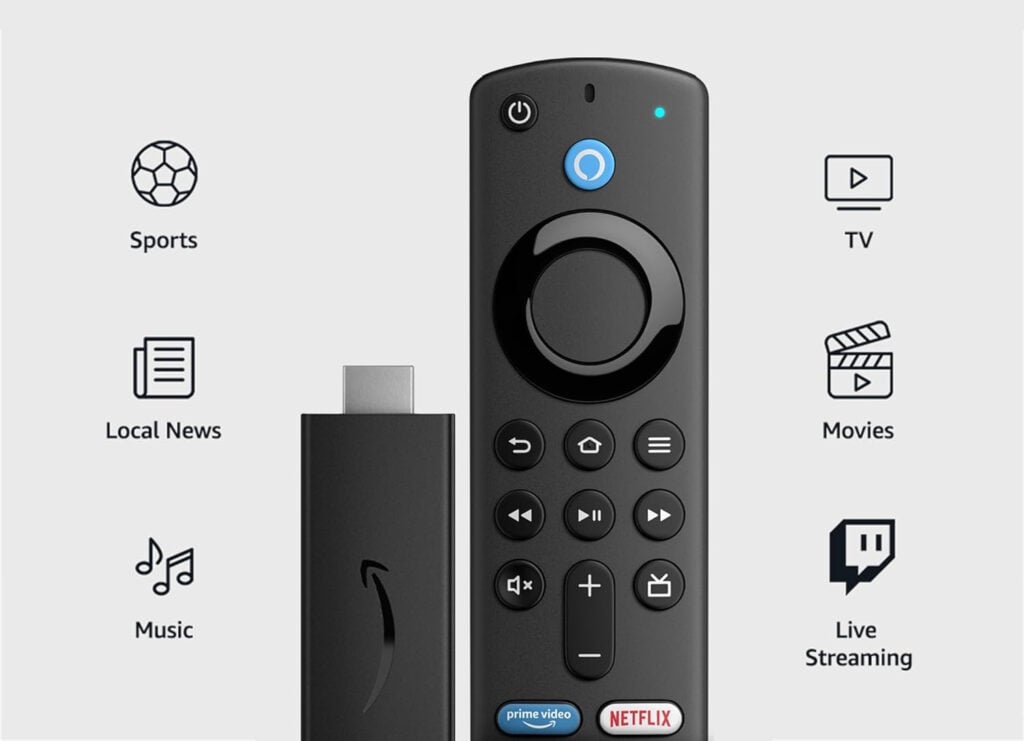
Essentially, an Amazon Fire TV Stick is a portable media streaming device that plugs directly into your television’s HDMI port. It transforms any standard TV into a “smart” TV, providing access to a massive library of digital content, including movies, television shows, music, games, and productivity apps. However, to view it merely as a “streaming dongle” does a disservice to the sophisticated technology and integrated ecosystem that powers it.
Understanding the Hardware: How the Fire TV Stick Works
To understand what a Fire TV Stick is, one must first look at the engineering packed into its thumb-drive-sized chassis. Unlike traditional media players that require shelf space and complex wiring, the Fire TV Stick is designed for invisibility and efficiency.
The Physical Design and Connectivity
The device operates on a “plug-and-play” philosophy. It features a male HDMI connector on one end and a micro-USB (or USB-C in newer iterations) port on the side for power. Because the device is small enough to be hidden behind the screen, it eliminates cable clutter. Connectivity is handled via high-speed Wi-Fi, with most modern versions supporting dual-band antennas to ensure a stable connection even when the router is in another room. The inclusion of Bluetooth allows for the connection of peripheral devices such as wireless headphones, game controllers, and keyboards, further expanding the stick’s utility beyond mere video playback.
Internal Specifications and Performance
Beneath the plastic shell lies a sophisticated System on a Chip (SoC). Amazon utilizes specialized MediaTek processors designed for media decoding. These chips are optimized to handle various video codecs—such as H.264, H.265 (HEVC), and VP9—which allow for high-quality video streaming even at lower bandwidths.
The RAM in these devices typically ranges from 1GB to 2GB, which might seem modest compared to a smartphone, but is highly optimized for the Fire OS environment. This hardware allows the device to cache video data effectively, reducing buffering and ensuring that navigating through menus feels fluid and responsive.
Navigating the Ecosystem: Fire OS and User Experience
While the hardware is the vehicle, the software—Fire OS—is the engine. Fire OS is a proprietary operating system developed by Amazon, built upon the Android Open Source Project (AOSP). This foundation allows the Fire TV Stick to run a vast array of Android-based applications while maintaining a user interface specifically tailored for a 10-foot viewing experience (optimized for being viewed from a distance on a large screen).
The Interface and Content Discovery
The Fire TV Stick interface is designed around “content first” discovery. Rather than forcing users to open individual apps like Netflix, Disney+, or Prime Video to see what is available, the home screen aggregates recommendations from across different platforms. This horizontal-scrolling interface uses machine learning algorithms to suggest content based on viewing history and preferences.
Furthermore, the integration of “Live TV” tabs allows users to merge traditional broadcast schedules (via apps like YouTube TV or Sling) with modern streaming, creating a hybrid experience that appeals to both cord-cutters and traditionalists.
Alexa Integration and Voice Control
One of the most defining features of the Fire TV Stick is its deep integration with Amazon’s AI assistant, Alexa. Every Fire TV Stick comes with an Alexa Voice Remote. By pressing the microphone button, users can search for content across all apps simultaneously.
Beyond simple searches, the Fire TV Stick acts as a central hub for the smart home. From the TV, users can ask Alexa to dim the lights, check the feed of a Ring doorbell, or set a timer for the oven. This integration shifts the Fire TV Stick from a passive media player to an active participant in the Internet of Things (IoT) ecosystem.

Comparing the Models: From Lite to 4K Max
Amazon has segmented the Fire TV Stick lineup to cater to different technical needs and budget constraints. Understanding the nuances between these models is essential for identifying which device fits a specific technological setup.
Fire TV Stick Lite and Standard
The “Lite” and standard versions are designed primarily for 1080p Full HD televisions. The primary difference lies in the remote control; the Lite version lacks the ability to control the TV’s power and volume, whereas the standard version includes dedicated IR (Infrared) buttons. Technologically, these are the entry-level gates into the ecosystem, offering a cost-effective way to revitalize older monitors or bedroom TVs.
The 4K and 4K Max Powerhouses
For users with Ultra High Definition (UHD) televisions, the Fire TV Stick 4K and 4K Max are the gold standards. These devices support Dolby Vision, HDR10+, and Dolby Atmos audio, providing a cinematic experience that utilizes the full potential of high-end home theater hardware.
The 4K Max, in particular, represents the cutting edge of streaming tech. It is equipped with Wi-Fi 6 or 6E support, which provides increased bandwidth and lower latency—crucial for 4K streaming and cloud gaming. It also features the “Ambient Experience,” which turns the TV into a smart display showing art or widgets when not in active use, similar to high-end smart frames.
Setup, Security, and Optimization
As with any device connected to the internet, understanding the technical setup and security protocols is vital for a seamless experience.
Initial Configuration and Network Optimization
Setting up a Fire TV Stick involves more than just plugging it in. During the initial boot sequence, the device performs a handshake with the TV to determine the optimal resolution and refresh rate. For tech-savvy users, optimizing the network is the next step. Since streaming 4K content requires a consistent 25Mbps, many users opt for an Ethernet adapter (sold separately) to bypass the inherent instabilities of Wi-Fi in high-interference environments.
Privacy and Digital Security in Streaming
Security is a growing concern in the digital age. The Fire TV Stick includes various privacy settings that allow users to manage data monitoring and interest-based ads. Furthermore, because it is an Android-based system, many users install Virtual Private Networks (VPNs) directly onto the device. A VPN encrypts the data leaving the Fire TV Stick, protecting the user’s browsing habits from ISPs and allowing for a more secure digital footprint while accessing global content.
Regular software updates are pushed automatically by Amazon to patch security vulnerabilities and improve the “Snappiness” of the UI. These updates often include new firmware for the remote control as well, ensuring that the hardware-software synergy remains intact over the device’s lifespan.
The Future of Home Entertainment via HDMI
The Fire TV Stick is no longer just a portal for video; it is evolving into a comprehensive computing platform. As cloud technology advances, the physical limitations of the stick’s processor become less relevant.
Cloud Gaming and App Expansion
With the introduction of Amazon Luna and integration with Xbox Cloud Gaming, the Fire TV Stick has become a viable gaming console. By leveraging the power of remote servers, the device can stream high-fidelity AAA games that would normally require a $500 console. This “thin-client” approach to gaming suggests that the future of the Fire TV Stick lies in being a universal receiver for various cloud-based services, from gaming to virtual desktop infrastructure (VDI).

Sustainable Tech and Longevity
Amazon has also moved toward sustainability in its hardware design. Modern Fire TV Sticks utilize post-consumer recycled plastics and feature “Low Power Mode” to reduce energy consumption when idle. From a tech lifecycle perspective, the Fire TV Stick provides a sustainable alternative to replacing an entire television. Instead of buying a new TV when the built-in smart software becomes sluggish or obsolete, a user can simply upgrade to the latest Fire TV Stick for a fraction of the cost, effectively “future-proofing” their hardware.
In conclusion, the Amazon Fire TV Stick is a testament to the miniaturization and democratization of technology. It is a sophisticated piece of hardware that bridges the gap between traditional media and the boundless world of the internet. Whether it is through 4K HDR visuals, AI-driven voice commands, or cloud-based gaming, the Fire TV Stick remains a pivotal tool in the modern digital arsenal, turning any screen with an HDMI port into a window to the world’s information and entertainment.
aViewFromTheCave is a participant in the Amazon Services LLC Associates Program, an affiliate advertising program designed to provide a means for sites to earn advertising fees by advertising and linking to Amazon.com. Amazon, the Amazon logo, AmazonSupply, and the AmazonSupply logo are trademarks of Amazon.com, Inc. or its affiliates. As an Amazon Associate we earn affiliate commissions from qualifying purchases.