
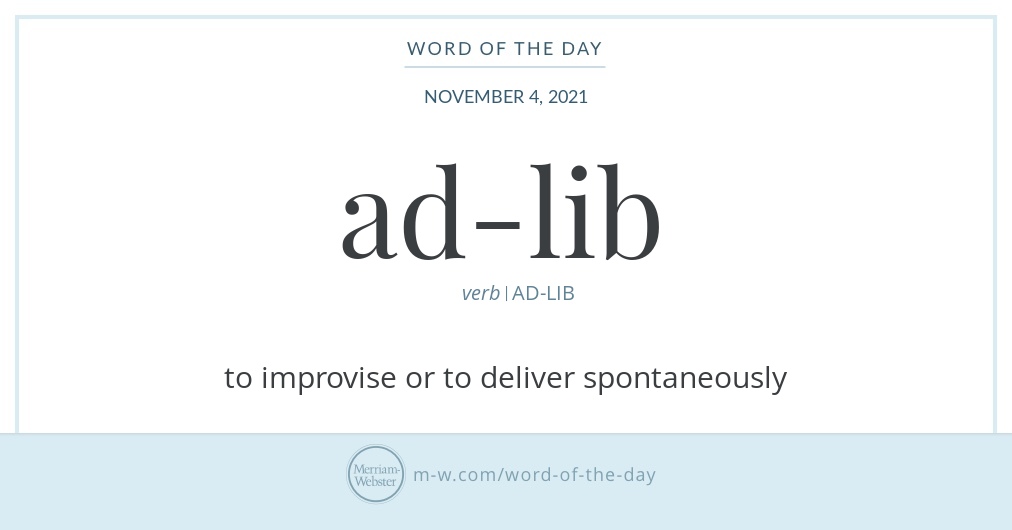
In the hyper-curated world of modern marketing, where every pixel is polished and every syllable is vetted by a legal team, a paradoxical trend has emerged: the rise of the “ad-lib.” Historically, the term “ad-lib” (from the Latin ad libitum, meaning “at one’s pleasure”) referred to an unscripted remark or an improvised performance in theater or music. However, in the contemporary landscape of brand strategy and corporate identity, the ad-lib has transformed into a sophisticated tool for authenticity.
For a brand, an ad-lib isn’t just a mistake or a random outburst. It represents the “texture” of the brand—the human elements that exist between the lines of a formal script. As consumers become increasingly immune to traditional advertising, the ability to “ad-lib” within a strategic framework has become a critical differentiator for businesses seeking to build genuine connections with their audience.
The Evolution of the Ad-Lib: From Subculture to Brand Strategy
To understand how the ad-lib functions in branding, we must first look at its cultural origins. While it has roots in jazz and theater, the modern understanding of the ad-lib was perfected in the hip-hop industry. Artists used ad-libs—small vocal flourishes, catchphrases, or background reactions—to establish a unique sonic signature. Eventually, these ad-libs became more recognizable than the lyrics themselves.
Defining the Modern Brand Ad-Lib
In the context of brand strategy, an ad-lib is any piece of communication that feels spontaneous, unscripted, or “off-the-cuff,” yet remains aligned with the brand’s core identity. It is the witty reply to a customer on X (formerly Twitter), the candid behind-the-scenes moment in an Instagram Story, or the self-deprecating joke in a founder’s keynote speech. These moments provide a “human” layer to a corporate identity that might otherwise feel cold or monolithic.
Why Authenticity Supersedes the Script
The primary reason brands are leaning into improvised communication is the collapse of the “corporate veil.” Modern consumers, particularly Gen Z and Millennials, possess a high degree of skepticism toward traditional marketing. They can “smell” a script from a mile away. An ad-lib serves as a signal of transparency. When a brand allows its representatives to speak freely or react in real-time to cultural events, it demonstrates a level of confidence and self-awareness that a pre-recorded, thirty-second commercial simply cannot match.
The Strategic Value of “Planned Spontaneity” in Marketing
It may seem like a contradiction, but the most successful ad-libs in branding are often the result of rigorous strategic preparation. This is what marketing experts call “planned spontaneity.” It involves creating a brand framework that is robust enough to allow for improvisation without veering off-track or causing a PR crisis.
Building Relatability Through Human Error
One of the most powerful functions of the brand ad-lib is its ability to humanize a corporation. Perfection is often intimidating and unrelatable. When a brand makes a minor “ad-libbed” mistake—such as a typo that is handled with humor or a live-streamed technical glitch that is met with a witty remark—it creates a moment of shared humanity. This vulnerability, when managed correctly, builds significant brand equity and trust. It moves the relationship from “vendor and customer” to “personality and community.”
Real-Time Engagement: The Social Media Ad-Lib
Social media is the natural habitat of the ad-lib. In this space, the “script” is the content calendar, but the “ad-lib” is the community management. Brands like Wendy’s or Duolingo have mastered this by developing a brand voice that feels like an individual person. Their “ad-libs”—responding to competitors, jumping on trending memes, or engaging in playful banter with followers—are what drive their viral success. This type of real-time marketing requires a deep understanding of the brand’s “character” so that every unscripted response still feels “on-brand.”
Implementing Ad-Libs into Your Personal and Corporate Brand

Integrating improvisation into a brand strategy requires more than just “winging it.” It requires a shift in organizational culture and a clear definition of the brand’s boundaries. Whether you are building a personal brand or managing a global corporate identity, the process of incorporating ad-libs follows a specific methodology.
Finding Your Brand’s “Signature Sound”
Just as a musician has a specific ad-lib style, a brand must have a specific “vibe.” This is established through a Brand Voice Guide. However, instead of just listing “dos and don’ts,” a modern guide should include “Safe Zones for Improvisation.” What topics can the brand joke about? What is the brand’s stance on current events? By defining these boundaries, you give your team the freedom to ad-lib within a safe perimeter, ensuring that spontaneity doesn’t lead to brand dilution.
Training Teams for Unscripted Interactions
For a corporate brand, the “ad-libbers” are usually the frontline employees: social media managers, customer service reps, and sales teams. To master the ad-lib, these teams need more than just a script; they need a philosophy. Training should focus on empathy, quick thinking, and a deep internalization of the brand’s values. When an employee understands the why behind the brand, they can improvise the how of the communication in a way that feels natural and supportive of the overarching brand strategy.
Case Studies: Brands That Mastered the Unscripted Moment
Examining brands that have successfully utilized ad-libs provides a roadmap for others to follow. These examples highlight how a single unscripted moment can generate more brand awareness than a million-dollar ad campaign.
The “Oreo” Moment: Real-Time Marketing
Perhaps the most famous example of a brand ad-lib occurred during the 2013 Super Bowl power outage. Oreo’s social media team famously tweeted, “Power out? No problem. You can still dunk in the dark.” This wasn’t a pre-planned ad; it was a strategic ad-lib. Because the team was empowered to act in real-time and understood the brand’s playful identity, they were able to capture a cultural moment that is still studied in marketing textbooks today.
Ryan Reynolds and Maximum Effort
Actor Ryan Reynolds has built a brand empire (Aviation Gin, Mint Mobile) based almost entirely on the concept of the ad-lib. His marketing agency, Maximum Effort, specializes in “fast advertising”—ads that look like they were made in a day and feel like an improvised conversation with the viewer. By leaning into the “unpolished” aesthetic and using meta-commentary about the ads themselves, Reynolds has created a brand identity that feels incredibly personal and trustworthy in an era of corporate stiffness.
Balancing Control and Creativity
While the ad-lib is a powerful tool, it is not without risk. The very thing that makes it effective—its unscripted nature—also makes it dangerous. A poorly timed or offensive ad-lib can destroy years of brand building in a matter of seconds. Therefore, the final stage of mastering the ad-lib is learning the art of balance.
Knowing When to Stick to the Script
There are times when improvisation is inappropriate. In moments of crisis management, financial reporting, or serious product failures, consumers do not want ad-libs; they want clarity, professionality, and a “script” that indicates the company is taking the matter seriously. A key component of brand strategy is knowing the “room.” An ad-lib is a tool for engagement, not a tool for evasion.

The Future of AI-Generated Ad-Libs in Branding
As we move into the era of AI-driven marketing, the concept of the ad-lib is evolving once again. AI tools are now being used to generate “personalized ad-libs” at scale—using data to create unscripted-feeling messages for millions of individual users. The challenge for brand strategists will be maintaining the “human” element of the ad-lib when the delivery mechanism is an algorithm. The brands that succeed will be those that use technology to enhance their spontaneity, rather than replace the genuine human insight that makes an ad-lib resonate in the first place.
In conclusion, the ad-lib is no longer just a musical flourish or a comedian’s trick. It is a vital component of a modern, resilient brand strategy. By embracing the unscripted, allowing for “planned spontaneity,” and humanizing the corporate voice, brands can break through the digital noise and build lasting, authentic connections with their audiences. In the world of branding, sometimes the most important things you say are the ones that weren’t in the script.
aViewFromTheCave is a participant in the Amazon Services LLC Associates Program, an affiliate advertising program designed to provide a means for sites to earn advertising fees by advertising and linking to Amazon.com. Amazon, the Amazon logo, AmazonSupply, and the AmazonSupply logo are trademarks of Amazon.com, Inc. or its affiliates. As an Amazon Associate we earn affiliate commissions from qualifying purchases.