
The term “snapback” often conjures images of a distinct headwear style, a type of adjustable baseball cap that has transcended its athletic origins to become a significant cultural and fashion statement. More than just an accessory, the snapback represents a fascinating intersection of design, identity, and strategic branding. Its evolution from a functional piece of sportswear to a ubiquitous symbol across various subcultures offers rich insights into how products can become powerful vehicles for personal and corporate brand expression. Understanding “what’s a snapback” extends beyond its physical attributes to encompass its journey through fashion cycles, its role in defining aesthetics, and its enduring appeal in a constantly evolving market.

More Than Just a Hat: The Cultural Resurgence of the Snapback
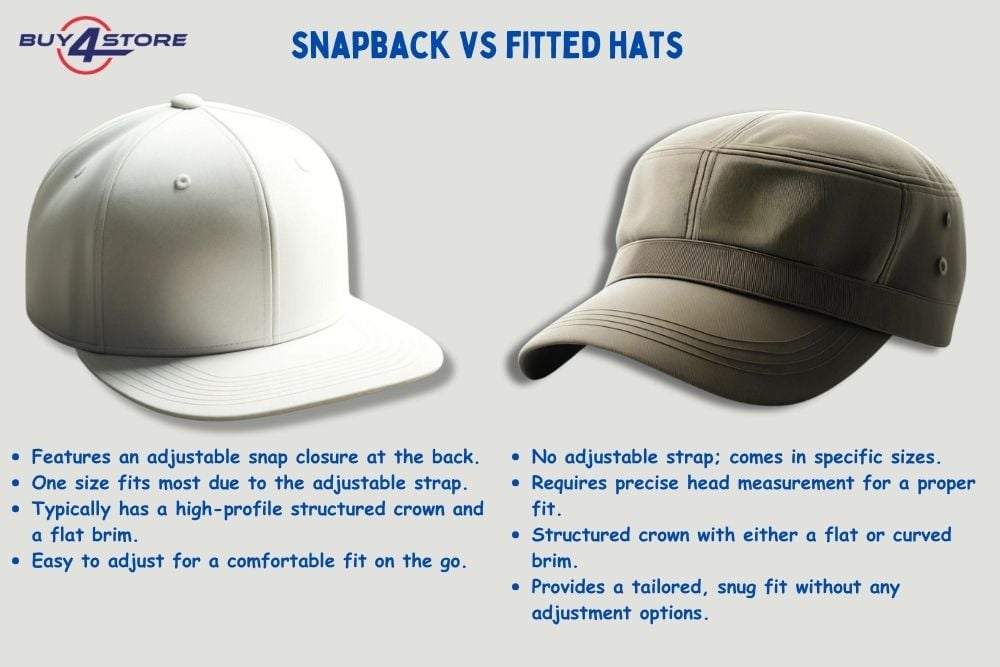
Initially designed for practicality and comfort on the baseball field, the snapback cap is characterized by its flat brim, structured crown, and, most notably, an adjustable plastic snap closure at the back. This adjustable feature, allowing for a “one-size-fits-most” approach, democratized access to the style and contributed to its widespread adoption. However, its true power lies not just in its utility but in its remarkable ability to integrate into diverse cultural narratives, undergoing several cycles of popularity and reinvention.
A Brief History and Evolution
The snapback’s roots are firmly planted in the American sports landscape of the mid-20th century. Early baseball caps, particularly those worn by professional teams, often featured wool construction and fitted designs. The introduction of the adjustable snap closure in the latter half of the century marked a pivotal shift, making caps more accessible and versatile. By the 1980s and 1990s, the snapback had shed its purely athletic identity, becoming a cornerstone of burgeoning streetwear and hip-hop cultures. Artists and athletes adopted the cap as a symbol of cool, individuality, and affiliation, emblazoning them with team logos, brand names, or custom designs. This era solidified its place in popular culture, paving the way for its eventual mainstream resurgence. After a brief decline in favor of fitted caps in the early 2000s, the snapback experienced a powerful renaissance in the 2010s, reclaiming its status as a fashion staple for a new generation.
Iconography and Subculture
The snapback’s flat brim and prominent front panel make it an ideal canvas for bold graphics, logos, and intricate embroidery. This characteristic has allowed it to become an iconic symbol within numerous subcultures, from skateboarding and surfing to music genres like hip-hop and EDM. Each community often imbues the snapback with its own unique styling cues and symbolic meanings. For instance, in hip-hop, a snapback might signify street credibility, allegiance to a particular record label, or an artist’s personal brand. In sports culture, it’s a direct representation of team loyalty and fandom. This adaptability to resonate with diverse groups speaks volumes about its inherent branding potential. It serves as a visual shorthand, instantly communicating affiliations, values, and aesthetic preferences without uttering a single word.
The Snapback as a Branding Canvas
From major sports leagues to boutique fashion labels, the snapback offers an unparalleled opportunity for brand visibility and identity projection. Its prime placement on the head ensures that logos, slogans, and designs are prominently displayed, turning wearers into walking billboards. This makes it a crucial component in both corporate and personal branding strategies.
Corporate Identity and Merchandise
For corporations, particularly those in sports, entertainment, and fashion, the snapback is a cornerstone of their merchandise strategy. Teams like the New York Yankees or the Los Angeles Dodgers leverage their iconic logos on snapbacks to foster fan loyalty and generate significant revenue. Beyond sports, streetwear brands like Supreme, Stüssy, and HUF have built entire empires partly on the strength of their distinctive snapback designs, often featuring their brand names or signature motifs. These companies understand that a snapback is not just an item of clothing; it’s a collectible, a status symbol, and an accessible entry point into their brand universe. By producing limited edition drops or collaborations, brands create hype, driving demand and reinforcing their exclusive image. The snapback allows for strong visual consistency, making a brand instantly recognizable and memorable across various consumer touchpoints. It’s a tangible artifact that customers can own, creating a deeper connection with the brand’s narrative and values.
Personal Branding and Expression
On an individual level, the snapback is a powerful tool for personal branding and self-expression. Choosing a specific brand, team, or design on a snapback can communicate aspects of one’s personality, interests, and affiliations. A musician might wear a snapback from an indie label to signal their taste in music, while an entrepreneur might opt for a minimalist cap from a premium brand to project an image of understated sophistication. The snapback allows individuals to curate their public image, aligning themselves with specific communities, trends, or values. It’s a non-verbal declaration of identity, a way to project an image that resonates with one’s personal brand narrative. In the age of social media, where visual identity is paramount, a well-chosen snapback can amplify an individual’s online presence, contributing to a cohesive and recognizable personal brand aesthetic.
Marketing Dynamics and Design Impact
The enduring popularity of the snapback is not accidental; it is a testament to savvy marketing strategies and a design versatility that allows for continuous innovation. Brands that successfully leverage snapbacks understand the nuances of their target audience and the power of visual communication.
Targeted Marketing and Niche Communities
The snapback’s appeal across diverse demographics makes it a valuable asset for targeted marketing campaigns. Brands can create specific snapback lines to cater to niche communities, whether it’s skate culture, gaming enthusiasts, or music festival attendees. By aligning their designs and messaging with the specific aesthetics and values of these groups, brands can foster deep connections and cultivate a loyal customer base. For instance, a gaming brand might release a snapback featuring iconography from a popular video game, directly appealing to its fanbase. This approach leverages the pre-existing emotional attachments and community bonds within these niches, allowing the snapback to serve as a symbol of belonging and shared identity. Such targeted efforts build authenticity and ensure that marketing spend reaches the most receptive audiences.
Design Elements and Brand Differentiation
The design of a snapback offers numerous avenues for brand differentiation. Beyond the primary logo on the front, brands can utilize different materials (wool, cotton, leather, synthetic blends), textures, colors, and embellishments (embroidery, patches, screen prints, metal accents) to create a unique aesthetic. The shape and curvature of the brim, the height and structure of the crown, and even the style of the snap closure can all contribute to a distinct brand identity. For example, some high-fashion brands might opt for premium materials and subtle, tonal branding, while streetwear labels might lean towards bold, contrasting colors and elaborate graphics. The back of the cap, where the snap closure resides, also offers a subtle space for branding, often featuring small embroidered logos or custom labels. These design choices are crucial in conveying a brand’s personality, whether it’s luxurious, rebellious, athletic, or understated, ensuring that each snapback is immediately identifiable as belonging to a particular brand universe.
Crafting a Brand Narrative with Snapbacks
Ultimately, the snapback’s significance in branding lies in its ability to tell a story and foster an emotional connection. It’s not merely a product; it’s an experience, a statement, and a piece of a larger brand narrative.
Authenticity and Brand Loyalty
For a snapback to truly resonate, it must be perceived as authentic. This authenticity often comes from a brand’s genuine connection to the subculture it aims to represent, or from a strong, consistent brand story. Brands that attempt to capitalize on trends without understanding their origins often fall flat. Conversely, brands with a strong heritage, innovative design, or a clear vision can leverage snapbacks to cultivate deep brand loyalty. When a customer chooses to wear a particular snapback, they are not just buying a hat; they are buying into the brand’s ethos, its history, and the values it represents. This creates a powerful sense of belonging and advocacy, turning customers into brand ambassadors who proudly display their affiliation. Authentic branding through snapbacks fosters a community around the product, leading to repeat purchases and word-of-mouth promotion.

Leveraging Collaborations and Limited Editions
One of the most effective strategies for maintaining the snapback’s relevance and boosting brand appeal is through collaborations and limited edition releases. Collaborating with artists, designers, other brands, or cultural icons can introduce a snapback to new audiences and infuse it with fresh creative energy. These partnerships often result in highly sought-after, collectible items that generate significant hype and demand. Similarly, limited edition drops create a sense of urgency and exclusivity, leveraging the psychological principle of scarcity. By carefully managing the release of unique snapback designs, brands can create buzz, drive traffic, and position themselves as trendsetters. These strategies not only drive sales but also reinforce a brand’s image as innovative, exclusive, and culturally relevant, ensuring the snapback remains a dynamic and potent tool in the branding arsenal.
In conclusion, “what’s a snapback” is far more than a simple query about a piece of headwear. It’s an invitation to explore a rich tapestry of cultural impact, branding strategy, and design ingenuity. From its humble athletic beginnings to its status as a fashion icon, the snapback has consistently proven its power as a versatile canvas for identity and expression, making it an indispensable asset for both corporate entities and individuals seeking to define and project their unique brand in the modern world.
aViewFromTheCave is a participant in the Amazon Services LLC Associates Program, an affiliate advertising program designed to provide a means for sites to earn advertising fees by advertising and linking to Amazon.com. Amazon, the Amazon logo, AmazonSupply, and the AmazonSupply logo are trademarks of Amazon.com, Inc. or its affiliates. As an Amazon Associate we earn affiliate commissions from qualifying purchases.