
In the landscape of personal finance, the personal loan stands out as one of the most versatile and accessible financial instruments available to the modern consumer. Unlike a mortgage, which is tied specifically to real estate, or an auto loan, which is secured by a vehicle, a personal loan offers a degree of flexibility that can be utilized for almost any legitimate financial need. Whether you are looking to consolidate high-interest debt, fund a home renovation, or cover an unexpected medical expense, understanding the mechanics of personal loans is essential for maintaining a healthy financial profile.

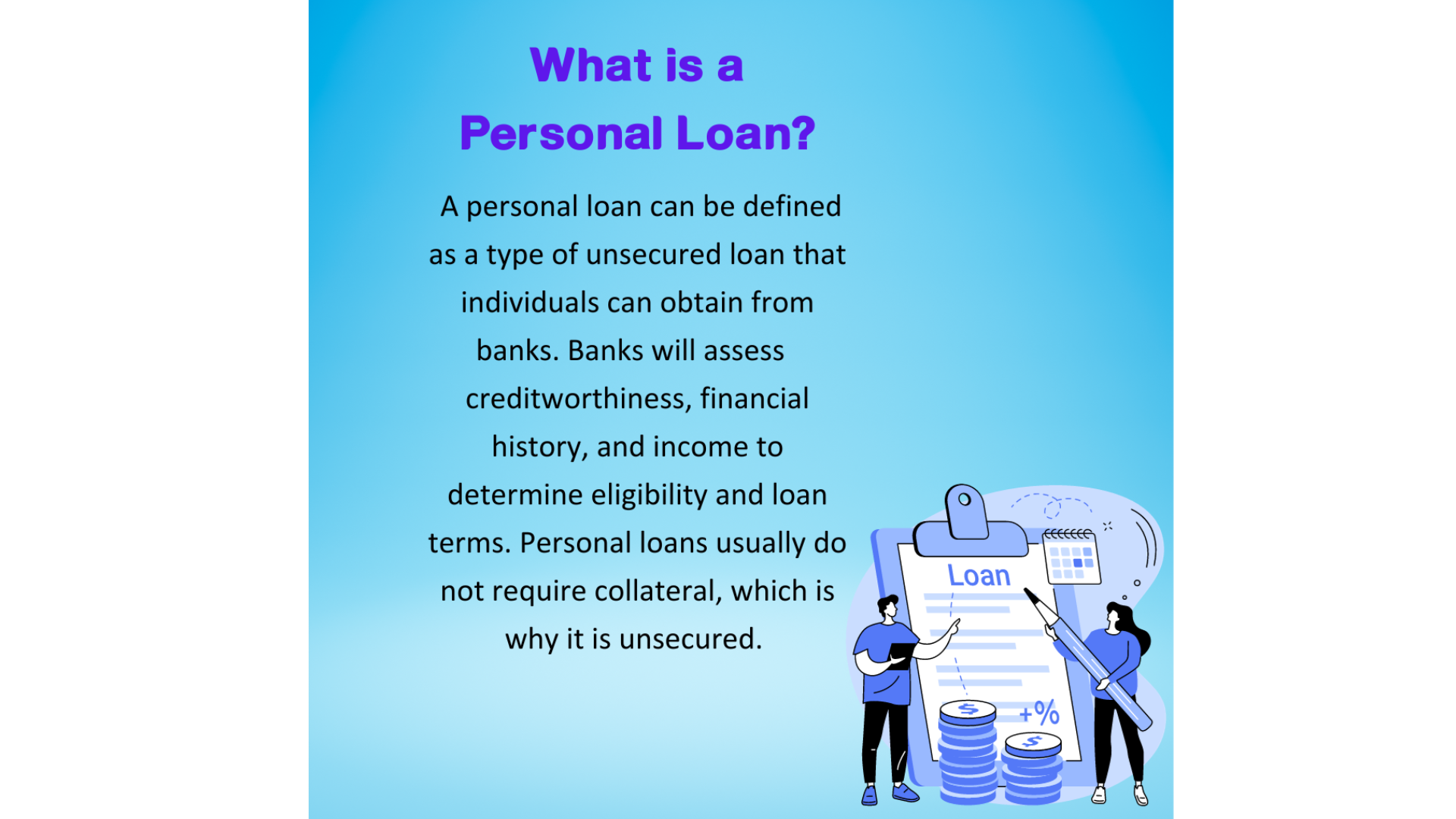
At its core, a personal loan is a type of installment debt. You borrow a specific amount of money from a lender—such as a bank, credit union, or online financial institution—and agree to pay it back over a set period (the term) with interest. Because these loans are typically “unsecured,” meaning they do not require collateral like your home or car, they represent a significant pillar of the consumer credit market.
Understanding the Mechanics of a Personal Loan
To effectively utilize a personal loan, one must first understand how they are structured. Unlike revolving credit, such as a credit card, a personal loan provides a lump sum of cash upfront. This structure demands a disciplined approach to repayment, as the borrower is committed to a fixed monthly schedule until the balance is cleared.
Secured vs. Unsecured Loans
The majority of personal loans are unsecured. This means the lender grants the loan based primarily on your creditworthiness and income rather than any physical asset they can seize if you fail to pay. Because the lender takes on more risk with an unsecured loan, interest rates are typically higher than those for secured loans (like a mortgage) but significantly lower than the average credit card.
Secured personal loans do exist, however. In these cases, a borrower might use a savings account, a certificate of deposit (CD), or even a vehicle as collateral. Secured loans often come with lower interest rates and are more accessible to individuals with lower credit scores, as the collateral mitigates the lender’s risk.
Fixed vs. Variable Interest Rates
Most personal loans feature fixed interest rates. This means your interest rate—and therefore your monthly payment—remains identical for the life of the loan. This predictability is a cornerstone of effective budgeting, allowing borrowers to plan their cash flow years in advance.
Variable-rate loans, while less common in the personal loan space, carry interest rates that fluctuate based on market benchmarks (such as the Prime Rate). While they may start with a lower rate than fixed-rate options, they introduce a level of risk: if market rates rise, so do your monthly obligations. For most conservative financial planning, fixed-rate personal loans are the preferred choice.
When Does a Personal Loan Make Financial Sense?
A personal loan is a tool, and like any tool, its value depends on how it is used. In the realm of personal finance, there are several scenarios where taking on this form of debt is a strategically sound move.
Debt Consolidation: Streamlining Your Liabilities
The most frequent use of a personal loan is debt consolidation. Many consumers find themselves juggling multiple credit card balances, each with high interest rates (often exceeding 20% or 25%). By taking out a single personal loan with a lower interest rate—perhaps between 8% and 15%—a borrower can pay off all their credit cards at once.
This strategy serves two purposes: it reduces the total interest paid over time and simplifies the borrower’s life into a single monthly payment. If handled correctly, this can lead to a significant boost in credit scores as the “credit utilization” ratio on the cards drops to zero.
Financing Major Life Milestones and Emergencies
Beyond debt, personal loans are often used for “investment” purposes in one’s lifestyle or assets. Home improvement projects are a primary example. Using a personal loan to renovate a kitchen or replace a roof can increase the equity of a home without the complexity or closing costs of a Home Equity Line of Credit (HELOC).
Additionally, personal loans serve as a safety net for major life events. From covering the gap in wedding expenses to paying for elective medical procedures not covered by insurance, these loans provide liquidity when it is needed most. However, financial experts generally advise against using loans for “lifestyle creep” or non-essential luxury purchases, as the interest costs can quickly outweigh the temporary pleasure of the purchase.

The Impact of Credit Scores and Application Requirements
Securing a personal loan is not a guarantee; it is a process of evaluation. Lenders utilize various metrics to determine whether a borrower is a “safe bet,” and understanding these metrics can help you prepare a successful application.
How Lenders Evaluate Your Creditworthiness
The primary factor in any loan approval is your credit score (FICO or VantageScore). This three-digit number tells the lender how reliably you have managed debt in the past. Borrowers with “Excellent” credit (720+) generally receive the lowest interest rates and the most favorable terms. Those with “Fair” credit (600-660) may still qualify but will face higher APRs.
Lenders also look closely at your Debt-to-Income (DTI) ratio. This is the percentage of your gross monthly income that goes toward paying debts. If your DTI is too high—typically above 35% to 43%—lenders may worry that adding a new loan payment will overextend your finances, leading to a rejection or a smaller loan offer.
Navigating the Application Process
The modern application process for a personal loan is remarkably efficient, often occurring entirely online. Most lenders offer a “pre-qualification” step, which uses a “soft” credit pull that does not hurt your credit score. This allows you to see potential rates and terms before committing.
Once you move to the formal application, you will need to provide documentation such as pay stubs, W-2s, and proof of identity. At this stage, the lender performs a “hard” credit pull, which may cause a temporary, minor dip in your credit score. If approved, many online lenders can deposit funds into your bank account within 24 to 48 hours, making this one of the fastest ways to access capital.
Costs and Considerations: Beyond the Interest Rate
While the interest rate is the most visible cost of a personal loan, it is not the only one. Savvy financial management requires looking at the “Total Cost of Borrowing.”
Understanding APR and Hidden Fees
The Annual Percentage Rate (APR) is a more accurate measure of a loan’s cost than the interest rate alone because it includes fees. One of the most common fees is the “origination fee,” which is a one-time upfront charge deducted from the loan proceeds. For example, if you take a $10,000 loan with a 5% origination fee, you will only receive $9,500, but you will still owe interest on the full $10,000.
Other fees to watch for include late payment fees and “prepayment penalties.” A prepayment penalty is a fee charged if you pay off the loan early. Fortunately, many modern lenders have eliminated these penalties, allowing borrowers to save on interest by paying down their debt ahead of schedule. Always read the fine print to ensure the loan structure aligns with your repayment strategy.
The Long-term Impact on Personal Cash Flow
A personal loan is a long-term commitment. Monthly payments must be factored into your budget with the same rigidity as rent or utilities. Before signing a loan agreement, it is vital to perform a “stress test” on your finances: Could you still afford this payment if your income decreased or if another emergency arose? A personal loan should be a solution to a problem, not the cause of a new one.
Choosing the Right Lender for Your Financial Goals
Not all lenders are created equal. The “best” personal loan depends on your specific financial profile and what you value most—be it the lowest rate, the fastest funding, or the best customer service.
Banks, Credit Unions, and Online Lenders
- Traditional Banks: Best for those who already have an established relationship with an institution. They may offer loyalty discounts but often have stricter credit requirements.
- Credit Unions: As member-owned cooperatives, credit unions often offer the most competitive interest rates and a more personalized approach to lending, especially for those with less-than-perfect credit.
- Online Lenders: These fintech companies specialize in speed and accessibility. Their platforms are highly optimized for a seamless digital experience, and they often cater to specific niches, such as high-income earners or those looking for rapid debt consolidation.
Prequalification and Final Approval
The golden rule of personal finance is to shop around. Because prequalification does not impact your credit score, there is no reason not to check rates with at least three different lenders. Compare the APRs, the monthly payments, and the total interest you will pay over the life of the loan.
In conclusion, a personal loan is a powerful financial tool that offers a pathway to debt freedom, home improvement, and liquidity during life’s unpredictable moments. By understanding the nuances of interest rates, fees, and credit requirements, you can navigate the borrowing process with confidence. When used responsibly, a personal loan doesn’t just provide cash—it provides a strategic advantage in managing your long-term wealth and financial stability.
aViewFromTheCave is a participant in the Amazon Services LLC Associates Program, an affiliate advertising program designed to provide a means for sites to earn advertising fees by advertising and linking to Amazon.com. Amazon, the Amazon logo, AmazonSupply, and the AmazonSupply logo are trademarks of Amazon.com, Inc. or its affiliates. As an Amazon Associate we earn affiliate commissions from qualifying purchases.