
The term “myocardial infarction” might sound formidable, a complex medical jargon reserved for hushed tones in hospital corridors. However, understanding its essence, its causes, and its implications is becoming increasingly accessible and even empowered through the lens of technology. Once a subject solely within the purview of medical professionals, the journey of unraveling what a myocardial infarction truly is, and how it impacts us, is now deeply intertwined with digital tools, data analysis, and innovative health platforms. This exploration delves into the technological ecosystem that surrounds this critical cardiac event, highlighting how we can leverage advancements to better comprehend, monitor, and potentially prevent myocardial infarctions.

The Digital Anatomy of a Myocardial Infarction: Visualizing the Unseen
In the past, comprehending an internal medical event like a myocardial infarction relied heavily on textual descriptions and abstract diagrams. Today, technology offers a visceral and interactive understanding. From advanced imaging techniques to immersive digital models, the unseen processes within the heart are being brought to light with unprecedented clarity.
3D Modeling and Simulation: Bringing the Heart to Life
The advent of sophisticated 3D modeling and simulation software has revolutionized how we visualize the cardiovascular system. Instead of static 2D representations, medical students, patients, and researchers can now interact with dynamic, three-dimensional models of the heart. These models can accurately depict the intricate network of arteries, chambers, and valves. When discussing a myocardial infarction, these tools become invaluable. They can illustrate:
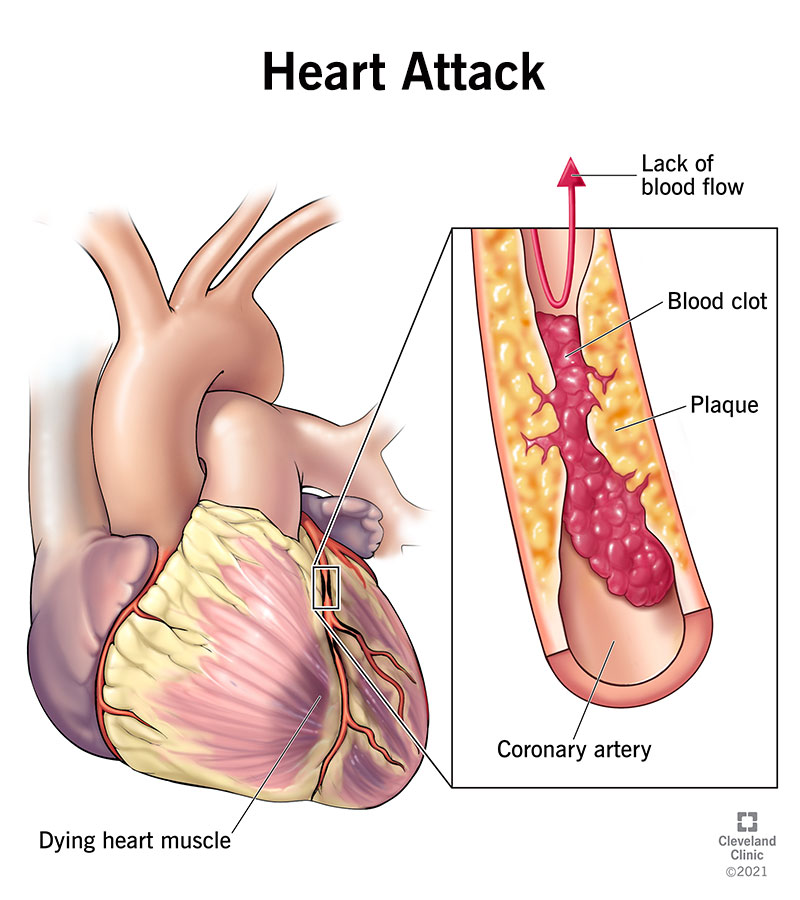
- Coronary Artery Anatomy: Showing the precise location and branching of the coronary arteries, the very vessels that become blocked during an infarction. Users can virtually dissect these arteries, understand their scale, and identify potential sites of plaque buildup.
- Blood Flow Dynamics: Simulating how blood circulates through the heart. This is crucial for understanding how a blockage in a coronary artery disrupts oxygenated blood flow to a section of the heart muscle, leading to its damage or death.
- Pathological Processes: Demonstrating the step-by-step progression of atherosclerosis – the buildup of plaque within the arteries. This includes visualizing the formation of fatty streaks, the development of fibrous plaques, and the eventual rupture of these plaques, which triggers the formation of a blood clot responsible for the infarction.
- Myocardial Damage Visualization: Depicting the specific area of the heart muscle that is deprived of oxygen and begins to suffer damage or necrosis during an infarction. This can be shown as a color-coded region on the 3D model, correlating with the affected coronary artery.
These digital models are not just educational tools; they are becoming integrated into diagnostic workflows and treatment planning. Surgeons can use them to rehearse complex procedures, and patients can gain a clearer understanding of their condition, fostering better adherence to treatment plans.
Advanced Imaging Technologies: Peering Inside
The ability to visualize the living heart in action has been a monumental leap forward, driven by technological innovation. Several imaging modalities play a critical role in diagnosing and understanding myocardial infarctions:
- Coronary Angiography (Cardiac Catheterization): While a medical procedure, the visualization component is purely technological. A contrast dye is injected into the coronary arteries, and X-ray imaging captures its flow. This reveals blockages with remarkable precision, showing the extent and location of coronary artery disease (CAD) that often precedes an infarction. Digital processing of these images allows for detailed analysis of the stenosis (narrowing) of the arteries.
- Echocardiography (Ultrasound): This non-invasive technique uses sound waves to create moving images of the heart. Echocardiograms can assess the heart’s pumping function, identify areas of weakened muscle (which can be indicative of past or current infarction), and evaluate valve function. Doppler technology within echocardiography can also map blood flow.
- Computed Tomography Angiography (CTA): CTA uses X-rays and computer processing to create detailed cross-sectional images of the heart and its blood vessels. It can detect calcium deposits in the coronary arteries (a marker of CAD) and identify significant blockages. Advanced CTA techniques can even provide information on the composition of plaque, which is crucial for risk stratification.
- Magnetic Resonance Imaging (MRI): Cardiac MRI offers highly detailed images of the heart’s structure and function, without radiation. It can accurately assess the size and extent of myocardial damage, differentiate between healthy and infarcted tissue, and evaluate the viability of the heart muscle after an event.
The data generated by these imaging technologies are now increasingly processed by sophisticated algorithms, often incorporating AI, to enhance diagnostic accuracy and extract subtle insights that might be missed by the human eye alone.
The Data Revolution in Heart Health: From Raw Numbers to Predictive Insights
Understanding myocardial infarction is no longer solely about isolated diagnostic images. The explosion of data in healthcare, coupled with advanced analytical tools, is transforming our approach to cardiac health, moving from reactive treatment to proactive prevention.
Wearable Technology and Continuous Monitoring: Your Personal Health Dashboard
Wearable devices, such as smartwatches and fitness trackers, have transitioned from novelty gadgets to powerful health monitoring tools. For individuals at risk of, or managing, heart conditions, these devices offer unprecedented continuous insights.
- Heart Rate and Rhythm Monitoring: Most wearables can continuously track heart rate and detect irregular heart rhythms (arrhythmias) like atrial fibrillation, which can be a precursor or complicating factor for heart disease. Sudden changes or prolonged abnormalities can alert users and healthcare providers to potential issues.
- Electrocardiogram (ECG/EKG) Capabilities: Many advanced smartwatches now feature single-lead ECG sensors. While not a substitute for a clinical Holter monitor or a full 12-lead ECG, these can detect signs of a myocardial infarction, such as ST-segment elevation or depression, prompting users to seek immediate medical attention. The data can be saved and shared with a doctor, providing valuable real-time information.
- Activity and Sleep Tracking: While seemingly unrelated, patterns in daily activity levels and sleep quality can be indicators of overall cardiovascular health. A significant decline in activity or persistent sleep disturbances might signal underlying issues that warrant investigation.
- Integration with Health Platforms: Data from wearables is often seamlessly integrated into smartphone apps and cloud-based health platforms. This allows users to track trends over time, visualize their cardiovascular health metrics, and share this information with their healthcare team, creating a comprehensive digital health record.
Big Data Analytics and AI in Cardiology: Unlocking Predictive Power
The sheer volume of health data being generated – from electronic health records (EHRs), imaging devices, and wearables – presents an opportunity for powerful analysis. Artificial intelligence (AI) and machine learning (ML) are at the forefront of this revolution, enabling new ways to understand and predict myocardial infarctions.
- Risk Prediction Models: AI algorithms can analyze vast datasets containing patient demographics, medical history, lifestyle factors, genetic predispositions, and even subtle patterns in physiological data to predict an individual’s risk of developing CAD or experiencing a myocardial infarction. These models can identify high-risk individuals who might benefit from more aggressive preventative measures.
- Diagnostic Assistance: AI is being trained to analyze medical images (like angiograms and CT scans) with remarkable accuracy, often identifying subtle signs of CAD or early signs of infarction that may be missed by human review. This can expedite diagnosis and reduce the likelihood of misdiagnosis.
- Personalized Treatment Pathways: By analyzing patient data and outcomes from similar cases, AI can help clinicians tailor treatment plans more effectively. This includes optimizing medication dosages, recommending specific interventions, and predicting patient responses to different therapies.
- Drug Discovery and Development: AI is accelerating the process of identifying new therapeutic targets and developing novel drugs for treating heart disease. By analyzing molecular data and clinical trial results, AI can pinpoint promising compounds and predict their efficacy and safety.
The integration of these data-driven technologies promises a future where myocardial infarctions are not just treated after they occur, but actively prevented through personalized, data-informed healthcare strategies.
Digital Therapeutics and Interventions: Empowering Self-Management and Rehabilitation
Beyond diagnosis and prediction, technology is increasingly playing a crucial role in the management and rehabilitation of individuals who have experienced a myocardial infarction, and in empowering those at risk to take proactive steps.
Telehealth and Remote Patient Monitoring: Bridging the Distance
Telehealth has emerged as a powerful tool for cardiovascular care, especially for post-infarction recovery and chronic disease management.
- Virtual Consultations: Patients can have follow-up appointments with their cardiologists and other healthcare providers via secure video conferencing. This is particularly beneficial for patients in rural areas or those with mobility issues, ensuring continuous medical oversight without the need for frequent in-person visits.
- Remote Monitoring Platforms: Beyond wearable data, dedicated remote monitoring devices can transmit vital signs (blood pressure, oxygen saturation, weight) directly to healthcare providers. This allows for early detection of deteriorating health conditions, such as heart failure or fluid retention, which can be complications following an infarction, enabling timely intervention.
- Digital Health Coaching: Many platforms offer digital health coaching services, providing personalized guidance on lifestyle modifications, medication adherence, and symptom management through interactive apps and regular check-ins.
Digital Therapeutics (DTx) for Cardiovascular Health: Prescription-Grade Software
The concept of Digital Therapeutics (DTx) is gaining traction, offering software-based interventions to treat or manage medical conditions. For cardiovascular health, DTx can provide structured programs to:
- Promote Lifestyle Changes: Programs designed to help users adopt and maintain healthy eating habits, engage in regular physical activity, and manage stress – all critical factors in preventing and managing heart disease.
- Cardiac Rehabilitation Programs: Interactive digital platforms can deliver elements of cardiac rehabilitation, including exercise guidance, education on risk factors, and emotional support, making these vital recovery services more accessible and scalable.
- Medication Adherence Support: Apps can provide smart reminders for taking medications, track adherence, and offer educational content about the importance of each prescription, improving patient compliance and treatment effectiveness.
These digitally delivered interventions are often evidence-based and regulated, providing a new, accessible, and often more engaging way for individuals to manage their heart health and recover from significant cardiac events.

The Future of Cardiac Care: A Technologically Enhanced Horizon
The term “myocardial infarction” signifies a critical medical event. However, the way we understand, diagnose, manage, and prevent it is being profoundly reshaped by technological advancements. From the intricate 3D visualizations that demystify the heart’s anatomy to the powerful AI algorithms that predict risk and the accessible digital therapeutics that empower self-management, technology is democratizing knowledge and enhancing care. As we continue to innovate, the future of cardiac health promises to be one where early detection, personalized interventions, and proactive prevention are not just aspirational goals, but tangible realities, driven by the relentless march of technological progress. The ongoing integration of sophisticated hardware, intelligent software, and interconnected health ecosystems is paving the way for a future where understanding and combating myocardial infarctions is more effective, accessible, and ultimately, more life-saving than ever before.
aViewFromTheCave is a participant in the Amazon Services LLC Associates Program, an affiliate advertising program designed to provide a means for sites to earn advertising fees by advertising and linking to Amazon.com. Amazon, the Amazon logo, AmazonSupply, and the AmazonSupply logo are trademarks of Amazon.com, Inc. or its affiliates. As an Amazon Associate we earn affiliate commissions from qualifying purchases.