
A job fair is a dynamic event that brings together employers seeking talent with job seekers looking for opportunities. It serves as a crucial nexus in the professional world, facilitating direct interaction, immediate feedback, and a broader understanding of the current employment landscape. Far from being a simple resume drop-off, a modern job fair is a strategic platform designed to streamline the hiring process, foster professional networking, and provide invaluable insights into various industries and specific companies. Understanding the multifaceted nature of job fairs, from their traditional roots to their evolving digital manifestations, is key for any individual or organization aiming to leverage these events effectively.

The Evolution and Purpose of Job Fairs
Job fairs have undergone a significant transformation over the years, adapting to the changing dynamics of the labor market and technological advancements. Originally conceived as straightforward recruitment events, they have broadened their scope to encompass career exploration, skill development, and employer branding. The core purpose, however, remains constant: to bridge the gap between those who need employees and those who seek employment.
Traditional Job Fairs: The Foundation
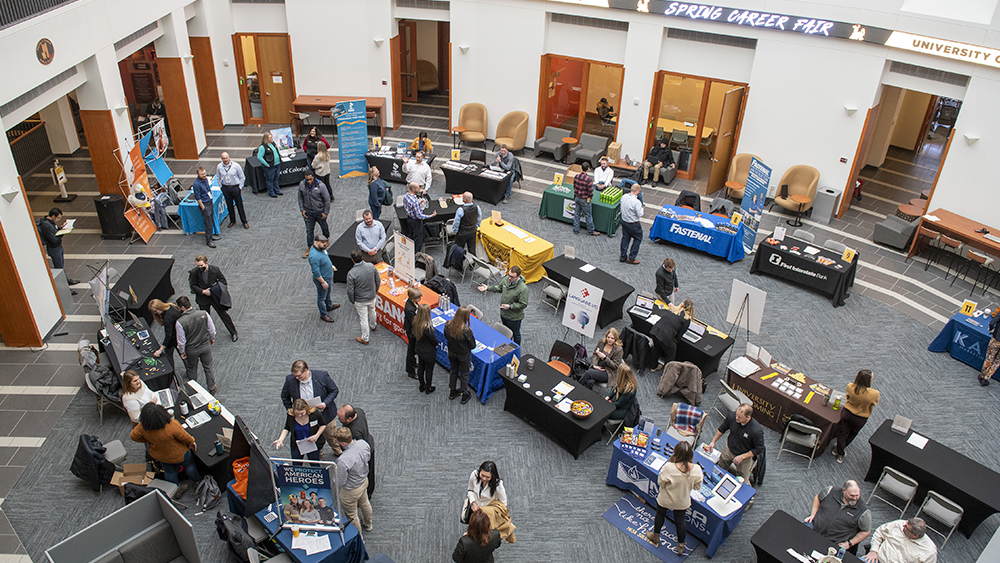
The classic job fair, often held in convention centers or university halls, is characterized by rows of company booths, each staffed by recruiters and hiring managers. Job seekers typically circulate, armed with multiple copies of their resumes, eager to make a positive impression. These events are designed for high-volume recruitment, allowing companies to screen a large number of candidates efficiently. For job seekers, they offer the chance to meet with multiple potential employers in a single day, gain firsthand information about company culture and open positions, and sometimes even participate in on-the-spot interviews. The face-to-face interaction is a significant advantage, enabling the development of rapport and a more personal connection than is often possible through online applications. The tangible nature of these events allows for a broader overview of the job market, exposing individuals to roles and industries they might not have otherwise considered.
The Rise of Virtual and Hybrid Job Fairs
The digital revolution has profoundly impacted the job fair landscape, giving rise to virtual and hybrid models. Virtual job fairs leverage online platforms to connect employers and candidates remotely. These events offer unparalleled accessibility, eliminating geographical barriers and allowing participation from anywhere in the world. Candidates can often interact with recruiters via live chat, video conferencing, and dedicated virtual booths. The convenience and cost-effectiveness of virtual fairs have made them increasingly popular. Hybrid job fairs combine elements of both physical and virtual events, offering flexibility and catering to a wider range of preferences. This blended approach allows for in-person networking at a physical location while also extending reach and accessibility through an online component. The digital evolution has also introduced innovative features like AI-powered matching algorithms to connect candidates with suitable roles, personalized career advice chatbots, and virtual reality (VR) experiences to showcase company environments.
Key Objectives for Employers and Job Seekers
For employers, the primary objective of participating in a job fair is to source qualified candidates efficiently. It’s an opportunity to build their talent pipeline, conduct initial screenings, and generate interest in their company brand. Job fairs also serve as a valuable platform for market research, allowing companies to gauge candidate interest in specific roles, understand prevailing salary expectations, and gather feedback on their employer branding efforts. Networking with industry peers and potential partners is another significant benefit.
For job seekers, the objectives are equally diverse and significant. Beyond simply finding a job, individuals attend job fairs to explore career paths, discover new industries or roles, and gather information about companies that align with their values and aspirations. It’s a chance to practice and refine their networking and communication skills, receive instant feedback on their resumes and interview techniques, and potentially secure interviews or even job offers on the spot. For recent graduates, job fairs are often a critical first step in launching their careers, providing exposure to a wide array of entry-level positions and internship opportunities. For experienced professionals, they can be a way to explore career changes, find more senior roles, or re-enter the workforce.
Navigating a Job Fair for Maximum Impact
Effectively navigating a job fair requires preparation, strategy, and active engagement. Simply showing up with a resume is often insufficient to reap the full benefits. A well-planned approach can significantly increase the chances of making meaningful connections and achieving desired outcomes.
Pre-Fair Preparation: Laying the Groundwork
Thorough preparation is the cornerstone of a successful job fair experience. This begins with researching the participating companies. Identify those that align with your career goals, industry interests, and skill sets. Understand their mission, values, recent projects, and current job openings. This research will enable you to tailor your approach and ask insightful questions.
Crafting a compelling resume is paramount. Ensure it is up-to-date, error-free, and highlights your most relevant skills and experiences for the types of roles you are seeking. Consider creating a few variations of your resume if you are targeting different industries or job functions. Prepare a concise and impactful elevator pitch, a brief summary of your background, skills, and career aspirations, which you can deliver confidently when speaking with recruiters. Practicing your elevator pitch out loud, perhaps with a friend or mentor, will help you refine it and deliver it smoothly.
Professional attire is essential. Even for virtual fairs, maintaining a professional appearance for video calls is crucial. For in-person events, dress in a manner that reflects the industry and company culture you are targeting. It’s often advisable to err on the side of more formal attire if unsure. Also, consider bringing a professional portfolio or samples of your work if applicable to your field. For virtual fairs, ensure you have a stable internet connection, a quiet environment, and a professional backdrop for video interactions. Familiarize yourself with the virtual platform in advance to understand its features and functionalities.
On-Site (or Online) Engagement: Making Connections
When interacting with recruiters, be polite, confident, and enthusiastic. Make eye contact (in person or via video), offer a firm handshake (if appropriate in person), and clearly articulate your elevator pitch. Listen attentively to what the recruiter has to say and ask thoughtful, informed questions. Avoid generic questions that can be easily answered by a quick online search. Instead, inquire about specific projects, team dynamics, company culture, or future growth opportunities. This demonstrates genuine interest and initiative.
Be prepared to discuss your skills and experiences in relation to the specific roles you are interested in. Have specific examples ready to illustrate your accomplishments. Don’t be afraid to ask for a business card or the contact information of the recruiter for follow-up. If you are given the opportunity for an on-the-spot interview, treat it with the same seriousness as any other interview. Be prepared for common interview questions and present yourself professionally.
For virtual job fairs, engage actively in chat sessions and virtual booths. Be prompt and professional in your online interactions. If a video interview is offered, ensure you are in a quiet space with good lighting and a clear background. Treat these virtual interactions with the same level of professionalism as you would an in-person meeting. Remember that recruiters are often looking for candidates who demonstrate good communication skills and a proactive attitude, regardless of the format.
Post-Fair Follow-Up: Solidifying Opportunities
The job fair experience doesn’t end when you leave the venue or log off the virtual platform. Effective follow-up is critical to solidifying any interest generated and moving the hiring process forward. Within 24-48 hours of the event, send personalized thank-you emails to each recruiter or hiring manager you spoke with. Reiterate your interest in the company and specific role, and briefly mention a key point from your conversation to jog their memory. Attach your resume again if it wasn’t explicitly requested in a follow-up request.
If you were interviewed on the spot, follow up on any timelines or next steps that were discussed. If you received business cards, connect with individuals on professional networking sites like LinkedIn. Share any relevant updates or accomplishments that further strengthen your candidacy. Maintain a record of who you spoke with, what was discussed, and any follow-up actions required. This organized approach ensures that you don’t miss any opportunities and demonstrates your professionalism and commitment. Consistent and timely follow-up can significantly differentiate you from other candidates.
The Broader Economic and Social Impact of Job Fairs
Job fairs are more than just recruitment events; they play a significant role in the broader economic and social fabric. They contribute to economic growth by facilitating the efficient allocation of labor, fostering innovation, and reducing unemployment. Socially, they empower individuals by providing pathways to economic stability and career fulfillment.
Fueling Economic Growth and Workforce Development
By connecting employers with qualified candidates, job fairs directly contribute to workforce development. They help fill critical skill gaps within industries, enabling businesses to expand and innovate. Efficient hiring processes facilitated by job fairs can lead to increased productivity and economic output. Furthermore, they can help revitalize local economies by attracting businesses and talent to specific regions. For individuals seeking to upskill or reskill, job fairs can highlight emerging industries and the demand for new competencies, guiding educational and training pursuits.
Empowering Individuals and Fostering Career Mobility
Job fairs are powerful tools for individual empowerment. They democratize access to career opportunities, particularly for those who might not have extensive professional networks. The ability to interact directly with potential employers can boost confidence and provide clarity on career aspirations. For individuals looking to change careers, re-enter the workforce after a break, or advance their current trajectory, job fairs offer a tangible starting point. They can uncover hidden opportunities and provide the motivation and guidance needed to pursue new professional endeavors. The insights gained from conversations can also inform personal development goals, helping individuals identify areas for improvement to enhance their marketability.

Addressing Challenges and Future Trends
Despite their benefits, job fairs face challenges. Ensuring a diverse representation of both employers and job seekers, managing large crowds effectively, and providing adequate resources for all participants are ongoing considerations. In the digital age, bridging the digital divide to ensure equitable access to virtual job fairs is also crucial.
The future of job fairs is likely to involve even greater integration of technology. AI-powered recruitment tools, advanced data analytics to personalize candidate experiences, and immersive VR environments for company tours and simulations are expected to become more prevalent. The focus will likely remain on creating personalized, efficient, and impactful experiences for both employers and job seekers, further solidifying the job fair’s position as an indispensable component of the modern employment ecosystem. The continuous evolution of these events ensures their relevance and effectiveness in an ever-changing professional landscape.
aViewFromTheCave is a participant in the Amazon Services LLC Associates Program, an affiliate advertising program designed to provide a means for sites to earn advertising fees by advertising and linking to Amazon.com. Amazon, the Amazon logo, AmazonSupply, and the AmazonSupply logo are trademarks of Amazon.com, Inc. or its affiliates. As an Amazon Associate we earn affiliate commissions from qualifying purchases.