
In the intricate tapestry of a restaurant’s operations, certain roles shine as pivotal threads, connecting the culinary artistry with the guest’s experience. Among these, the hostess stands out not merely as a greeter but as a critical, often underestimated, custodian of a restaurant’s brand. Far from being just the first smiling face a patron encounters, a hostess is a strategic brand ambassador, an operational linchpin, and the human embodiment of the restaurant’s promise of hospitality. Their role extends beyond seating guests; it encompasses setting the tone, managing expectations, and actively shaping the customer journey in a way that profoundly impacts brand perception and loyalty.
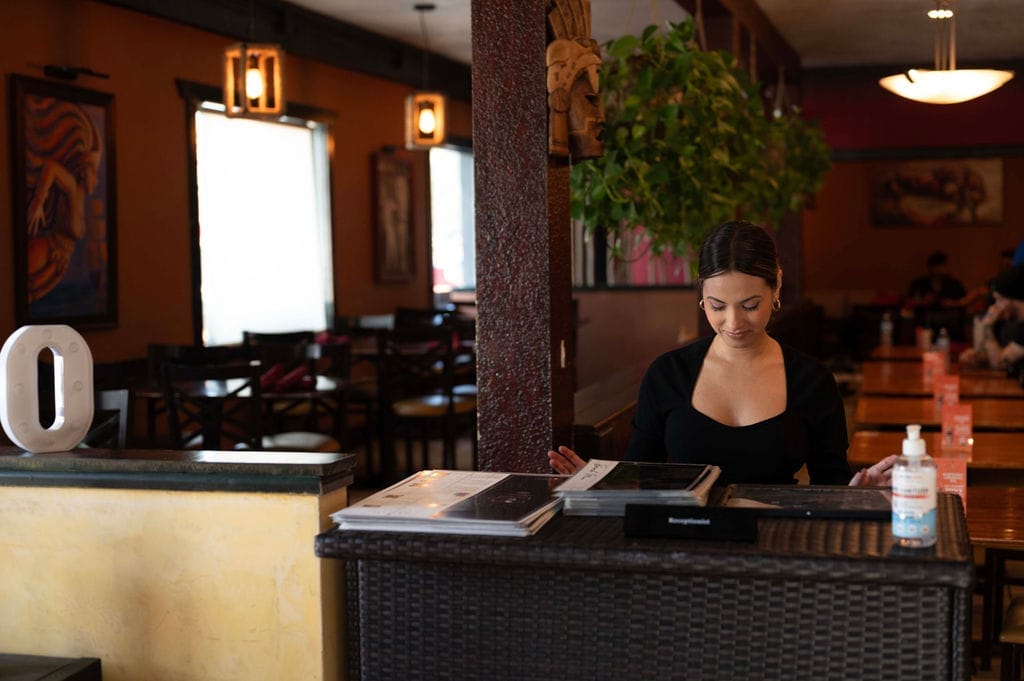
In today’s competitive culinary landscape, where every touchpoint contributes to a restaurant’s overall brand narrative, understanding the multifaceted contributions of a hostess is paramount. This exploration delves into how this seemingly traditional role is, in fact, a dynamic and indispensable element of brand strategy, directly influencing everything from first impressions to sustained customer relationships and overall market reputation.
The Hostess as the Embodiment of a Restaurant’s Brand Identity
A restaurant’s brand is more than its logo, menu, or decor; it’s the sum total of every impression and interaction a guest has with the establishment. The hostess, by virtue of their position at the threshold, is uniquely placed to sculpt this initial and often lasting perception. They are not just an employee; they are the living, breathing representation of the restaurant’s brand promise.
The First Impression: Setting the Brand Tone
The moment a guest steps into a restaurant, a sensory journey begins, and the hostess is the guide who initiates it. Their demeanor, efficiency, and ability to make guests feel welcome immediately broadcast the restaurant’s core values. Is the brand sophisticated and exclusive? The hostess might project a calm, polished efficiency. Is it vibrant and friendly? A warm, energetic greeting will convey this. This initial interaction sets the brand tone, influencing guest expectations for the entire dining experience. A warm welcome can elevate perceived value, while a cold or disorganized reception can taint even the most exquisite food. This initial encounter is a brand’s opportunity to instantly communicate its personality, its commitment to service, and its unique selling proposition. It’s an unspoken contract established in the first few seconds, promising a specific kind of experience that the rest of the brand delivery must then uphold.
Curating the Guest Experience: Beyond Seating
While seating guests is a primary duty, the hostess’s influence on the guest experience extends far deeper. They are the initial arbiters of the restaurant’s flow, making decisions that optimize not just table turnover but also customer comfort and satisfaction. Strategic seating decisions—placing a couple seeking intimacy in a quiet corner, or a boisterous family at a more secluded table—are not just about logistics; they are about understanding guest needs and matching them with the brand’s offerings to enhance their experience. Moreover, a skilled hostess is adept at managing wait times, turning potential frustration into an opportunity for positive brand interaction. Offering an accurate wait time, suggesting the bar for a pre-dinner drink, or simply acknowledging their presence with empathy can significantly mitigate negative feelings and reinforce the brand’s commitment to thoughtful service. This curation process is a subtle yet powerful form of brand management, ensuring that each guest’s journey aligns with the restaurant’s desired brand narrative.
The Human Face of Digital Brand Promises
In an age dominated by online reviews, social media presence, and reservation apps, a restaurant’s brand often precedes the physical visit. Guests arrive with pre-conceived notions shaped by digital interactions. The hostess is the human bridge between these digital promises and the tangible reality. If a restaurant’s online brand promises efficiency and modernity, the hostess’s seamless handling of a digital reservation system reinforces this. If the brand boasts unparalleled hospitality, the hostess’s personal touch validates it. Conversely, a disconnect—a digital promise of seamless service met with a disorganized or indifferent hostess—can quickly erode trust and damage brand equity. They are the frontline validators of the brand’s online persona, converting digital expectation into a positive real-world experience, thereby completing the brand cycle from digital discovery to physical delivery.
Strategic Brand Ambassador: Shaping Perception and Loyalty
Beyond initial impressions, the hostess plays a sustained role in building and maintaining a restaurant’s brand reputation. They are active participants in shaping customer perception, fostering loyalty, and even mitigating potential brand damage.
Navigating Peak Performance and Brand Consistency
Restaurants, by their nature, experience fluctuations in demand. Peak hours present a unique challenge and opportunity for brand reinforcement. During these high-stress periods, the hostess’s ability to remain calm, professional, and efficient is paramount to maintaining brand consistency. A restaurant known for its exquisite dining experience cannot afford to have its brand tarnished by chaotic front-of-house operations. The hostess manages the flow, communicates with the kitchen and serving staff, and ensures that even under pressure, the brand’s promise of a smooth, enjoyable experience is delivered. Their consistent performance, even when things are hectic, reinforces the brand’s reliability and resilience, signaling to guests that the establishment is well-managed and values their experience, regardless of volume. This consistency builds trust, a cornerstone of any strong brand.
Problem Resolution as a Brand Reinforcement Tool
Inevitably, issues arise in any service environment. A hostess is often the first to encounter guest complaints, whether it’s about a long wait, a drafty table, or a general dissatisfaction that hasn’t yet escalated to management. How they handle these initial grievances is critical for brand preservation and even enhancement. A skilled hostess doesn’t just pass the buck; they actively listen, empathize, and attempt to de-escalate the situation, sometimes offering a preliminary solution or a genuine apology that aligns with the brand’s values. By demonstrating care and a proactive approach to problem-solving, they can turn a potentially negative experience into an opportunity to showcase the brand’s commitment to customer satisfaction. This ability to transform a complaint into a positive interaction is a powerful testament to the brand’s service integrity and can leave a lasting positive impression, strengthening loyalty.
Personal Branding within a Corporate Identity
While working within the corporate identity of the restaurant, an exceptional hostess also cultivates a form of personal branding. Regular guests may recognize and appreciate a particular hostess for their consistent warmth, their ability to remember preferences, or their exceptional grace under pressure. This personal connection contributes to the restaurant’s overall brand equity. It personalizes the experience, making guests feel valued and recognized, which is a significant driver of repeat business. This personal touch, when aligned with the restaurant’s overarching brand strategy, reinforces the establishment’s identity as a place that cares about its individual patrons, not just transactions. It’s a micro-level brand building that synergizes with the macro-level corporate brand.
Operational Impact on Brand Equity and Reputation
The hostess role is not just about soft skills and pleasantries; it has tangible operational impacts that directly influence a restaurant’s brand equity and long-term reputation. Their efficiency and strategic thinking contribute significantly to the smooth running of the establishment.
Flow Management: Enhancing Customer Journey and Satisfaction

Efficient flow management is perhaps the most quantifiable operational contribution of a hostess. By strategically seating guests, managing the reservation book, and coordinating with servers, the hostess ensures that the dining room operates smoothly, preventing bottlenecks and optimizing table turnover. This operational efficiency directly translates into a better customer journey: shorter wait times, attentive service (because servers aren’t overwhelmed), and a generally more relaxed atmosphere. A well-managed flow reduces stress for both guests and staff, enhancing overall satisfaction and reinforcing the brand’s reputation for seamless service. Conversely, poor flow management can lead to long waits, rushed service, and a chaotic environment, which quickly erodes brand trust and creates negative word-of-mouth.
Data & Feedback Collection: Informing Brand Evolution
In the digital age, data is gold, and the hostess is often on the frontline of collecting invaluable qualitative and quantitative data. From observing customer demographics and peak times to noting special requests or mild complaints, they gather insights that can inform brand evolution. Their interactions provide direct feedback on wait times, table preferences, and even initial reactions to new menu items or decor changes. This anecdotal and direct feedback, when systematically communicated to management, can be instrumental in adapting brand strategy, refining service protocols, and making informed decisions about future marketing efforts or operational adjustments. They are the eyes and ears of the brand, providing real-time intelligence that helps the restaurant stay responsive and relevant.
Internal Brand Cohesion: Bridging Front-of-House and Back-of-House
A strong brand is cohesive both externally and internally. The hostess plays a crucial role in bridging the often-distinct worlds of the front-of-house (FOH) and back-of-house (BOH). By effectively communicating table statuses, special requests, and guest needs to the kitchen and serving staff, they ensure that the entire team is aligned in delivering the brand promise. This internal communication fosters a sense of shared purpose and efficiency, which inevitably translates into a more harmonious and professional guest experience. When the FOH and BOH operate as a synchronized unit, the brand appears seamless and well-oiled, enhancing its reputation for excellence and professional management.
The Evolving Role: Adapting to Modern Brand Expectations
The role of a hostess is not static; it continually adapts to technological advancements and changing consumer expectations. Modern brand strategies demand integration and personalization, and the hostess is at the forefront of these adaptations.
Integrating Technology for Seamless Brand Interactions
Modern restaurants increasingly leverage technology for reservations, waitlist management, and customer relationship management (CRM). The hostess is pivotal in integrating these tools seamlessly into the brand experience. They must be proficient in using reservation software, managing digital waitlists, and accessing customer profiles to personalize interactions. This technological fluency ensures that the restaurant’s brand—whether it promises cutting-edge efficiency or personalized service—is consistently delivered across all touchpoints, digital and human. The ability to smoothly transition from an online booking to a personal greeting, referencing previous visits or preferences noted in the system, strengthens the brand’s image as sophisticated and customer-centric.
Personalization at Scale: The Hostess’s Unique Contribution
While technology can gather data, it is the hostess who provides the human touch needed for genuine personalization. Remembering a regular’s favorite table, acknowledging a birthday noted in a reservation, or even recalling a past conversation transforms a transactional interaction into a memorable brand experience. This “personalization at scale” is a powerful brand differentiator. In an era where consumers crave authenticity and connection, the hostess provides that human element, making each guest feel individually valued. This unique ability to marry technological efficiency with genuine human warmth is a hallmark of a strong, modern brand and a core competency of an exceptional hostess.
Training and Development: Cultivating Brand Champions
For a hostess to effectively embody and champion the restaurant’s brand, continuous training and development are essential. This goes beyond operational procedures; it includes training on brand values, communication skills, conflict resolution, and empathy. Investing in their development empowers hostesses to understand their critical role in the brand narrative, transforming them from mere greeters into true brand champions. Restaurants that prioritize this training cultivate a front-of-house team that is not only skilled but also deeply aligned with the brand’s mission, ensuring a consistent and elevated brand experience for every guest.
Measuring the Hostess’s Brand Contribution
Quantifying the impact of a hostess on a restaurant’s brand can be challenging, but several metrics and observations can provide insight into their effectiveness.
Customer Feedback and Online Reviews
Direct customer feedback, whether through comment cards or online review platforms (Yelp, Google, TripAdvisor), frequently mentions the initial greeting and the efficiency of the seating process. Positive mentions of a hostess’s warmth, professionalism, or ability to manage waits are clear indicators of their positive brand impact. Conversely, negative comments about long waits, disorganization, or an unfriendly reception directly reflect on the hostess’s performance and, consequently, the brand’s perception. Monitoring these reviews provides invaluable data on how the brand’s frontline is performing.
Repeat Business and Customer Lifetime Value
While many factors contribute to repeat business, a consistently positive initial experience, heavily influenced by the hostess, plays a significant role. Guests who feel welcomed, valued, and efficiently served are more likely to return. Over time, an excellent hostess contributes to increasing customer lifetime value by fostering loyalty and encouraging repeat visits. Tracking repeat customer rates can indirectly reflect the success of the front-of-house team in creating enduring brand relationships.
Employee Morale and Internal Brand Health
A well-functioning hostess acts as a central hub, facilitating communication and smooth operations. This efficiency reduces stress for the entire FOH and BOH team, contributing to higher employee morale. High morale within the staff is an indicator of strong internal brand health, which inevitably translates into better service and a more positive external brand perception. A hostess who effectively manages their role, coordinating with servers and kitchen staff, creates a harmonious work environment that supports the delivery of the brand’s promise.
In conclusion, the hostess at a restaurant is far more than an usher; they are an indispensable cornerstone of the restaurant’s brand strategy. From crafting the crucial first impression to shaping perceptions, managing operations, resolving issues, and adapting to modern expectations, their role is intrinsically linked to the restaurant’s identity, reputation, and long-term success. Recognizing and empowering the hostess as a strategic brand ambassador is not merely good practice—it is essential for any restaurant aiming to cultivate a strong, lasting, and beloved brand.
aViewFromTheCave is a participant in the Amazon Services LLC Associates Program, an affiliate advertising program designed to provide a means for sites to earn advertising fees by advertising and linking to Amazon.com. Amazon, the Amazon logo, AmazonSupply, and the AmazonSupply logo are trademarks of Amazon.com, Inc. or its affiliates. As an Amazon Associate we earn affiliate commissions from qualifying purchases.