
In an era increasingly defined by data and digital innovation, understanding and managing personal health metrics has transcended traditional medical visits. Among these, the A1C test stands as a critical indicator, offering a snapshot of average blood glucose levels over two to three months. While medically significant for diagnosing and managing diabetes, the question “what’s a good A1C?” now finds profound answers and actionable pathways within the rapidly evolving landscape of health technology. This article delves into how modern tech is not just helping individuals monitor their A1C, but also empowering them to achieve and maintain optimal glycemic control through smart devices, AI-driven insights, and integrated digital platforms.
The Digital Revolution in Glycemic Management
The journey towards understanding and maintaining a “good A1C” has been profoundly transformed by the digital revolution. What was once a periodic lab test shrouded in medical jargon is now an accessible metric, often contextualized and actionable through an array of technological tools. This shift represents a broader movement in healthcare: from reactive treatment to proactive, personalized wellness.
Understanding A1C in the Digital Age
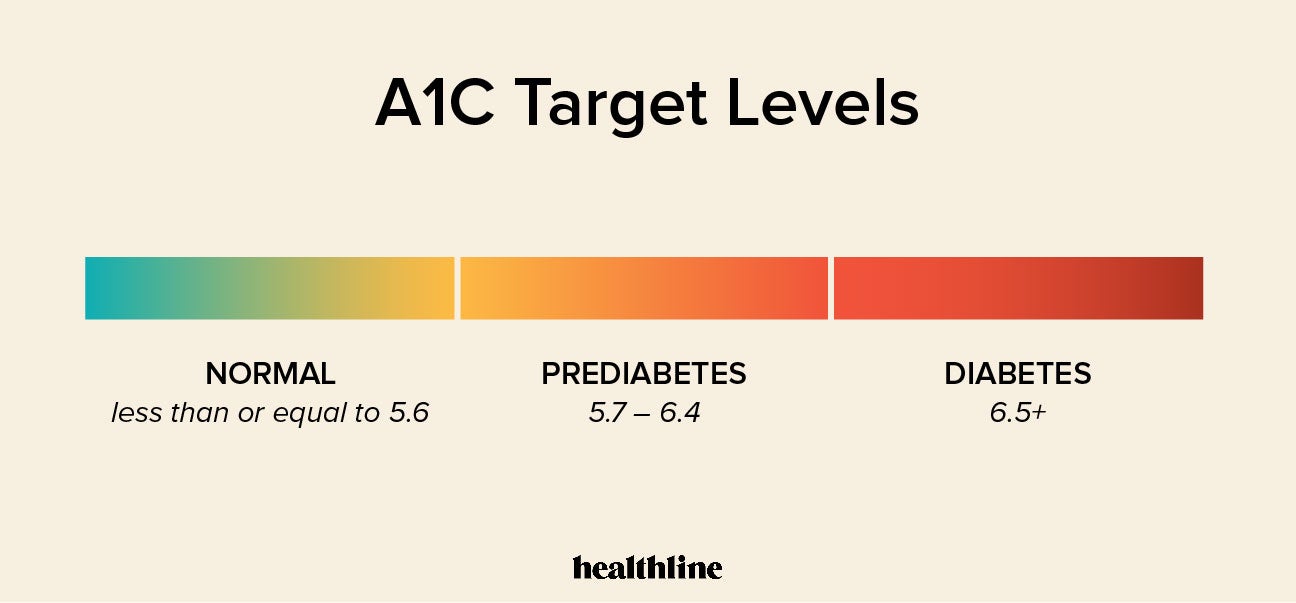
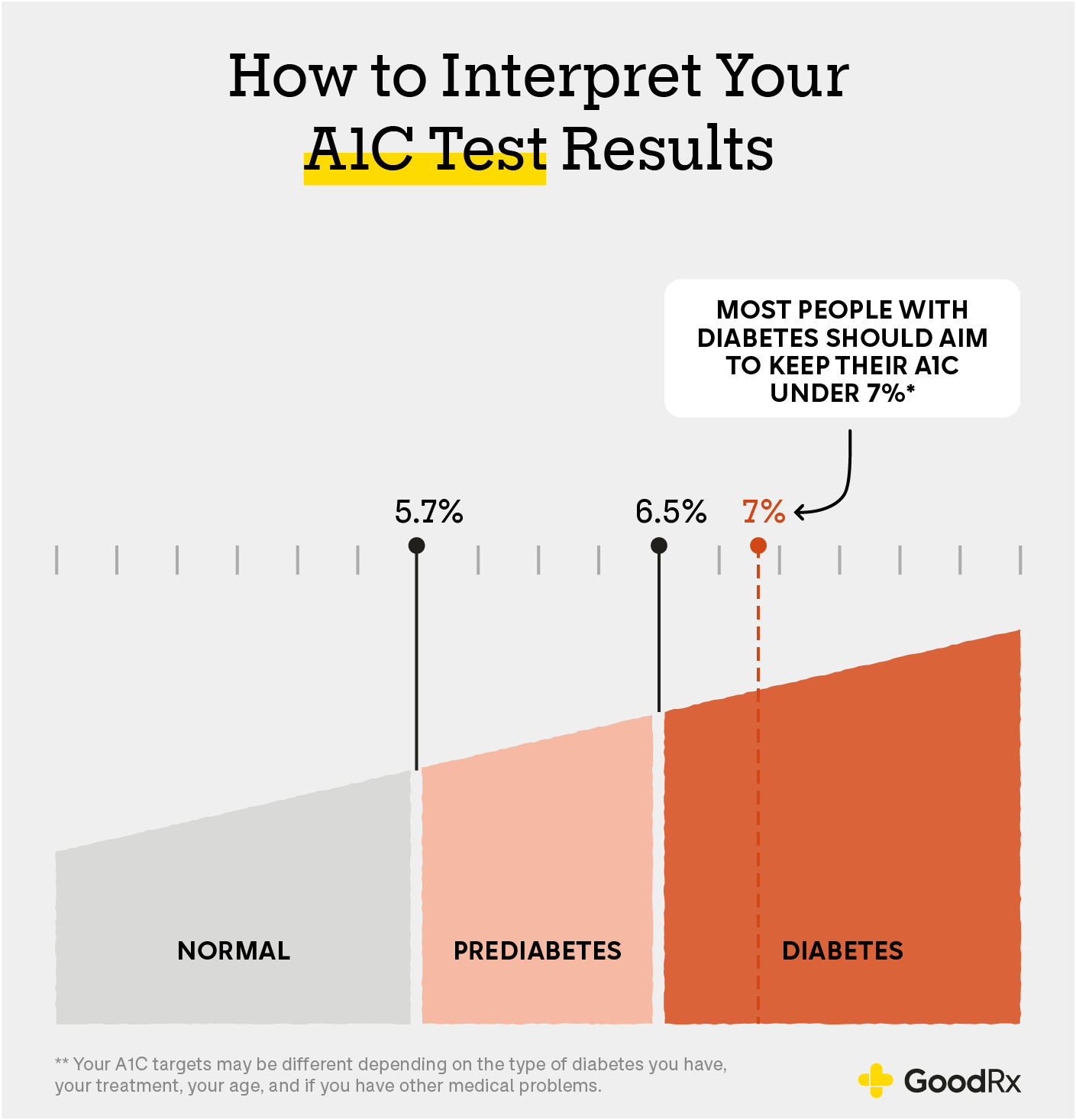
A1C, or glycated hemoglobin, reflects the average amount of glucose attached to hemoglobin in red blood cells. A lower A1C generally indicates better blood sugar control, which is crucial for preventing long-term complications associated with diabetes. Traditionally, understanding what constituted a “good A1C” involved consulting healthcare professionals and interpreting lab reports. Today, digital health applications and online resources offer immediate explanations, personalized target ranges, and educational content that demystifies this vital metric. These platforms utilize intuitive interfaces, infographics, and interactive tools to help users grasp the significance of their A1C levels, often comparing them against widely accepted guidelines (e.g., below 5.7% for non-diabetic individuals, target ranges for those with diabetes varying based on individual health profiles). The digital age has democratized access to information, making it easier for individuals to understand their A1C status and its implications for their overall health, often integrated with other biometric data collected through tech.
The Shift from Reactive to Proactive Health with Tech
Historically, A1C testing was a reactive measure, often performed when symptoms arose or as part of routine check-ups. The results would then inform medical interventions. Modern technology, however, fosters a proactive approach. Wearable devices, continuous glucose monitors (CGMs), and AI-powered analytics allow for ongoing surveillance and predictive insights into blood glucose trends. This constant stream of data means that individuals, often in consultation with their healthcare providers, can make timely adjustments to diet, exercise, and medication. For instance, an app connected to a CGM might alert a user to a rising glucose trend before it significantly impacts their A1C, allowing for immediate corrective action. This proactive stance, entirely enabled by technological advancements, is key to preventing the gradual accumulation of high blood sugar that ultimately elevates A1C levels. The emphasis moves from merely checking A1C to actively managing the factors that influence it daily, hourly, and in real-time.
Wearable Devices and Continuous Glucose Monitoring (CGM)
The proliferation of wearable technology has fundamentally reshaped personal health management, with continuous glucose monitoring (CGM) leading the charge in glycemic control. These innovations move beyond sporadic blood tests, providing unprecedented real-time insights into blood sugar fluctuations.
Real-time Data for Informed Decisions
Traditional A1C tests provide an average, a retrospective view of glucose levels. While valuable, this average doesn’t reveal the highs and lows that contribute to it or how specific actions impact blood sugar. This is where CGMs shine. These small, discreet sensors worn on the body continuously measure glucose levels in the interstitial fluid, transmitting data wirelessly to a smartphone app or receiver. This real-time stream of information allows individuals to see how different foods, exercise, stress, and medications affect their blood sugar as it happens. For example, a person can observe a spike after a particular meal and adjust their future dietary choices accordingly. This immediate feedback loop is transformative, turning abstract dietary advice into concrete, personalized learning. By understanding these daily dynamics, individuals gain the knowledge to stabilize their glucose levels, which directly contributes to achieving and maintaining a “good A1C” over time. The power lies in making informed decisions rooted in personal, immediate data, rather than relying solely on generalized recommendations.
Integrating Wearables with Health Apps
The utility of CGMs is amplified when integrated with comprehensive health applications. These apps serve as central hubs, collecting glucose data from the CGM and often combining it with other health metrics from additional wearables (e.g., activity trackers measuring steps, heart rate, sleep patterns). Modern health apps offer sophisticated features:
-
Data Visualization: Presenting glucose trends through clear graphs, charts, and heatmaps, making complex data easily understandable.
-
Logging Capabilities: Allowing users to manually log meals, medication doses, exercise routines, and even mood, creating a holistic picture of factors influencing glucose.
-
Personalized Insights: Algorithms within these apps can analyze correlated data points, suggesting patterns (e.g., “Your blood sugar consistently rises after evening pasta meals”) and offering actionable advice.
-
Reminders and Alerts: Setting alarms for medication, meal times, or when glucose levels fall outside target ranges.
-
Sharing Features: Securely sharing data with healthcare providers, enabling more informed consultations and adjustments to treatment plans.
This seamless integration transforms raw data into actionable intelligence, empowering individuals to become active participants in their own health management. By consistently utilizing these integrated tools, users can fine-tune their lifestyle, leading to more stable glucose levels and, consequently, a better A1C.
AI and Machine Learning: Predicting and Personalizing A1C Goals
Artificial intelligence (AI) and machine learning (ML) are rapidly advancing, moving beyond simple data collection to sophisticated analysis that offers predictive insights and personalized guidance for A1C management. This represents a significant leap from merely tracking to truly understanding and optimizing glycemic control.
Predictive Analytics for Blood Sugar Trends
One of the most powerful applications of AI in diabetes management is its ability to predict future blood glucose levels. By analyzing vast datasets—including CGM readings, meal logs, exercise data, sleep patterns, and even external factors like weather or personal stress levels—ML algorithms can identify complex patterns invisible to the human eye. These algorithms can learn an individual’s unique physiological responses, offering predictions such as: “Based on your current glucose levels and recent carbohydrate intake, your blood sugar is projected to rise to X mg/dL in the next 30 minutes.” This predictive capability is invaluable. It allows individuals to anticipate potential highs or lows and take preemptive action, such as adjusting insulin doses, eating a small snack, or engaging in light physical activity. Such foresight minimizes acute fluctuations, reduces the frequency of hypoglycemia (low blood sugar) or hyperglycemia (high blood sugar), and ultimately contributes to a more stable average glucose level over time, leading to a “good A1C.” This moves management from reactive problem-solving to proactive prevention.
Tailored Interventions through AI-Driven Insights
Beyond prediction, AI excels at personalization. What constitutes a “good A1C” and how to achieve it is highly individualized, depending on age, comorbidities, lifestyle, and treatment goals. AI-driven platforms can analyze an individual’s specific data profile and generate highly tailored recommendations. Instead of generic advice, a user might receive insights like: “Your morning glucose consistently spikes when you skip your usual 15-minute walk after breakfast. Consider incorporating it or adjusting your breakfast composition.”
These AI systems can also:
-
Optimize Meal Planning: Suggesting specific food choices or portion sizes based on predicted glycemic response.
-
Recommend Exercise Regimens: Advising on the type, intensity, and timing of physical activity that best supports stable glucose for that individual.
-
Medication Optimization (under medical supervision): For those on insulin, AI algorithms are being developed to suggest optimal insulin dosing adjustments based on real-time data and predictive models, aiming to minimize glucose variability.
-
Identify Behavioral Patterns: Pointing out lifestyle habits that consistently impede A1C goals and suggesting strategies for change.
This level of personalized guidance, derived from sophisticated AI analysis of an individual’s unique data, makes the pursuit of a “good A1C” significantly more efficient and effective, turning general health principles into actionable, custom-fit strategies.
Digital Health Platforms and Telemedicine for A1C Improvement
The integration of technology extends beyond personal devices to broader healthcare delivery, with digital health platforms and telemedicine playing crucial roles in supporting A1C improvement. These platforms enhance communication, data sharing, and access to professional guidance, democratizing effective diabetes management.
Centralized Data Management and Virtual Coaching
Digital health platforms serve as central repositories for all pertinent health data, from CGM readings and blood pressure to medication logs and dietary information. This consolidated view is invaluable for both patients and healthcare providers. For individuals, it simplifies self-management by organizing complex information into easily digestible dashboards and reports. They can track progress, identify trends, and understand the cumulative impact of their daily choices on their A1C.
Furthermore, many platforms incorporate virtual coaching features. These can range from automated chatbots offering personalized tips and encouragement to human health coaches or dietitians who provide remote guidance. These coaches can review a patient’s data directly through the platform, offering timely feedback on diet, exercise, or stress management strategies that impact glucose levels. This ongoing support, often accessible on demand, bridges the gap between periodic doctor visits, providing continuous motivation and expert advice essential for sustained A1C improvement. The convenience and consistency of virtual coaching significantly enhance adherence to management plans.
Connecting Patients with Healthcare Providers Remotely
Telemedicine has revolutionized how patients interact with their healthcare teams, making expert guidance more accessible, especially for chronic conditions like diabetes. For A1C management, telemedicine facilitates:
-
Remote Consultations: Patients can have virtual appointments with endocrinologists, primary care physicians, or diabetes educators from the comfort of their homes, reducing travel time and barriers to access.
-
Seamless Data Sharing: Digital platforms allow patients to securely share their aggregated health data (including A1C trends, CGM graphs, and lifestyle logs) with their providers before or during appointments. This means consultations can be far more productive, as clinicians have a comprehensive, real-world view of the patient’s condition, rather than relying solely on intermittent lab results or patient recall.
-
Timely Adjustments: Based on the shared data, healthcare providers can make more informed and timely adjustments to medication regimens, lifestyle recommendations, or treatment plans, without requiring an in-person visit. This agile approach is critical for managing a dynamic condition like diabetes.
-
Educational Resources: Many telemedicine platforms integrate educational modules and resources tailored to the patient’s specific needs, further empowering them to understand and manage their A1C effectively.
By strengthening the connection between patients and providers and streamlining data flow, digital health platforms and telemedicine are crucial enablers for achieving and maintaining a “good A1C,” ensuring that expert care is always within reach.
The Future of A1C Management: Innovation on the Horizon
The technological advancements in A1C management are not static; they are part of a dynamic and rapidly evolving field. The future promises even more integrated, intelligent, and personalized solutions, further empowering individuals in their quest for optimal glycemic control.
Emerging Technologies and Their Potential Impact
The horizon of A1C management is dotted with exciting innovations that promise to make blood sugar control more seamless and effective:
-
Non-invasive Glucose Monitoring: Imagine devices that could measure glucose levels without skin penetration. Technologies exploring optical sensors, spectroscopy, or even smart contact lenses are in various stages of development. If successful, these could dramatically improve comfort and adherence, making continuous monitoring accessible to a broader population.
-
Advanced Closed-Loop Systems (Artificial Pancreas): Building on existing insulin pumps and CGMs, advanced closed-loop systems use sophisticated algorithms to automate insulin delivery based on real-time glucose readings, mimicking the function of a healthy pancreas. These systems are becoming increasingly intelligent, capable of adapting to individual needs and predicting glucose fluctuations with greater accuracy, significantly easing the burden of diabetes management.
-
Microbiome-Based Interventions: Research into the gut microbiome is revealing its profound impact on metabolism and blood sugar regulation. Future technologies might involve personalized dietary recommendations or probiotic interventions based on an individual’s unique gut flora profile, aiming to improve glycemic control and A1C through novel pathways.
-
AI-Driven Drug Discovery and Personalization: AI is already accelerating the discovery of new diabetes medications. In the future, AI could also personalize existing drug therapies, identifying which medication or combination would be most effective for an individual based on their genetic makeup, lifestyle, and other health data, leading to more precise and impactful A1C reduction.
Empowering Individuals Through Data and Connectivity
Ultimately, the trajectory of technology in A1C management points towards greater individual empowerment. The future will see even more seamless integration of various health data points—from glucose and activity to sleep, stress, and genetic information—into comprehensive, AI-driven platforms. These platforms will not only monitor and predict but also actively coach and guide individuals with highly personalized, evidence-based recommendations.
The emphasis will be on creating an intuitive, almost invisible support system that helps individuals make optimal daily choices without constant manual input or complex calculations. Connectivity will be key, linking patients, caregivers, and healthcare providers within a collaborative ecosystem, ensuring that everyone involved has access to the most accurate, real-time information. This will foster a truly proactive and preventive approach to health, where achieving and maintaining a “good A1C” becomes an attainable goal supported by a sophisticated network of digital tools and intelligent insights, allowing individuals to live healthier, more fulfilling lives.
aViewFromTheCave is a participant in the Amazon Services LLC Associates Program, an affiliate advertising program designed to provide a means for sites to earn advertising fees by advertising and linking to Amazon.com. Amazon, the Amazon logo, AmazonSupply, and the AmazonSupply logo are trademarks of Amazon.com, Inc. or its affiliates. As an Amazon Associate we earn affiliate commissions from qualifying purchases.