
In an increasingly saturated marketplace, where products and services often mimic one another, the true differentiator lies not just in features or price, but in the underlying concept. Far more than a mere idea, a concept in the realm of branding is the fundamental organizing principle, the core essence, and the strategic blueprint that informs every facet of a brand’s existence. It’s the invisible architecture upon which tangible identities, compelling narratives, and memorable experiences are built. To ask “what’s a concept?” in branding is to delve into the very soul of market presence and consumer perception. It’s about understanding the foundational thought that gives a brand its unique heartbeat, guiding its evolution from a nascent idea to a powerful, resonant entity in the minds of its audience. This exploration will dissect the multifaceted nature of concepts, illustrating their indispensable role in sculpting brand identity, driving strategic direction, and forging lasting connections in the dynamic world of business.
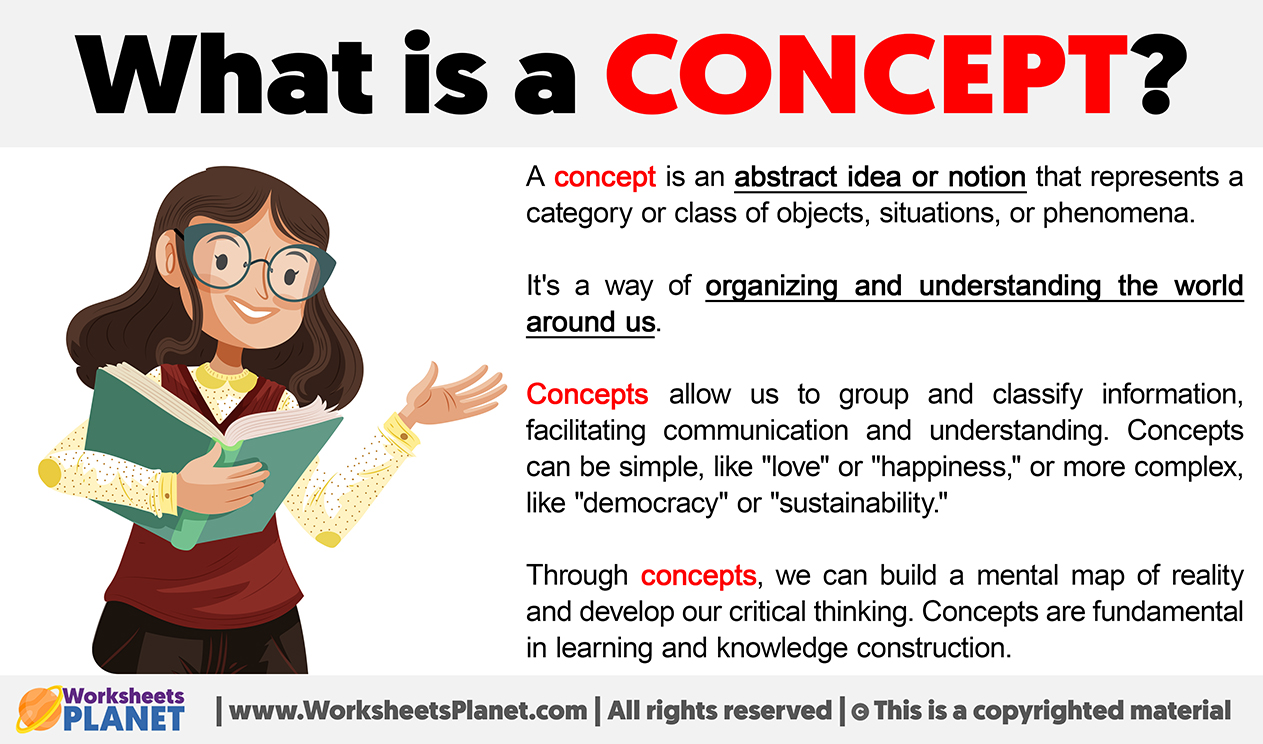
The Foundational Role of Concepts in Branding
At its core, branding is the art and science of shaping perception. Before a logo is designed, a tagline is penned, or a marketing campaign is launched, there must be a central idea – a concept – that defines what the brand stands for, what problem it solves, and why it matters. This isn’t just a fleeting thought; it’s the strategic nucleus around which all brand activities orbit.
Defining “Concept” in the Brand Landscape
In branding, a “concept” transcends a simple idea. It is a well-articulated, often distilled, strategic principle that encapsulates the unique value proposition, personality, and purpose of a brand. It’s the unifying thought that provides clarity and direction, ensuring that every touchpoint, from product design to customer service, speaks with a consistent voice. Consider a brand like Apple: its core concept isn’t just “technology,” but “elegant simplicity” and “user-friendly innovation.” This concept guides everything from minimalist product design to aspirational marketing. Without such a robust conceptual anchor, a brand risks fragmentation, confusion, and irrelevance in the consumer’s mind. It’s the “big idea” that can be communicated, understood, and believed.
Why Every Brand Needs a Core Concept
A brand without a defined core concept is akin to a ship without a rudder – adrift and directionless. The core concept acts as the brand’s true north, providing clarity on its mission, vision, and values. It helps internal teams understand “why we do what we do,” fostering alignment and purpose. For external audiences, it simplifies complex offerings into digestible, memorable narratives. This conceptual clarity is crucial for cut-through in noisy markets. It answers fundamental questions: What differentiates us? What promise do we make? What emotion do we evoke? Brands like Patagonia are built on a powerful concept: “environmental activism meets high-performance gear.” This concept dictates their product lines, marketing, supply chain choices, and even their advocacy, creating a cohesive and powerful brand statement that resonates deeply with their target audience.
Concepts as Strategic Anchors
Beyond definition, concepts serve as critical strategic anchors. They are the fixed points against which all decisions are measured. When a new product is considered, a marketing channel explored, or a partnership evaluated, the question always loops back: “Does this align with our core concept?” This anchoring prevents mission creep and ensures that resources are allocated in ways that reinforce the brand’s identity and promise. A strong concept allows for agile decision-making by providing a clear filter. It’s not just about what a brand does, but what it believes and represents. This strategic utility makes concepts indispensable for long-term brand health and sustained competitive advantage, guiding innovation and evolution without losing the brand’s essential character.
From Idea to Identity: Conceptualizing a Brand
The journey from a nascent idea to a fully fleshed-out brand identity is a transformative process, and at its heart lies the meticulous development of a central concept. This stage is where abstract notions are refined, distilled, and then translated into tangible elements that resonate with the target audience.
The Genesis of a Brand Concept
Brand concepts don’t materialize out of thin air; they are born from a confluence of inspiration, strategic insights, and a keen understanding of market gaps or unmet needs. This initial phase involves deep dive research into consumer psychology, competitive landscapes, cultural trends, and technological advancements. It requires asking fundamental questions: What pain point are we addressing? What unique perspective do we bring? What emotional chord do we want to strike? For example, the concept behind Airbnb wasn’t just “renting rooms,” but “belonging anywhere” – an insight into the human desire for authentic local experiences over generic hotel stays. This concept wasn’t just about accommodation; it was about community, connection, and a different way of experiencing travel, derived from observing a specific market desire.
Translating Abstract Concepts into Tangible Elements
Once a core concept is firmly established, the real magic begins: translating that abstract idea into concrete, recognizable brand elements. This is where the concept informs the visual identity (logo, color palette, typography, imagery), the verbal identity (brand name, tagline, tone of voice, messaging architecture), and even the sonic identity (jingles, sound logos). If the concept is “sustainable luxury,” then visual elements might lean towards earthy tones, elegant fonts, and natural textures, while messaging emphasizes craftsmanship, ethical sourcing, and timeless design. Every creative choice becomes a deliberate echo of the core concept, reinforcing its meaning and ensuring consistency across all touchpoints. This translation isn’t merely aesthetic; it’s about making the abstract tangible and communicable.
Iteration and Refinement: Sculpting the Brand Concept
The process of conceptualization is rarely linear. It involves continuous iteration and refinement. Initial concepts are often tested, critiqued, and evolved based on feedback from target audiences, internal stakeholders, and market analysis. This sculpting phase ensures that the concept is not only compelling but also viable, resonant, and adaptable. It’s about peeling back layers to reveal the most potent and enduring idea. A concept that initially focused on “speed” might evolve to “efficient progress” or “unleashed potential” as understanding deepens and market nuances emerge. This iterative approach allows the brand concept to be sharpened, making it more impactful and robust, capable of weathering market shifts and evolving consumer expectations while retaining its fundamental truth.
Crafting Compelling Narratives: Concepts in Marketing & Communication
A brilliant brand concept remains dormant without effective communication. Marketing and communication are the vehicles through which these core ideas are brought to life, shaping perceptions and forging emotional bonds with audiences. Concepts provide the strategic backbone for every message, campaign, and interaction.

Campaign Concepts: The Heartbeat of Marketing
Every successful marketing campaign is built around a singular, powerful concept. This campaign concept is a distilled message or theme designed to resonate with the target audience, evoke specific emotions, and drive desired actions. It’s the creative hook that captures attention and differentiates the message from the noise. Think of Nike’s “Just Do It” – a timeless concept of empowerment and overcoming obstacles. This overarching concept has spawned countless individual campaigns, each embodying the spirit of pushing boundaries. Without a strong campaign concept, marketing efforts risk being disjointed, forgettable, and ineffective, failing to leave a lasting impression or connect deeply with consumers.
Storytelling Through Conceptual Frameworks
Humans are wired for stories, and brands that master storytelling are those that deeply understand and leverage their core concepts. A conceptual framework provides the structure for these narratives, outlining the protagonist (the consumer), the challenge, the solution (the brand’s offering), and the transformation. For a brand concept centered on “freedom,” stories might depict individuals breaking away from convention, exploring new horizons, or experiencing liberation through the brand’s product or service. This isn’t just about listing features; it’s about painting a vivid picture of the experience and the aspirational state the brand enables. Effective storytelling, anchored by a strong concept, creates a powerful emotional resonance, making the brand relatable, memorable, and ultimately, beloved.
Consistency Across Channels: Applying the Core Concept
In today’s multi-channel world, maintaining consistency is paramount. The core brand concept acts as a unifying thread that weaves through every piece of communication, whether it’s an Instagram post, a TV commercial, a website experience, or a customer service interaction. This means the visual language, tone of voice, and underlying message must all reinforce the same central idea. A brand conceptualized as “playful innovation” would use bright colors, witty copy, and engaging interactive elements across all platforms. Inconsistency, conversely, erodes trust and dilutes brand identity. By meticulously applying the core concept across all channels, brands build a coherent, trustworthy, and recognizable presence that strengthens their overall equity and impact.
Beyond Products: Conceptualizing Brand Experience
A brand concept isn’t limited to what a company sells; it extends to how a company operates and how customers feel when they interact with it. The total brand experience is an immersive manifestation of the core concept, encompassing every touchpoint and shaping overall perception.
Service Design & Conceptual Experience
For service-oriented brands, the core concept directly informs the design of the entire service experience. If a bank’s concept is “financial serenity,” then every interaction—from the layout of its branches to the ease of its mobile app, the clarity of its communication, and the helpfulness of its staff—must contribute to a feeling of calm and security. Similarly, a hospitality brand conceptualized as “effortless luxury” will meticulously design every detail, from concierge services to room amenities, to minimize friction and maximize comfort. This conceptual approach to service design ensures that the brand promise is delivered consistently and authentically, transforming mundane transactions into memorable experiences that reinforce the brand’s identity.
Internal Branding: Concepts for Culture and Values
The power of a brand concept isn’t just for external audiences; it’s equally vital for internal stakeholders. Internal branding involves communicating the core concept to employees, ensuring they understand and embody the brand’s values, mission, and purpose. If the brand concept is “pioneering innovation,” then the internal culture should foster creativity, risk-taking, and continuous learning. Employees become brand ambassadors, and their alignment with the concept directly impacts customer experience. A strong internal conceptual framework cultivates a sense of belonging, motivates performance, and ensures that the brand’s promise is upheld from the inside out, creating an authentic and cohesive brand presence.
The Conceptual Architecture of Customer Journeys
Mapping the customer journey—from initial awareness to post-purchase advocacy—is crucial, and a brand’s core concept provides the architectural framework for this map. Each touchpoint along the journey should be designed to consistently reinforce the brand concept. For an e-commerce brand conceptualized as “curated discovery,” the website navigation, product recommendations, packaging, and follow-up communications would all be crafted to enhance a sense of exploration and delight. This conceptual architecture ensures a seamless, intuitive, and emotionally resonant journey, transforming transactional interactions into meaningful engagements that deepen loyalty and advocacy.
The Art of Conceptual Differentiation: Standing Out in a Crowded Market
In an era of relentless competition, differentiation is the holy grail for brands. It’s no longer enough to be good; a brand must be distinct. The most powerful form of distinction comes from a unique and compelling concept that sets a brand apart from its rivals.
Identifying Unique Conceptual Niches
True differentiation begins with identifying conceptual niches – areas where a brand can genuinely own a unique space in the consumer’s mind. This involves not just identifying market gaps, but also cultural voids or unmet emotional needs. For instance, while many car brands focus on performance or luxury, Volvo carved a powerful niche around “safety.” This core concept allowed them to build a distinct identity and loyal following. Identifying such niches requires deep insights, creative foresight, and the courage to commit to a singular, powerful idea, rather than trying to be everything to everyone. It’s about finding the white space where your brand concept can truly shine.
Reinforcing Distinction Through Conceptual Innovation
Differentiation isn’t a one-time act; it’s an ongoing process of reinforcing and evolving the core concept. Brands must continuously innovate within their conceptual framework to maintain relevance and surprise their audience. This could involve extending the brand concept into new product categories, developing novel marketing approaches, or finding innovative ways to deliver the brand experience. For a brand conceptualized as “effortless well-being,” innovation might involve smart home devices that integrate seamlessly into daily routines or subscription services that simplify healthy living. This continuous evolution, guided by the central concept, ensures the brand remains fresh, engaging, and ahead of the curve, while staying true to its essence.

The Power of Conceptual Clarity for Market Penetration
Ultimately, a clear, well-articulated concept is a brand’s most potent weapon for market penetration. When a concept is simple, compelling, and consistently communicated, it cuts through the noise and resonates directly with the target audience. This clarity makes it easier for consumers to understand what the brand offers, what it stands for, and why they should choose it. Brands like Zappos, with its concept of “delivering happiness” through exceptional customer service, exemplify how conceptual clarity can drive rapid market penetration and build a formidable reputation. It simplifies the choice for the consumer and creates a powerful, memorable identity that is hard for competitors to replicate.
In conclusion, “what’s a concept?” in branding is a question that unlocks the very heart of successful market presence. It is the fundamental blueprint that transforms abstract ideas into tangible identities, strategic directions into compelling narratives, and transactional interactions into meaningful experiences. From the initial genesis of an idea to its meticulous translation into brand elements, marketing campaigns, and customer journeys, the core concept acts as the unwavering anchor. It’s the art of differentiation, the engine of consistency, and the ultimate driver of emotional connection. In a world awash with choices, it is the unique and well-articulated concept that truly defines a brand, ensuring its resonance, relevance, and enduring success.
aViewFromTheCave is a participant in the Amazon Services LLC Associates Program, an affiliate advertising program designed to provide a means for sites to earn advertising fees by advertising and linking to Amazon.com. Amazon, the Amazon logo, AmazonSupply, and the AmazonSupply logo are trademarks of Amazon.com, Inc. or its affiliates. As an Amazon Associate we earn affiliate commissions from qualifying purchases.