
Humidity. It’s a word that often conjures images of sweltering summer days or the crisp, dry air of winter. But beyond these immediate sensations, humidity plays a surprisingly significant role in our daily lives, impacting everything from our personal comfort to the longevity and performance of our sophisticated technological devices. While the question “What’s a comfortable humidity?” seems simple, the answer is nuanced, depending on a confluence of factors and extending far beyond our immediate physical feelings. This exploration delves into the optimal humidity levels for human well-being, the subtle yet crucial influence of humidity on technology, and how we can actively manage our indoor environments to achieve this comfortable equilibrium.
The Human Factor: Comfort, Health, and the Ideal Humidity Range
Our bodies are finely tuned instruments, and relative humidity – the amount of water vapor in the air compared to the maximum it can hold at a given temperature – is a key environmental input that affects our comfort and health. While a definitive, universally perfect humidity percentage is elusive, a general consensus among experts points to a sweet spot.
The Optimal Zone for Human Comfort and Health
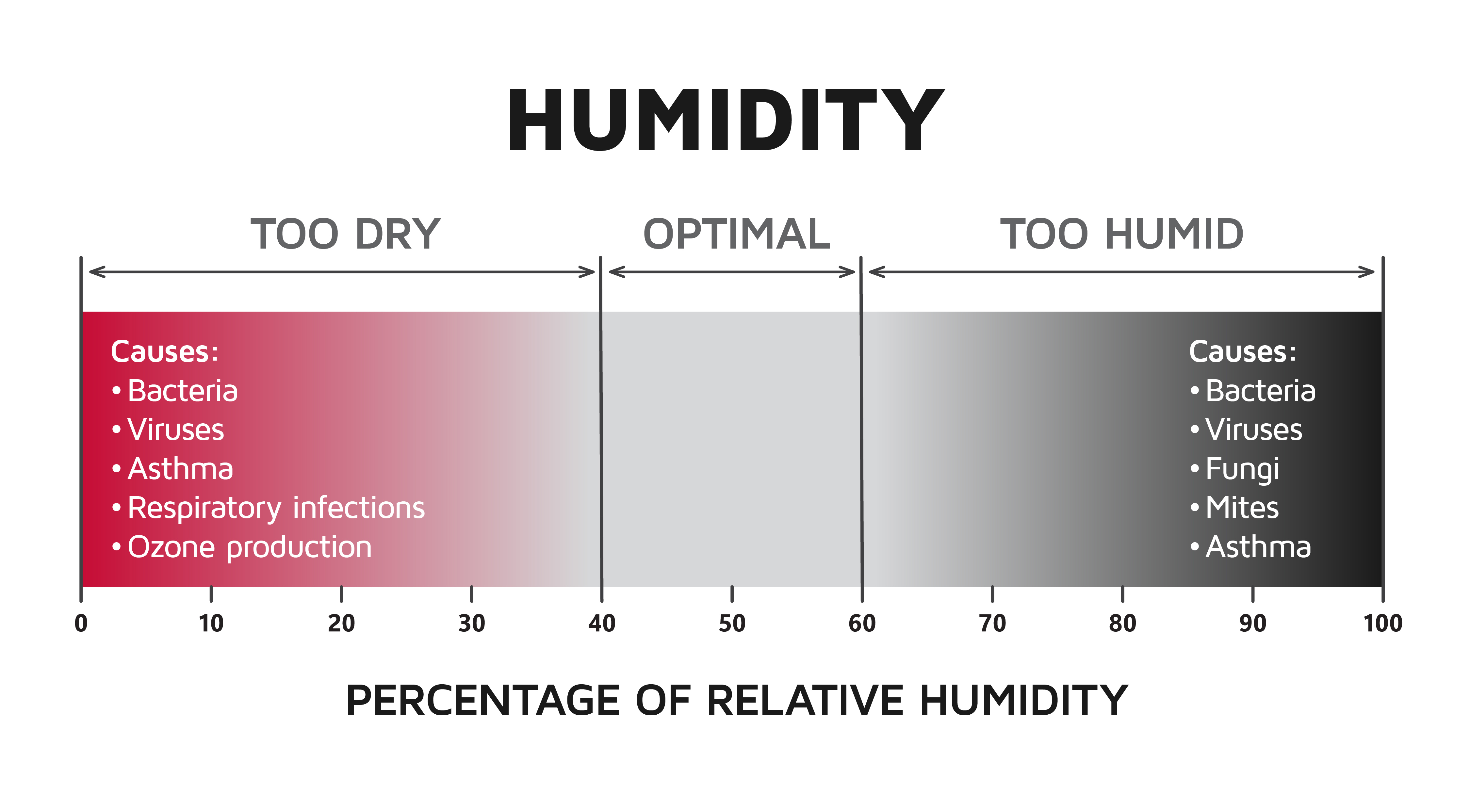
The ideal relative humidity range for most people typically falls between 40% and 60%. Within this zone, our bodies function most efficiently, and we generally experience a sense of comfort.
-
Why this range? When humidity is within this spectrum, it allows for effective thermoregulation. Our skin can perspire, and that perspiration can evaporate, cooling us down naturally. Conversely, when the air is too dry, our mucous membranes can dry out. This can lead to a scratchy throat, irritated nasal passages, and increased susceptibility to colds and respiratory infections. On the other hand, excessively high humidity makes it harder for sweat to evaporate, leaving us feeling sticky, clammy, and overheated. It can also exacerbate allergy symptoms by promoting the growth of mold and dust mites.
-
Beyond the Numbers: Individual Sensitivities It’s important to acknowledge that individual preferences and sensitivities can vary. Some people might feel more comfortable at the lower end of this range, while others might prefer it slightly higher. Factors such as existing respiratory conditions, age, and even activity levels can influence personal comfort. For instance, individuals with asthma or allergies may find even the lower end of the 40-60% range problematic if mold or dust mite proliferation is a concern.
The Downside of Extremes: Too Dry and Too Humid
Understanding the consequences of deviating from the ideal range highlights its importance.
The Perils of Dry Air (Below 40%)
When the air becomes too dry, the effects are noticeable and often uncomfortable.
-
Physical Discomfort: Dry skin, chapped lips, and itchy eyes are common complaints. Our respiratory system suffers, leading to dry, irritated nasal passages and throats, which can make us more vulnerable to viruses and bacteria. This dryness can also worsen symptoms for individuals with conditions like eczema or psoriasis.
-
Health Implications: Beyond immediate discomfort, prolonged exposure to low humidity can weaken our immune defenses. The cilia in our respiratory tracts, which help trap and expel pathogens, become less effective when dry. This can increase our susceptibility to colds, flu, and other respiratory infections.
-
Impact on Home and Belongings: In a domestic setting, dry air can cause wooden furniture, floors, and musical instruments to crack and warp. Wallpaper might peel, and static electricity becomes a persistent nuisance, leading to minor shocks and making hair flyaways more prevalent.
The Oppressive Nature of High Humidity (Above 60%)
Conversely, air that is too humid presents its own set of challenges.
-
Sensory Discomfort: High humidity makes the air feel heavy and stifling. It impedes the evaporation of sweat, leaving us feeling sticky, lethargic, and overheated, even at moderate temperatures. This can significantly reduce our perceived comfort level.
-
Health Concerns: The most significant health risks associated with high humidity are the proliferation of mold, mildew, and dust mites. These allergens thrive in damp environments and can trigger or worsen asthma attacks, allergic reactions, and other respiratory problems. Prolonged exposure to mold can also lead to more serious health issues.
-
Damage to Property: Excess moisture can lead to structural damage in homes, including rot in wood, peeling paint, and the growth of mold on walls and ceilings. It can also damage electronics, books, and fabrics.
The Unseen Influence: Humidity’s Impact on Technology
The world we inhabit is increasingly digital, and our reliance on technology is profound. From the smartphones in our pockets to the complex servers powering the internet, these devices are not immune to the effects of humidity. Maintaining optimal humidity levels is not just about personal comfort; it’s about safeguarding our digital infrastructure and ensuring the longevity and optimal performance of our gadgets.
The Delicate Balance for Electronics
Modern electronics are intricate marvels of engineering, packed with sensitive components that can be adversely affected by deviations from their ideal operating environment.
-
The Threat of Condensation: Perhaps the most immediate danger of high humidity is condensation. When warm, humid air comes into contact with a cooler electronic device (like a smartphone brought in from the cold or a laptop opened in a steamy room), moisture can condense on its internal components. This can lead to short circuits, corrosion, and permanent damage. Think of the dreaded “water damage” indicator on electronics – often, it’s triggered by moisture, even if no liquid was directly spilled.
-
Corrosion and Degradation: Even without direct condensation, prolonged exposure to high humidity can accelerate the corrosion of delicate metal contacts and solder joints within electronic devices. This can lead to intermittent performance issues, signal degradation, and ultimately, component failure.
-
Static Electricity and Dryness: Conversely, extremely low humidity can increase the risk of electrostatic discharge (ESD). Static electricity can build up more easily in dry environments, and a sudden discharge, even a small one, can fry sensitive microchips and components, rendering devices useless. This is particularly a concern for people who work with sensitive electronics, such as IT professionals or hobbyists.

- Impact on Data Storage: For devices that store data, such as hard drives and SSDs, extreme humidity can contribute to degradation of the storage media over time. This can lead to data corruption or loss, a silent but potentially catastrophic consequence.
Maintaining a Digital Sanctuary
Understanding these risks underscores the importance of protecting our technology.
-
Acclimatization: When bringing electronics from a significantly different temperature or humidity environment (e.g., a cold phone into a warm, humid room), allow the device to acclimatize gradually. This means not turning it on immediately. Let it sit in the ambient environment for a while to prevent condensation.
-
Storage Considerations: For long-term storage of electronics, aim for a controlled environment with moderate humidity. Avoid damp basements or excessively dry attics. Silica gel packets can be useful in enclosed storage spaces to absorb excess moisture.
-
Environmental Control in Workspaces: For professionals working with sensitive equipment, maintaining a controlled indoor environment with a dehumidifier or humidifier, as needed, is crucial. This not only protects the equipment but also ensures consistent performance and reduces the likelihood of costly repairs or data loss.
Navigating the Humidity Landscape: Tools and Strategies for Control
Achieving and maintaining a comfortable humidity level is an active process. Fortunately, a range of tools and strategies are available to help us manage our indoor environments effectively.
Understanding Your Indoor Climate: Monitoring Humidity
The first step to managing humidity is understanding what it currently is.
-
Hygrometers: Your Humidity Gauges: A hygrometer is an essential device for measuring relative humidity. They come in various forms, from simple analog dials to sophisticated digital displays that also show temperature. Many smart home devices and weather stations also incorporate hygrometers, allowing for continuous monitoring and historical data tracking.
-
Interpreting the Readings: Once you have a reading, compare it to the ideal range (40-60%). This will tell you whether you need to increase or decrease the humidity in your space.
Taking Action: Humidifiers and Dehumidifiers
These two devices are the primary tools for actively adjusting indoor humidity levels.
-
Humidifiers: Adding Moisture to the Air: When your indoor air is too dry, particularly during winter months when heating systems can strip moisture from the air, a humidifier can be a lifesaver. They work by releasing water vapor into the air.
-
Types of Humidifiers:
- Cool Mist Humidifiers: These release a cool mist and are generally safer, especially in households with children, as they don’t involve hot water.
- Warm Mist Humidifiers: These boil water to release steam, which can help to kill bacteria and viruses in the water. However, they pose a burn risk and consume more energy.
- Ultrasonic Humidifiers: These use ultrasonic vibrations to create a fine mist. They are often quiet and energy-efficient.
- Evaporative Humidifiers: These use a fan to blow air through a wet wick or filter, causing the water to evaporate.
-
Maintenance is Key: Regular cleaning and descaling of humidifiers are crucial to prevent the growth of mold and bacteria, which could then be dispersed into the air. Using distilled or demineralized water can also help reduce mineral buildup.
-
-
Dehumidifiers: Removing Moisture from the Air: When your indoor air is too humid, especially in warmer, more humid climates or during rainy seasons, a dehumidifier is the solution. They work by drawing in moist air, cooling it to condense the water, and then releasing drier air back into the room. The collected water is stored in a tank or can be drained continuously.
-
Choosing the Right Size: Dehumidifiers are rated by their capacity to remove moisture per day, typically in pints. The size you need will depend on the square footage of the area you want to dehumidify and the level of humidity you need to combat.
-
Placement and Operation: Proper placement in the room where humidity is highest is important. Ensure good air circulation around the unit for optimal performance.
-
Beyond Appliances: Natural and Behavioral Adjustments
While appliances are powerful tools, simple lifestyle changes and natural methods can also contribute to a more comfortable humidity environment.
-
Ventilation: Proper ventilation is crucial. Opening windows and doors when outdoor humidity levels are favorable can help regulate indoor air. Using exhaust fans in bathrooms and kitchens during and after showers and cooking effectively removes excess moisture.
-
Managing Indoor Plants: While plants can add a touch of nature, they also release moisture into the air through transpiration. In very humid environments, consider reducing the number of indoor plants or ensuring good air circulation around them.
-
Drying Laundry: Avoid drying clothes indoors, especially in enclosed spaces, as this significantly increases indoor humidity. If you must dry laundry indoors, ensure the room is well-ventilated.
-
Cooking Habits: Steaming and boiling food release a lot of moisture. Using lids on pots and pans can help reduce this release.
By understanding the interplay between humidity, our well-being, and our technology, and by employing the right tools and strategies, we can proactively create indoor environments that are not just comfortable, but also healthy and conducive to the optimal functioning of our increasingly interconnected digital lives. The pursuit of a comfortable humidity level is an investment in our overall quality of life.
aViewFromTheCave is a participant in the Amazon Services LLC Associates Program, an affiliate advertising program designed to provide a means for sites to earn advertising fees by advertising and linking to Amazon.com. Amazon, the Amazon logo, AmazonSupply, and the AmazonSupply logo are trademarks of Amazon.com, Inc. or its affiliates. As an Amazon Associate we earn affiliate commissions from qualifying purchases.