
In the modern economic landscape, the term “budget” is often met with a mixture of trepidation and misunderstanding. For many, it evokes images of restrictive diets, fiscal austerity, and the painful sacrifice of life’s pleasures. However, this perspective fundamentally misrepresents the essence of budgeting. At its core, a budget is not a set of handcuffs; it is a roadmap. It is a strategic document that translates your personal values and long-term goals into a tangible, actionable plan for your money.
Whether you are an individual trying to climb out of debt, a family saving for a first home, or an entrepreneur scaling a side hustle, understanding what a budget is—and how to wield it effectively—is the single most important step toward financial sovereignty.
The Anatomy of a Budget: Defining the Framework
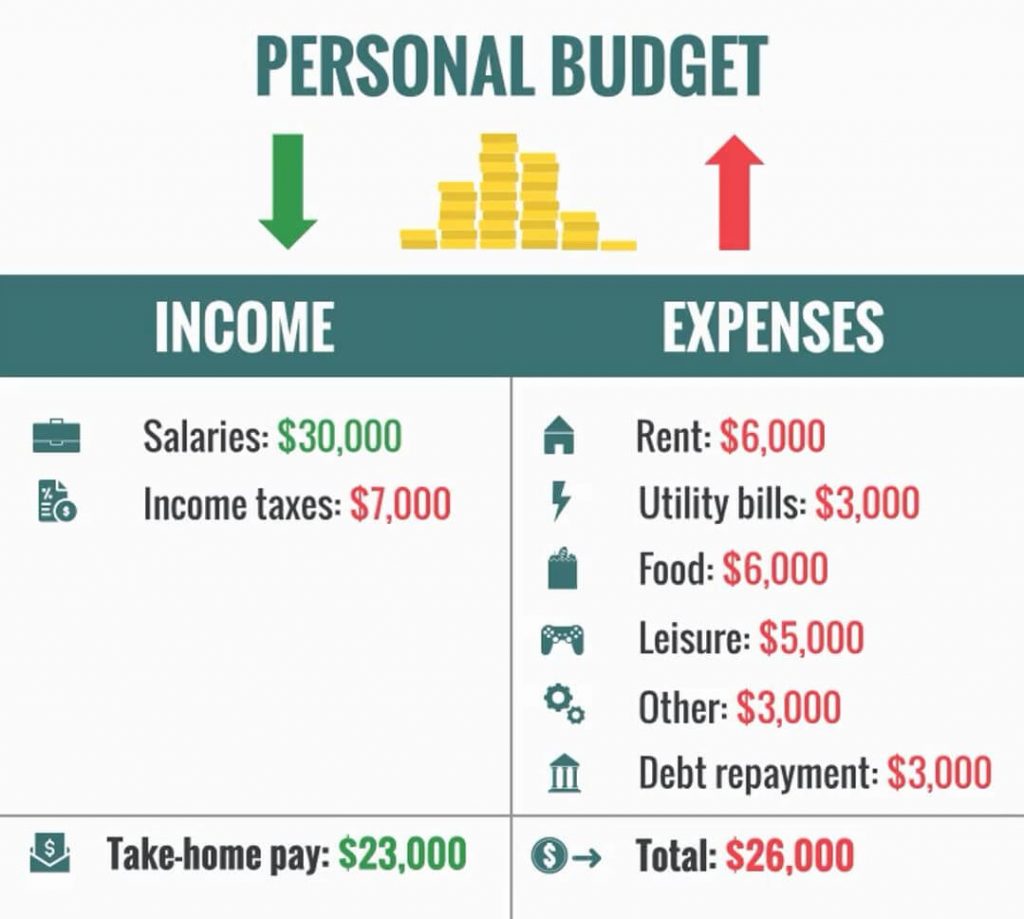
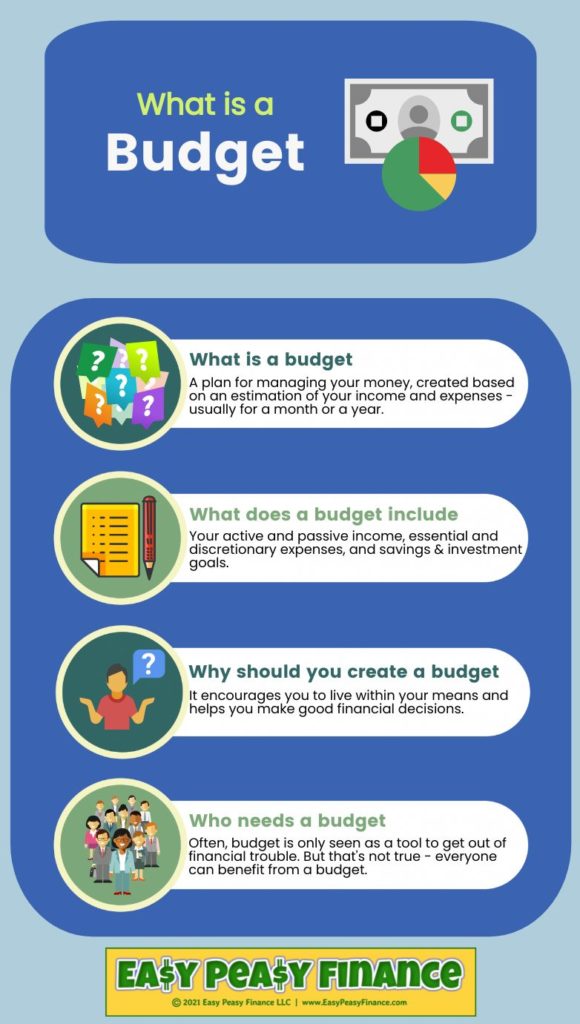
To understand what a budget is, one must first view it as a living system of resource allocation. It is a detailed record of expected income and a calculated plan for expenditures over a specific timeframe, usually a month. While the concept sounds simple, its execution involves several layers of financial intelligence.
The Quantitative Foundation: Income and Expenses
Every budget begins with two primary pillars: inflows and outflows. Inflows encompass all sources of revenue, including your primary salary, freelance earnings, dividends, or rental income. Outflows are divided into two categories: fixed and variable.
-
Fixed Expenses: These are predictable, non-negotiable costs like rent or mortgage payments, insurance premiums, and utility base rates.
-
Variable Expenses: These fluctuate based on behavior and necessity, such as groceries, entertainment, fuel, and discretionary shopping.
A successful budget identifies the “gap” between these two pillars. If your income exceeds your expenses, you have a surplus that can be leveraged for wealth creation. If your expenses exceed your income, you have a deficit—a signal that your current lifestyle is unsustainable without accumulating debt.
The Qualitative Layer: Priorities and Intent
Beyond the numbers, a budget is a reflection of your priorities. If you claim that travel is important to you but your budget shows zero dollars allocated to a travel fund while hundreds go toward premium streaming services, there is a misalignment between your values and your actions. Budgeting is the process of resolving this conflict. It allows you to give every dollar a specific “job” before the month begins, ensuring that your capital is working toward the goals that actually matter to most to you.
Modern Budgeting Methodologies
There is no one-size-fits-all approach to financial planning. The “best” budget is the one you can actually stick to. Over the decades, several frameworks have emerged, each catering to different psychological profiles and financial complexities.
The 50/30/20 Rule: The Intuitive Balanced Approach
Popularized by Senator Elizabeth Warren, this method is ideal for those who want a simple, high-level overview without tracking every cent. Under this framework, you allocate your after-tax income into three buckets:
-
50% for Needs: Essential costs such as housing, food, and minimum debt payments.
-
30% for Wants: Lifestyle choices, such as dining out, hobbies, and gym memberships.
-
20% for Savings and Debt Repayment: Building an emergency fund, investing in a 401(k) or IRA, and paying down principal on loans.
This method is powerful because it bakes financial security directly into the plan, ensuring that savings are not just an afterthought.
Zero-Based Budgeting: Precision and Control
Zero-based budgeting is the gold standard for those who want absolute transparency. The philosophy is simple: Income minus Expenses equals Zero. This does not mean you have zero dollars in your bank account; it means that every single dollar you earn is assigned to a specific category—whether that is “Groceries,” “Emergency Fund,” or “Index Fund Investments.”
This method is highly effective for breaking the “paycheck-to-paycheck” cycle because it forces you to account for every cent, preventing “leakage”—those small, unmonitored purchases that quietly erode your wealth.
The “Pay Yourself First” Method: The Investor’s Choice
Also known as reverse budgeting, this strategy prioritizes your future self above all else. You decide on a set amount to save or invest the moment your paycheck hits your account. Whatever remains is what you have available for your living expenses. This is particularly effective for high-earners or those who find manual tracking tedious but want to ensure they meet their long-term wealth targets.
The Strategic Role of a Budget in Wealth Creation
A budget is not merely a defensive tool used to avoid bankruptcy; it is an offensive weapon in the pursuit of wealth. Without a budget, it is impossible to accurately calculate your “burn rate” or your “investable surplus.”
Managing the Burn Rate
In the corporate world, “burn rate” refers to the rate at which a company spends its capital. Individuals have a burn rate too. By tracking your monthly expenses, you can identify how long you could survive if your primary income source vanished tomorrow. This insight is what allows you to build an effective Emergency Fund. Most financial experts recommend a fund that covers three to six months of expenses. Without a budget, you are merely guessing what that number is.
Finding “Found Money”
One of the most profound realizations that comes with consistent budgeting is the discovery of “found money.” This refers to expenses that no longer serve you—unused subscriptions, excessive convenience fees, or high-interest debt that can be consolidated. When you reallocate this “found money” into an investment account, you tap into the power of compound interest. A $100 monthly saving identified through a budget, when invested with an 8% annual return, can grow to over $140,000 over 30 years. In this context, a budget is not a restriction; it is a seed for future millions.
Inflation Protection
In an era of rising costs, a budget acts as a buffer. It allows you to see exactly where inflation is hitting your wallet—whether it’s the price of eggs or the cost of insurance—and gives you the data needed to pivot. By identifying rising costs early, you can adjust your discretionary spending to ensure your savings goals remain untouched.
Psychological Barriers and the Shift to Financial Empowerment
The primary reason budgets fail is not mathematical; it is psychological. Many people view a budget as a “naughty list” for their spending, leading to guilt and eventual abandonment of the process. To succeed, one must shift their mindset from scarcity to agency.
Overcoming the “Ostrich Effect”
The Ostrich Effect is the cognitive bias where people avoid looking at their financial reality because they fear the stress it will cause. However, the anxiety of not knowing is almost always greater than the reality of the numbers. A budget replaces vague fear with concrete data. Once you know exactly where you stand, the path forward becomes clear.
The Power of Sinking Funds
One of the most common budget-killers is the “unexpected” expense: a car repair, a holiday gift, or an annual insurance premium. Strategic budgeters use “Sinking Funds” to solve this. Instead of being blindsided by a $600 car repair in June, you set aside $50 every month for “Car Maintenance.” This turns a financial crisis into a non-event. The psychological peace that comes from knowing an emergency is already paid for is one of the greatest benefits a budget provides.
Navigating the Tools of the Trade
While the principles of budgeting remain constant, the tools have evolved. The choice of tool should align with your personal style.
The Spreadsheet: The Architect’s Tool
For those who enjoy data and customization, a spreadsheet (like Excel or Google Sheets) offers unparalleled control. You can build your own formulas, create custom charts, and keep your data private. It requires more manual effort, which often leads to a deeper connection with your spending habits.
Financial Aggregators: The Modern Efficiency
In the digital age, numerous applications link directly to your bank accounts and credit cards, automatically categorizing your transactions. These tools are excellent for high-level monitoring and identifying trends over time. However, the danger of automation is detachment; it is easy to glance at an app and forget to actually change the underlying behavior.
The Envelope System: The Behavioral Reset
For those struggling with overspending, the old-school envelope system—using physical cash for discretionary categories like “Dining” or “Clothing”—remains incredibly effective. When the cash in the envelope is gone, you stop spending in that category for the month. This creates a tactile, immediate feedback loop that digital transactions lack.
Final Thoughts: The Budget as a Living Document
A budget is never “finished.” It is a dynamic document that must evolve as your life changes. A promotion, a new child, a move to a different city, or the decision to start a business all require a recalibration of your financial blueprint.
Ultimately, the answer to “what’s a budget?” is that it is your primary tool for taking control of your life. It is the bridge between the life you have today and the life you want tomorrow. By mastering the art of the budget, you stop wondering where your money went and start telling it where to go. This shift in perspective is the hallmark of financial maturity and the foundation of all lasting wealth.
aViewFromTheCave is a participant in the Amazon Services LLC Associates Program, an affiliate advertising program designed to provide a means for sites to earn advertising fees by advertising and linking to Amazon.com. Amazon, the Amazon logo, AmazonSupply, and the AmazonSupply logo are trademarks of Amazon.com, Inc. or its affiliates. As an Amazon Associate we earn affiliate commissions from qualifying purchases.